Department of Anatomy and Developmental Biology, Biomedicine Discovery Institute, Monash University, Clayton, VIC, 3800, Australia.
Department of Biochemistry and Molecular Biology, Biomedicine Discovery Institute, Monash University, Clayton, VIC, 3800, Australia.
Nat Commun. 2021 Nov 11;12(1):6495. doi: 10.1038/s41467-021-26834-3.
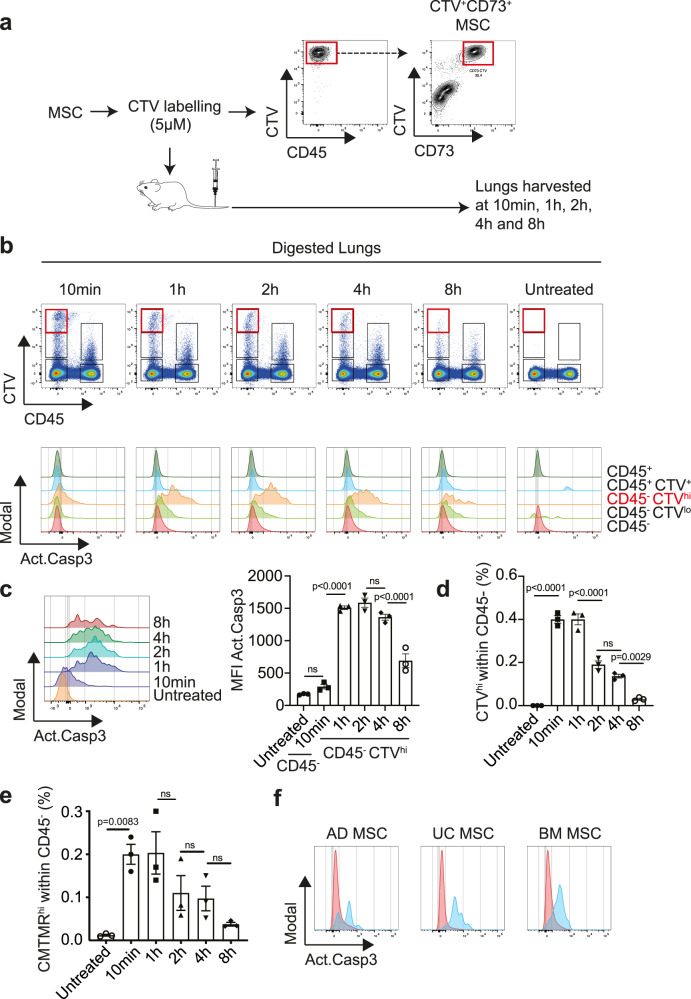
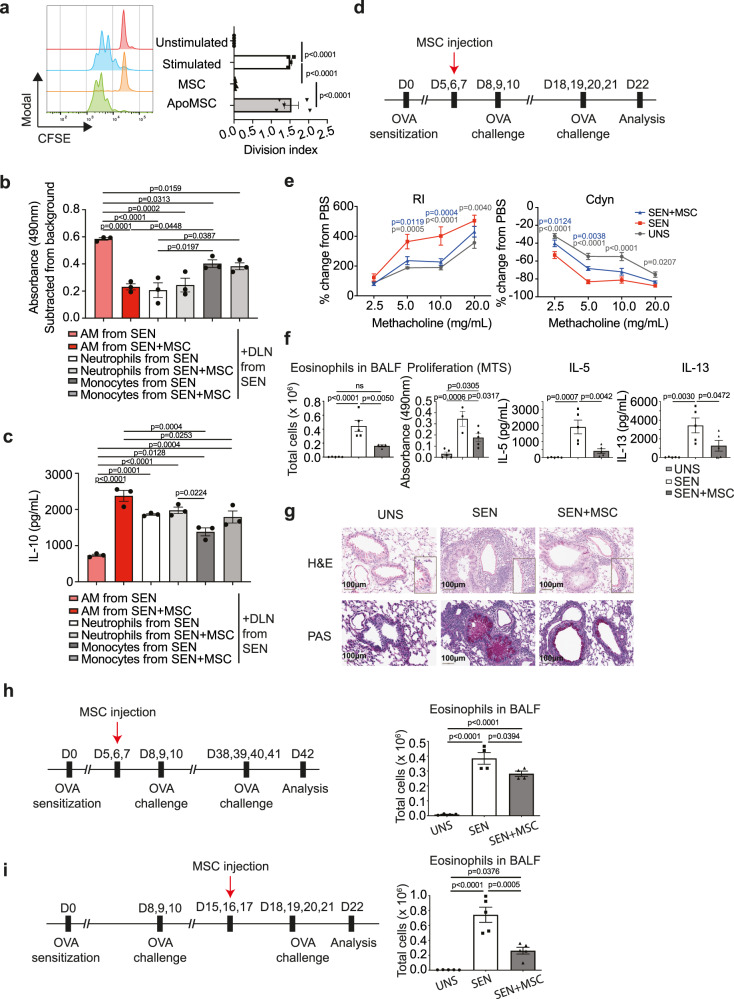
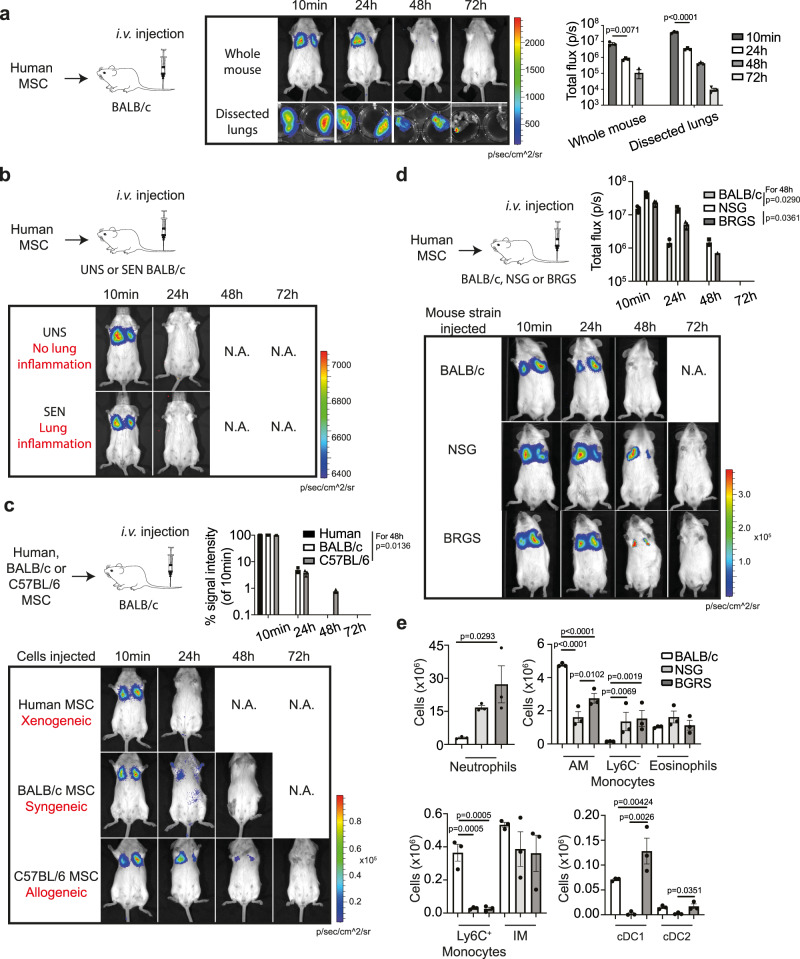
Multipotent mesenchymal stromal cells (MSCs) ameliorate a wide range of diseases in preclinical models, but the lack of clarity around their mechanisms of action has impeded their clinical utility. The therapeutic effects of MSCs are often attributed to bioactive molecules secreted by viable MSCs. However, we found that MSCs underwent apoptosis in the lung after intravenous administration, even in the absence of host cytotoxic or alloreactive cells. Deletion of the apoptotic effectors BAK and BAX prevented MSC death and attenuated their immunosuppressive effects in disease models used to define MSC potency. Mechanistically, apoptosis of MSCs and their efferocytosis induced changes in metabolic and inflammatory pathways in alveolar macrophages to effect immunosuppression and reduce disease severity. Our data reveal a mode of action whereby the host response to dying MSCs is key to their therapeutic effects; findings that have broad implications for the effective translation of cell-based therapies.
多能间充质基质细胞(MSCs)可改善临床前模型中多种疾病,但由于其作用机制不明确,限制了其临床应用。MSC 的治疗效果通常归因于活 MSC 分泌的生物活性分子。然而,我们发现 MSC 经静脉给药后在肺部发生凋亡,即使在没有宿主细胞毒性或同种反应性细胞的情况下也是如此。凋亡效应物 BAK 和 BAX 的缺失可防止 MSC 死亡,并减弱其在用于定义 MSC 效力的疾病模型中的免疫抑制作用。从机制上讲,MSC 的凋亡及其诱导的肺泡巨噬细胞中代谢和炎症途径的改变可抑制免疫抑制并降低疾病严重程度。我们的数据揭示了一种作用模式,即宿主对死亡 MSC 的反应是其治疗效果的关键;这些发现对有效的细胞治疗转化具有广泛的意义。