Department of Endocrinology, Shandong Provincial Hospital Affiliated to Shandong First Medical University, Jinan, 250021, People's Republic of China.
Department of Endocrinology, Shandong Provincial Hospital, Cheeloo College of Medicine,Shandong University, Jinan, 250012, People's Republic of China.
Drug Des Devel Ther. 2021 Nov 4;15:4559-4574. doi: 10.2147/DDDT.S325814. eCollection 2021.
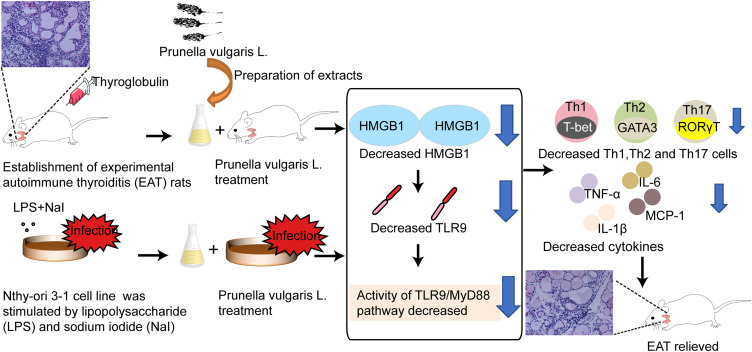
L. (PV) has been used to treat autoimmune thyroiditis (AIT), but the underlying mechanism remains unknown. The present study was designed to evaluate the effect of PV on AIT and explore the role of high-mobility group box-1 (HMGB1) signaling in PV-mediated effects in vivo and in vitro.
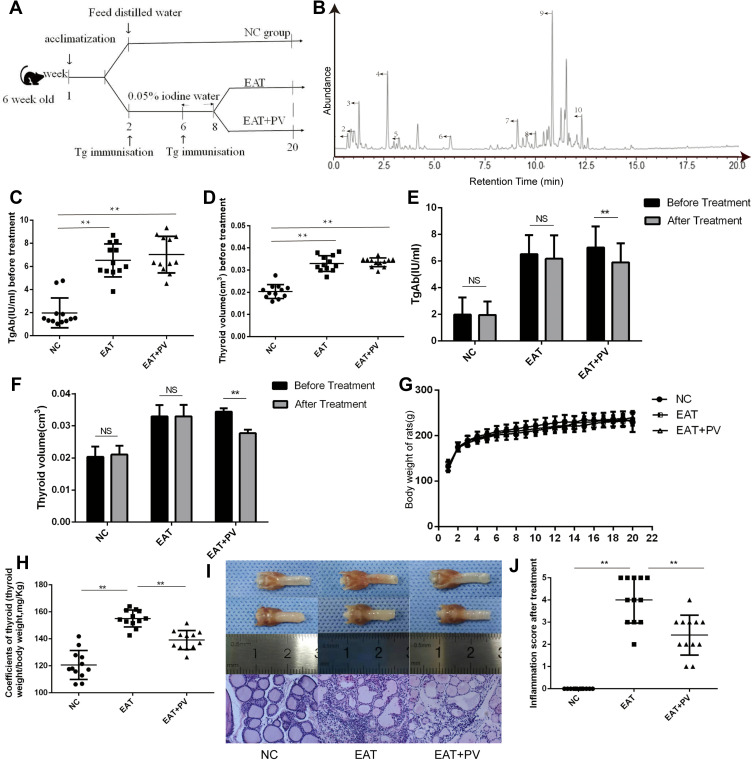
In the present study, bioactive components of PV were identified using UPLC-ESI-MS. The protective effects and potential mechanisms critical for the anti-inflammatory and immunomodulatory effects of PV in AIT were investigated in a rat model of thyroglobulin-induced experimental autoimmune thyroiditis (EAT) and in lipopolysaccharide (LPS)-induced thyroid follicular cells (TFCs).
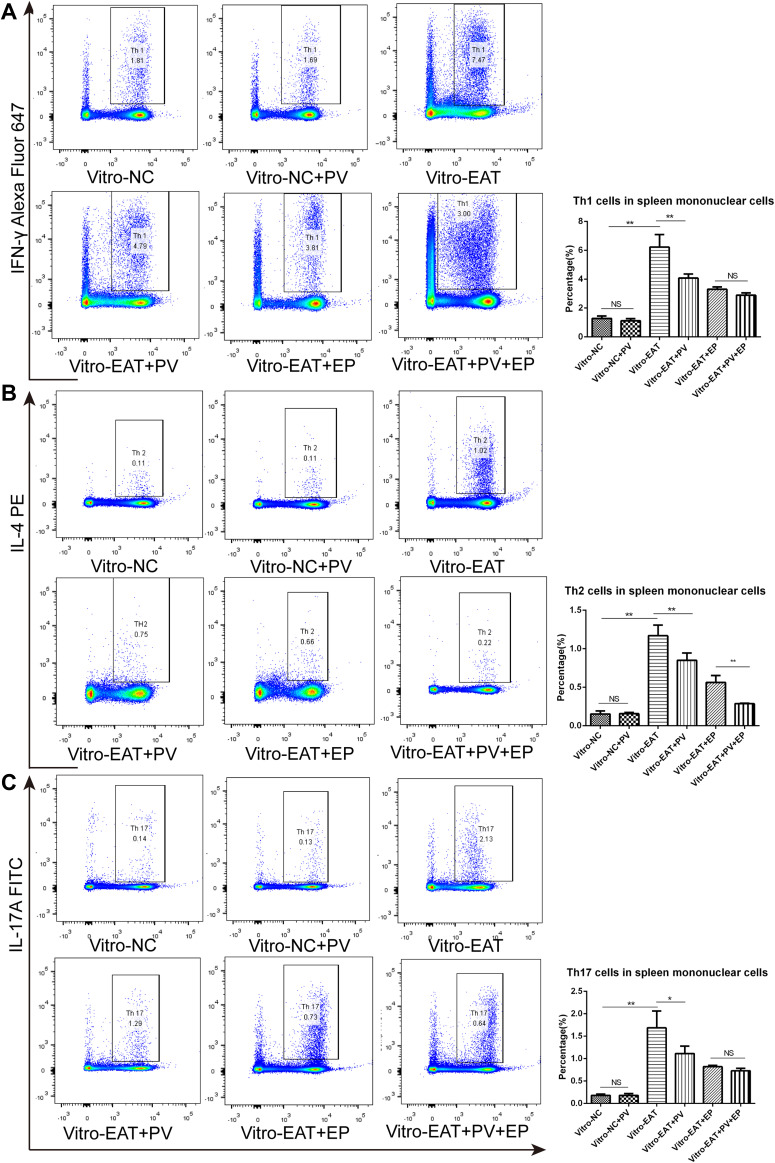
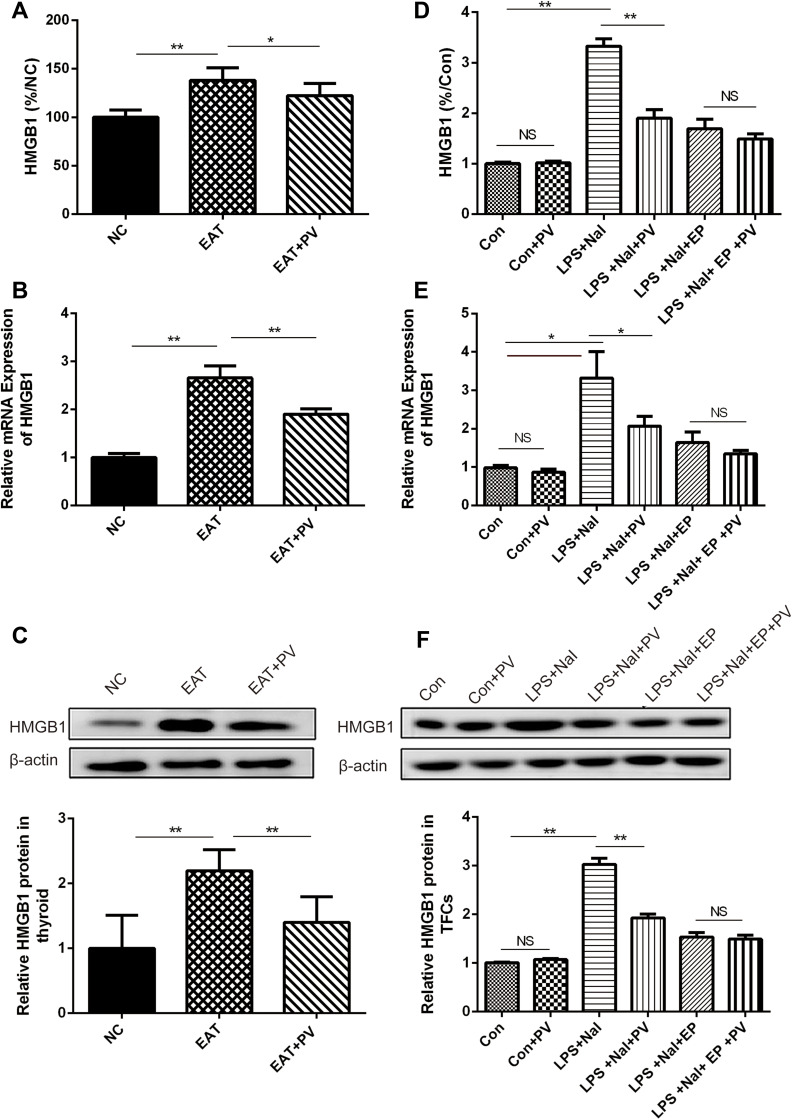
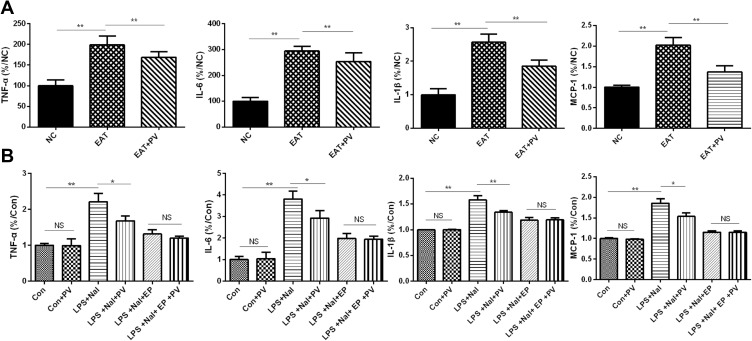
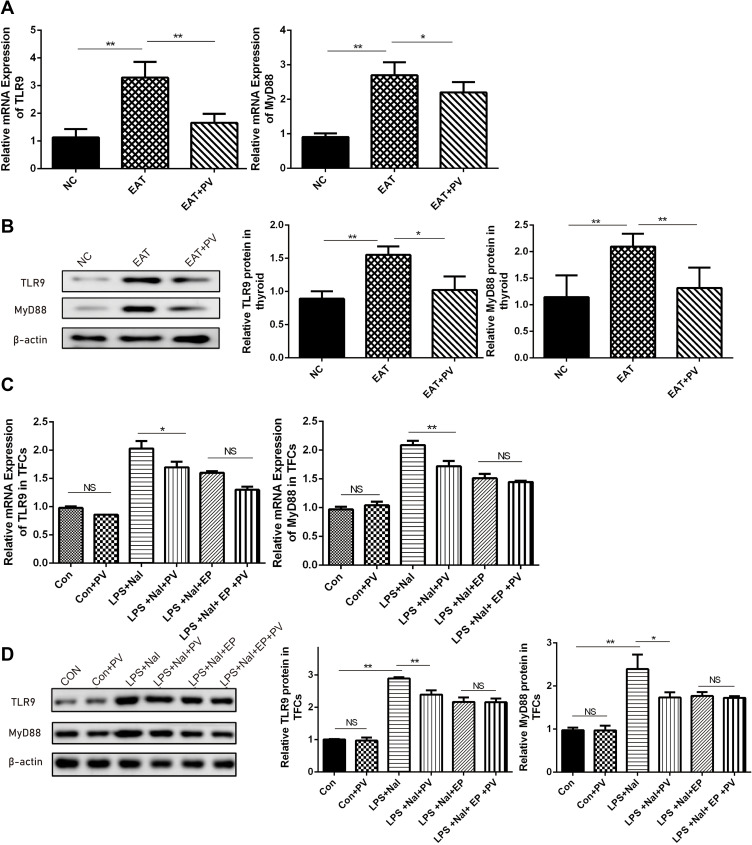
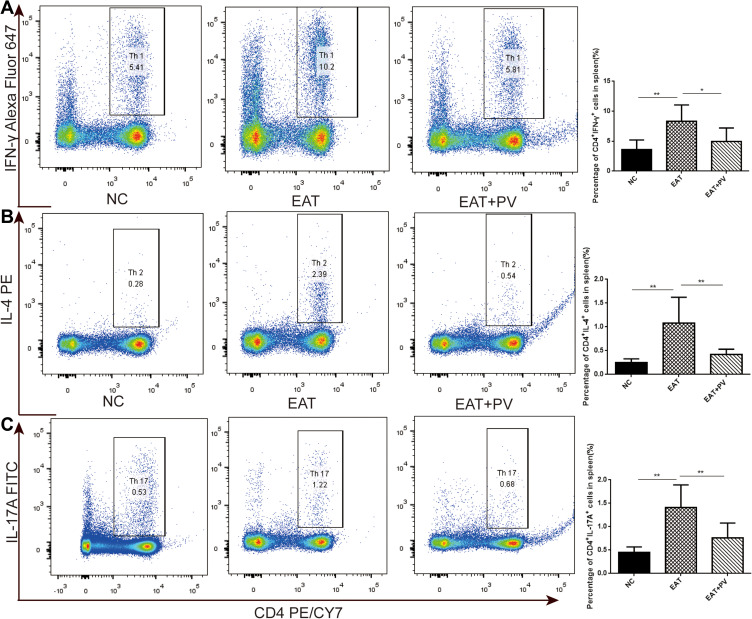
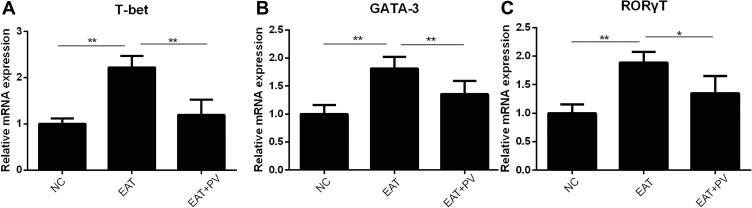
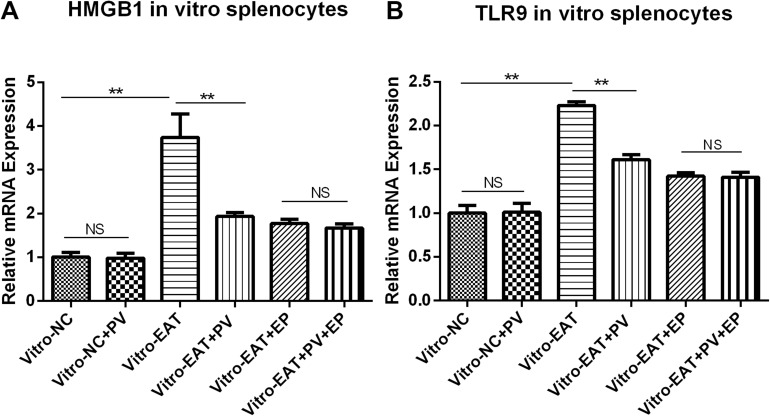
The main bioactive compound identified in PV was rosmarinic acid. The thyroid volume, thyroiditis inflammation score and serum thyroglobulin antibody levels of EAT rats were attenuated by PV treatment (<0.01). In addition, PV significantly reduced the elevated levels of the proinflammatory cytokines TNF-α, IL-6, IL-1β and monocyte chemoattractant protein-1 (MCP-1) both in vivo (<0.01) and in vitro (<0.05). PV downregulated HMGB1 mRNA and protein expression, reduced HMGB1 secretion, and inhibited TLR9 signaling pathways (TLR9 and MyD88) in PV-treated EAT rats and TFCs. Moreover, PV reversed the increases in the numbers of splenic Th1, Th2, and Th17 cells. Finally, our results acquired following administration of ethyl pyruvate, an HMGB1 inhibitor, to splenocytes cultured in vitro supported the hypothesis that the HMGB1/TLR9 pathway is involved in the PV-mediated reductions in Th1, Th2 and Th17 cells.
PV decreased the activity of the TLR9/MyD88 pathway and proinflammatory cytokines through HMGB1. In addition, we are the first to show that PV attenuated the HMGB1-induced increases in Th1, Th2 and Th17 cells in AIT models. These findings provide new evidence for the potential therapeutic value of PV as a treatment for AIT and other autoimmune diseases.
白芍总苷(PV)已被用于治疗自身免疫性甲状腺炎(AIT),但其潜在机制尚不清楚。本研究旨在评估 PV 对 AIT 的影响,并探讨高迁移率族 box-1(HMGB1)信号通路在 PV 介导的体内和体外作用中的作用。
本研究采用 UPLC-ESI-MS 鉴定了 PV 的生物活性成分。在甲状腺球蛋白诱导的实验性自身免疫性甲状腺炎(EAT)大鼠模型和脂多糖(LPS)诱导的甲状腺滤泡细胞(TFC)中,研究了 PV 对 AIT 的抗炎和免疫调节作用的保护作用及其潜在机制。
PV 中的主要生物活性化合物被鉴定为迷迭香酸。PV 治疗可减轻 EAT 大鼠的甲状腺体积、甲状腺炎炎症评分和血清甲状腺球蛋白抗体水平(<0.01)。此外,PV 还显著降低了体内(<0.01)和体外(<0.05)促炎细胞因子 TNF-α、IL-6、IL-1β和单核细胞趋化蛋白-1(MCP-1)的升高水平。PV 下调了 EAT 大鼠和 TFC 中 HMGB1 mRNA 和蛋白表达,减少了 HMGB1 的分泌,并抑制了 TLR9 信号通路(TLR9 和 MyD88)。此外,PV 逆转了脾 Th1、Th2 和 Th17 细胞数量的增加。最后,我们在体外培养的脾细胞中给予 HMGB1 抑制剂乙基丙酮酸后的结果支持了 HMGB1/TLR9 通路参与 PV 介导的 Th1、Th2 和 Th17 细胞减少的假说。
PV 通过 HMGB1 降低了 TLR9/MyD88 通路和促炎细胞因子的活性。此外,我们首次表明,PV 减轻了 AIT 模型中 HMGB1 诱导的 Th1、Th2 和 Th17 细胞的增加。这些发现为 PV 作为治疗 AIT 和其他自身免疫性疾病的潜在治疗价值提供了新的证据。