Makuch Krzysztof, Hryc Jakub, Markiewicz Michal, Pasenkiewicz-Gierula Marta
Department of Computational Biophysics and Bioinformatics, Faculty of Biochemistry, Biophysics and Biotechnology, Jagiellonian University, Krakow, Poland.
Front Mol Biosci. 2021 Oct 26;8:768449. doi: 10.3389/fmolb.2021.768449. eCollection 2021.
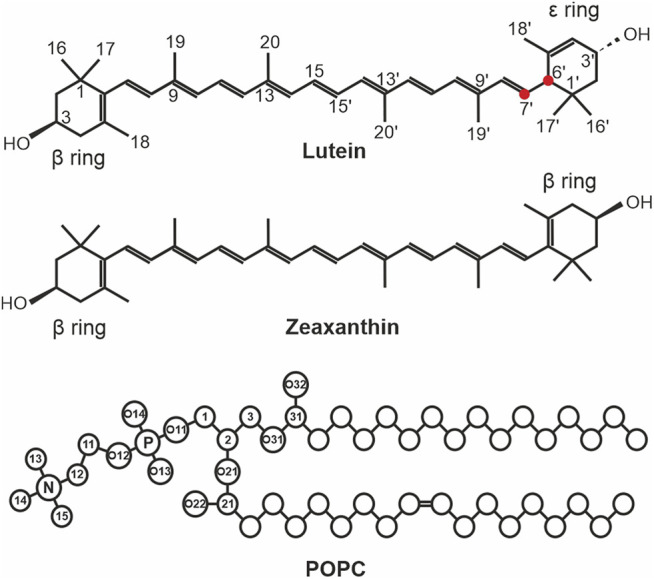
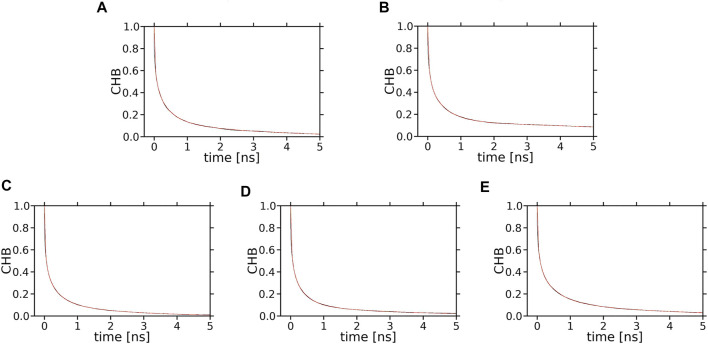
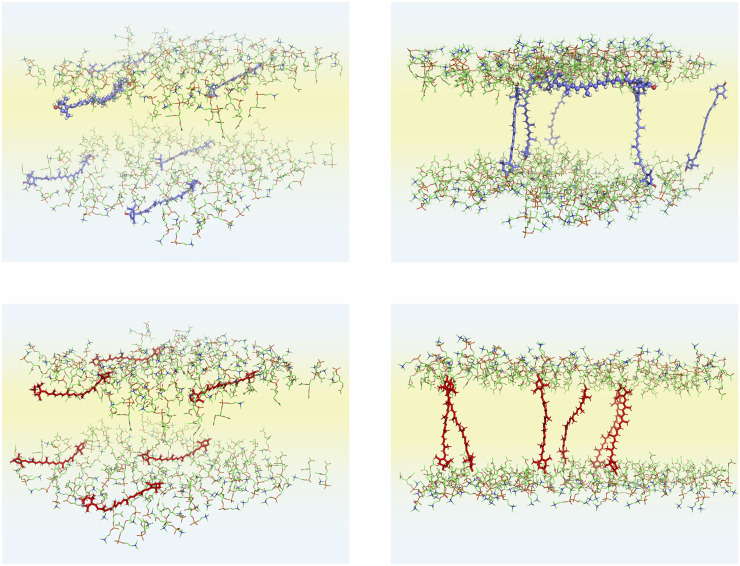
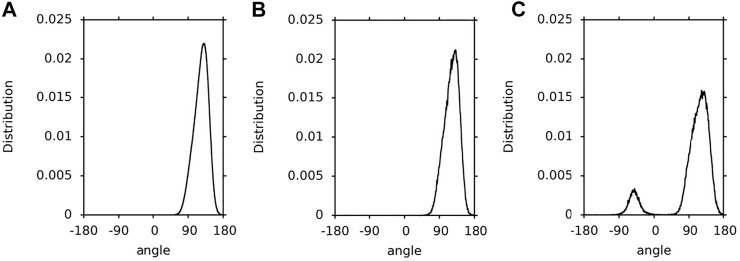
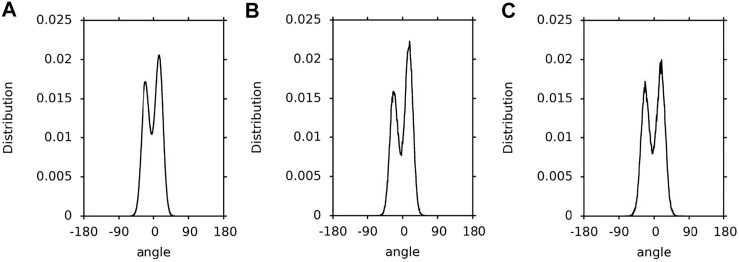
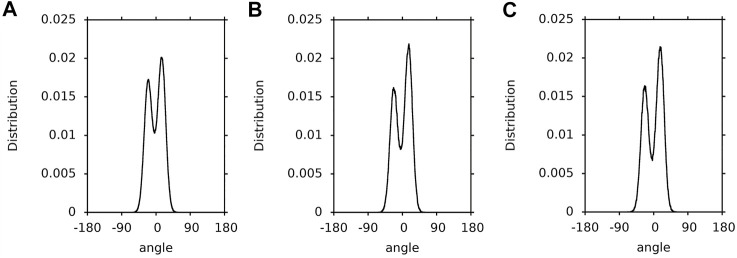
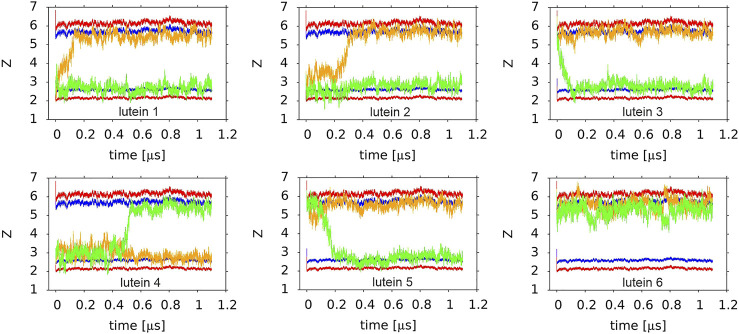
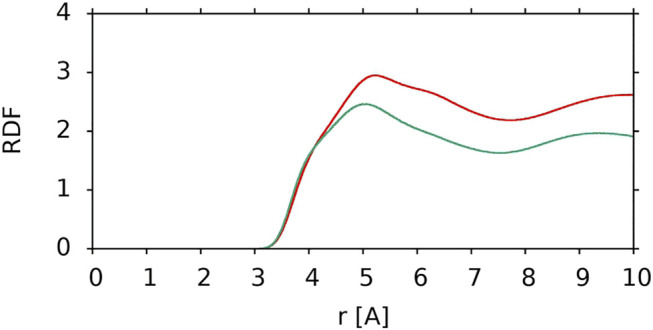
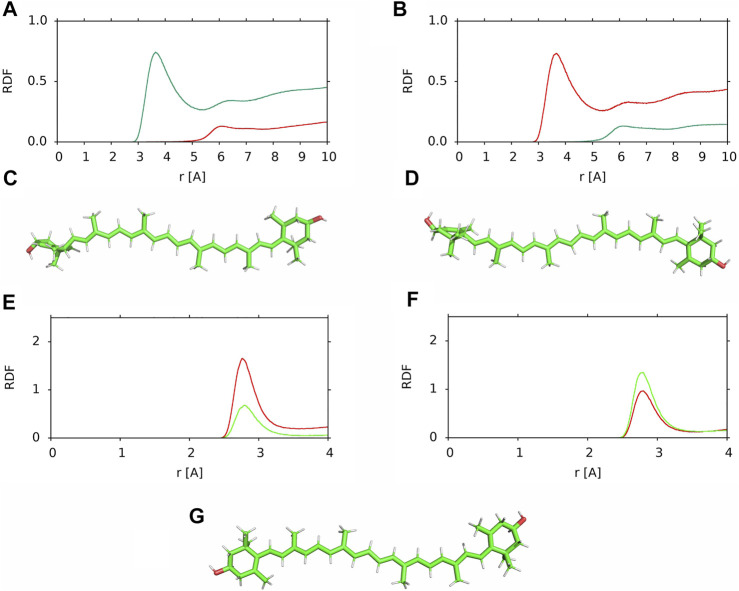
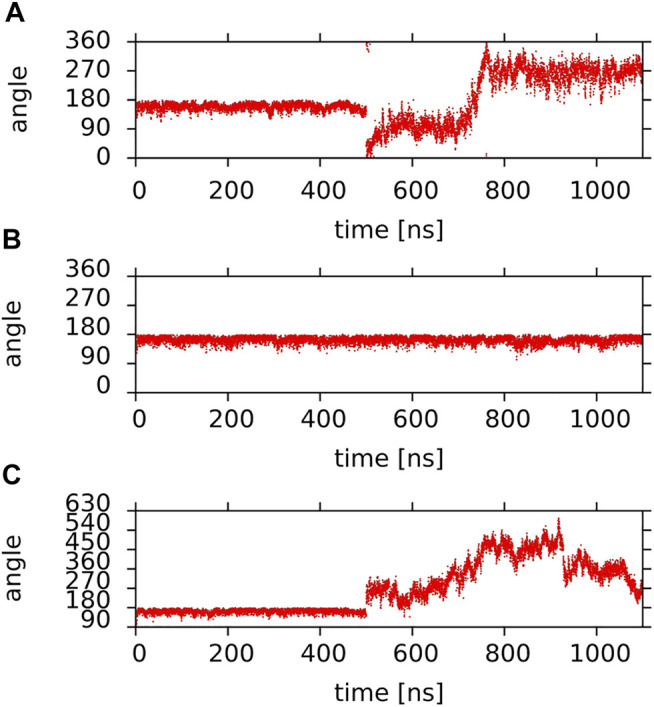
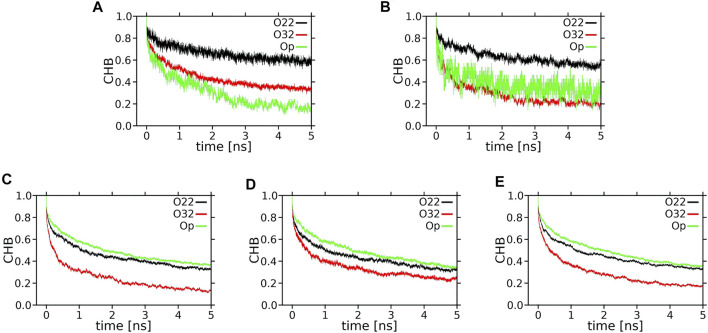
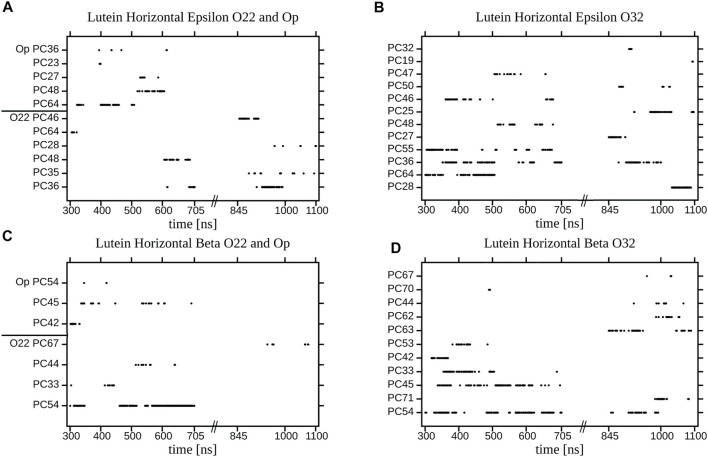
Lutein and zeaxanthin are two similar carotenoids of the xanthophyll subgroup. Carotenoids are synthesized almost entirely by plants but are also present in significant amounts in animals. They are essential components of the lipid matrix of biomembranes, and one of their functions is to protect cells from light radiation, free radicals and oxidative stress. Carotenoids, depending on their chemical structure, can locate at various positions and in different orientations in the bilayer. Xanthophylls (XAN) are polar and in the bilayer are positionally restricted. In the case of lutein and zeaxanthin, whose both ionone rings are hydroxy-substituted and as such are anchored in the lipid bilayer interfaces, the position is generally transmembrane. However, both experimental and computer modelling studies indicate that lutein can also locate horizontally below the bilayer interface. This location has never been observed for zeaxanthin. To find a molecular-level explanation for the difference in the orientations of the XAN molecules in the bilayer, a number of phosphatidylcholine-XAN bilayers were constructed and molecular dynamics (MD) simulated for 1.1 µs each. The all- XAN molecules were initially placed either parallel or perpendicular to the bilayer surface. With the exception of one lutein, the horizontally placed molecules adopted the transmembrane orientation within 100-600 ns. On the basis of detailed analyses of the XAN orientations and the numbers and lifetimes of their interactions in the bilayer, a plausible explanation is offered as to why a lutein molecule may remain in the horizontal orientation while zeaxanthin does not. Contrary to common believe, lutein horizontal orientation is not related to the -ring rotation around the C6'-C7' bond.
叶黄素和玉米黄质是叶黄素亚组中两种相似的类胡萝卜素。类胡萝卜素几乎完全由植物合成,但在动物体内也大量存在。它们是生物膜脂质基质的重要组成部分,其功能之一是保护细胞免受光辐射、自由基和氧化应激的影响。根据其化学结构,类胡萝卜素可以位于双层膜的不同位置和不同方向。叶黄素(XAN)具有极性,在双层膜中的位置受到限制。就叶黄素和玉米黄质而言,它们的两个紫罗酮环都被羟基取代,因此锚定在脂质双层界面中,其位置通常是跨膜的。然而,实验和计算机模拟研究均表明,叶黄素也可以水平位于双层膜界面下方。玉米黄质从未观察到这种位置。为了找到双层膜中XAN分子取向差异的分子水平解释,构建了多个磷脂酰胆碱-XAN双层膜,并分别进行了1.1微秒的分子动力学(MD)模拟。所有XAN分子最初均平行或垂直于双层膜表面放置。除了一个叶黄素分子外,水平放置的分子在100-600纳秒内采用了跨膜取向。基于对XAN取向及其在双层膜中相互作用的数量和寿命的详细分析,对为什么叶黄素分子可能保持水平取向而玉米黄质分子则不会提供了一个合理的解释。与普遍看法相反,叶黄素的水平取向与围绕C6'-C7'键的-环旋转无关。