Postgraduate Program in Medicine (Cardiology), Escola Paulista de Medicina, Federal University of São Paulo (EPM/UNIFESP), São Paulo 04021-001, Brazil.
Postgraduate Program in Rehabilitation Sciences, Faculty of Medicine, University of São Paulo (FMUSP), São Paulo 01246-903, Brazil.
Int J Environ Res Public Health. 2021 Oct 21;18(21):11065. doi: 10.3390/ijerph182111065.
Sedentary lifestyles are increasingly common amongst children, and insufficient physical activity is a global epidemic estimated to contribute to future incapacities and potential deaths.
We aimed to increase the amount of evidence concerning the effect of chronic exposure to exercise on heart rate variability in children and adolescents affected by obesity.
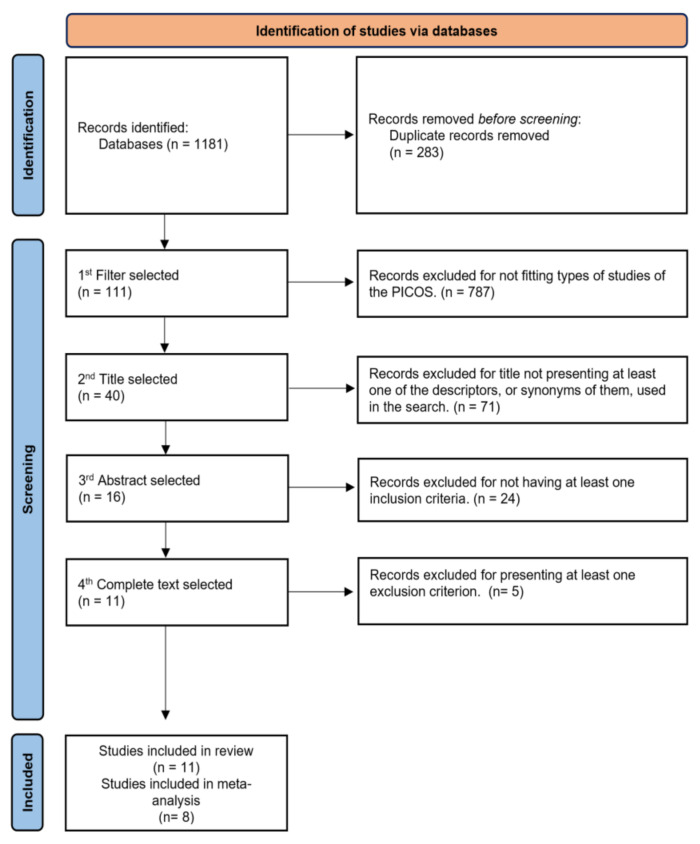
A systematic review commenced following the PRISMA guidelines developed by Web of Science, Virtual Health Library, PubMed, Cochrane Library, Embase, Ovid, Medline Complete, and Scopus using keywords obtained from the Descriptors in Health Sciences and Medical Subject Headlines (MeSH) terms. We considered (1) Population: Pediatric individuals affected by obesity; (2) Intervention: Exercise; (3) Control: Pre-intervention and sedentary; (4) Outcomes: Clearly presented primary parameters; and (5) Studies: Clinical trials, case controls, case reports, and case series.
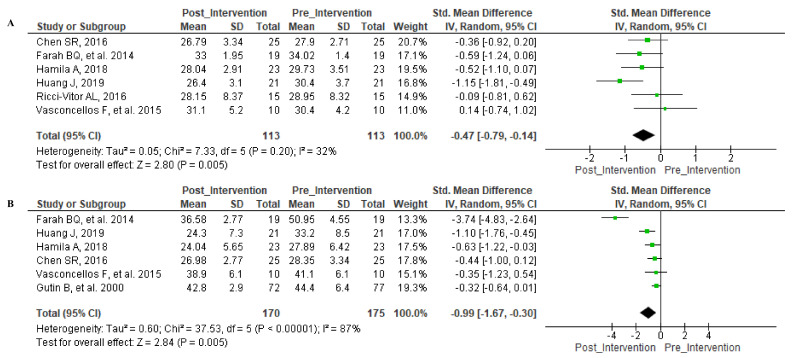
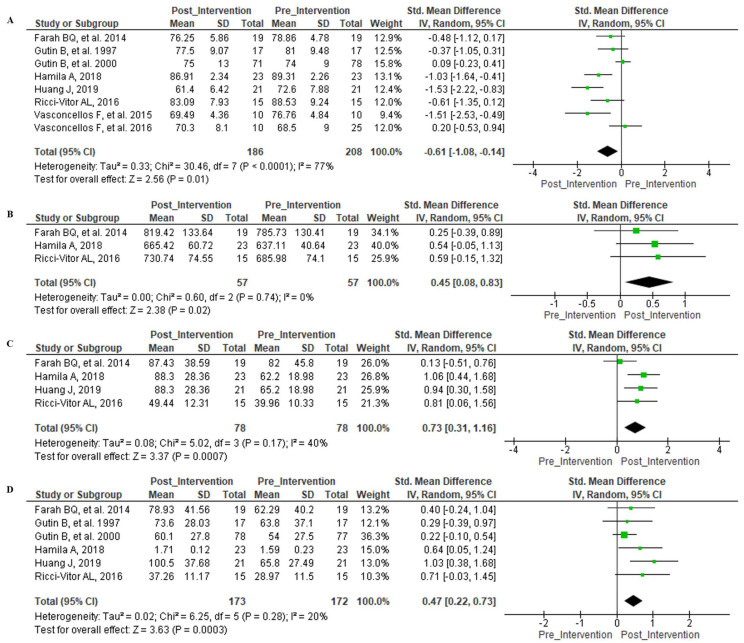
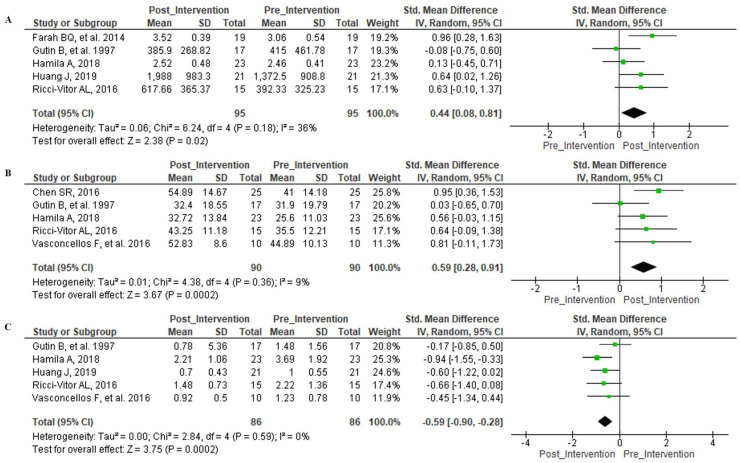
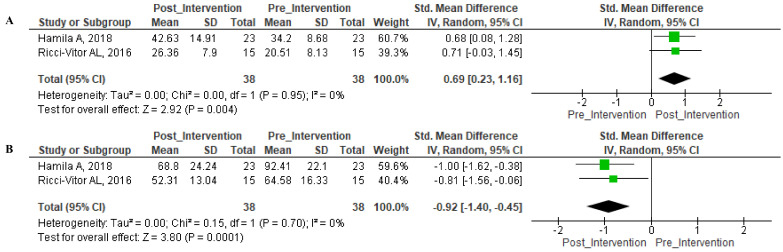
11 articles were involved and predominantly included procedures observed during approximately 12 weeks with a distribution of three sessions per week, each session being 30-60 min of aerobic exercise; additionally, the exercise grades were typically completed at a percentage of subjects' maximum heart rates. The meta-analyses displayed a significant effect on the domains of time (R-R interval, SDNN, rMSSD), frequency (HF ms, HF (n.u.), LF/HF), and the non-linear index (SD1).
Chronic exposure to exercise influences heart rate variability in children and adolescents affected by obesity by elevating the variability and parasympathetic activity and improving the sympathetic-vagal balance. Exercises should be recommended for the improvement of cardiac autonomic modulation to prevent the likelihood of further chronic diseases.
久坐的生活方式在儿童中越来越普遍,而体力活动不足是一种全球性的流行疾病,据估计会导致未来的残疾和潜在的死亡。
我们旨在增加关于肥胖儿童和青少年慢性暴露于运动对心率变异性影响的证据量。
根据 Web of Science、Virtual Health Library、PubMed、Cochrane Library、Embase、Ovid、Medline Complete 和 Scopus 开发的 PRISMA 指南,使用从健康科学描述符和医学主题词 (MeSH) 术语中获得的关键字,进行了系统评价。我们考虑了以下因素:(1)人群:患有肥胖症的儿科个体;(2)干预:运动;(3)对照:干预前和久坐;(4)结果:明确呈现的主要参数;(5)研究:临床试验、病例对照、病例报告和病例系列。
共纳入 11 篇文章,主要包括观察大约 12 周的程序,每周分配 3 次,每次 30-60 分钟的有氧运动;此外,运动等级通常以受试者最大心率的百分比完成。荟萃分析显示,时间(R-R 间期、SDNN、rMSSD)、频率(HF ms、HF(n.u.)、LF/HF)和非线性指数(SD1)域均有显著影响。
慢性运动暴露会影响肥胖儿童和青少年的心率变异性,增加变异性和副交感神经活动,改善交感神经-迷走神经平衡。应该推荐运动以改善心脏自主调节,防止进一步发生慢性疾病的可能性。