Beijing Rehabilitation Medicine Academy, Capital Medical University, Beijing, 100144, China.
Department of Neurological Rehabilitation, Beijing Rehabilitation Hospital, Capital Medical University, Beijing, 100144, China.
Mol Neurobiol. 2022 Feb;59(2):778-799. doi: 10.1007/s12035-021-02619-z. Epub 2021 Nov 13.
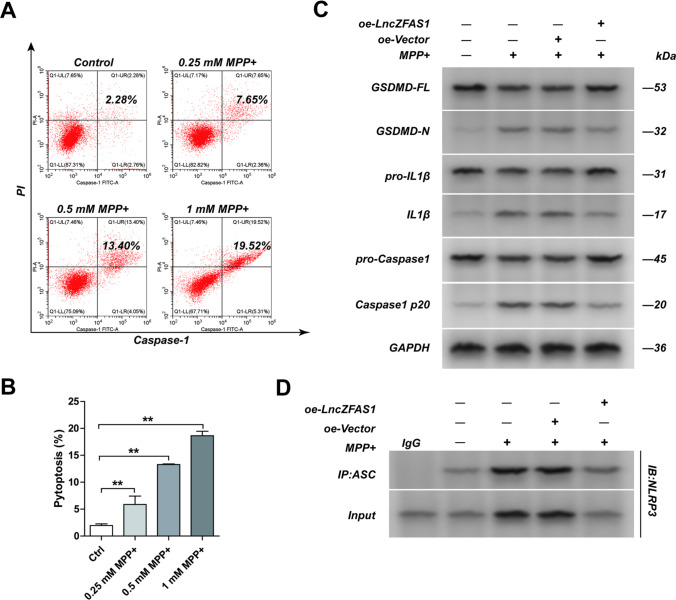
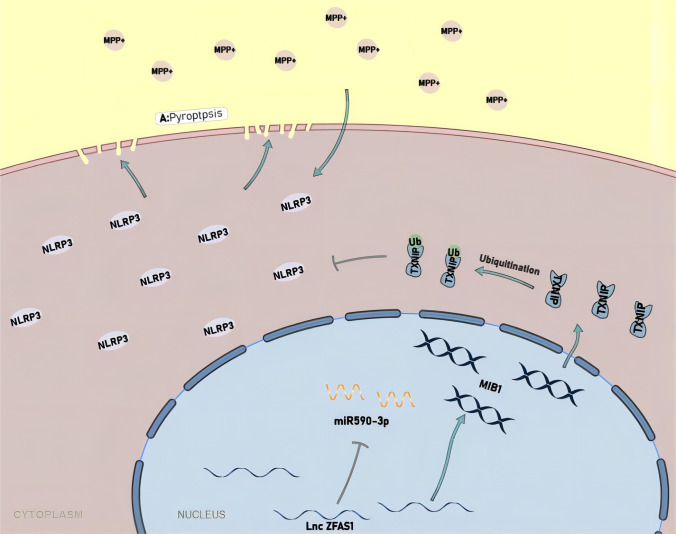
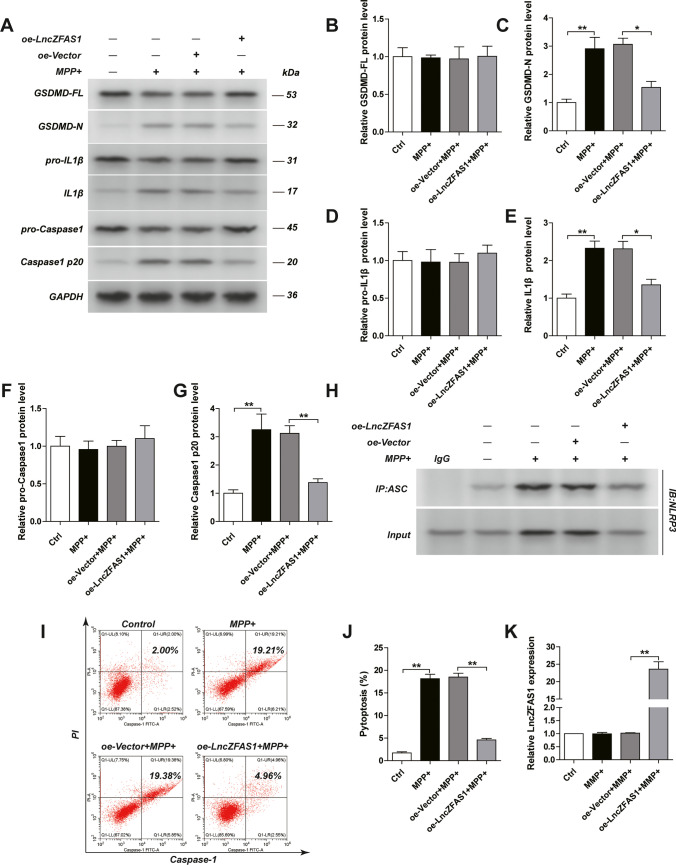
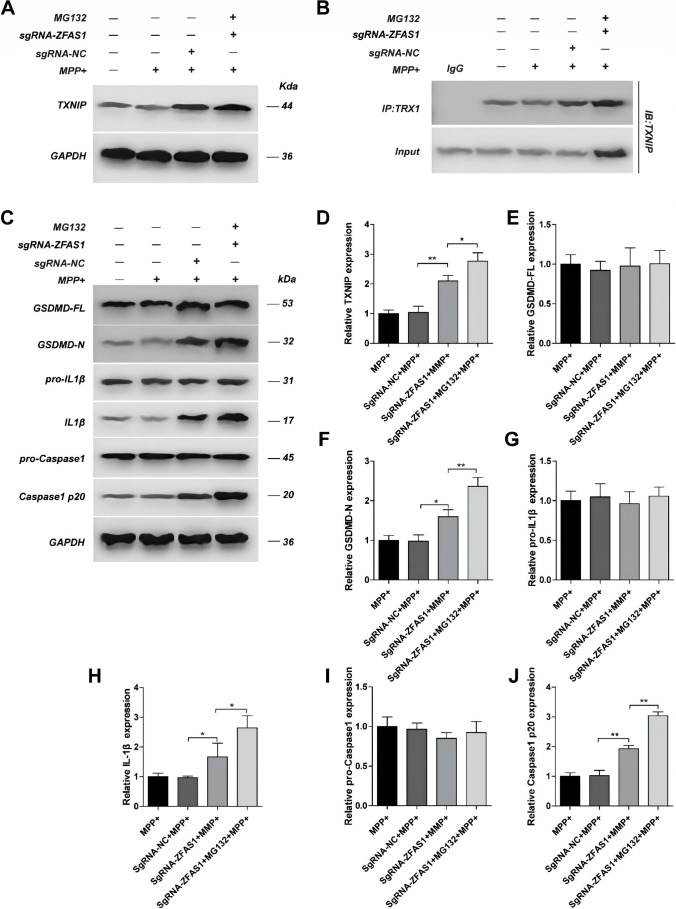
Parkinson's disease remains one of the leading neurodegenerative diseases in developed countries. Despite well-defined symptomology and pathology, the complexity of Parkinson's disease prevents a full understanding of its etiological mechanism. Mechanistically, α-synuclein misfolding and aggregation appear to be central for disease progression, but mitochondrial dysfunction, dysfunctional protein clearance and ubiquitin/proteasome systems, and neuroinflammation have also been associated with Parkinson's disease. Particularly, neuroinflammation, which was initially thought to be a side effect of Parkinson's disease pathogenesis, has now been recognized as driver of Parkinson's disease exacerbation. Next-generation sequencing has been used to identify a plethora of long noncoding RNAs (lncRNA) with important transcriptional regulatory functions. Moreover, a myriad of lncRNAs are known to be regulators of inflammatory signaling and neurodegenerative diseases, including IL-1β secretion and Parkinson's disease. Here, LncZFAS1 was identified as a regulator of inflammasome activation, and pyroptosis in human neuroblast SH-SY5Y cells following MPP treatment, a common in vitro Parkinson's disease cell model. Mechanistically, TXNIP ubiquitination through MIB1 E3 ubiquitin ligase regulates NLRP3 inflammasome activation in neuroblasts. In contrast, MPP activates the NLPR3 inflammasome through miR590-3p upregulation and direct interference with MIB1-dependent TXNIP ubiquitination. LncZFAS overexpression inhibits this entire pathway through direct interference with miR590-3p, exposing a novel research idea regarding the mechanism of Parkinson's disease.
帕金森病仍然是发达国家中主要的神经退行性疾病之一。尽管有明确的症状学和病理学,但帕金森病的复杂性阻止了对其病因机制的全面理解。从机制上讲,α-突触核蛋白的错误折叠和聚集似乎是疾病进展的核心,但线粒体功能障碍、功能蛋白清除和泛素/蛋白酶体系统以及神经炎症也与帕金森病有关。特别是神经炎症,最初被认为是帕金森病发病机制的副作用,现在已被认为是帕金森病恶化的驱动因素。下一代测序已被用于鉴定具有重要转录调节功能的大量长非编码 RNA(lncRNA)。此外,许多 lncRNA 已知是炎症信号和神经退行性疾病的调节剂,包括 IL-1β 分泌和帕金森病。在这里,LncZFAS1 被鉴定为人类神经母细胞瘤 SH-SY5Y 细胞中 MPP 处理后炎症小体激活和细胞焦亡的调节剂,MPP 是一种常见的体外帕金森病细胞模型。从机制上讲,TXNIP 通过 MIB1 E3 泛素连接酶的泛素化调节神经母细胞中 NLRP3 炎症小体的激活。相比之下,MPP 通过 miR590-3p 的上调和直接干扰 MIB1 依赖性 TXNIP 泛素化来激活 NLPR3 炎症小体。LncZFAS 的过表达通过直接干扰 miR590-3p 抑制了整个通路,这为帕金森病的发病机制提供了一个新的研究思路。