Belhadi Amine, Kamble Sachin S, Mani Venkatesh, Benkhati Imane, Touriki Fatima Ezahra
Cadi Ayyad University, Marrakech, Morocco.
EDHEC Business School, Roubaix, France.
Ann Oper Res. 2021 Nov 9:1-29. doi: 10.1007/s10479-021-04366-9.
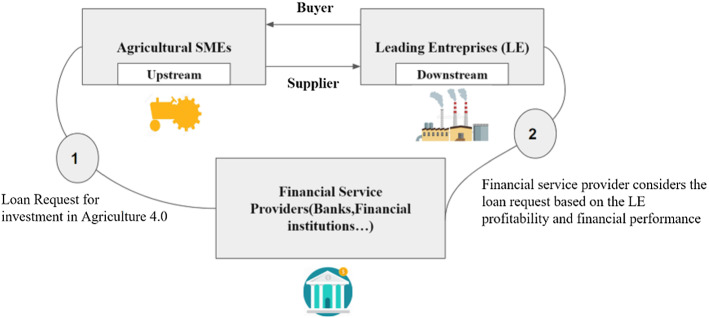
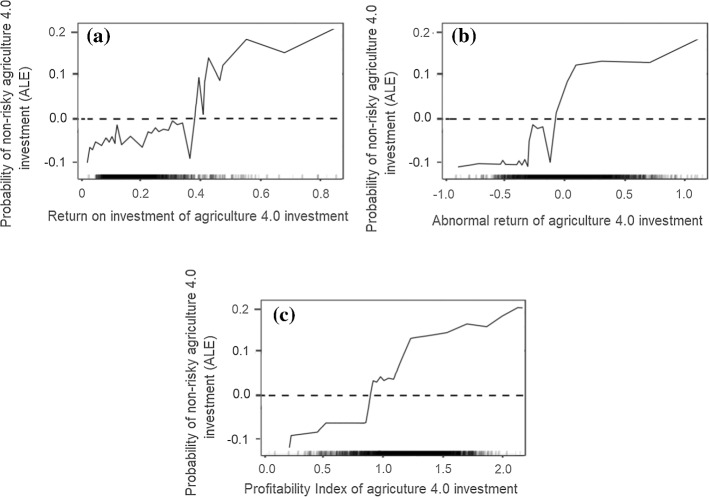
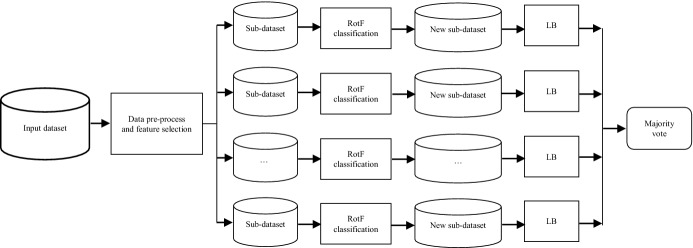
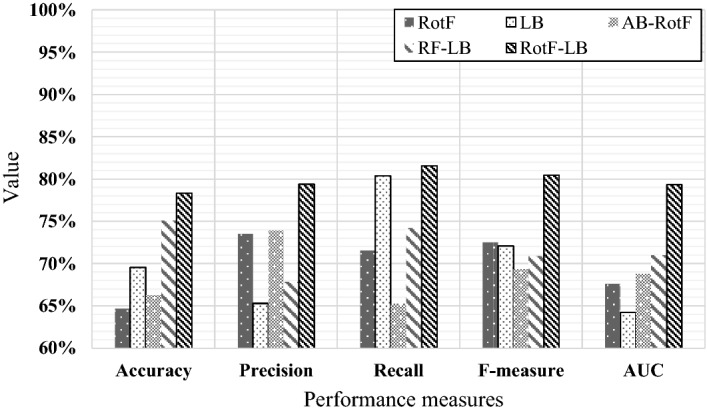
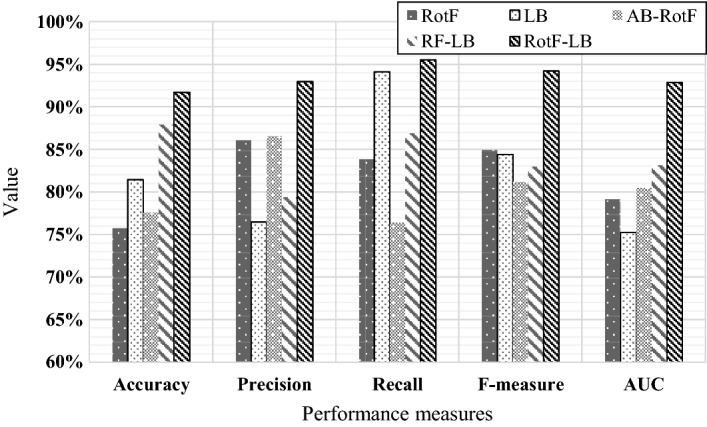
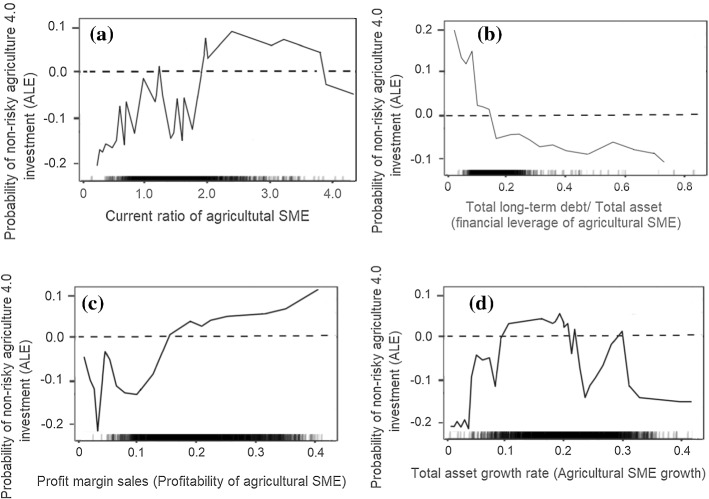
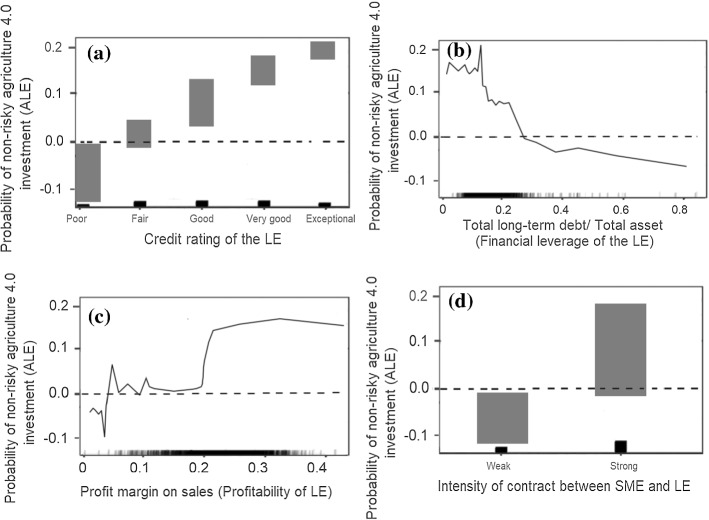
Credit risk imposes itself as a significant barrier of agriculture 4.0 investments in the supply chain finance (SCF) especially for Small and Medium-sized Enterprises. Therefore, it is important for financial service providers (FSPs) to differentiate between low- and high-quality SMEs to accurately forecast the credit risk. This study proposes a novel hybrid ensemble machine learning approach to forecast the credit risk associated with SMEs' agriculture 4.0 investments in SCF. Two core approaches were used, i.e., Rotation Forest algorithm and Logit Boosting algorithm. Key variables influencing the credit risk of agriculture 4.0 investments in SMEs were identified and evaluated using data collected from 216 agricultural SMEs, 195 Leading Enterprises and 104 FSPs operating in African agriculture sector. Besides the classical measures of credit risk assessment without involving SCF, the findings indicate that current ratio, financial leverage, profit margin on sales and growth rate of the agricultural SME are the upmost important variables that SCF actors need to focus on, in order to accurately and optimistically forecast and alleviate credit risk. The output of our study provides useful guidelines for SMEs, as it highlights the conditions under which they would be seen as creditworthy by FSPs. On the other hand, this study encourages the wide application of SCF in financing agriculture 4.0 investments. Due to the model's performance, credit risk forecasting accuracy is improved, which results in future savings and credit risk mitigation in agriculture 4.0 investments of SMEs in SCF.
信用风险已成为农业4.0在供应链金融(SCF)领域投资的重大障碍,对中小企业而言尤为如此。因此,金融服务提供商(FSP)区分低质量和高质量中小企业以准确预测信用风险至关重要。本研究提出了一种新颖的混合集成机器学习方法,用于预测与中小企业在农业4.0的供应链金融投资相关的信用风险。使用了两种核心方法,即旋转森林算法和逻辑斯蒂提升算法。利用从非洲农业部门运营的216家农业中小企业、195家龙头企业和104家金融服务提供商收集的数据,识别并评估了影响中小企业农业4.0投资信用风险的关键变量。除了不涉及供应链金融的传统信用风险评估指标外,研究结果表明,流动比率、财务杠杆、销售利润率和农业中小企业的增长率是供应链金融参与者需要重点关注的最重要变量,以便准确且乐观地预测和缓解信用风险。我们的研究结果为中小企业提供了有用的指导方针,因为它突出了金融服务提供商将其视为有信用价值的条件。另一方面,本研究鼓励在农业4.0投资融资中广泛应用供应链金融。由于该模型的性能,信用风险预测准确性得到提高,从而为中小企业在供应链金融中的农业4.0投资带来未来的储蓄并降低信用风险。