Zhang Juan, Ma Yeye, Zhang Yue, Niu Sijia, Chu Maolin, Zhang Zhiyi
Department of Rheumatology, The First Affiliated Hospital, Harbin Medical University, Harbin, China.
Department of Urology, The Second Affiliated Hospital, Harbin Medical University, Harbin, China.
Front Pharmacol. 2021 Oct 27;12:751667. doi: 10.3389/fphar.2021.751667. eCollection 2021.
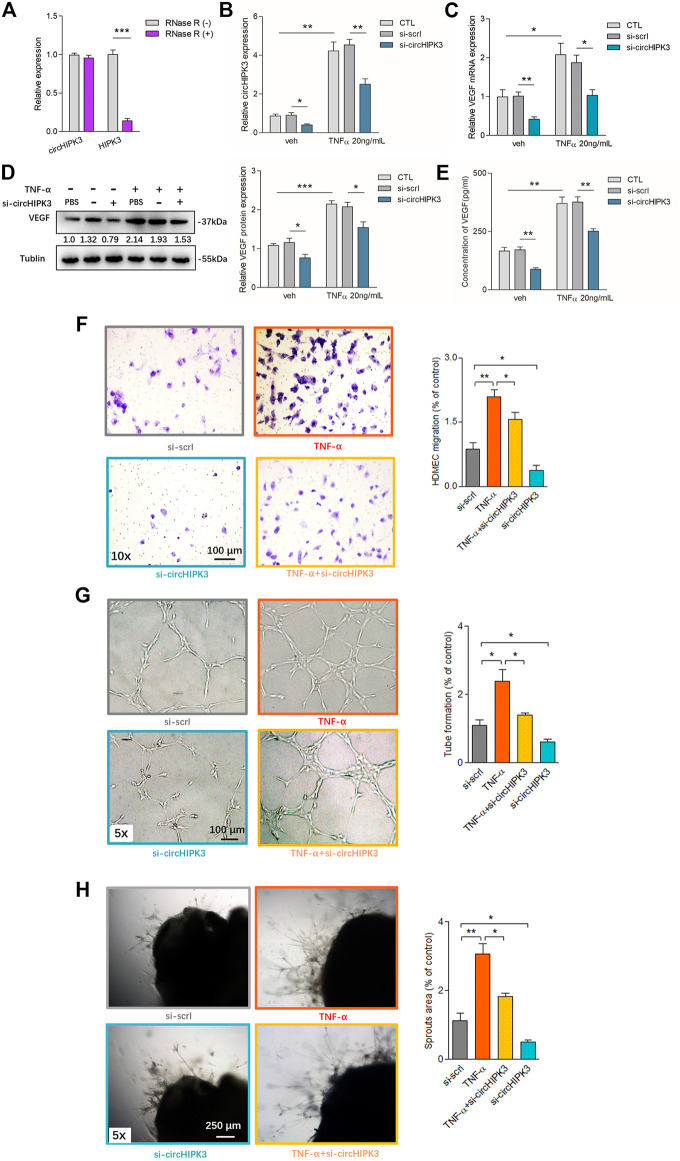
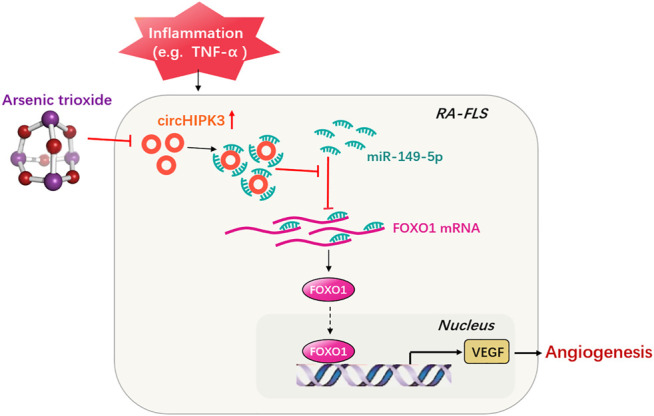
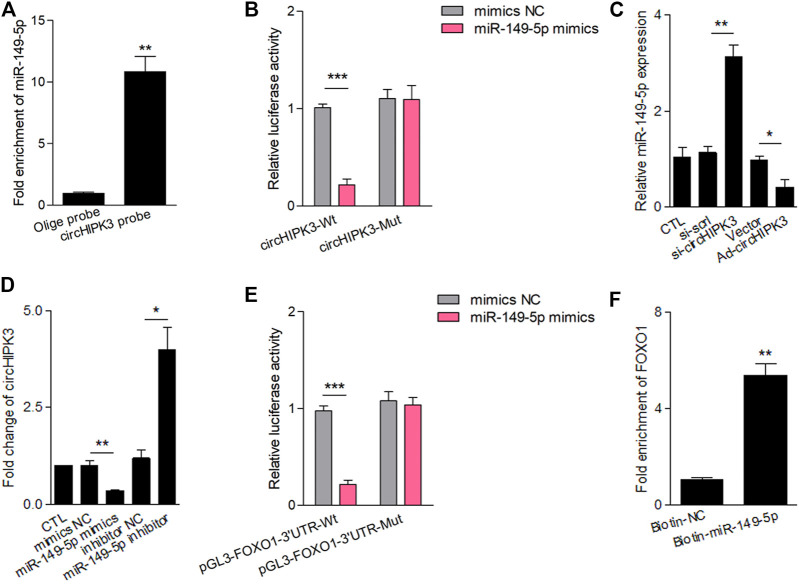
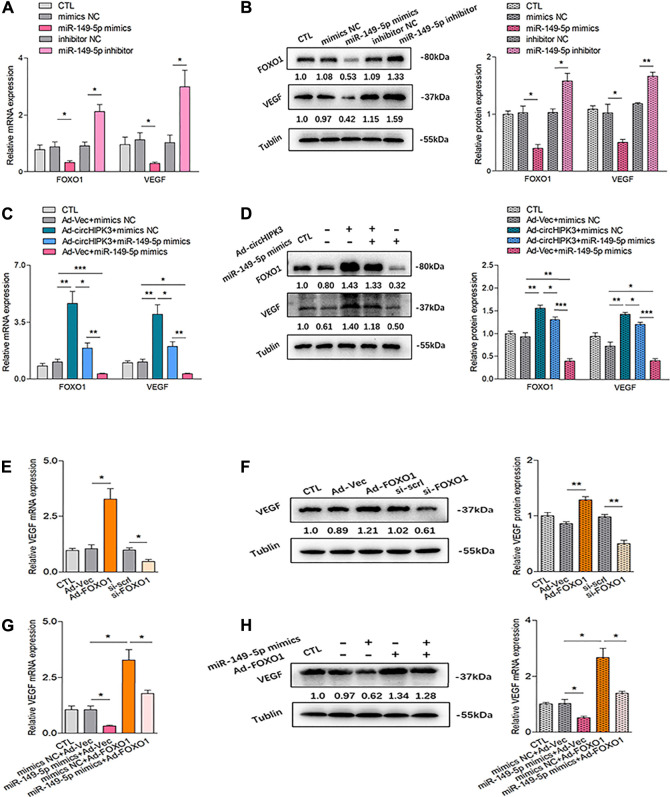
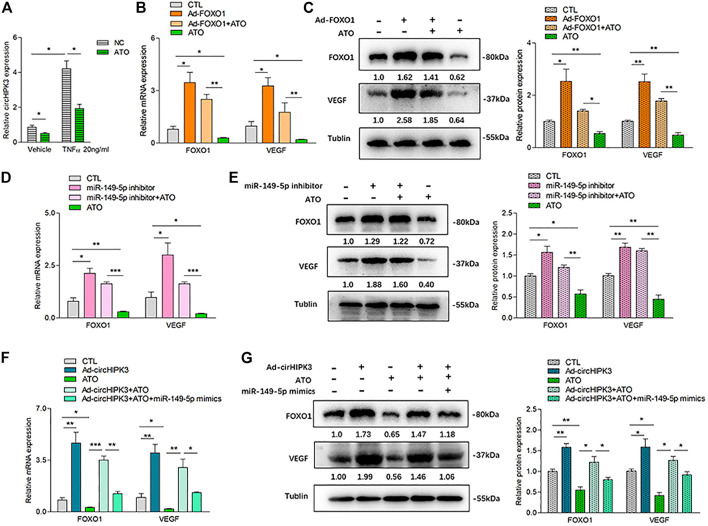
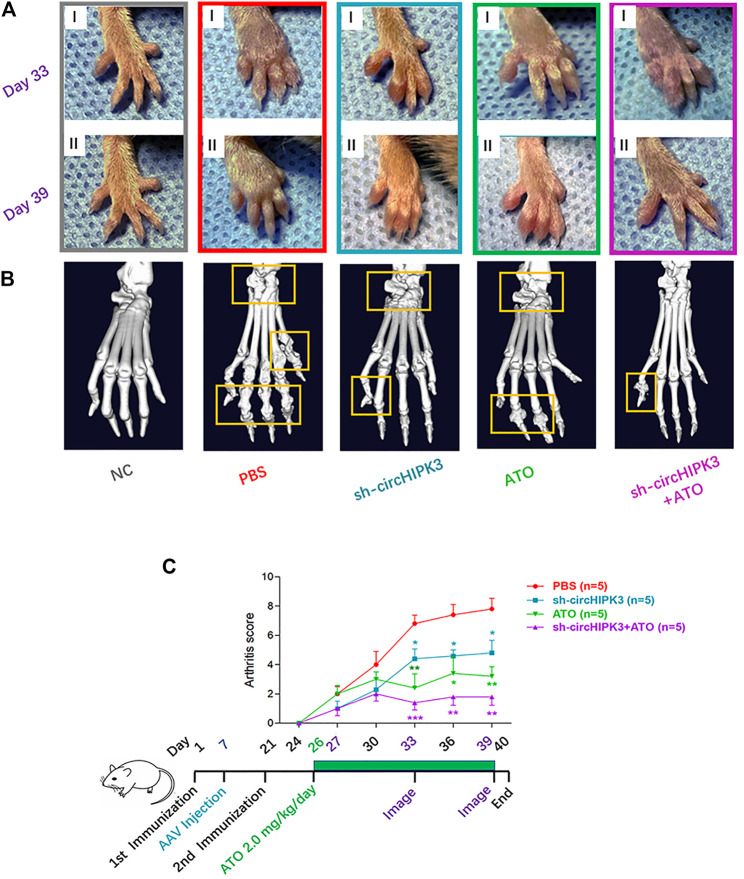
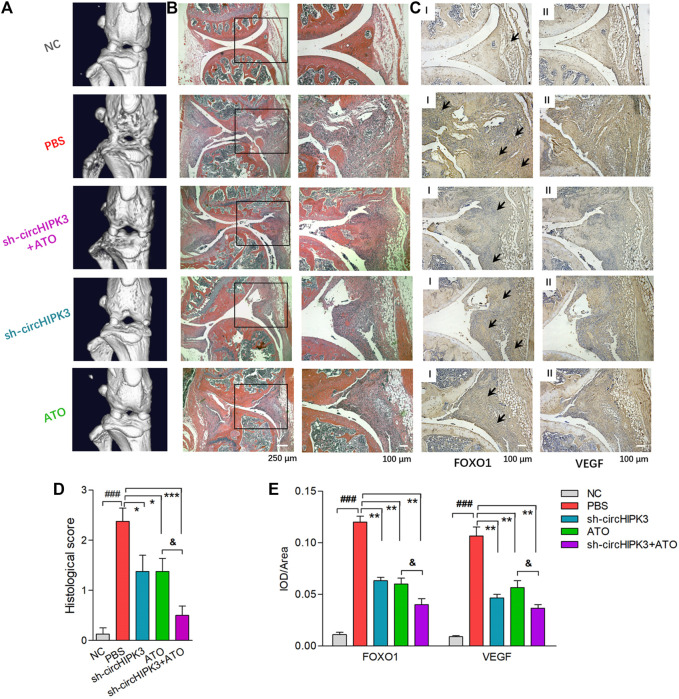
Angiogenesis is a crucial event in the pathogenesis of rheumatoid arthritis (RA). Arsenic trioxide (ATO, AsO) has been reported to inhibit synovial angiogenesis the vascular endothelial growth factor (VEGF)-centered functional module. However, the exact mechanisms of ATO on VEGF modulation remain unclear. Circular RNAs (circRNAs) are emerging as important regulators in RA, and the detailed mechanisms remain largely unknown. Here, we reported a circRNA (circHIPK3), the expression of which was significantly increased in RA fibroblast-like synoviocytes (RA-FLS) after TNF-α induction. Moreover, VEGF content in the supernatants of a RA-FLS and human dermal microvascular endothelial cell (HDMEC) co-culture as well as in RA-FLS co-cultured was significantly elevated in accordance with circHIPK3 levels. This increased VEGF expression may significantly upregulate endothelial tube formation and transwell migration, as well as microvessel sprouting in the aortic ring assay. CircHIPK3 was further illustrated to be a sponge for the forkhead box transcription factor O1 (FOXO1)-targeting miR-149-5p, leading to the changing expression of the downstream VEGF. These networked factors mainly form a functional module regulating angiogenesis in RA-FLS, and the expression of this functional module could be significantly downregulated by ATO with a consistently reduced vascularity . In the collagen-induced arthritis (CIA) mice model, an intra-articular injection of the adeno-associated virus-si-circHIPK3 or ATO was demonstrated to alleviate the synovial VEGF expression and arthritis severity respectively. Thus, we elucidate a previously unknown mechanism between circRNAs and RA, and ATO has a significant protective effect on RA-FLS and CIA synovium its inhibition of the angiogenic functional module of circHIPK3/miR-149-5p/FOXO1/VEGF, suggesting great potential for the combination therapy of ATO with circHIPK3 silencing.
血管生成是类风湿性关节炎(RA)发病机制中的一个关键事件。据报道,三氧化二砷(ATO,AsO)可抑制滑膜血管生成以及以血管内皮生长因子(VEGF)为中心的功能模块。然而,ATO对VEGF调节的确切机制仍不清楚。环状RNA(circRNAs)正成为RA中的重要调节因子,但其详细机制在很大程度上仍不为人知。在此,我们报道了一种环状RNA(circHIPK3),其在肿瘤坏死因子-α诱导后的RA成纤维样滑膜细胞(RA-FLS)中表达显著增加。此外,与circHIPK3水平一致,RA-FLS与人类真皮微血管内皮细胞(HDMEC)共培养上清液以及RA-FLS共培养物中的VEGF含量显著升高。这种增加的VEGF表达可能显著上调内皮管形成和transwell迁移,以及主动脉环试验中的微血管芽生。CircHIPK3进一步被证明是靶向叉头框转录因子O1(FOXO1)的miR-149-5p的海绵,导致下游VEGF表达的改变。这些相互关联的因子主要形成一个调节RA-FLS血管生成的功能模块,并且ATO可显著下调该功能模块的表达,同时血管生成持续减少。在胶原诱导性关节炎(CIA)小鼠模型中,关节内注射腺相关病毒-si-circHIPK3或ATO分别被证明可减轻滑膜VEGF表达和关节炎严重程度。因此,我们阐明了circRNAs与RA之间以前未知的机制,并且ATO对RA-FLS和CIA滑膜具有显著的保护作用,其通过抑制circHIPK3/miR-149-5p/FOXO1/VEGF的血管生成功能模块,提示ATO与circHIPK3沉默联合治疗具有巨大潜力。