McMaster Immunology Research Centre, Department of Pathology and Molecular Medicine, McMaster University, Hamilton, ON, Canada.
Triumvira Immunologics, Hamilton, On, Canada.
Oncoimmunology. 2021 Nov 9;10(1):1995168. doi: 10.1080/2162402X.2021.1995168. eCollection 2021.
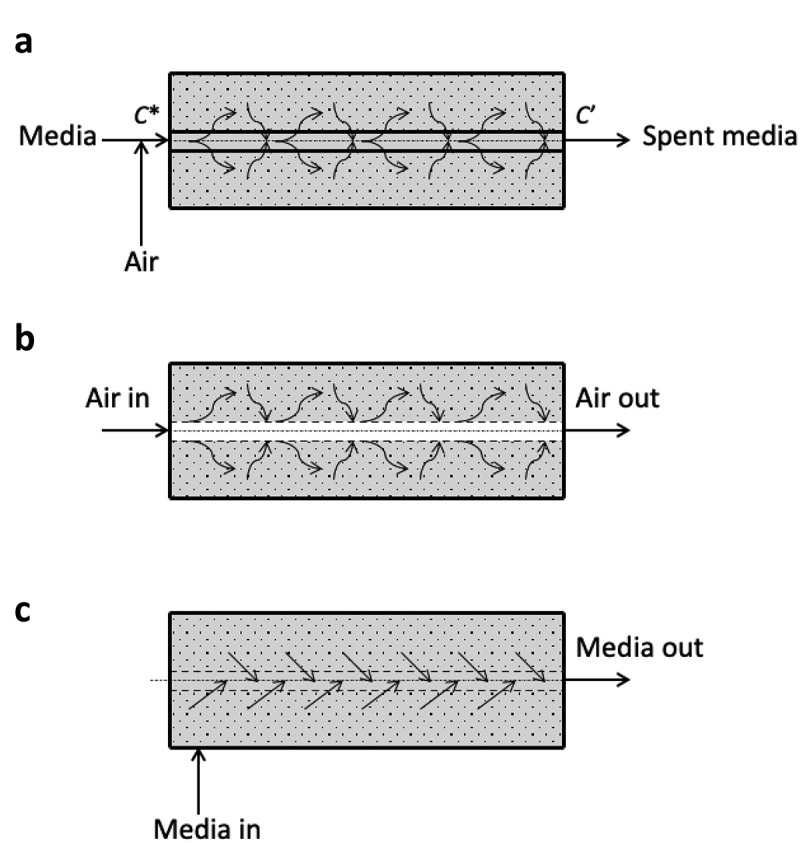
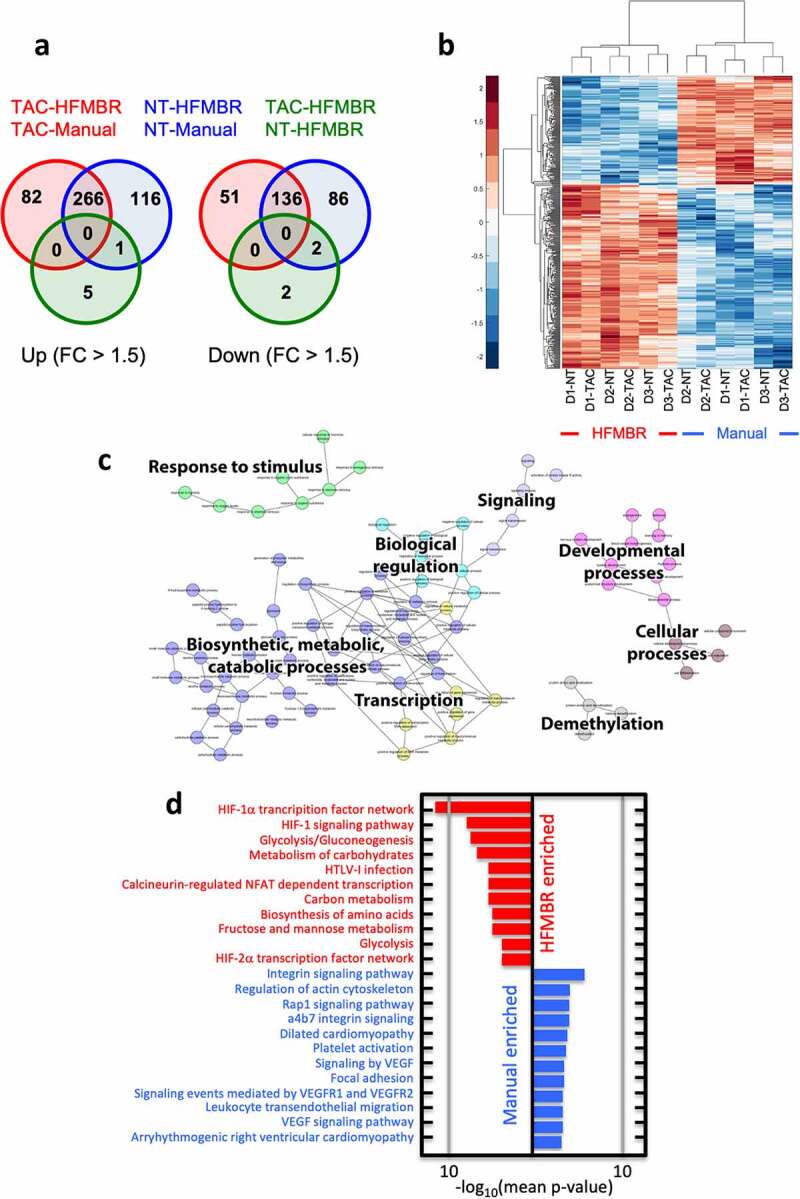
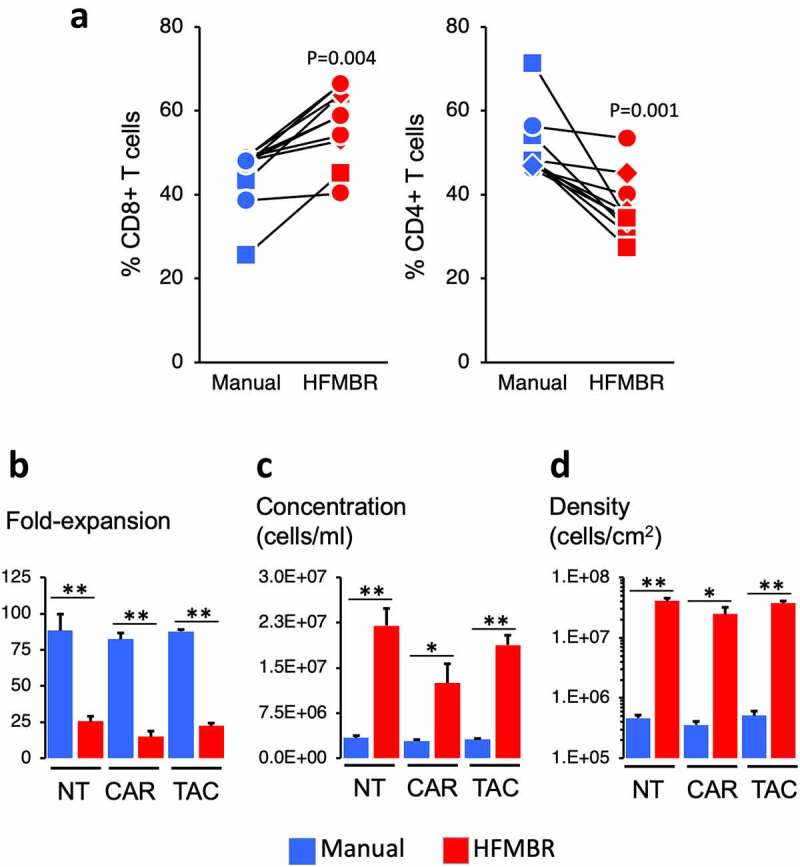
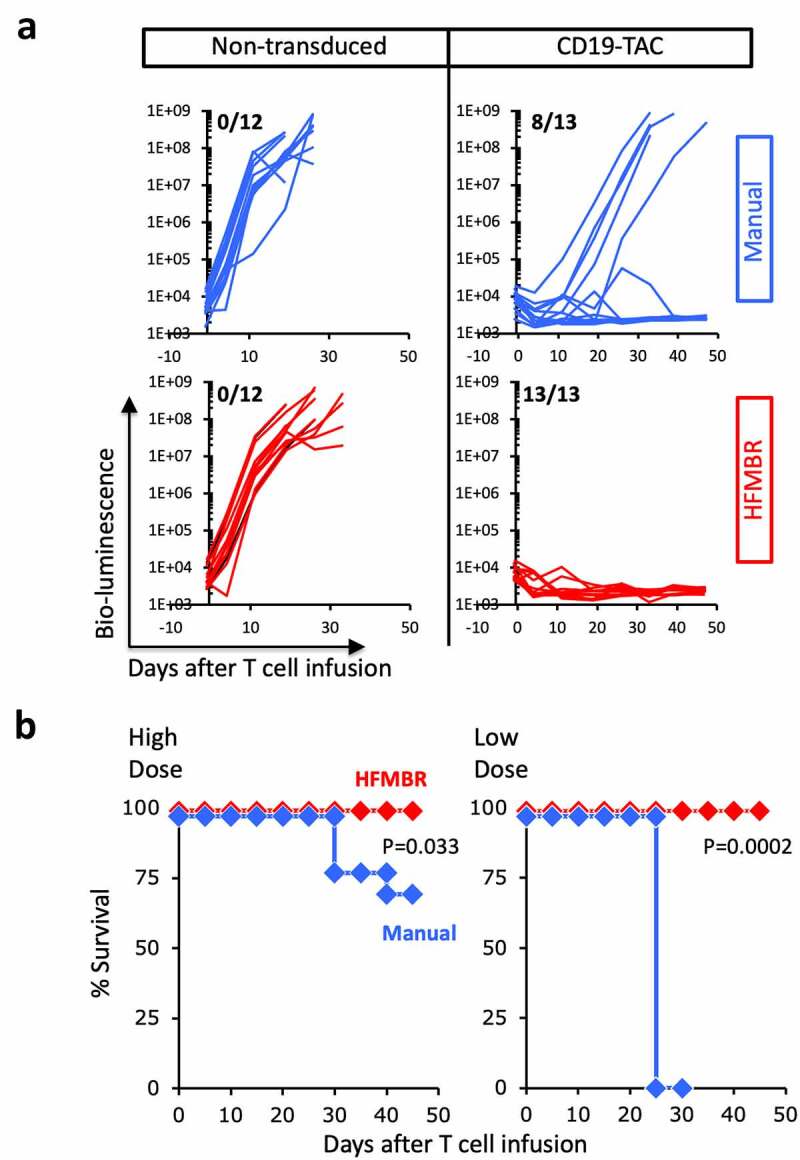
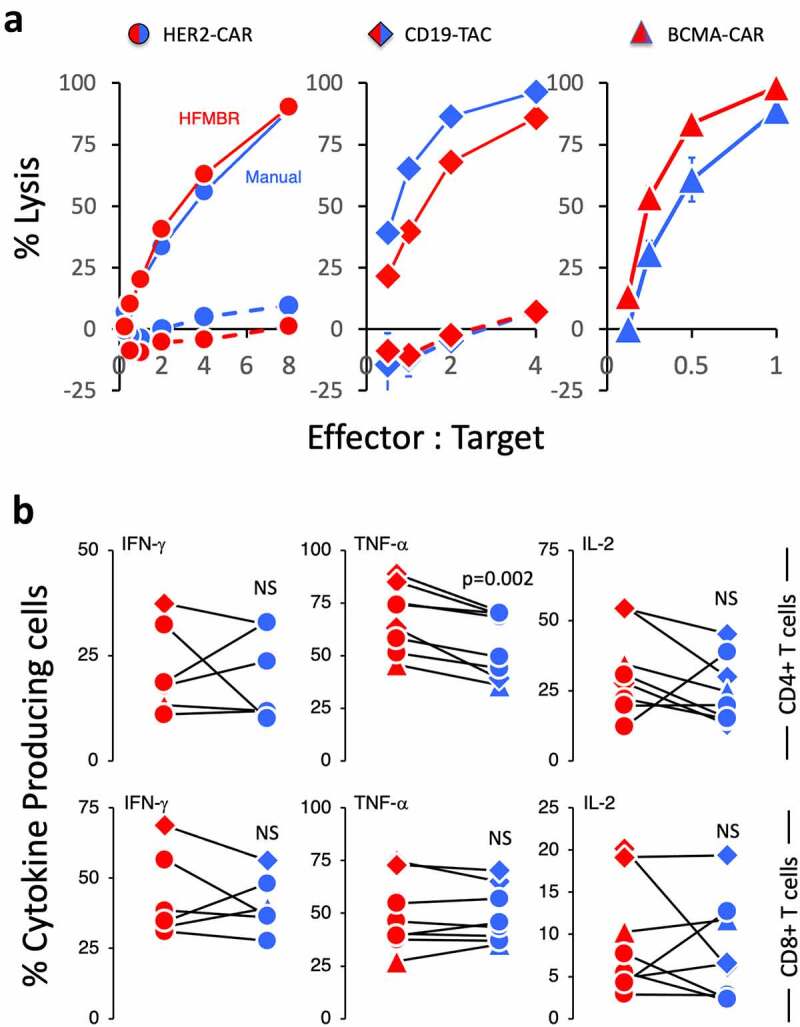
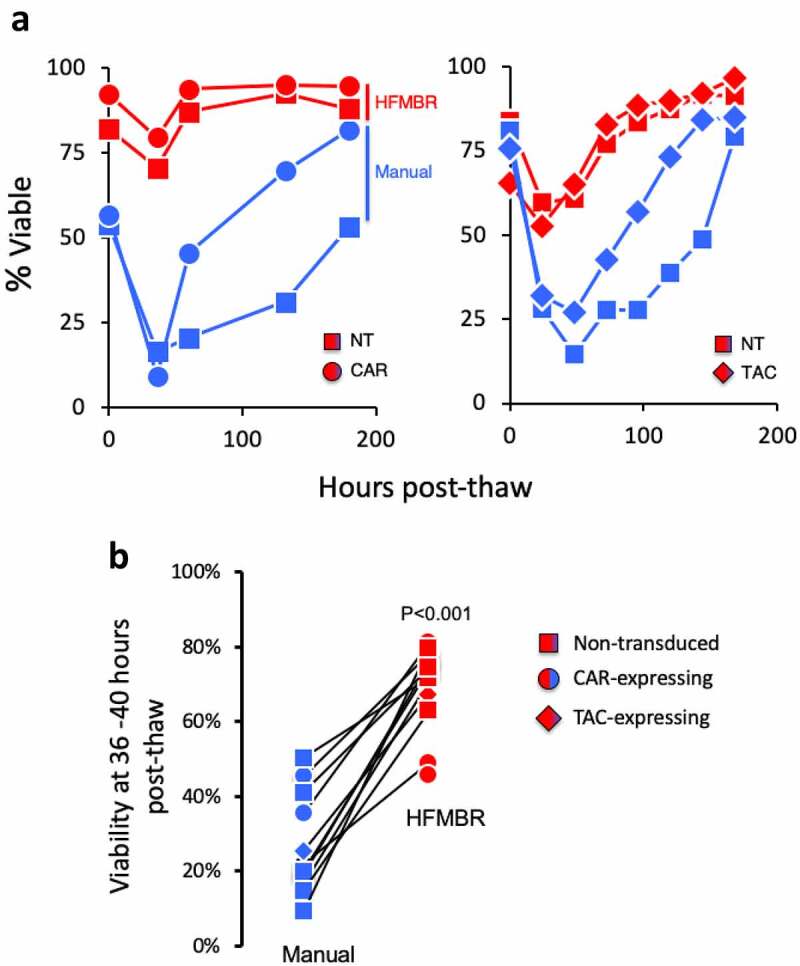
Engineered T cell therapies have revolutionized modern oncology, however processes for manufacturing T cell therapies vary and the impact of manufacturing processes On the cell product is poorly understood. Herein, we have used a commercially available hollow fiber membrane bioreactor (HFMBR) operated in a novel mode to demonstrate that T cells can be engineered with lentiviruses, grown to very high densities, and washed and harvested in a single, small volume bioreactor that is readily amenable to automation. Manufacturing within the HFMBR dramatically changed the programming of the T cells and yielded a product with greater therapeutic potency than T cells produced using the standard manual method. This change in programming was associated with increased resistance to cryopreservation, which is beneficial as T cell products are typically cryopreserved prior to administration to the patient. Transcriptional profiling of the T cells revealed a shift toward a glycolytic metabolism, which may protect cells from oxidative stress offering an explanation for the improved resistance to cryopreservation. This study reveals that the choice of bioreactor fundamentally impacts the engineered T cell product and must be carefully considered. Furthermore, these data challenge the premise that glycolytic metabolism is detrimental to T cell therapies.
工程化 T 细胞疗法彻底改变了现代肿瘤学,然而,T 细胞疗法的制造工艺各不相同,其制造工艺对细胞产品的影响也知之甚少。在此,我们使用了一种市售的中空纤维膜生物反应器(HFMBR),以一种新颖的模式进行操作,证明可以用慢病毒对 T 细胞进行工程改造,使其在单个小体积生物反应器中生长到非常高的密度,并进行洗涤和收获,该生物反应器非常适合自动化。HFMBR 内的制造过程极大地改变了 T 细胞的编程,并产生了比使用标准手动方法生产的 T 细胞具有更高治疗效力的产品。这种编程上的改变与对冷冻保存的抵抗力增强有关,这是有益的,因为 T 细胞产品通常在施用于患者之前进行冷冻保存。对 T 细胞的转录谱分析显示,代谢向糖酵解方向转变,这可能保护细胞免受氧化应激,为提高冷冻保存的抵抗力提供了一种解释。这项研究表明,生物反应器的选择从根本上影响了工程化 T 细胞产品,必须仔细考虑。此外,这些数据挑战了糖酵解代谢对 T 细胞疗法有害的前提。