Yehudina Yelyzaveta, Trypilka Svitlana
Rheumatology, Institute of rheumatology, Kyiv, UKR.
Rheumatologist Policlinic, Communal Non-Commercial Enterprise of Kharkov Regional Council "Regional Clinical Hospital", Kharkiv, UKR.
Cureus. 2021 Oct 10;13(10):e18648. doi: 10.7759/cureus.18648. eCollection 2021 Oct.
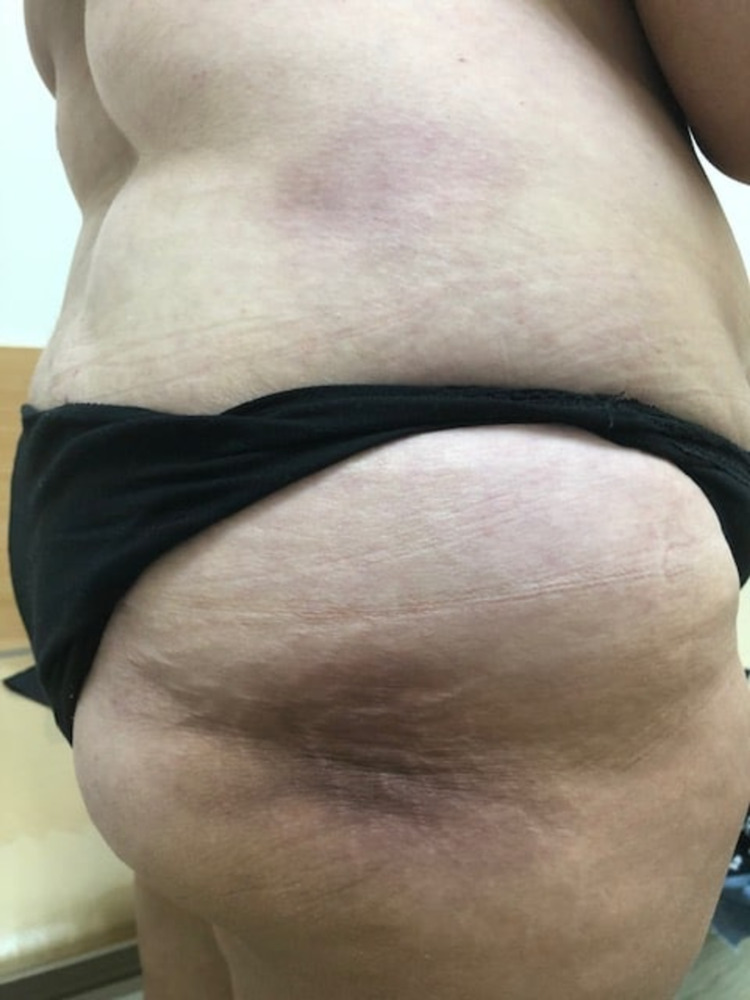
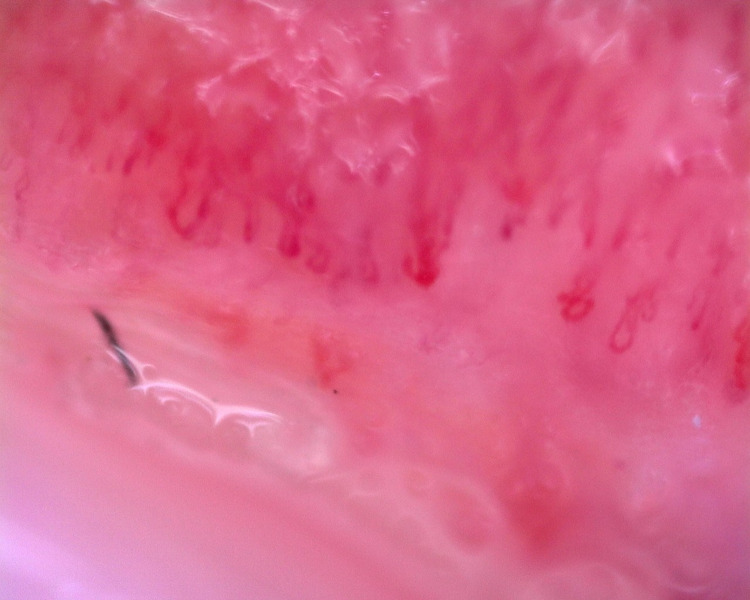
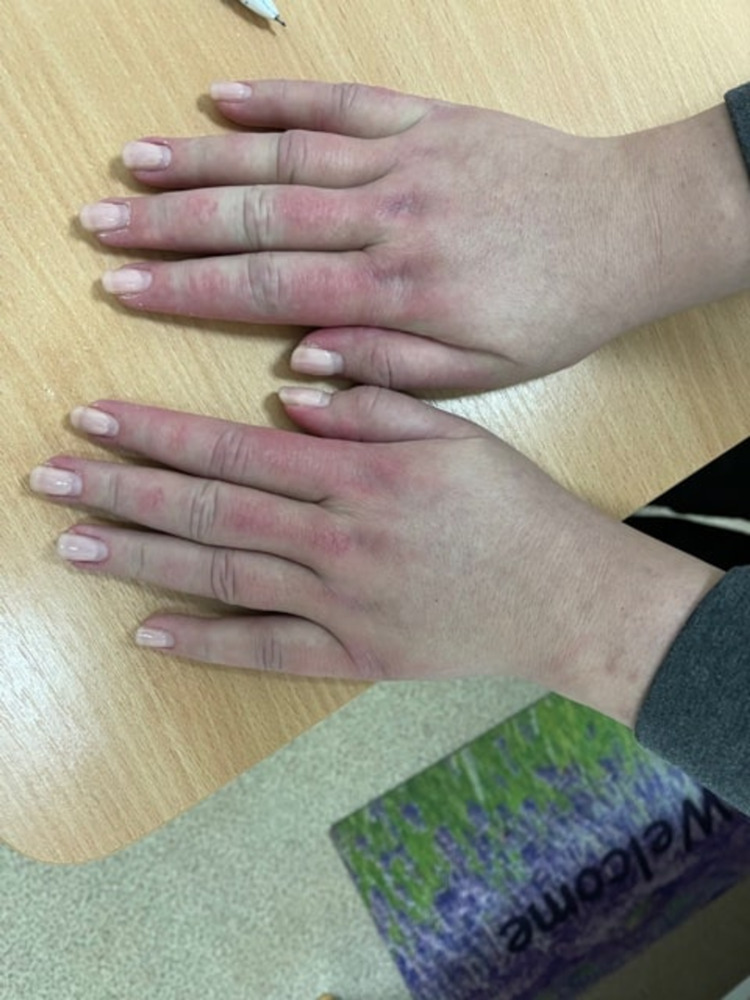
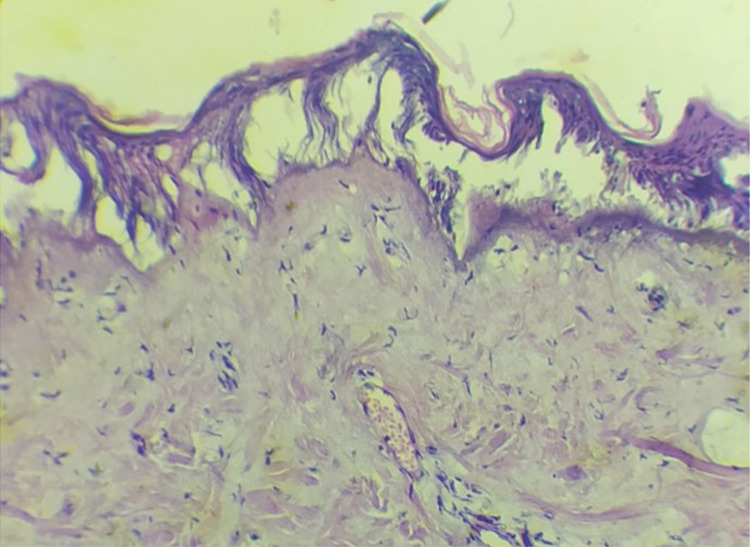
Lyme disease (LD), also known as Lyme borreliosis, is a zoonotic disease caused by the Gram-negative bacteria Borrelia burgdorferi sensu lato belonging to the Spirochaetaceae family. Differentiating LD from other systemic disorders that present with musculoskeletal symptoms is challenging, and the presence of antibodies to borrelia in the general population may contribute to misdiagnosis. Moreover, long-term exposure of the host's immune system to spirochetes can contribute to the development of chronic autoimmune disease de novo. We report a 35-year-old woman with a combination of LD and systemic lupus erythematosus (SLE), and in this case, LD was the most likely trigger for SLE. We also performed a literature review and summarized the previously reported cases with a combination of LD and autoimmune disease.
莱姆病(LD),也称为莱姆疏螺旋体病,是一种由属于螺旋体科的革兰氏阴性细菌伯氏疏螺旋体复合群引起的人畜共患病。将莱姆病与其他表现为肌肉骨骼症状的全身性疾病区分开来具有挑战性,并且普通人群中存在抗伯氏疏螺旋体抗体可能会导致误诊。此外,宿主免疫系统长期暴露于螺旋体可导致新发慢性自身免疫性疾病的发生。我们报告了一名35岁患有莱姆病和系统性红斑狼疮(SLE)的女性,在这种情况下,莱姆病最有可能是系统性红斑狼疮的触发因素。我们还进行了文献综述,并总结了先前报道的莱姆病与自身免疫性疾病合并的病例。