Medical School, Newcastle University Biosciences Institute, Newcastle upon Tyne, United Kingdom.
Department of Neuroscience, Drug Discovery Division at Southern Research, Birmingham, Alabama.
J Neurophysiol. 2022 Jan 1;127(1):86-98. doi: 10.1152/jn.00295.2021. Epub 2021 Nov 17.
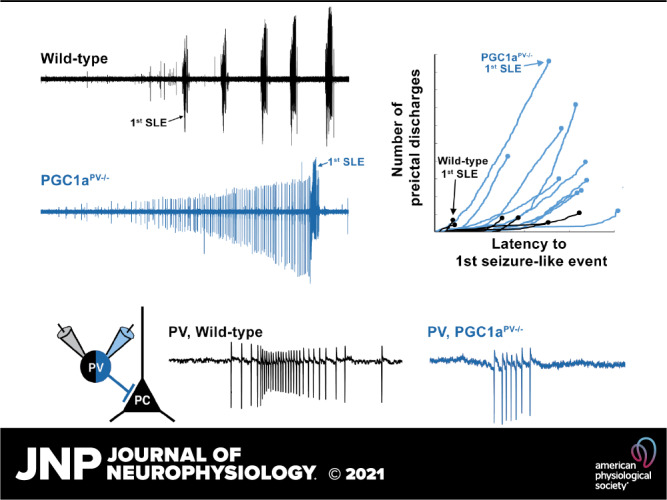
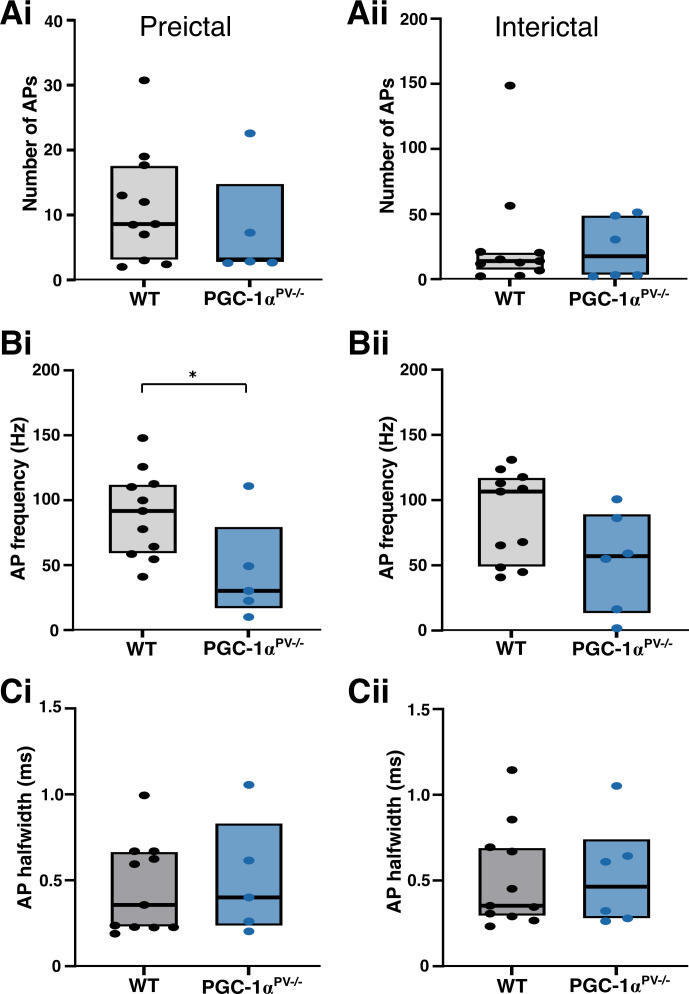
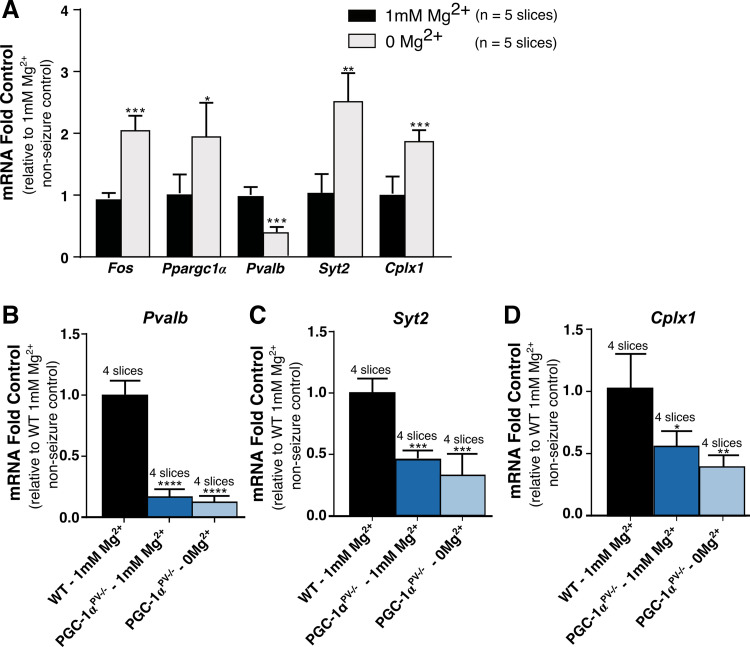
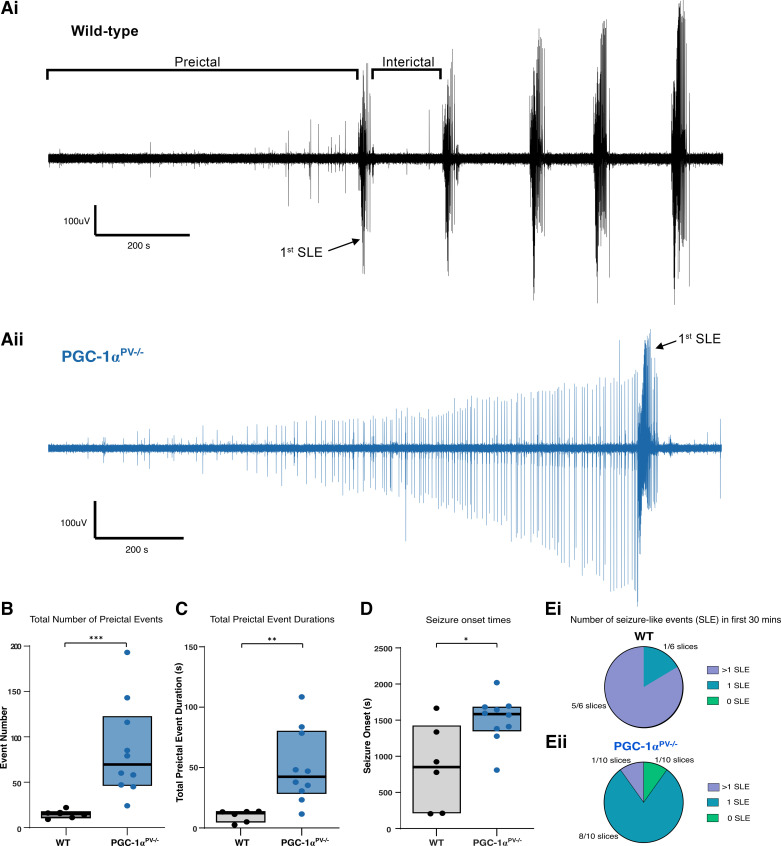
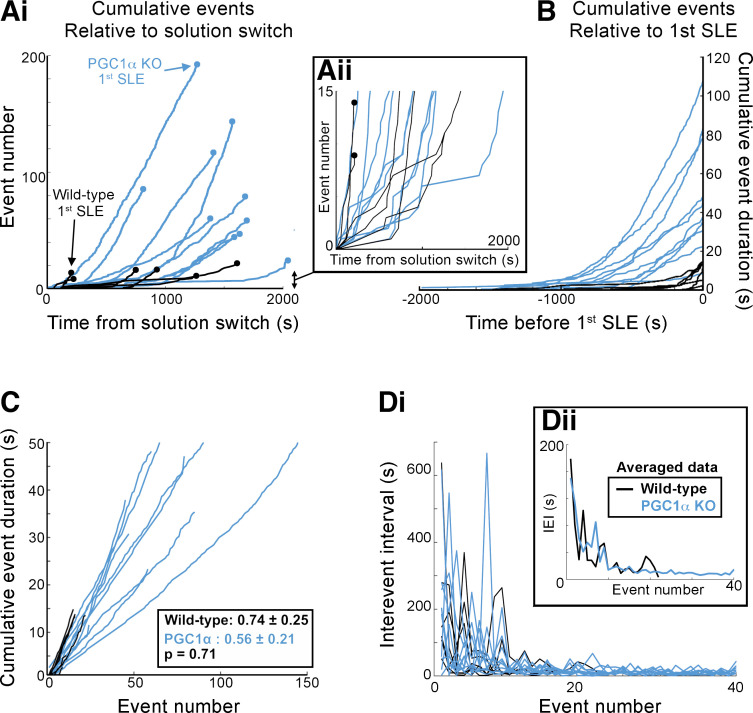
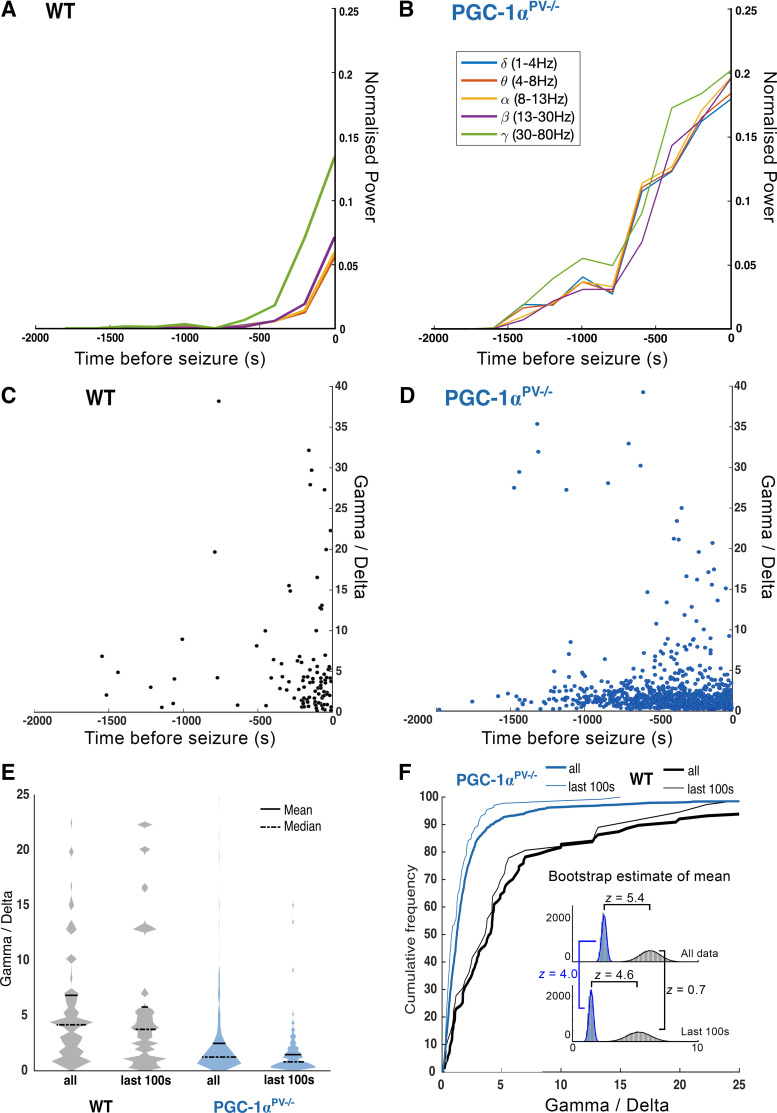
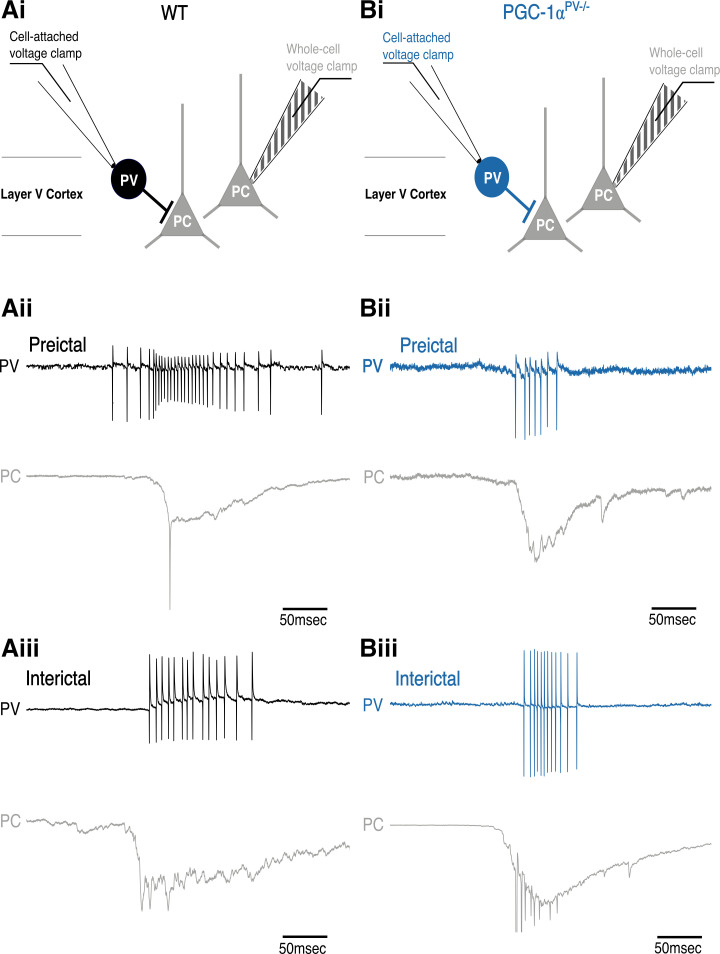
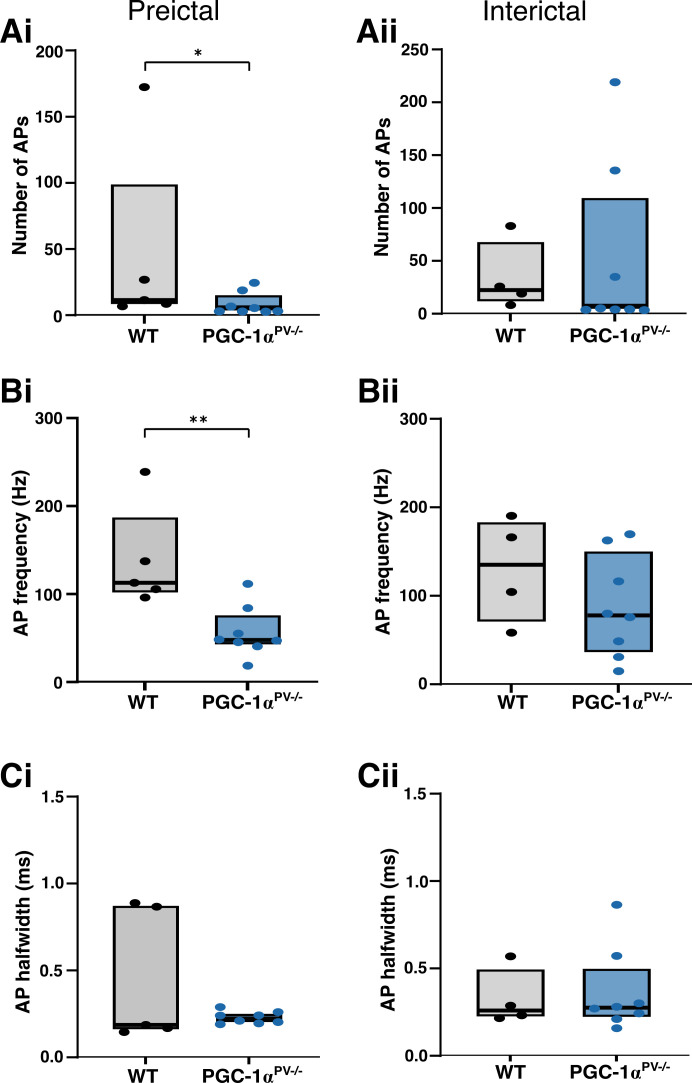
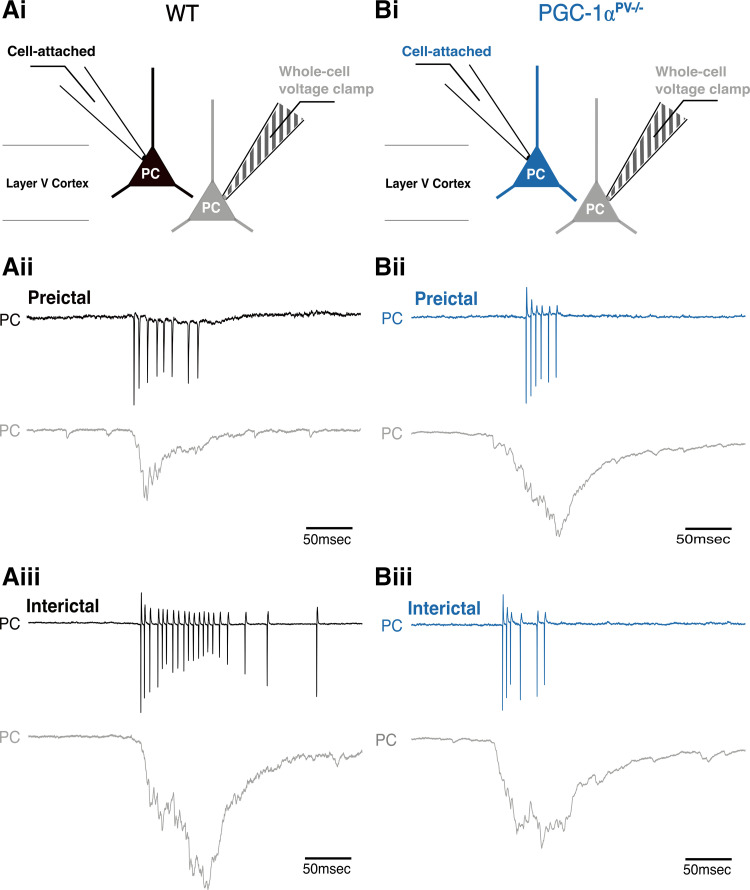
The transcriptional coactivator, PGC-1α (peroxisome proliferator-activated receptor γ coactivator 1α), plays a key role in coordinating energy requirement within cells. Its importance is reflected in the growing number of psychiatric and neurological conditions that have been associated with reduced PGC-1α levels. In cortical networks, PGC-1α is required for the induction of parvalbumin (PV) expression in interneurons, and PGC-1α deficiency affects synchronous GABAergic release. It is unknown, however, how this affects cortical excitability. We show here that knocking down PGC-1α specifically in the PV-expressing cells (PGC-1α) blocks the activity-dependent regulation of the synaptic proteins, SYT2 and CPLX1. More surprisingly, this cell class-specific knockout of PGC-1α appears to have a novel antiepileptic effect, as assayed in brain slices bathed in 0 Mg media. The rate of occurrence of preictal discharges developed approximately equivalently in wild-type and PGC-1α brain slices, but the intensity of these discharges was lower in PGC-1α slices, as evident from the reduced power in the γ range and reduced firing rates in both PV interneurons and pyramidal cells during these discharges. Reflecting this reduced intensity in the preictal discharges, the PGC-1α brain slices experienced many more discharges before transitioning into a seizure-like event. Consequently, there was a large increase in the latency to the first seizure-like event in brain slices lacking PGC-1α in PV interneurons. We conclude that knocking down PGC-1α limits the range of PV interneuron firing and this slows the pathophysiological escalation during ictogenesis. Parvalbumin expressing interneurons are considered to play an important role in regulating cortical activity. We were surprised, therefore, to find that knocking down the transcriptional coactivator, PGC-1α, specifically in this class of interneurons appears to slow ictogenesis. This anti-ictogenic effect is associated with reduced activity in preictal discharges, but with a far longer period of these discharges before the first seizure-like events finally start. Thus, PGC-1α knockdown may promote schizophrenia while reducing epileptic tendencies.
转录共激活因子 PGC-1α(过氧化物酶体增殖物激活受体 γ 共激活因子 1α)在协调细胞内能量需求方面发挥着关键作用。其重要性反映在越来越多的精神和神经疾病与 PGC-1α 水平降低有关。在皮质网络中,PGC-1α 是诱导中间神经元表达 parvalbumin(PV)所必需的,PGC-1α 缺乏会影响 GABA 能同步释放。然而,目前尚不清楚这会如何影响皮质兴奋性。我们在这里表明,特异性敲低 PV 表达细胞中的 PGC-1α(PGC-1α)会阻止突触蛋白 SYT2 和 CPLX1 的活性依赖性调节。更令人惊讶的是,这种细胞特异性敲低 PGC-1α 似乎具有新的抗癫痫作用,如在 0 Mg 介质中孵育的脑片中进行的测定所示。在野生型和 PGC-1α 脑片中,癫痫前期放电的发生速度大致相当,但 PGC-1α 脑片中这些放电的强度较低,这从 γ 范围内的功率降低以及这些放电期间 PV 中间神经元和锥体神经元的放电率降低可以看出。反映出这些癫痫前期放电的强度降低,PGC-1α 脑片中在转变为类似癫痫发作的事件之前经历了更多的放电。因此,在缺乏 PGC-1α 的 PV 中间神经元的脑片中,第一次类似癫痫发作事件的潜伏期大大增加。因此,在 PGC-1α 脑片中,敲低 PGC-1α 会限制 PV 中间神经元的放电范围,从而减缓癫痫发作的病理生理升级。表达 parvalbumin 的中间神经元被认为在调节皮质活动中发挥重要作用。因此,我们感到惊讶的是,发现特异性敲低这种中间神经元中的转录共激活因子 PGC-1α 似乎会减缓癫痫发作的发生。这种抗癫痫作用与癫痫前期放电活动减少有关,但在第一次类似癫痫发作事件最终开始之前,这些放电的持续时间要长得多。因此,PGC-1α 敲低可能会促进精神分裂症,同时降低癫痫倾向。