Takita Junko
Department of Pediatrics, Graduate School of Medicine, Kyoto University, Kyoto, Japan.
JMA J. 2021 Oct 15;4(4):321-331. doi: 10.31662/jmaj.2021-0077. Epub 2021 Sep 1.
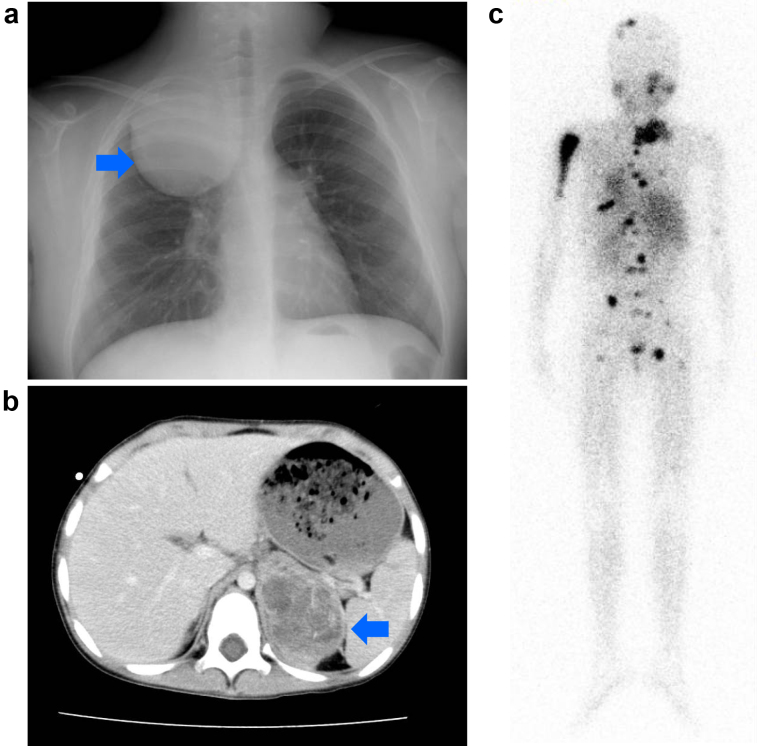
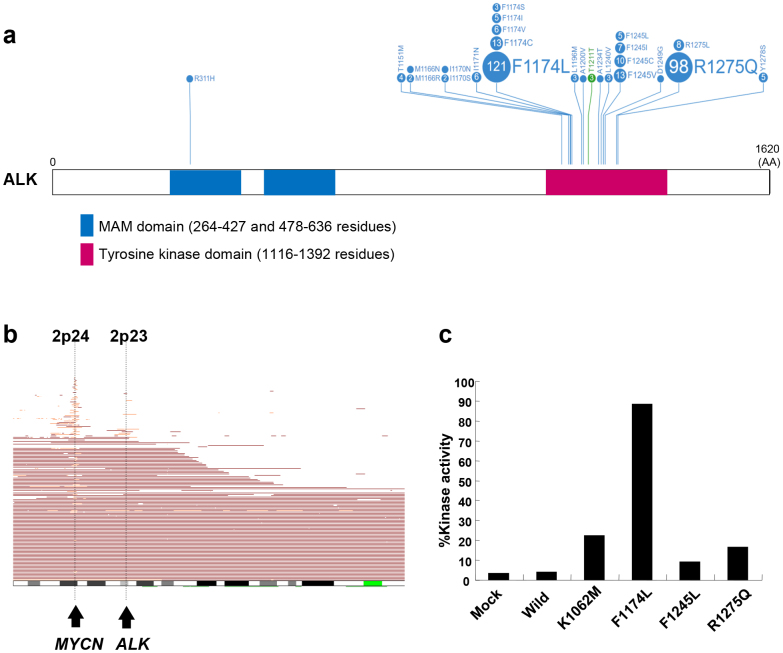
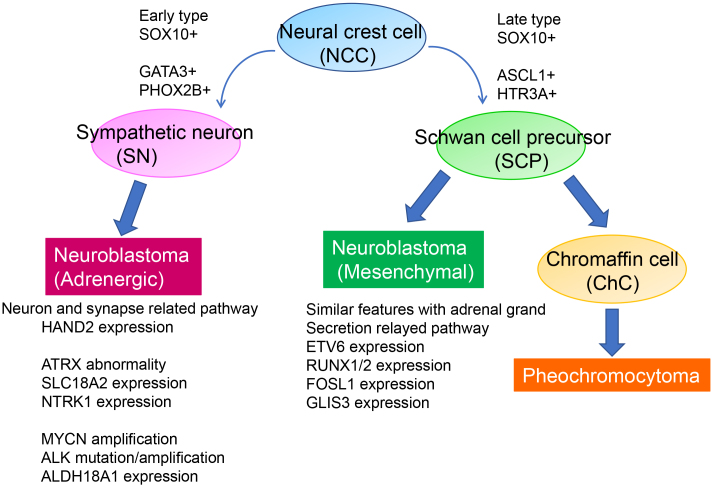
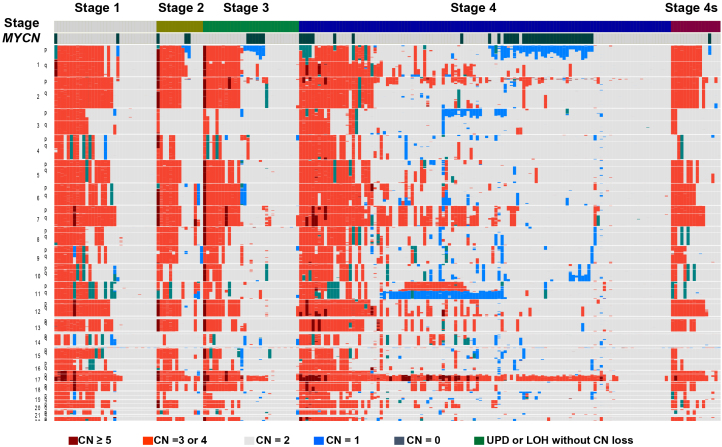
Neuroblastoma, a neoplasm of the sympathetic nervous system, originates from neuroblastoma stem cells during embryogenesis. It exhibits unique clinical features including a tendency for spontaneous regression of tumors in infants and a high frequency of metastatic disease at diagnosis in patients aged over 18 months. Genetic risk factors and epigenetic dysregulation also play a significant role in the development of neuroblastoma. Over the past decade, our understanding of this disease has advanced considerably. This has included the identification of chromosomal copy number aberrations specific to neuroblastoma development, risk groups, and disease stage. However, high-risk neuroblastoma remains a therapeutic challenge for pediatric oncologists. New therapeutic approaches have been developed, either as alternatives to conventional chemotherapy or in combination, to overcome the dismal prognosis. Particularly promising strategies are targeted therapies that directly affect cancer cells or cancer stem cells while exhibiting minimal effect on healthy cells. This review summarizes our understanding of neuroblastoma biology and prognostic features and focuses on novel therapeutic strategies for this intractable disease.
神经母细胞瘤是一种交感神经系统的肿瘤,在胚胎发育过程中起源于神经母细胞瘤干细胞。它具有独特的临床特征,包括婴儿期肿瘤有自发消退的倾向,以及18个月以上患者在诊断时转移性疾病的高发生率。遗传风险因素和表观遗传失调在神经母细胞瘤的发展中也起着重要作用。在过去十年中,我们对这种疾病的认识有了很大进展。这包括识别出神经母细胞瘤发展、风险组和疾病阶段特有的染色体拷贝数畸变。然而,高危神经母细胞瘤对儿科肿瘤学家来说仍然是一个治疗挑战。已经开发了新的治疗方法,作为传统化疗的替代方法或联合使用,以克服预后不良的问题。特别有前景的策略是靶向治疗,它直接影响癌细胞或癌症干细胞,同时对健康细胞的影响最小。本综述总结了我们对神经母细胞瘤生物学和预后特征的理解,并重点介绍了针对这种难治性疾病的新治疗策略。