LIczbiński Przemysław, Bukowska Bożena
Department of Environmental Biotechnology, Lodz University of Technology, Lodz, Poland.
Faculty of Biology and Environmental Protection, Department of Biophysics of Environmental Pollution, University of Lodz, Lodz, Poland.
Ind Crops Prod. 2022 Jan;175:114265. doi: 10.1016/j.indcrop.2021.114265. Epub 2021 Nov 18.
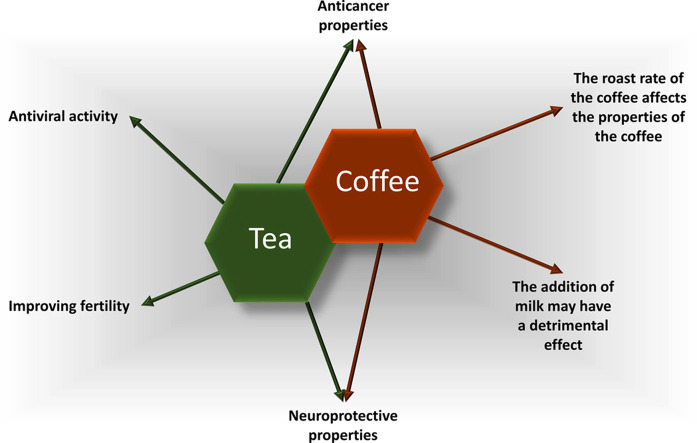
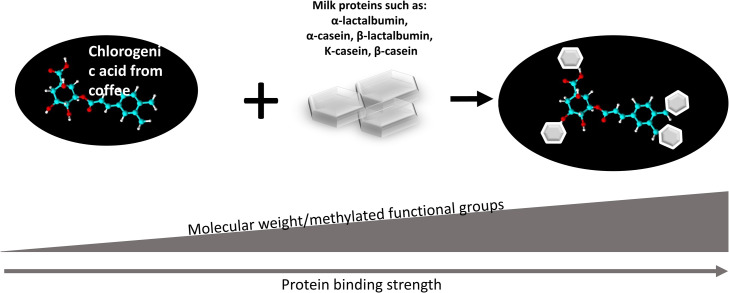
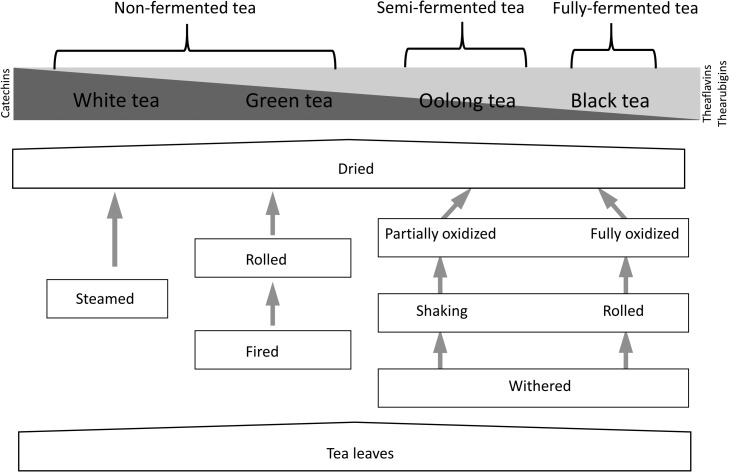
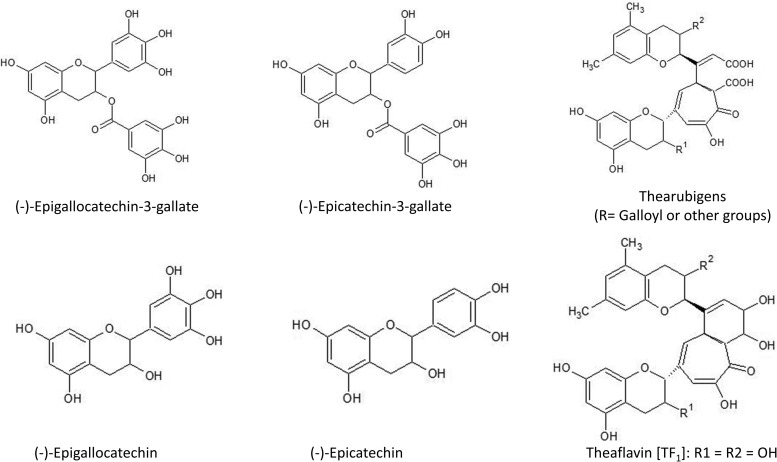
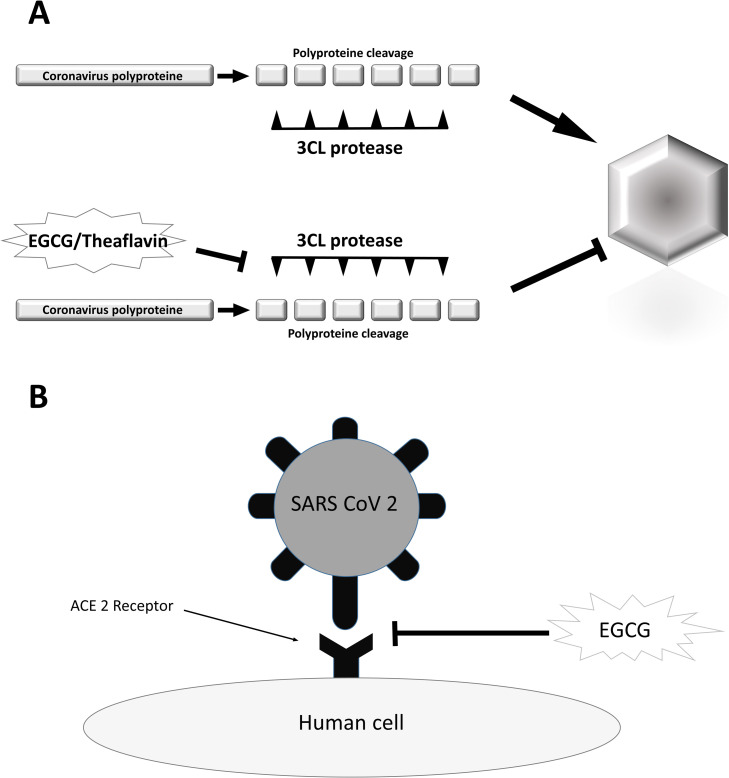
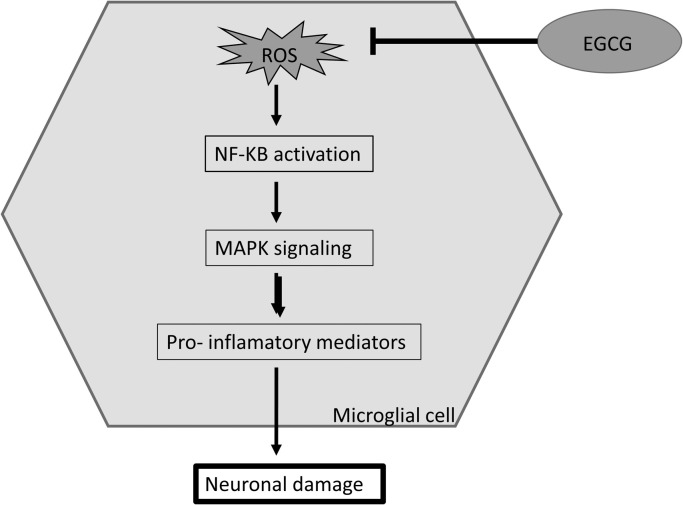
Tea and coffee contain numerous polyphenolic compounds that exhibit health-promoting properties for humans, including antioxidant and neuroprotective properties, and can also take part in the treatment of covid-19 and improve fertility. This review, presents the activity of polyphenols found in different types of tea and coffee and describes the effects of tea fermentation and coffee roasting on their polyphenol composition and antioxidant properties. Polyphenol oxidase activity is reduced in the fermentation process; therefore black tea contains significantly less polyphenolic compounds compared to green and white tea. Epigallocatechin-3-gallate - a polyphenol from tea - effectively has been shown to inhibit the activity of SARS-CoV-2 as it blocked binding of coronavirus 2 to human angiotensin converting enzyme 2, decreased the expression of inflammatory factors in the blood, including tumor necrosis factor-α and interleukin-6, and significantly increased the overall fertilization efficiency in animals. Coffee roasting process influences both the content of polyphenols and the oxidative activity. The lowest levels of active compounds such as caffeine, chlorogenic acid and coffee acids are identified in roasted coffee beans. On the other hand, light coffee and green coffee show the strongest cytotoxic potential and antioxidant properties, and thus the greatest ability to decrease apoptosis by stopping the cell cycle in the S phase. Proteins, such as components of milk, can strongly bind/interact with phenolic compounds (especially, the CGAs) contain in coffee, which may explain the negative influence of milk on its antioxidant properties. Coffee polyphenols have also antiproliferative and antiesterase activities, which may be important in prevention of cancer and neurodegenerative disorders, respectively. In this review, biological properties of tea and coffee polyphenols, observed mainly in studies have been described. Based on these findings, future directions of the research works on these compounds have been suggested.
茶和咖啡含有多种多酚类化合物,这些化合物对人体具有促进健康的特性,包括抗氧化和神经保护特性,还可以参与新冠病毒疾病的治疗并提高生育能力。本综述介绍了不同类型茶和咖啡中发现的多酚的活性,并描述了茶发酵和咖啡烘焙对其多酚组成和抗氧化特性的影响。在发酵过程中多酚氧化酶的活性降低;因此,与绿茶和白茶相比,红茶含有的多酚类化合物明显更少。表没食子儿茶素-3-没食子酸酯(一种来自茶的多酚)已被证明能有效抑制严重急性呼吸综合征冠状病毒2(SARS-CoV-2)的活性,因为它阻止了冠状病毒2与人血管紧张素转换酶2的结合,降低了血液中炎症因子的表达,包括肿瘤坏死因子-α和白细胞介素-6,并显著提高了动物的总体受精效率。咖啡烘焙过程会影响多酚的含量和氧化活性。在烘焙咖啡豆中鉴定出活性化合物如咖啡因、绿原酸和咖啡酸的含量最低。另一方面,轻度烘焙咖啡和生咖啡显示出最强的细胞毒性潜力和抗氧化特性,因此具有通过在S期阻止细胞周期来减少细胞凋亡的最大能力。蛋白质,如牛奶的成分,可以与咖啡中含有的酚类化合物(特别是绿原酸)强烈结合/相互作用,这可能解释了牛奶对其抗氧化特性的负面影响。咖啡多酚还具有抗增殖和抗酯酶活性,这可能分别在预防癌症和神经退行性疾病中起重要作用。在本综述中,主要在研究中观察到的茶和咖啡多酚的生物学特性已被描述。基于这些发现,已提出了关于这些化合物的未来研究方向。