• 文献检索
  • 文档翻译
  • 深度研究
  • 学术资讯
  • Suppr Zotero 插件Zotero 插件
  • 邀请有礼
  • 套餐&价格
  • 历史记录
应用&插件
Suppr Zotero 插件Zotero 插件浏览器插件Mac 客户端Windows 客户端微信小程序
定价
高级版会员购买积分包购买API积分包
服务
文献检索文档翻译深度研究API 文档MCP 服务
关于我们
关于 Suppr公司介绍联系我们用户协议隐私条款
关注我们

Suppr 超能文献

核心技术专利:CN118964589B侵权必究
粤ICP备2023148730 号-1Suppr @ 2026

文献检索

告别复杂PubMed语法,用中文像聊天一样搜索,搜遍4000万医学文献。AI智能推荐,让科研检索更轻松。

立即免费搜索

文件翻译

保留排版,准确专业,支持PDF/Word/PPT等文件格式,支持 12+语言互译。

免费翻译文档

深度研究

AI帮你快速写综述,25分钟生成高质量综述,智能提取关键信息,辅助科研写作。

立即免费体验

中国植物区系中Goodyerinae亚族和石斛亚族(兰科)的新分类群

New contributions to Goodyerinae and Dendrobiinae (Orchidaceae) in the flora of China.

作者信息

Ya Ji-Dong, Zhang Ting, Pandey Tirtha Raj, Liu Cheng, Han Zhou-Dong, Ye De-Ping, He De-Ming, Liu Qiang, Yang Lan, Huang Li, Zhang Rong-Zhen, Jiang Hong, Cai Jie

机构信息

Germplasm Bank of Wild Species, Kunming Institute of Botany, Chinese Academy of Sciences, Lanhei Road 132, Heilongtan, Kunming, Yunnan 650201, China.

State Key Laboratory of Systematic and Evolutionary Botany, Institute of Botany, Chinese Academy of Sciences, Beijing, 100093, China.

出版信息

Plant Divers. 2021 Jun 4;43(5):362-378. doi: 10.1016/j.pld.2021.05.006. eCollection 2021 Oct.

DOI:10.1016/j.pld.2021.05.006
PMID:34816062
原文链接:https://pmc.ncbi.nlm.nih.gov/articles/PMC8591208/
Abstract

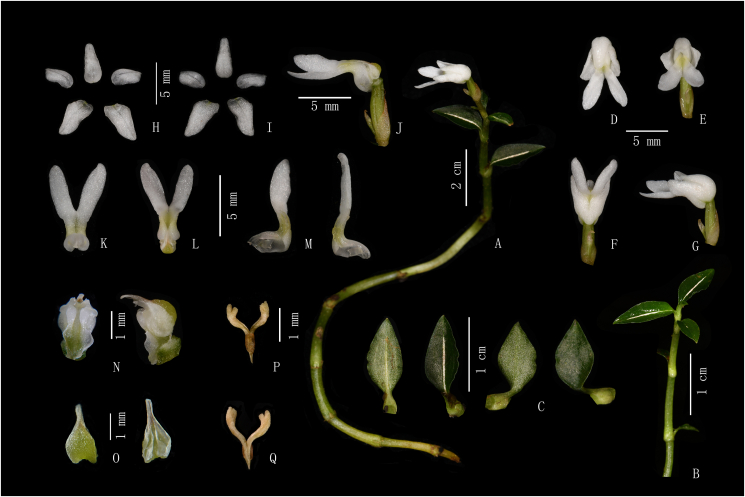
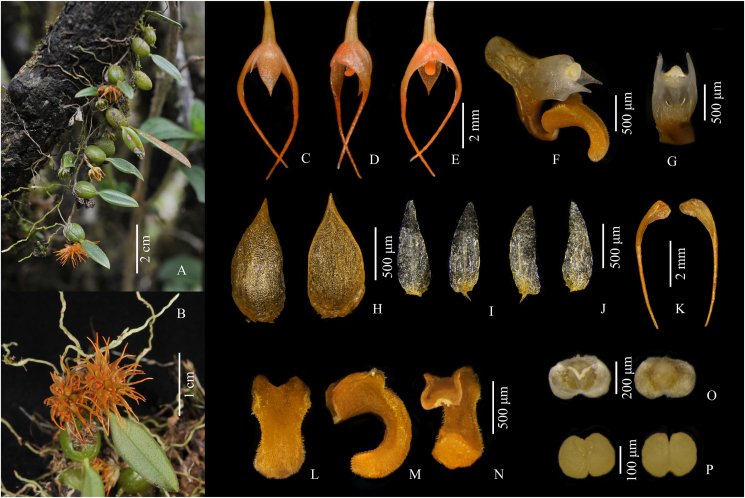
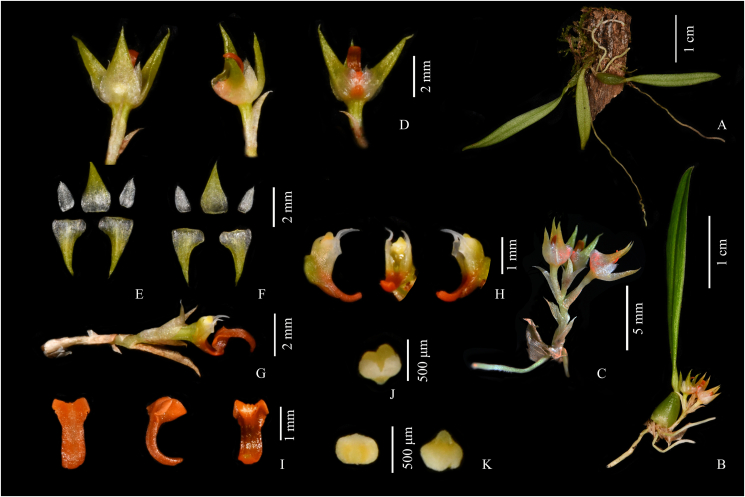
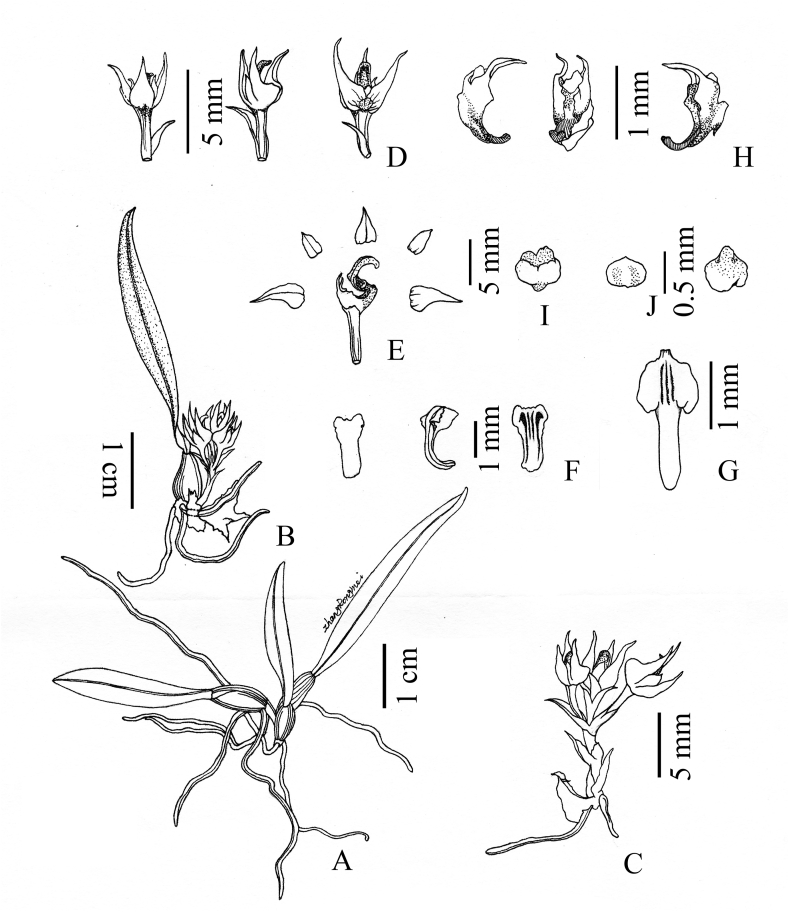
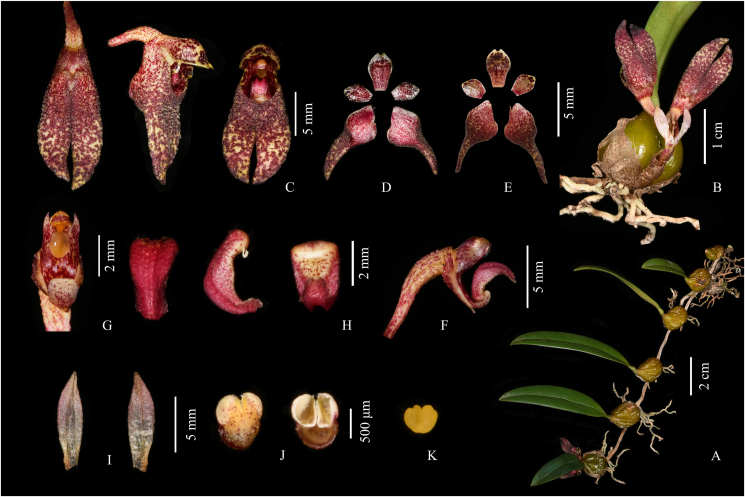
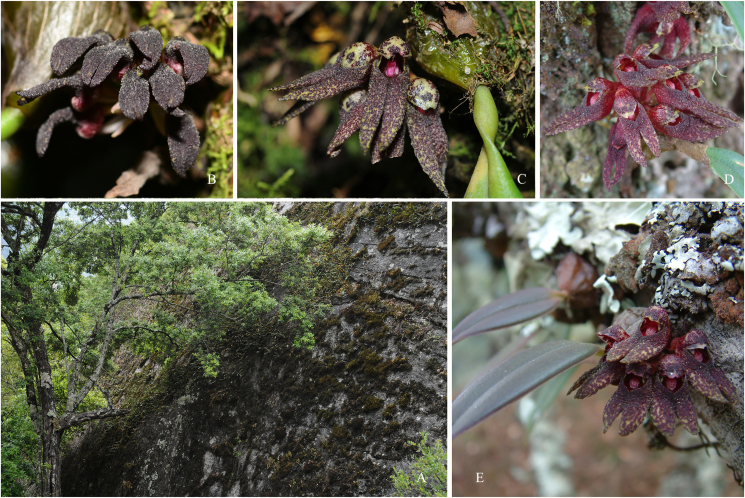
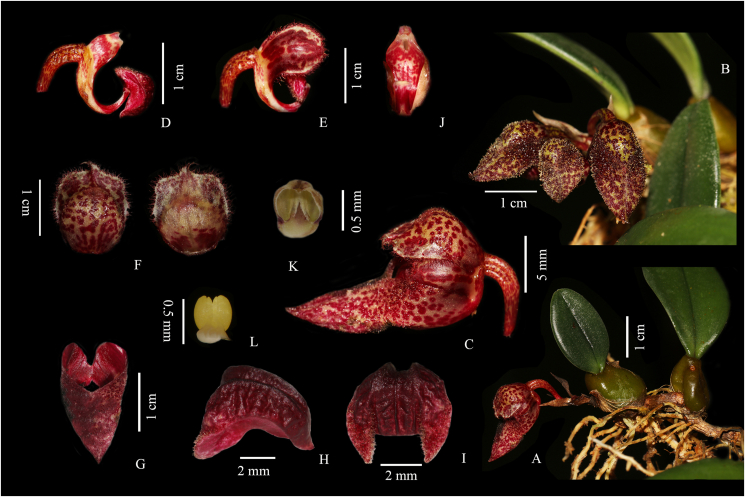
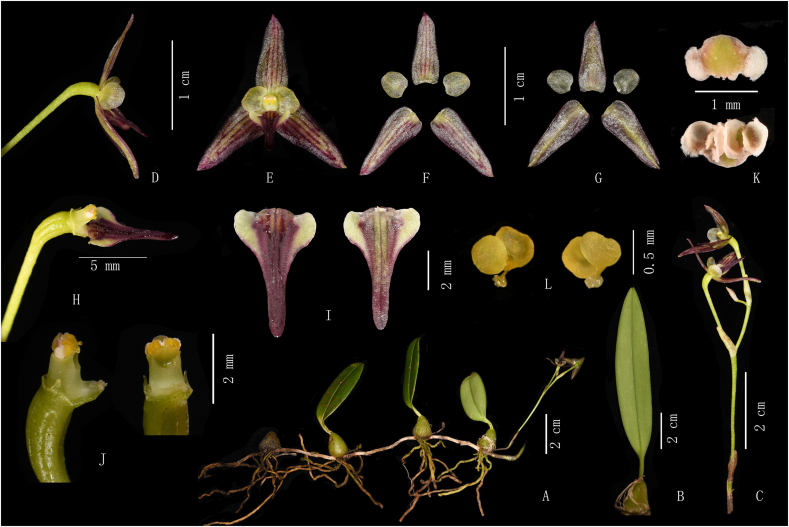
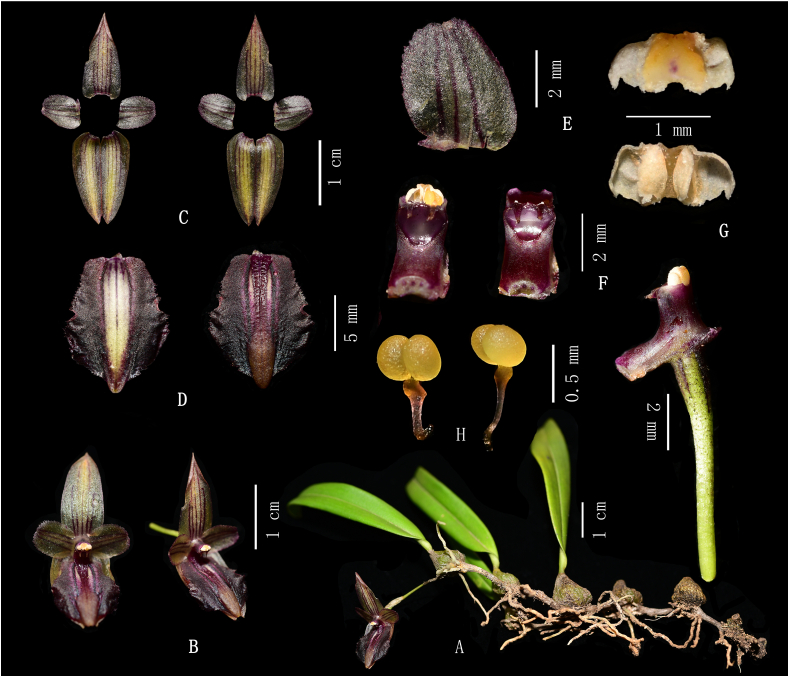
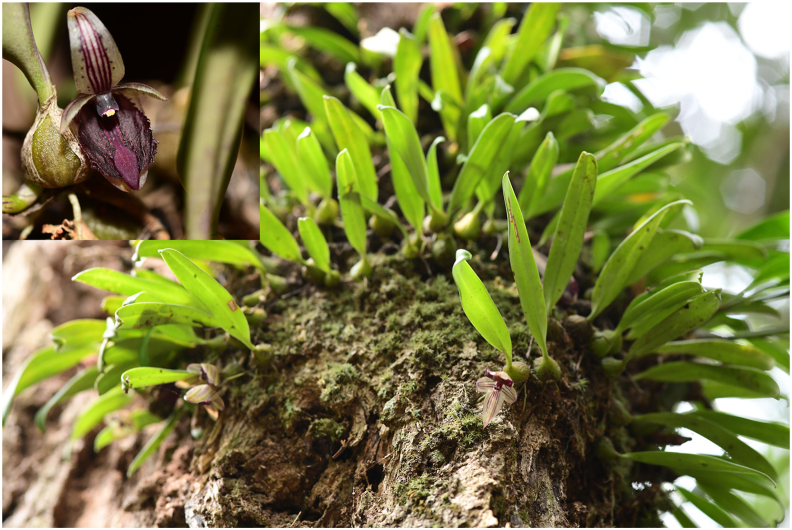
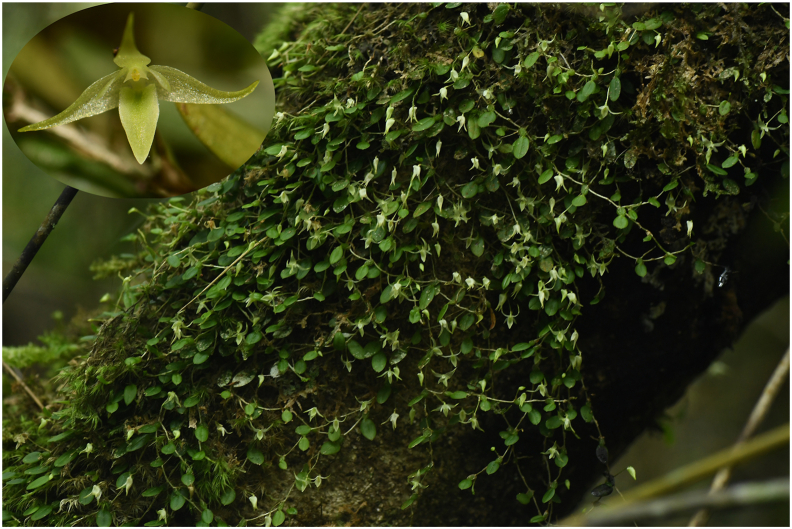
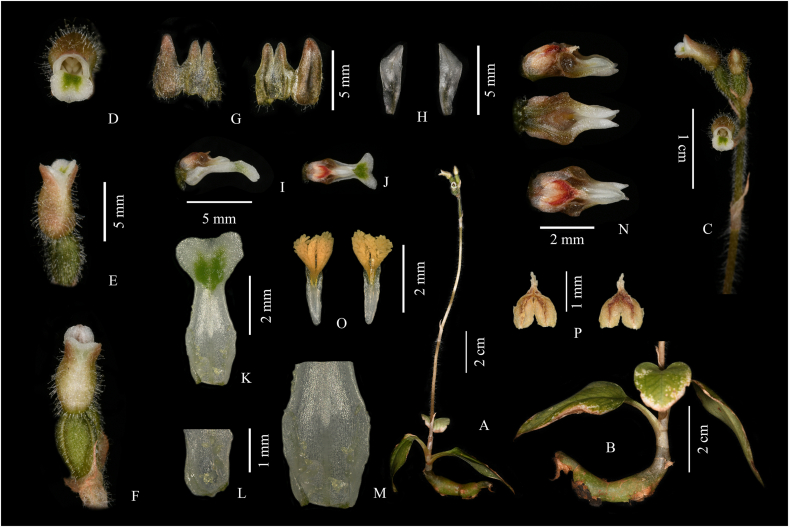
Eight new species from China, , , , , , , and , are described and illustrated. differs from by having 5-9 irregular and papillae-like calli on each side in the sac of the lip, epichile with entire lobes, petals narrowly obliquely obovate and an apex that is not recurved. is easily distinguished from its relatives similar by having a long stem, pubescent ovary and sepals, epichile lobes with irregular and undulate margins, a subquadrate callus without teeth in the saccate hypochile. differs from by having a simple and lanceolate to ligulate lip, glabrous bracts and ovary, oblique and narrowly ovate petals. differs from by having white-veined leaves, oblong-lanceolate epichile lobes, and viscidium attached to the middle of the caudicle. is easily distinguished from its relatives similar by having distant pseudobulbs, shorter scape, an inflorescence with 9-16 orange-red flowers, shorter lateral sepals with a long acuminate apex, incurved and tubular apical margins, a papillate lip disk and triangular-subulate stelidia. is easily distinguished from its relatives similar by having narrow lanceolate leaves, shorter inflorescence with 1-3 greenish-yellow flowers, falcate-ovoid lateral sepals, a lip with small lateral lobes and 3 keels at the base. differs from by having shorter inflorescence, peduncles with 2 tubular sheaths, dorsal sepals with a retuse apex, lateral sepals with lower edges that are connate to each other and free and divergent toward the apex, obovate petals with an acute or slightly retuse apex. differs from by its 5-veined dorsal sepal, ovate-lanceolate lateral sepals, obliquely ovate-oblong petal, erose-toothed margins and obovate lip with a large, oblong basal callus, and an obtuse base. In addition, three species (, and ) are reported for the first time in China.

摘要

本文描述并图示了来自中国的八个新物种,即[物种名称1]、[物种名称2]、[物种名称3]、[物种名称4]、[物种名称5]、[物种名称6]、[物种名称7]和[物种名称8]。[物种名称1]与[对比物种1]的区别在于,唇瓣囊内每侧有5 - 9个不规则的乳头状胼胝体,上唇裂片全缘,花瓣狭斜倒卵形且顶端不反曲。[物种名称2]很容易与其相似的近缘种区分开来,其具有长茎、被毛的子房和萼片,上唇裂片边缘不规则且呈波状,囊状下唇有一个无齿的近方形胼胝体。[物种名称3]与[对比物种2]的区别在于,唇瓣简单,披针形至舌状,苞片和子房无毛,花瓣斜且狭卵形。[物种名称4]与[对比物种3]的区别在于,叶有白色脉纹,上唇裂片长圆状披针形,粘盘附着于蕊柱足中部。[物种名称5]很容易与其相似的近缘种区分开来,其假鳞茎相距较远,花葶较短,花序有9 - 16朵橙红色花,侧萼片较短,顶端长渐尖,顶端边缘内弯且呈管状,唇瓣盘有乳头状突起,蕊柱齿三角形钻形。[物种名称6]很容易与其相似的近缘种区分开来,其叶狭披针形,花序较短,有1 - 3朵黄绿色花,侧萼片镰状卵形,唇瓣有小的侧裂片且基部有3条龙骨状突起。[物种名称7]与[对比物种4]的区别在于,花序较短,花梗有2个管状鞘,背萼片顶端微凹,侧萼片下缘彼此合生,基部游离且向顶端分开,倒卵形花瓣顶端锐尖或微凹。[物种名称8]与[对比物种5]的区别在于,其背萼片有5条脉,侧萼片卵状披针形,花瓣斜卵状长圆形,边缘有啮蚀状齿,倒卵形唇瓣有一个大的长圆形基部胼胝体且基部钝圆。此外,三个物种([物种名称9]、[物种名称10]和[物种名称11])在中国首次被报道。
https://cdn.ncbi.nlm.nih.gov/pmc/blobs/3b2e/8591208/98bc7a423938/gr16.jpg
https://cdn.ncbi.nlm.nih.gov/pmc/blobs/3b2e/8591208/7747f1bcb713/gr1.jpg
https://cdn.ncbi.nlm.nih.gov/pmc/blobs/3b2e/8591208/f377977aeca6/gr2.jpg
https://cdn.ncbi.nlm.nih.gov/pmc/blobs/3b2e/8591208/e4abbc258e0f/gr3.jpg
https://cdn.ncbi.nlm.nih.gov/pmc/blobs/3b2e/8591208/d8a53b20ea81/gr4.jpg
https://cdn.ncbi.nlm.nih.gov/pmc/blobs/3b2e/8591208/69b7d9ec12b3/gr5.jpg
https://cdn.ncbi.nlm.nih.gov/pmc/blobs/3b2e/8591208/988dccb0309d/gr6.jpg
https://cdn.ncbi.nlm.nih.gov/pmc/blobs/3b2e/8591208/b9e3f4f0ed21/gr7.jpg
https://cdn.ncbi.nlm.nih.gov/pmc/blobs/3b2e/8591208/e9931b74914f/gr8.jpg
https://cdn.ncbi.nlm.nih.gov/pmc/blobs/3b2e/8591208/4b482c3d08da/gr9.jpg
https://cdn.ncbi.nlm.nih.gov/pmc/blobs/3b2e/8591208/877f7d984d8b/gr10.jpg
https://cdn.ncbi.nlm.nih.gov/pmc/blobs/3b2e/8591208/4078579c7c39/gr11.jpg
https://cdn.ncbi.nlm.nih.gov/pmc/blobs/3b2e/8591208/dc594fe222e9/gr12.jpg
https://cdn.ncbi.nlm.nih.gov/pmc/blobs/3b2e/8591208/4dc9d9324061/gr13.jpg
https://cdn.ncbi.nlm.nih.gov/pmc/blobs/3b2e/8591208/bc569b568d9c/gr14.jpg
https://cdn.ncbi.nlm.nih.gov/pmc/blobs/3b2e/8591208/f9e9a1c370ab/gr15.jpg
https://cdn.ncbi.nlm.nih.gov/pmc/blobs/3b2e/8591208/98bc7a423938/gr16.jpg
https://cdn.ncbi.nlm.nih.gov/pmc/blobs/3b2e/8591208/7747f1bcb713/gr1.jpg
https://cdn.ncbi.nlm.nih.gov/pmc/blobs/3b2e/8591208/f377977aeca6/gr2.jpg
https://cdn.ncbi.nlm.nih.gov/pmc/blobs/3b2e/8591208/e4abbc258e0f/gr3.jpg
https://cdn.ncbi.nlm.nih.gov/pmc/blobs/3b2e/8591208/d8a53b20ea81/gr4.jpg
https://cdn.ncbi.nlm.nih.gov/pmc/blobs/3b2e/8591208/69b7d9ec12b3/gr5.jpg
https://cdn.ncbi.nlm.nih.gov/pmc/blobs/3b2e/8591208/988dccb0309d/gr6.jpg
https://cdn.ncbi.nlm.nih.gov/pmc/blobs/3b2e/8591208/b9e3f4f0ed21/gr7.jpg
https://cdn.ncbi.nlm.nih.gov/pmc/blobs/3b2e/8591208/e9931b74914f/gr8.jpg
https://cdn.ncbi.nlm.nih.gov/pmc/blobs/3b2e/8591208/4b482c3d08da/gr9.jpg
https://cdn.ncbi.nlm.nih.gov/pmc/blobs/3b2e/8591208/877f7d984d8b/gr10.jpg
https://cdn.ncbi.nlm.nih.gov/pmc/blobs/3b2e/8591208/4078579c7c39/gr11.jpg
https://cdn.ncbi.nlm.nih.gov/pmc/blobs/3b2e/8591208/dc594fe222e9/gr12.jpg
https://cdn.ncbi.nlm.nih.gov/pmc/blobs/3b2e/8591208/4dc9d9324061/gr13.jpg
https://cdn.ncbi.nlm.nih.gov/pmc/blobs/3b2e/8591208/bc569b568d9c/gr14.jpg
https://cdn.ncbi.nlm.nih.gov/pmc/blobs/3b2e/8591208/f9e9a1c370ab/gr15.jpg
https://cdn.ncbi.nlm.nih.gov/pmc/blobs/3b2e/8591208/98bc7a423938/gr16.jpg

相似文献

1
New contributions to Goodyerinae and Dendrobiinae (Orchidaceae) in the flora of China.中国植物区系中Goodyerinae亚族和石斛亚族(兰科)的新分类群
Plant Divers. 2021 Jun 4;43(5):362-378. doi: 10.1016/j.pld.2021.05.006. eCollection 2021 Oct.
2
Taxonomy notes on Vandeae (Orchidaceae) from China: Five new species and two new records.中国万代兰族(兰科)的分类学笔记:五个新物种及两个新记录
Plant Divers. 2021 Feb 3;43(5):379-389. doi: 10.1016/j.pld.2021.01.009. eCollection 2021 Oct.
3
Bulbophyllum pingnanense (Orchidaceae, Epidendroideae, Dendrobiinae), a new species from Fujian, China.屏南石豆兰(兰科,附生亚科,石斛亚族),中国福建一新种。
PhytoKeys. 2016 Jun 30(65):107-12. doi: 10.3897/phytokeys.65.8254. eCollection 2016.
4
Four new species and a new record of Orchidinae (Orchidaceae: Orchideae) from China.中国兰亚族(兰科:红门兰亚科)的四个新物种及一个新记录种
Plant Divers. 2021 Jun 5;43(5):390-400. doi: 10.1016/j.pld.2021.05.003. eCollection 2021 Oct.
5
Two new species of (Orchidaceae) from the eastern Himalayas.来自东喜马拉雅地区的兰科两个新物种。
PhytoKeys. 2019 Aug 29;130:107-113. doi: 10.3897/phytokeys.130.33989. eCollection 2019.
6
 (Orchidaceae), a new species from Gansu, China.中国甘肃兰科一新种。
PhytoKeys. 2023 Jan 23;219:27-33. doi: 10.3897/phytokeys.219.90351. eCollection 2023.
7
(Orchidaceae), a new species from northern Myanmar.(兰科),一种来自缅甸北部的新物种。
PhytoKeys. 2017 Oct 12(88):109-117. doi: 10.3897/phytokeys.88.19861. eCollection 2017.
8
 (Orchidaceae), a new species from Thailand.兰科(Orchidaceae),一种来自泰国的新物种。
PhytoKeys. 2024 Feb 20;238:147-155. doi: 10.3897/phytokeys.238.114999. eCollection 2024.
9
Floral structure of two species of Bulbophyllum section Cirrhopetalum Lindl.: B. weberi Ames and B. cumingii (Lindl.) Rchb. f. (Bulbophyllinae Schltr., Orchidaceae).石豆兰属卷瓣组(Lindl.)两种植物的花部结构:韦氏石豆兰(Ames)和康氏石豆兰(Lindl.)Rchb. f.(石豆兰亚族Schltr.,兰科)
Protoplasma. 2017 May;254(3):1431-1449. doi: 10.1007/s00709-016-1034-3. Epub 2016 Oct 31.
10
(Orchidaceae, Epidendroideae, Malaxideae), a new species from Yunnan, China.(兰科,附生兰亚科,沼兰族),中国云南一新种。
PhytoKeys. 2018 Nov 13(111):61-68. doi: 10.3897/phytokeys.111.28136. eCollection 2018.

引用本文的文献

1
 (Aspleniaceae), a new fern species from southeastern Xizang, China based on morphological and molecular evidence.基于形态学和分子证据描述的中国西藏东南部铁角蕨科一新蕨类植物
PhytoKeys. 2022 Aug 5;204:43-56. doi: 10.3897/phytokeys.204.85746. eCollection 2022.
2
Orchid diversity in China: Recent discoveries.中国的兰花多样性:近期发现
Plant Divers. 2021 Jul 27;43(5):341-342. doi: 10.1016/j.pld.2021.07.004. eCollection 2021 Oct.

本文引用的文献

1
Twenty years of Chinese vascular plant novelties, 2000 through 2019.2000年至2019年中国维管植物新物种二十年
Plant Divers. 2020 Sep 10;42(5):393-398. doi: 10.1016/j.pld.2020.08.004. eCollection 2020 Oct.
2
Contributions to the flora of Myanmar from 2000 to 2019.2000年至2019年对缅甸植物区系的贡献。
Plant Divers. 2020 Jul 28;42(4):292-301. doi: 10.1016/j.pld.2020.06.005. eCollection 2020 Aug.
3
An annotated checklist of Myanmar orchid flora.缅甸兰花植物志注释清单。
PhytoKeys. 2020 Jan 10;138:49-112. doi: 10.3897/phytokeys.138.36144. eCollection 2020.
4
Two new species of (Orchidaceae) from the eastern Himalayas.来自东喜马拉雅地区的兰科两个新物种。
PhytoKeys. 2019 Aug 29;130:107-113. doi: 10.3897/phytokeys.130.33989. eCollection 2019.
5
(Orchidaceae, Epidendroideae, Malaxideae), a new species from Xizang, China.(兰科,附生兰亚科,沼兰族),中国西藏的一个新物种。
PhytoKeys. 2019 Aug 29;130:33-39. doi: 10.3897/phytokeys.130.34153. eCollection 2019.
6
China's biodiversity hotspots revisited: A treasure chest for plants.重访中国的生物多样性热点地区:植物的宝库
PhytoKeys. 2019 Aug 29;130:1-24. doi: 10.3897/phytokeys.130.38417. eCollection 2019.
7
Molecular systematics of Goodyerinae (Cranichideae, Orchidoideae, Orchidaceae) based on multiple nuclear and plastid regions.基于多个核和质体区域的 Goodyerinae(兰科 Cranichideae、Orchidoideae)的分子系统发育。
Mol Phylogenet Evol. 2019 Oct;139:106542. doi: 10.1016/j.ympev.2019.106542. Epub 2019 Jun 20.
8
Taxonomic discoveries bridging the gap between our knowledge and biodiversity.弥合我们的知识与生物多样性之间差距的分类学发现。
PhytoKeys. 2018 Jan 29(94):1-2. doi: 10.3897/phytokeys.94.23887. eCollection 2018.
9
A phylogenetic analysis of the Orchidaceae: evidence from rbcL nucleotide.兰科植物的系统发育分析:rbcL 核苷酸证据。
Am J Bot. 1999 Feb;86(2):208-24.