Lane Andrew M, Beedie Chris J, Devonport Tracey J, Friesen Andrew P
Research Centre for Sport, Physical Activity (SPARC) School of Sport, Faculty of Education, Health and Wellbeing, Walsall Campus, University of Wolverhampton, Walsall WS1 3BD, UK.
School of Psychology, Canterbury Campus, University of Kent, Canterbury CT2 7NP, UK.
Sports (Basel). 2021 Nov 19;9(11):156. doi: 10.3390/sports9110156.
A large-scale online study completed by this research team found that brief psychological interventions were associated with high-intensity pleasant emotions and predicted performance. The present study extends this work using data from participants ( = 3376) who completed all self-report data and engaged in a performance task but who did not engage with an intervention or control condition and therefore present as an opportunistic no-treatment group.
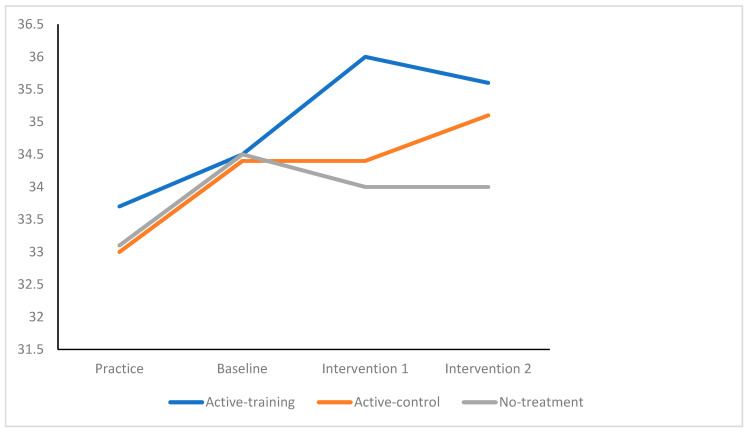
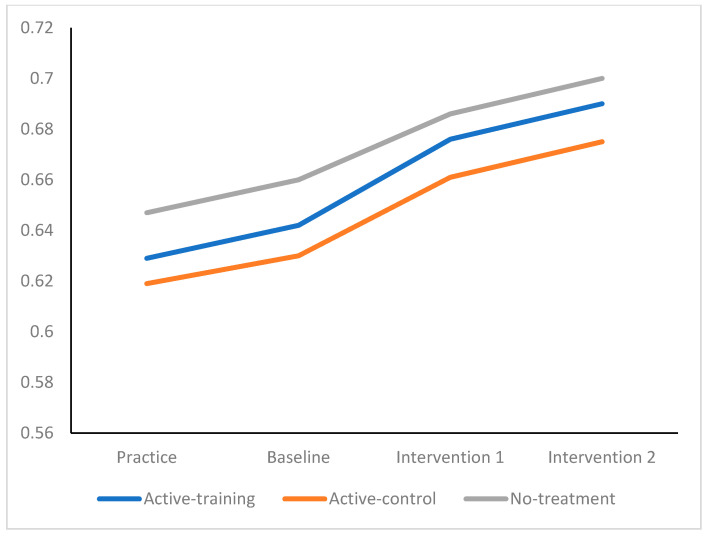
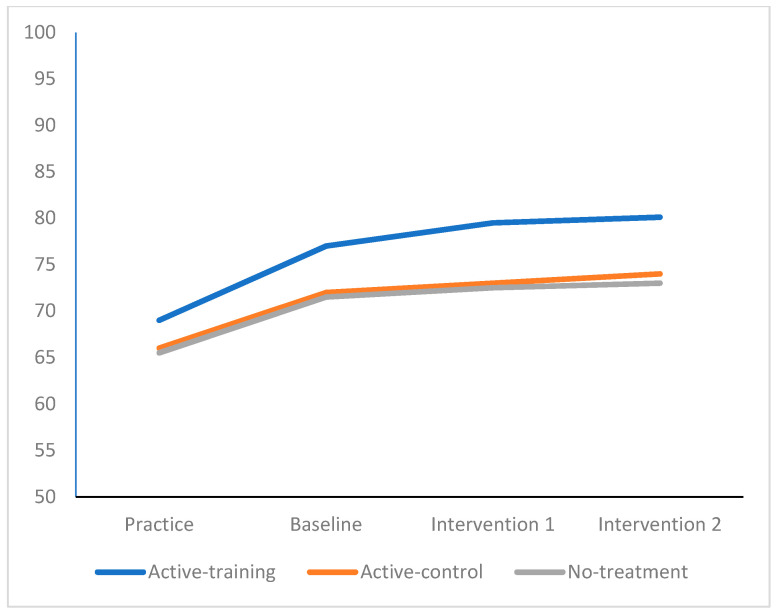
41,720 participants were selected from the process and outcome focus goals intervention groups, which were the successful interventions ( = 30,096), active-control ( = 3039), and no-treatment ( = 8585). Participants completed a competitive task four times: first as practice, second to establish a baseline, third following an opportunity to complete a brief psychological skills intervention, and lastly following an opportunity to repeat the intervention. Repeated measures MANOVA indicated that over four performance rounds, the intensity of positive emotions increased, performance improved, and the amount of effort participants exerted increased; however, these increases were significantly smaller in the no-treatment group.
Findings suggest that not engaging in active training conditions had negative effects. We suggest that these findings have implications for the development and deployment of online interventions.
该研究团队完成的一项大规模在线研究发现,简短的心理干预与高强度的愉悦情绪相关,并能预测表现。本研究利用来自参与者(n = 3376)的数据扩展了这项工作,这些参与者完成了所有自我报告数据并参与了一项表现任务,但未参与干预或对照条件,因此作为一个机会性无治疗组呈现。
从过程和结果聚焦目标干预组中选取41720名参与者,其中包括成功干预组(n = 30096)、积极对照组(n = 3039)和无治疗组(n = 8585)。参与者完成一项竞争性任务四次:第一次作为练习,第二次建立基线,第三次在有机会完成简短心理技能干预之后,最后一次在有机会重复干预之后。重复测量多元方差分析表明,在四轮表现中,积极情绪的强度增加,表现提高,参与者付出的努力增加;然而,无治疗组的这些增加明显较小。
研究结果表明,不参与积极训练条件有负面影响。我们认为这些发现对在线干预的开发和部署具有启示意义。