Venom Evolution Lab, University of Queensland, Biological Sciences, St. Lucia, Brisbane, 4072, Australia.
Nocturnal Primate Research Group, Department of Social Sciences, Oxford Brookes University, Oxford, OX3 0BP, UK.
BMC Biol. 2021 Nov 25;19(1):253. doi: 10.1186/s12915-021-01195-x.
Snakes and primates have a multi-layered coevolutionary history as predators, prey, and competitors with each other. Previous work has explored the Snake Detection Theory (SDT), which focuses on the role of snakes as predators of primates and argues that snakes have exerted a selection pressure for the origin of primates' visual systems, a trait that sets primates apart from other mammals. However, primates also attack and kill snakes and so snakes must simultaneously avoid primates. This factor has been recently highlighted in regard to the movement of hominins into new geographic ranges potentially exerting a selection pressure leading to the evolution of spitting in cobras on three independent occasions.
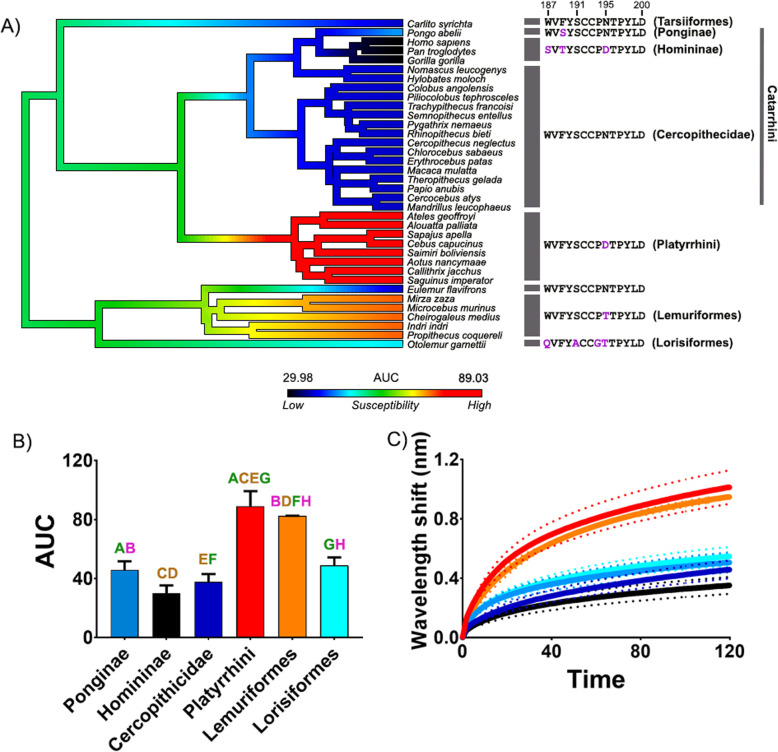
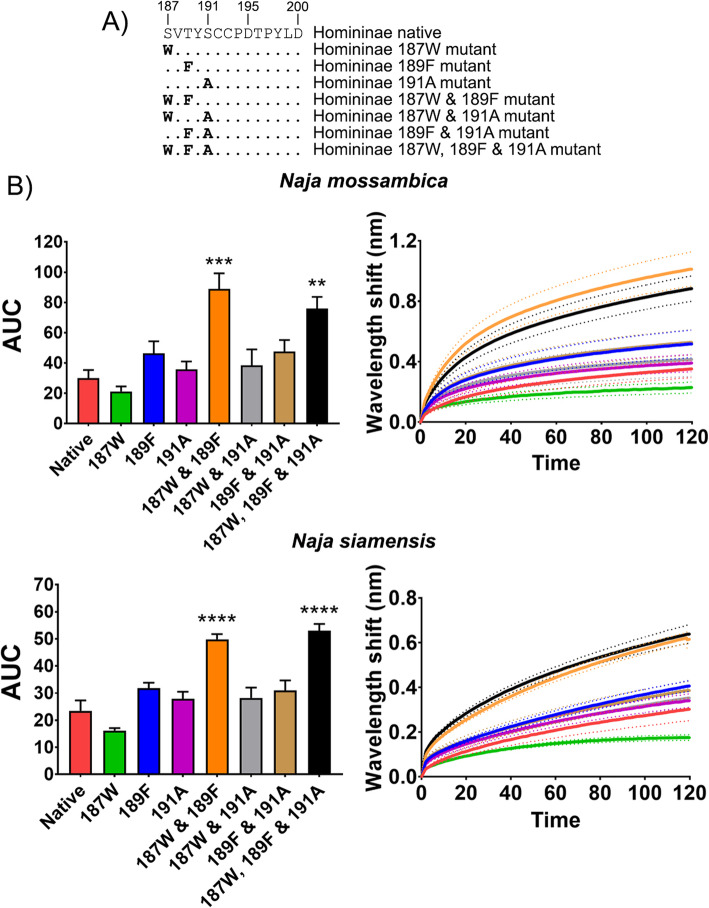
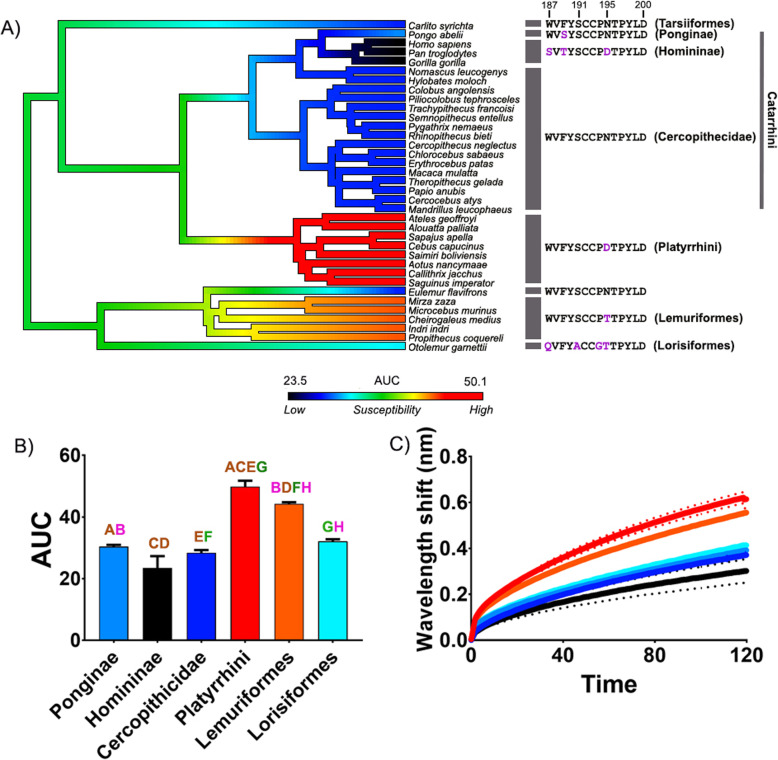
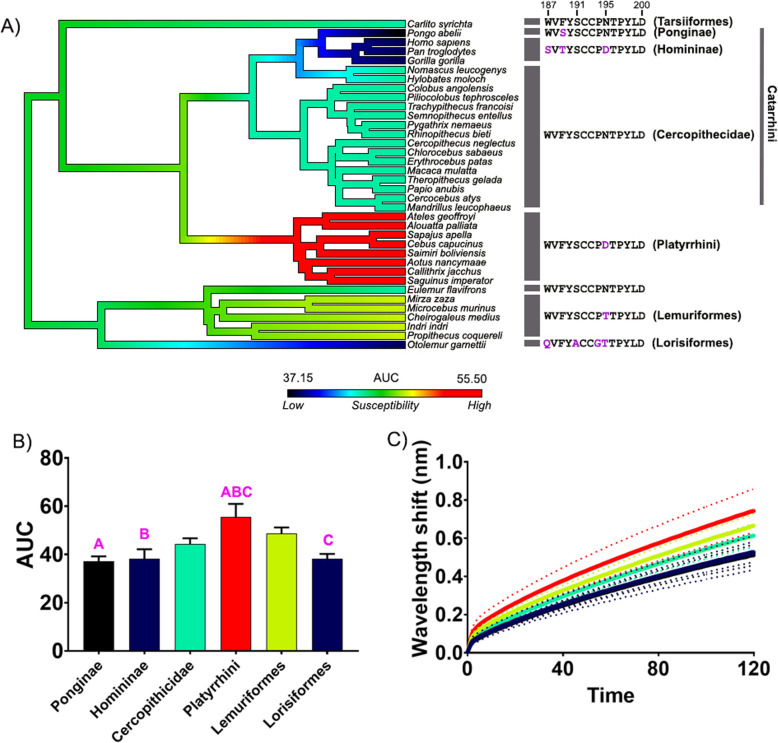
Here, we provide further evidence of coevolution between primates and snakes, whereby through frequent encounters and reciprocal antagonism with large, diurnally active neurotoxic elapid snakes, Afro-Asian primates have evolved an increased resistance to α-neurotoxins, which are toxins that target the nicotinic acetylcholine receptors. In contrast, such resistance is not found in Lemuriformes in Madagascar, where venomous snakes are absent, or in Platyrrhini in the Americas, where encounters with neurotoxic elapids are unlikely since they are relatively small, fossorial, and nocturnal. Within the Afro-Asian primates, the increased resistance toward the neurotoxins was significantly amplified in the last common ancestor of chimpanzees, gorillas, and humans (clade Homininae). Comparative testing of venoms from Afro-Asian and American elapid snakes revealed an increase in α-neurotoxin resistance across Afro-Asian primates, which was likely selected against cobra venoms. Through structure-activity studies using native and mutant mimotopes of the α-1 nAChR receptor orthosteric site (loop C), we identified the specific amino acids responsible for conferring this increased level of resistance in hominine primates to the α-neurotoxins in cobra venom.
We have discovered a pattern of primate susceptibility toward α-neurotoxins that supports the theory of a reciprocal coevolutionary arms-race between venomous snakes and primates.
蛇类和灵长类动物在捕食、猎物和竞争方面有着多层次的共同进化历史。之前的研究探索了蛇类检测理论(SDT),该理论侧重于蛇类作为灵长类动物捕食者的作用,并认为蛇类对灵长类动物视觉系统的起源施加了选择压力,这一特征使灵长类动物与其他哺乳动物区分开来。然而,灵长类动物也会攻击和杀死蛇类,因此蛇类必须同时避开灵长类动物。最近,这一因素在人类进入新地理范围时被强调,这可能导致了眼镜蛇三次独立进化出喷射毒液的行为,这是一种选择压力。
在这里,我们提供了灵长类动物和蛇类之间共同进化的进一步证据,即通过与大型、白天活动的神经毒性眼镜蛇频繁相遇和相互拮抗,非洲-亚洲灵长类动物进化出了对α-神经毒素的更高抗性,α-神经毒素是靶向烟碱型乙酰胆碱受体的毒素。相比之下,在马达加斯加没有毒蛇的狐猴目中,或者在美洲的阔鼻猴类中,都没有发现这种抗性,因为它们体型较小、穴居且夜行。在非洲-亚洲灵长类动物中,这种对神经毒素的抗性在黑猩猩、大猩猩和人类(人科)的最后共同祖先中显著放大。对来自非洲-亚洲和美洲眼镜蛇的毒液的比较测试表明,α-神经毒素抗性在非洲-亚洲灵长类动物中增加,这可能是对眼镜蛇毒液的选择压力。通过使用α-1 nAChR 受体变构位点(环 C)的天然和突变模拟物进行结构活性研究,我们确定了赋予灵长类动物对眼镜蛇毒液中α-神经毒素更高抗性的特定氨基酸。
我们发现了灵长类动物对α-神经毒素易感性的模式,这支持了毒蛇和灵长类动物之间相互进化军备竞赛的理论。