Meade Elaine, Savage Micheal, Garvey Mary
Department of Life Science, Sligo Institute of Technology, Ash Lane, Sligo, Ireland.
Lir Analytical Ltd., Century Business Park, Unit 2, Athlone Rd, Longford, Ireland.
Antibiotics (Basel). 2021 Oct 21;10(11):1283. doi: 10.3390/antibiotics10111283.
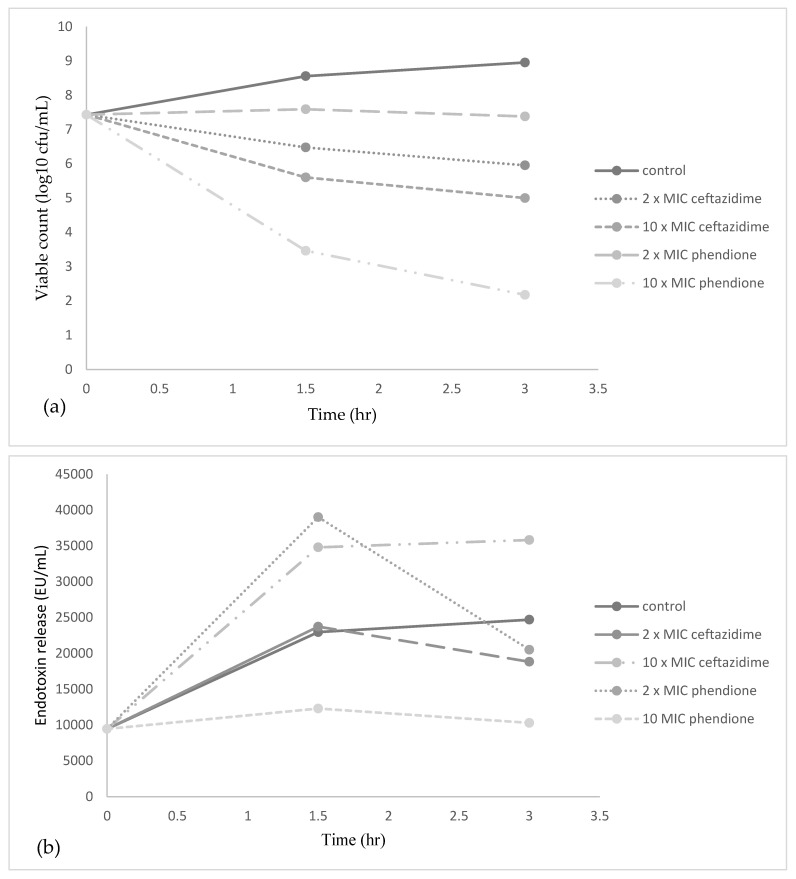
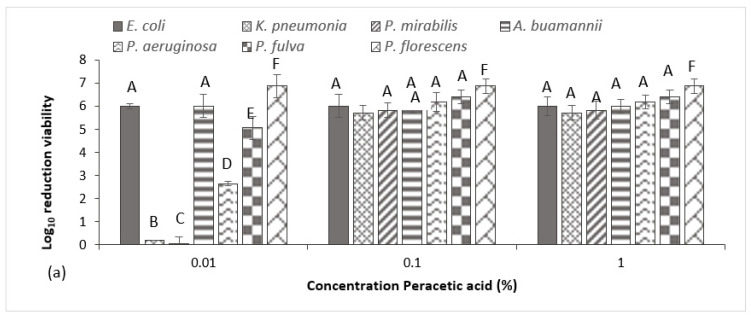
Antimicrobial resistance (AMR) remains one of the greatest public health-perturbing crises of the 21st century, where species have evolved a myriad of defence strategies to resist conventional therapy. The production of extended-spectrum β-lactamase (ESBL), AmpC and carbapenemases in Gram-negative bacteria (GNB) is one such mechanism that currently poses a significant threat to the continuity of first-line and last-line β-lactam agents, where multi-drug-resistant GNB currently warrant a pandemic on their own merit. The World Health Organisation (WHO) has long recognised the need for an improved and coordinated global effort to contain these pathogens, where two factors in particular, international travel and exposure to antimicrobials, play an important role in the emergence and dissemination of antibiotic-resistant genes. Studies described herein assess the resistance patterns of isolated nosocomial pathogens, where levels of resistance were detected using recognised in vitro methods. Additionally, studies conducted extensively investigated alternative biocide (namely peracetic acid, triameen and benzalkonium chloride) and therapeutic options (specifically 1,10-phenanthroline-5,6-dione), where the levels of induced endotoxin from were also studied for the latter. Antibiotic susceptibility testing revealed there was a significant association between multi-drug resistance and ESBL production, where the WHO critical-priority pathogens, namely , , and , exhibited among the greatest levels of multi-drug resistance. Novel compound 1,10-phenanthroline-5,6-dione (phendione) shows promising antimicrobial activity, with MICs determined for all bacterial species, where levels of induced endotoxin varied depending on the concentration used. Tested biocide agents show potential to act as intermediate-level disinfectants in hospital settings, where all tested clinical isolates were susceptible to treatment.
抗菌药物耐药性(AMR)仍然是21世纪最严重的困扰公共卫生的危机之一,各种物种已经进化出无数防御策略来抵抗传统疗法。革兰氏阴性菌(GNB)中产超广谱β-内酰胺酶(ESBL)、AmpC和碳青霉烯酶就是这样一种机制,目前对一线和最后一线β-内酰胺类药物的持续使用构成重大威胁,耐多药GNB本身就足以引发一场大流行。世界卫生组织(WHO)早就认识到需要加强和协调全球努力来控制这些病原体,特别是国际旅行和接触抗菌药物这两个因素在抗生素耐药基因的出现和传播中发挥着重要作用。本文所述研究评估了分离出的医院病原体的耐药模式,使用公认的体外方法检测耐药水平。此外,广泛开展的研究调查了替代杀菌剂(即过氧乙酸、三亚甲胺和苯扎氯铵)和治疗选择(特别是1,10-菲咯啉-5,6-二酮),还研究了后者诱导内毒素的水平。抗生素敏感性测试显示,耐多药与ESBL产生之间存在显著关联,WHO关键优先病原体,即 、 、 和 ,表现出最高水平的耐多药。新型化合物1,10-菲咯啉-5,6-二酮(菲二酮)显示出有前景的抗菌活性,已测定了所有细菌物种的最低抑菌浓度(MIC),诱导内毒素水平因所用浓度而异。测试的杀菌剂在医院环境中显示出有潜力作为中级消毒剂,所有测试的临床分离株对其治疗均敏感。