University Joint Laboratory of Guangdong Province, Hong Kong and Macao Region on Marine Bioresource Conservation and Exploitation, College of Marine Sciences, South China Agricultural University, Guangzhou 510642, China.
Guangdong Laboratory for Lingnan Modern Agriculture, Guangzhou 510642, China.
Int J Mol Sci. 2021 Nov 22;22(22):12597. doi: 10.3390/ijms222212597.
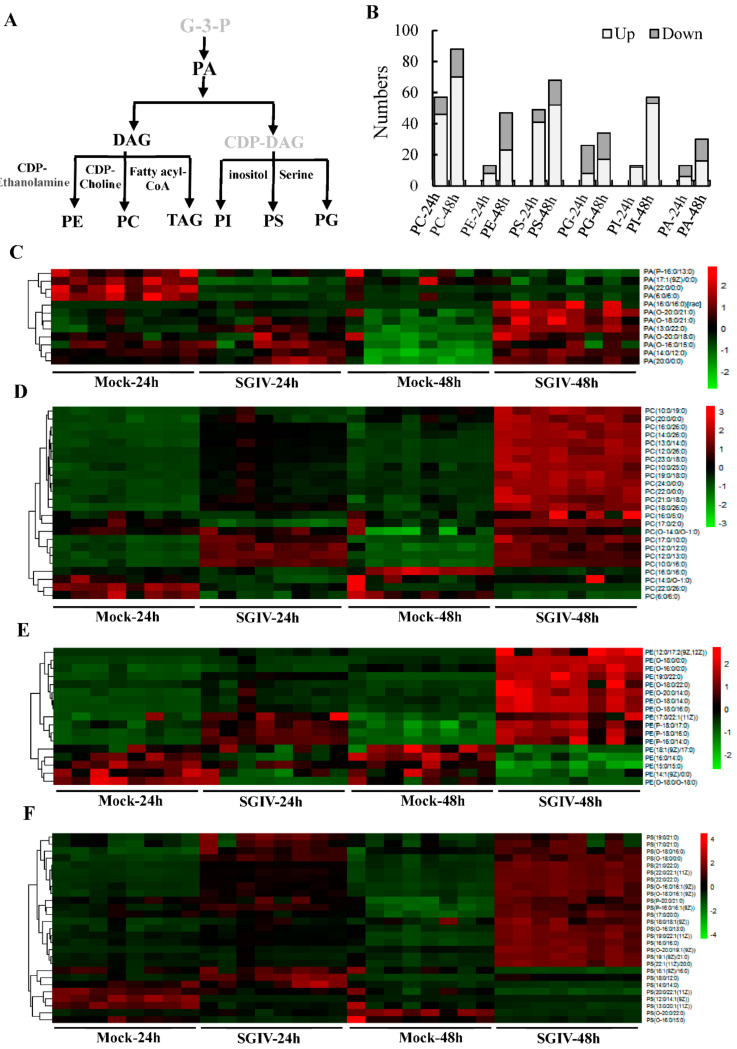
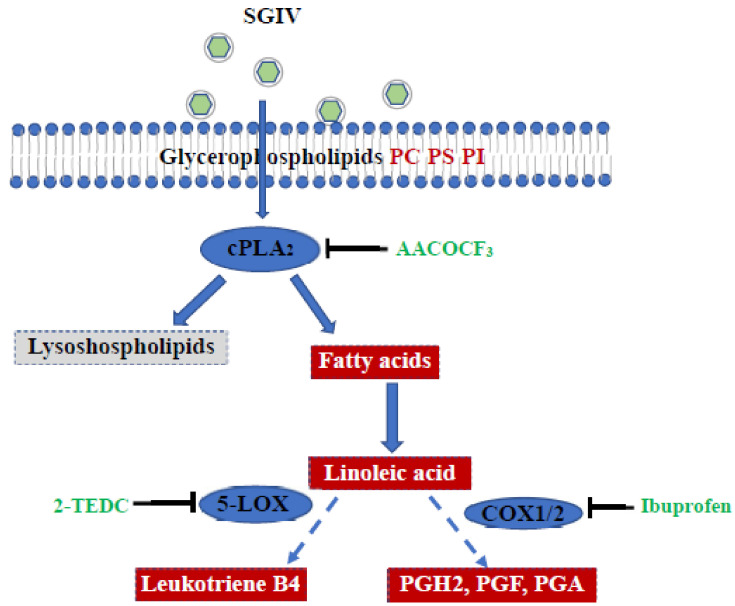
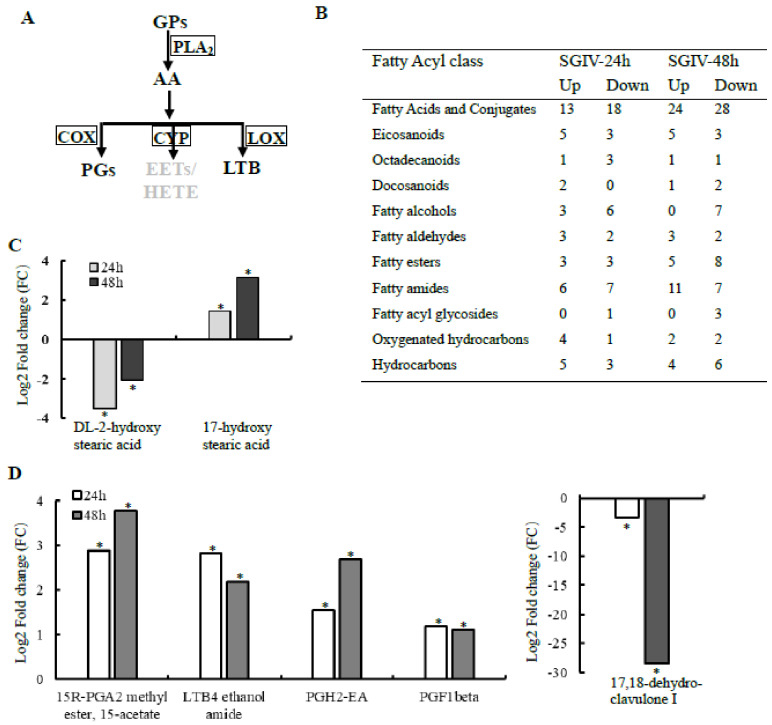
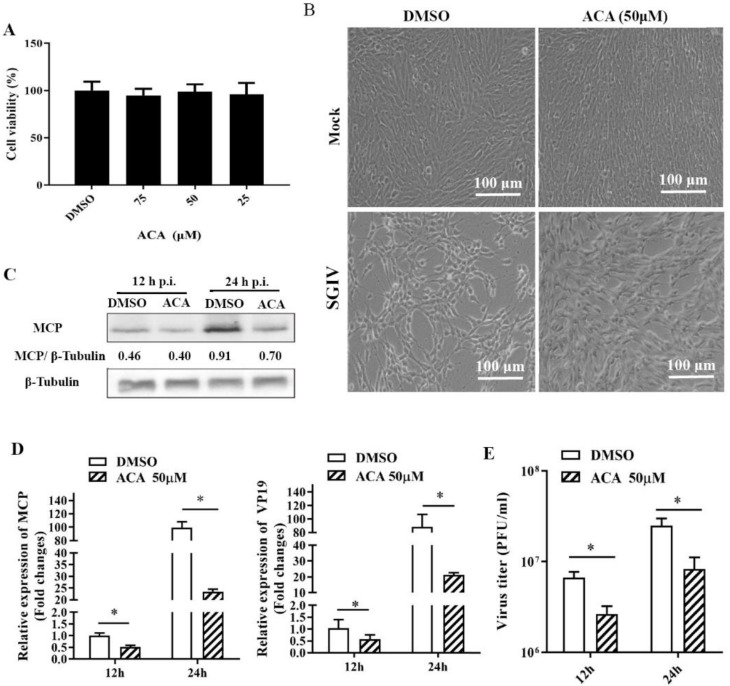
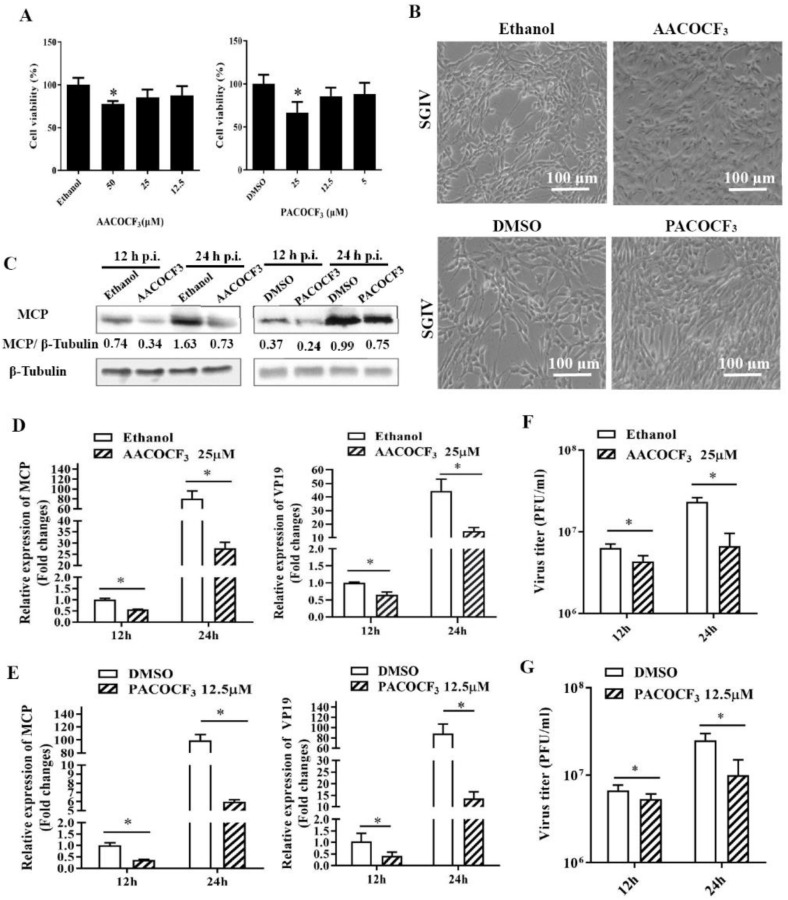
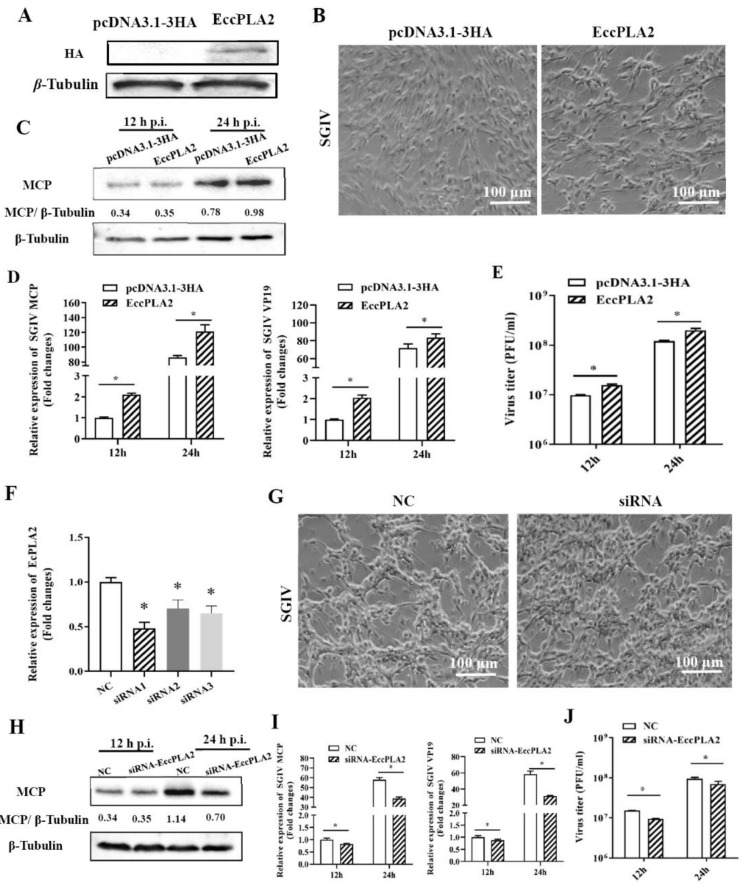
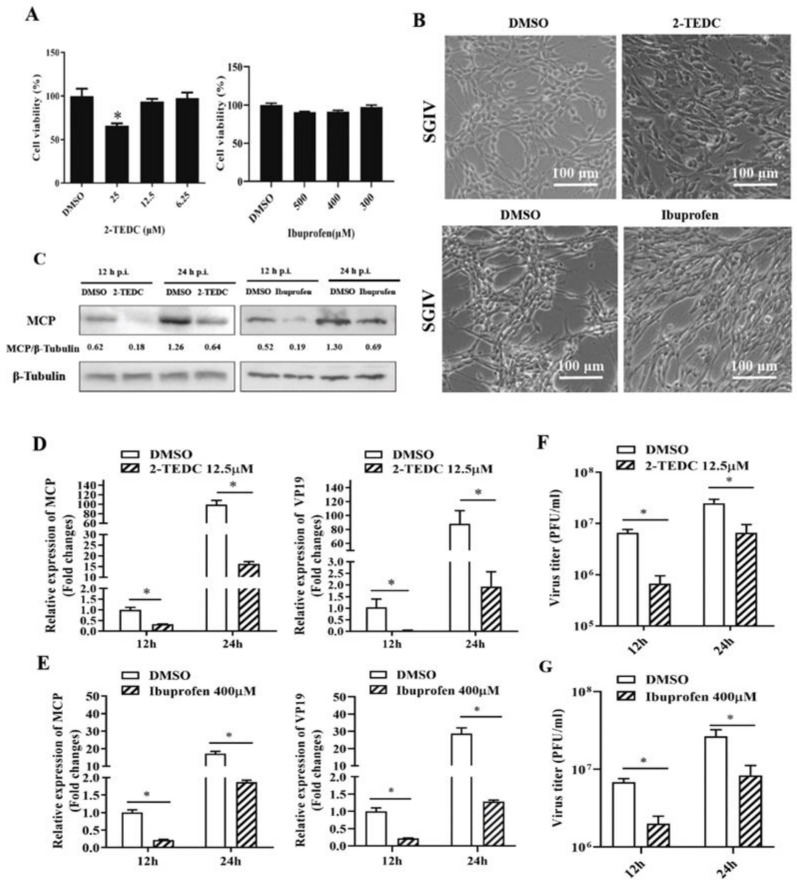
Singapore grouper iridovirus (SGIV), belonging to genus , family , causes great economic losses in the aquaculture industry. Previous studies demonstrated the lipid composition of intracellular unenveloped viruses, but the changes in host-cell glyceophospholipids components and the roles of key enzymes during SGIV infection still remain largely unknown. Here, the whole cell lipidomic profiling during SGIV infection was analyzed using UPLC-Q-TOF-MS/MS. The lipidomic data showed that glycerophospholipids (GPs), including phosphatidylcholine (PC), phosphatidylserine (PS), glycerophosphoinositols (PI) and fatty acids (FAs) were significantly elevated in SGIV-infected cells, indicating that SGIV infection disturbed GPs homeostasis, and then affected the metabolism of FAs, especially arachidonic acid (AA). The roles of key enzymes, such as cytosolic phospholipase A2 (cPLA2), 5-Lipoxygenase (5-LOX), and cyclooxygenase (COX) in SGIV infection were further investigated using the corresponding specific inhibitors. The inhibition of cPLA2 by AACOCF3 decreased SGIV replication, suggesting that cPLA2 might play important roles in the process of SGIV infection. Consistent with this result, the ectopic expression of EccPLA2α or knockdown significantly enhanced or suppressed viral replication in vitro, respectively. In addition, the inhibition of both 5-LOX and COX significantly suppressed SGIV replication, indicating that AA metabolism was essential for SGIV infection. Taken together, our results demonstrated for the first time that SGIV infection in vitro disturbed GPs homeostasis and cPLA2 exerted crucial roles in SGIV replication.
新加坡石斑鱼虹彩病毒(SGIV)属于疱疹病毒科,在水产养殖业中造成了巨大的经济损失。先前的研究表明了细胞内无包膜病毒的脂质组成,但宿主细胞糖磷脂成分的变化以及 SGIV 感染过程中的关键酶的作用在很大程度上仍然未知。在这里,使用 UPLC-Q-TOF-MS/MS 分析了 SGIV 感染期间的全细胞脂质组学特征。脂质组学数据显示,甘油磷脂(GP),包括磷脂酰胆碱(PC)、磷脂酰丝氨酸(PS)、甘油磷酸肌醇(PI)和脂肪酸(FA)在 SGIV 感染细胞中显著升高,表明 SGIV 感染扰乱了 GP 的动态平衡,进而影响了 FA 的代谢,特别是花生四烯酸(AA)。使用相应的特异性抑制剂进一步研究了关键酶,如胞质型磷脂酶 A2(cPLA2)、5-脂氧合酶(5-LOX)和环氧化酶(COX)在 SGIV 感染中的作用。用 AACOCF3 抑制 cPLA2 可降低 SGIV 的复制,表明 cPLA2 可能在 SGIV 感染过程中发挥重要作用。与该结果一致的是,EccPLA2α 的异位表达或敲低分别显著增强或抑制了体外病毒复制。此外,5-LOX 和 COX 的抑制均显著抑制了 SGIV 的复制,表明 AA 代谢对 SGIV 感染至关重要。总之,我们的研究结果首次表明,体外 SGIV 感染扰乱了 GP 的动态平衡,cPLA2 在 SGIV 复制中发挥了关键作用。