Department of Microbiology, Immunology and Pathology, Colorado State University, Fort Collins, Colorado, United States of America.
Markey Center for Structural Biology, Department of Biological Sciences, Purdue University, West Lafayette, Indiana, United States of America.
PLoS Pathog. 2018 Feb 15;14(2):e1006853. doi: 10.1371/journal.ppat.1006853. eCollection 2018 Feb.
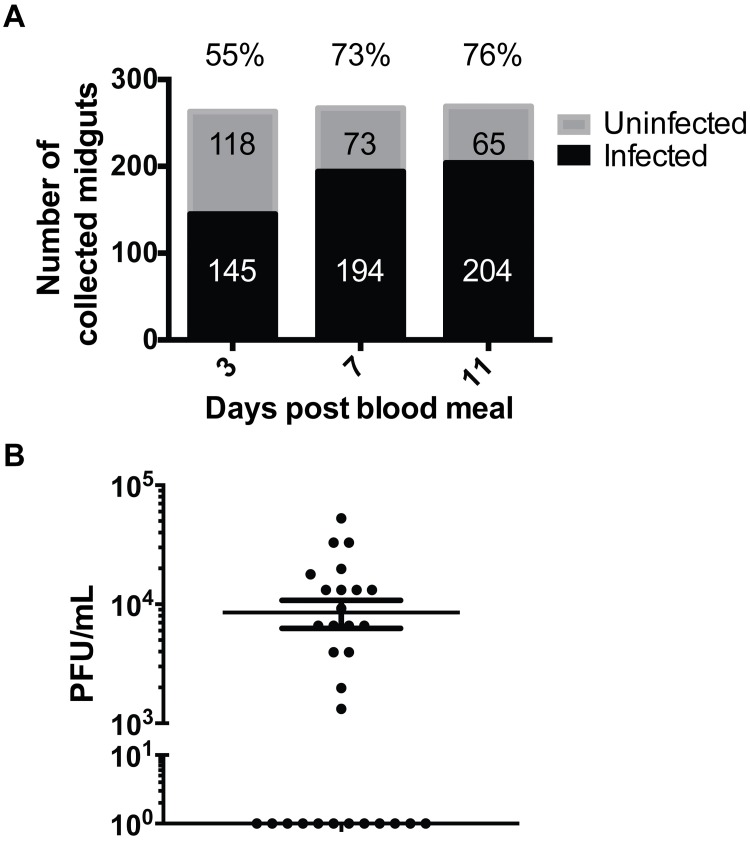
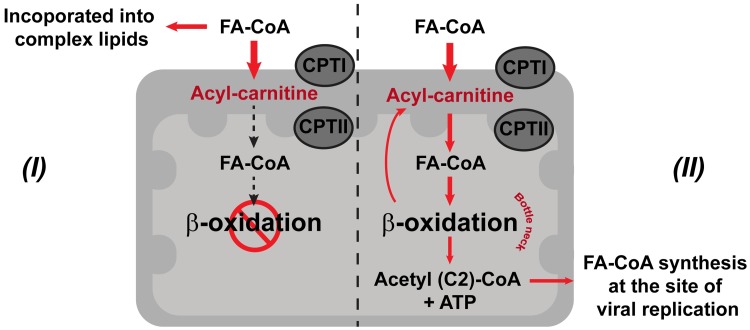
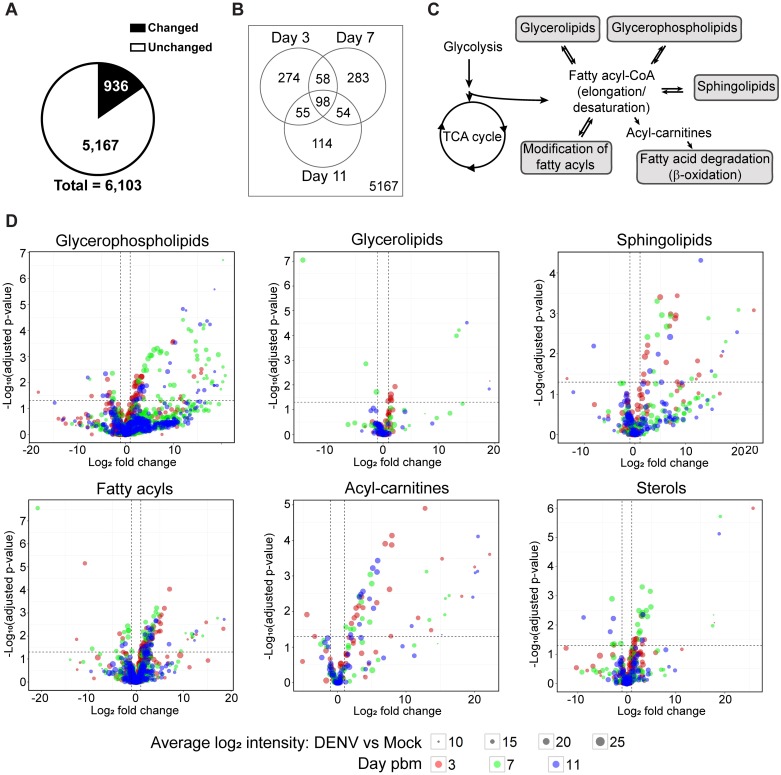
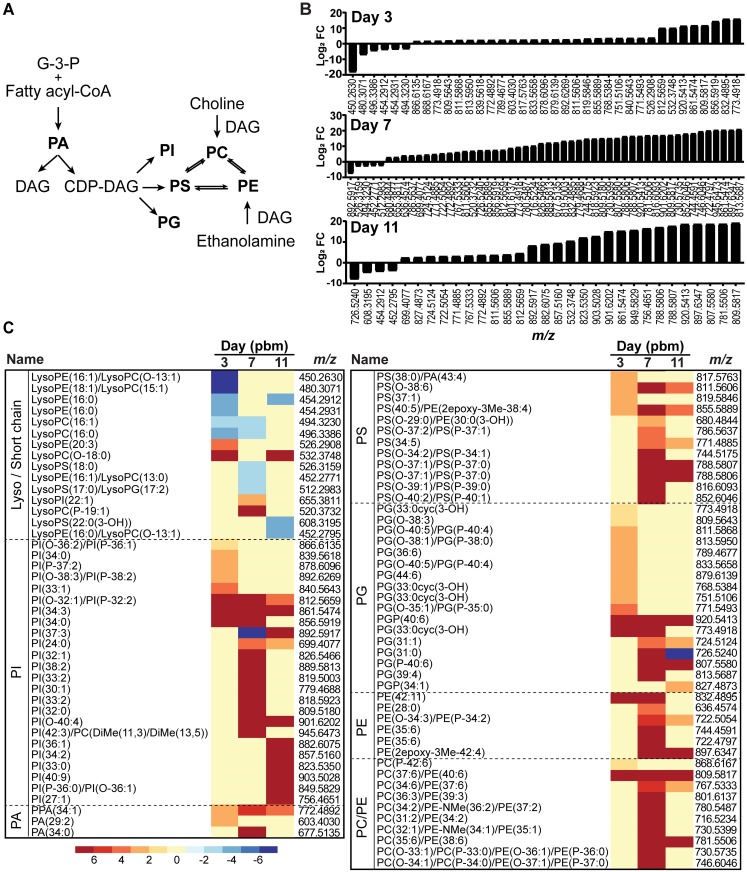
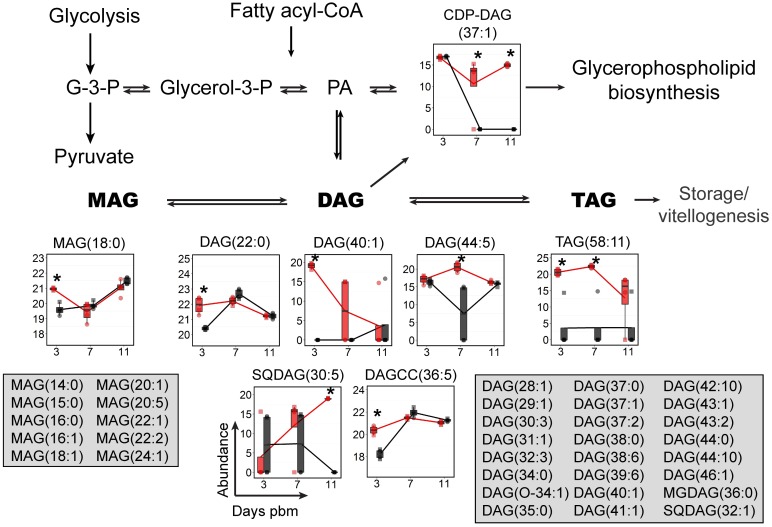
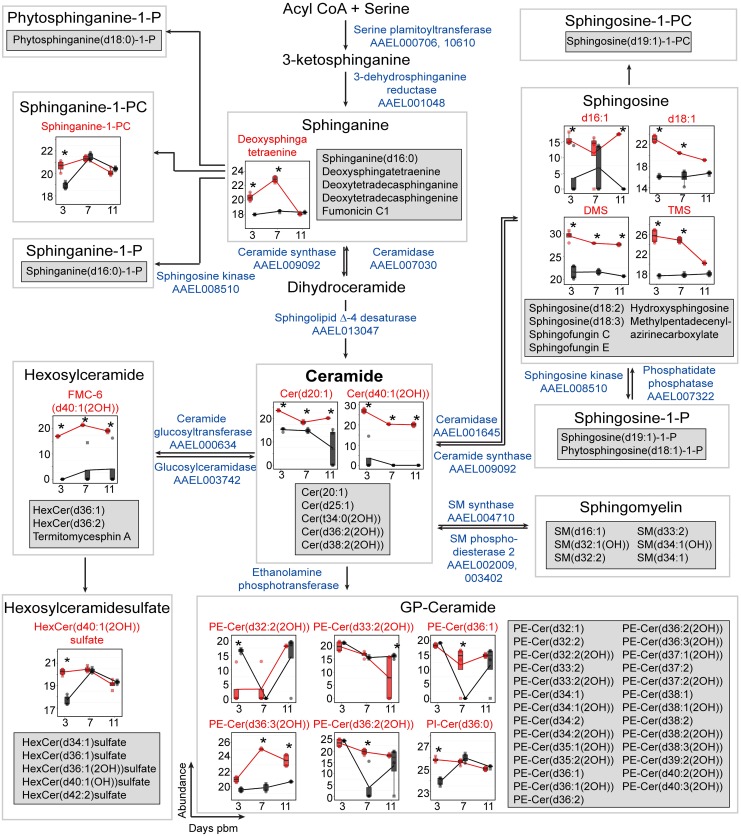
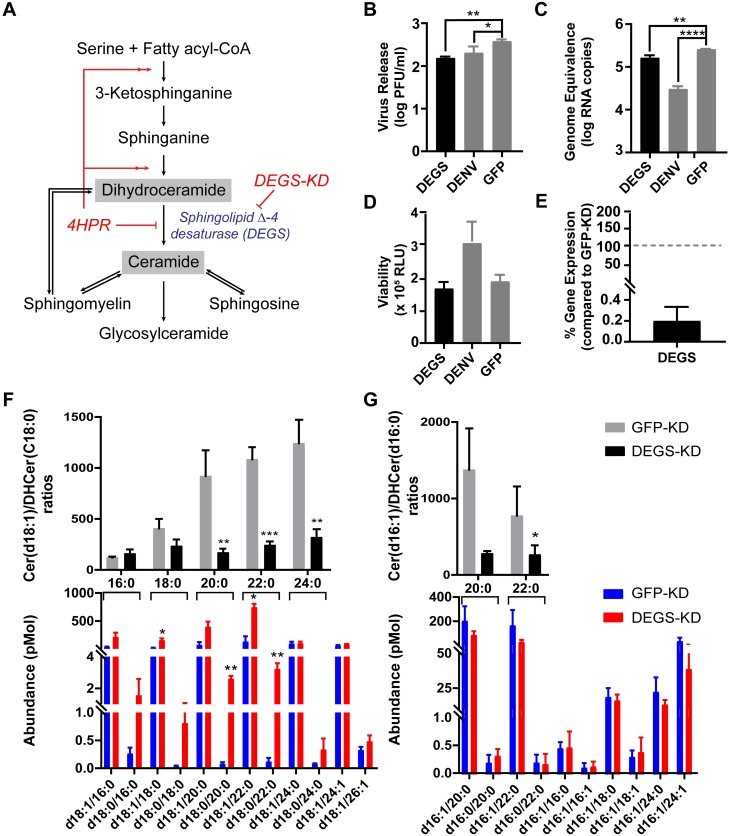
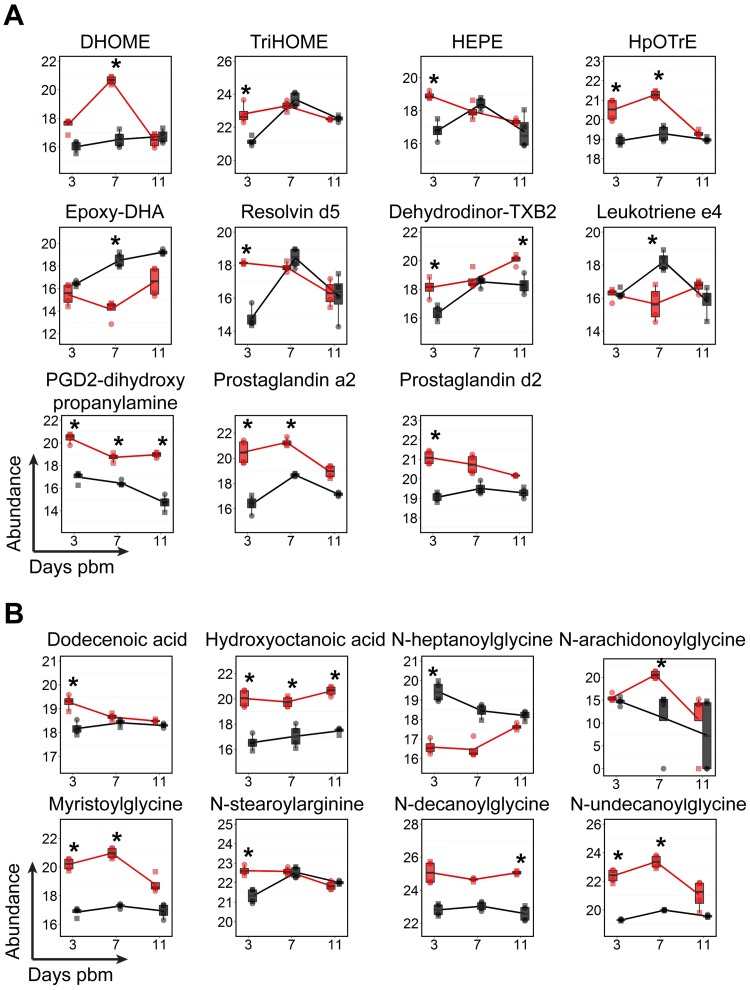
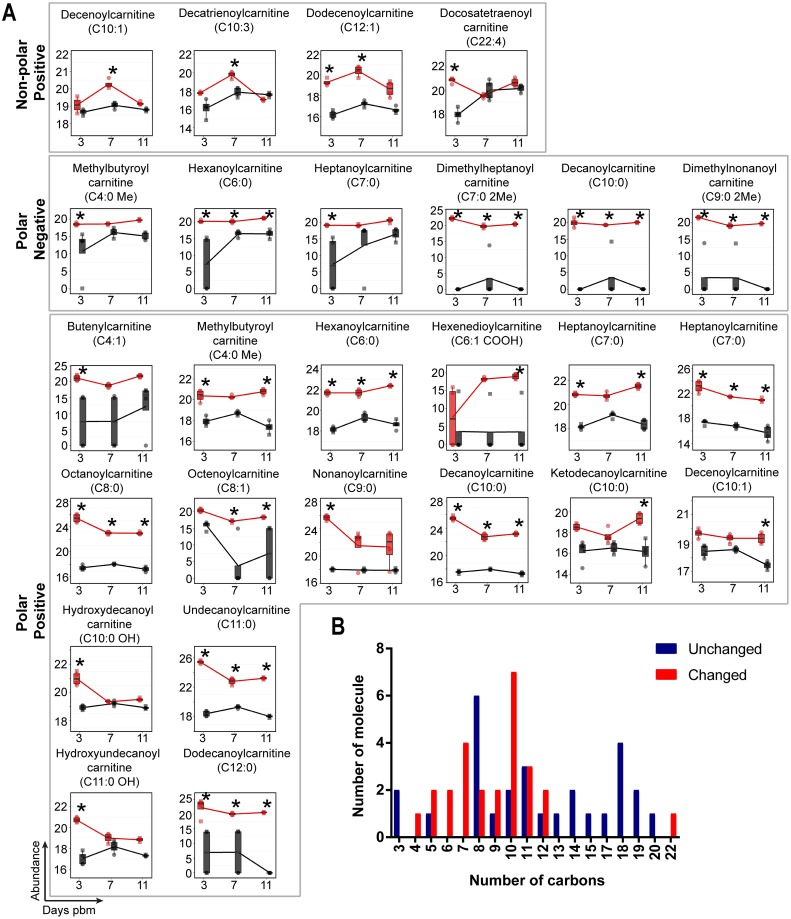
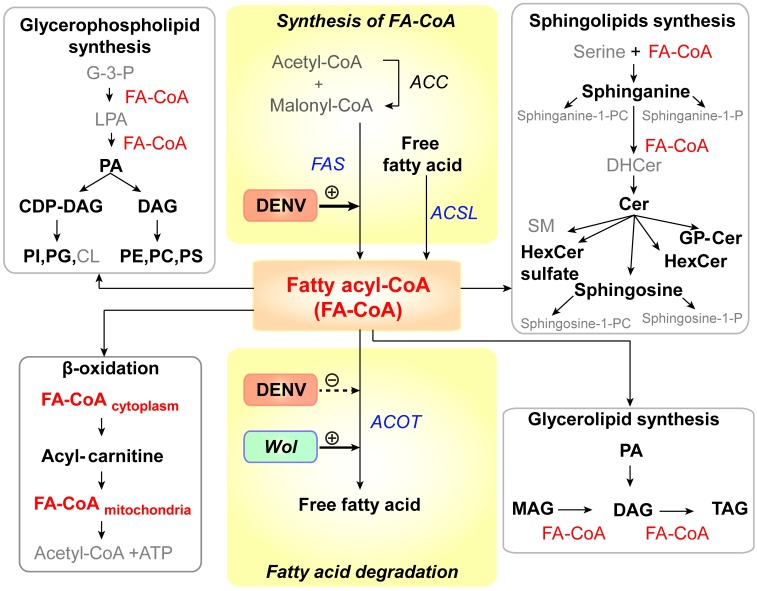
We describe the first comprehensive analysis of the midgut metabolome of Aedes aegypti, the primary mosquito vector for arboviruses such as dengue, Zika, chikungunya and yellow fever viruses. Transmission of these viruses depends on their ability to infect, replicate and disseminate from several tissues in the mosquito vector. The metabolic environments within these tissues play crucial roles in these processes. Since these viruses are enveloped, viral replication, assembly and release occur on cellular membranes primed through the manipulation of host metabolism. Interference with this virus infection-induced metabolic environment is detrimental to viral replication in human and mosquito cell culture models. Here we present the first insight into the metabolic environment induced during arbovirus replication in Aedes aegypti. Using high-resolution mass spectrometry, we have analyzed the temporal metabolic perturbations that occur following dengue virus infection of the midgut tissue. This is the primary site of infection and replication, preceding systemic viral dissemination and transmission. We identified metabolites that exhibited a dynamic-profile across early-, mid- and late-infection time points. We observed a marked increase in the lipid content. An increase in glycerophospholipids, sphingolipids and fatty acyls was coincident with the kinetics of viral replication. Elevation of glycerolipid levels suggested a diversion of resources during infection from energy storage to synthetic pathways. Elevated levels of acyl-carnitines were observed, signaling disruptions in mitochondrial function and possible diversion of energy production. A central hub in the sphingolipid pathway that influenced dihydroceramide to ceramide ratios was identified as critical for the virus life cycle. This study also resulted in the first reconstruction of the sphingolipid pathway in Aedes aegypti. Given conservation in the replication mechanisms of several flaviviruses transmitted by this vector, our results highlight biochemical choke points that could be targeted to disrupt transmission of multiple pathogens by these mosquitoes.
我们描述了埃及伊蚊中肠代谢组的首次全面分析,埃及伊蚊是登革热、寨卡、基孔肯雅热和黄热病等虫媒病毒的主要蚊媒。这些病毒的传播取决于它们感染、复制和从蚊媒中的几个组织中传播的能力。这些组织内的代谢环境在这些过程中起着至关重要的作用。由于这些病毒是包膜的,病毒的复制、组装和释放发生在通过操纵宿主代谢而启动的细胞膜上。干扰这种病毒感染诱导的代谢环境对人源和蚊源细胞培养模型中的病毒复制是有害的。在这里,我们首次深入了解了埃及伊蚊中虫媒病毒复制过程中诱导的代谢环境。我们使用高分辨率质谱法,分析了登革热病毒感染中肠组织后发生的时间代谢扰动。这是感染和复制的主要部位,先于全身病毒传播和传播。我们鉴定了在早期、中期和晚期感染时间点表现出动态谱的代谢物。我们观察到脂质含量明显增加。甘油磷脂、神经鞘脂和脂肪酸酰基的增加与病毒复制的动力学一致。甘油脂质水平的升高表明感染期间资源从能量储存转移到合成途径。酰基肉碱水平升高表明线粒体功能受到干扰,可能会转移能量产生。鉴定出影响二氢神经酰胺与神经酰胺比例的神经鞘脂途径中的中央枢纽,对病毒生命周期至关重要。这项研究还首次重建了埃及伊蚊中的神经鞘脂途径。鉴于该载体传播的几种黄病毒的复制机制具有保守性,我们的研究结果突出了生化阻塞点,这些阻塞点可能成为针对这些蚊子传播多种病原体的目标。