Department of Psychology, University of South Carolina, Columbia, SC 29208, USA.
Cells. 2021 Nov 5;10(11):3037. doi: 10.3390/cells10113037.
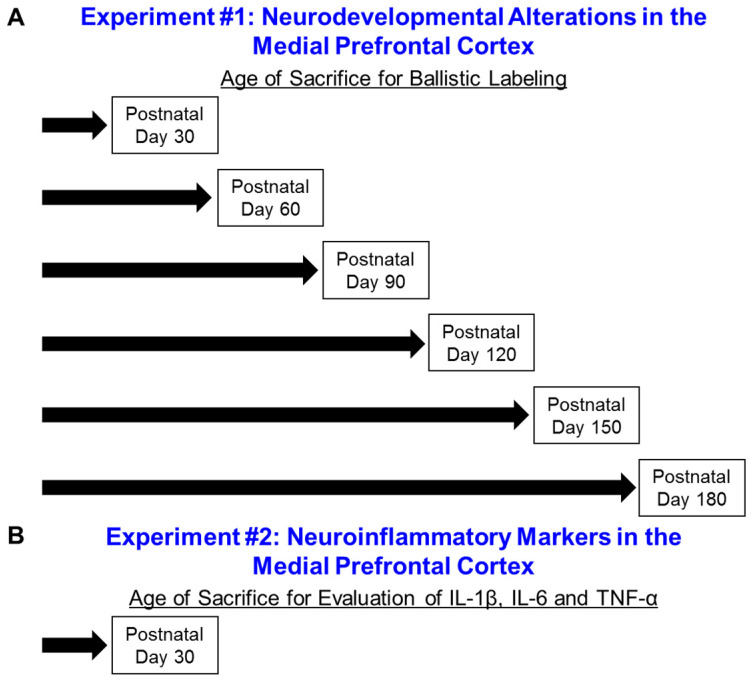
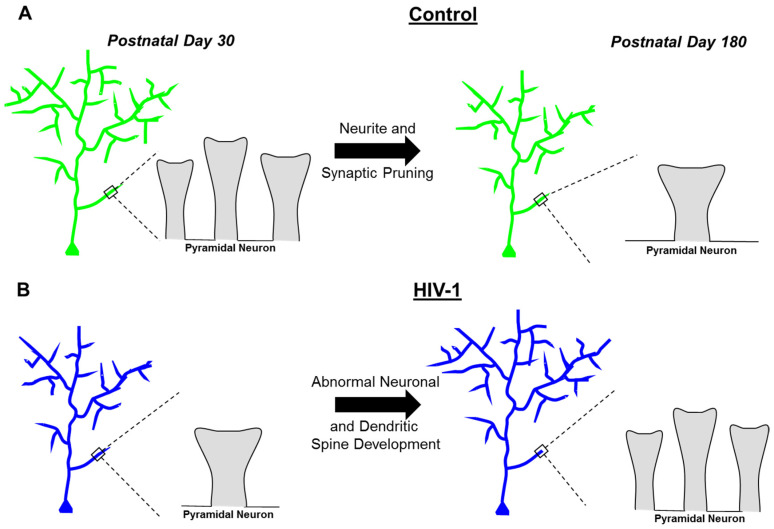
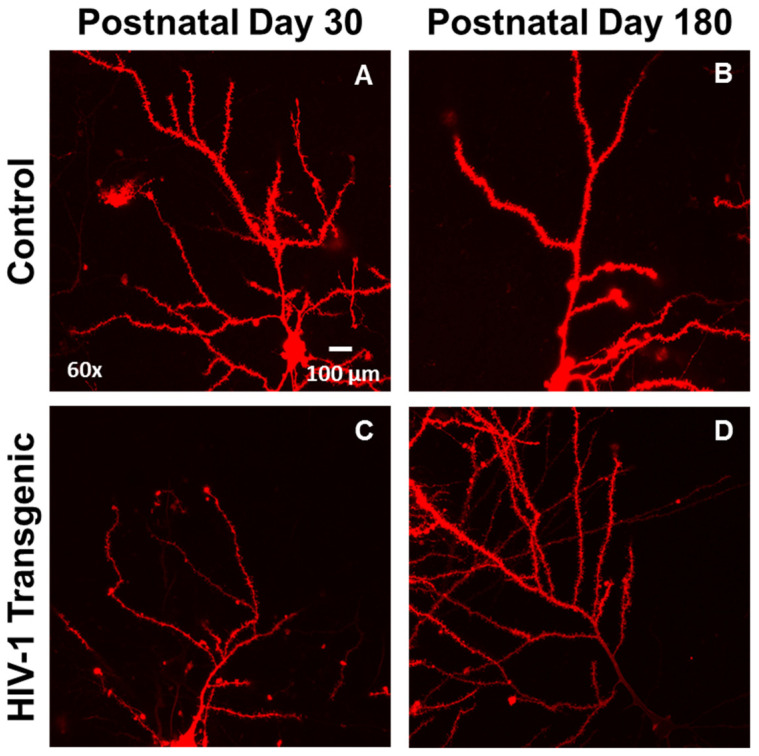
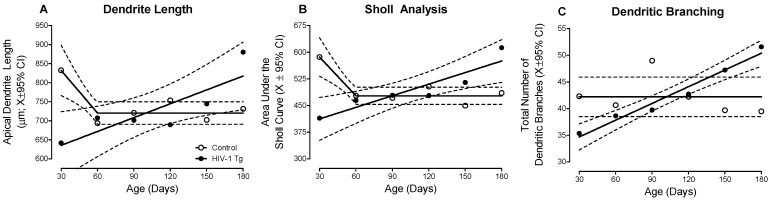
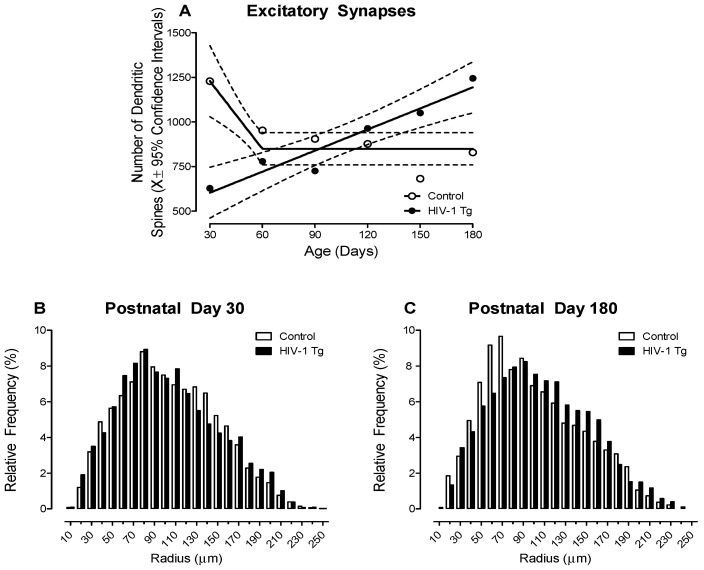
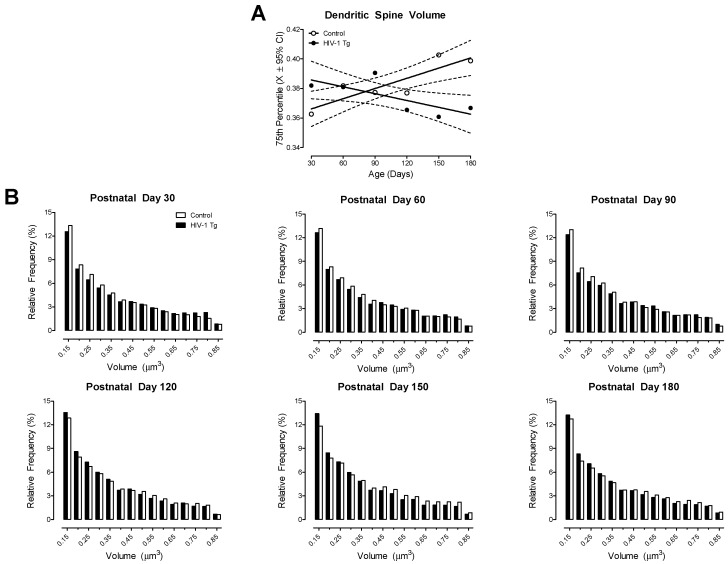
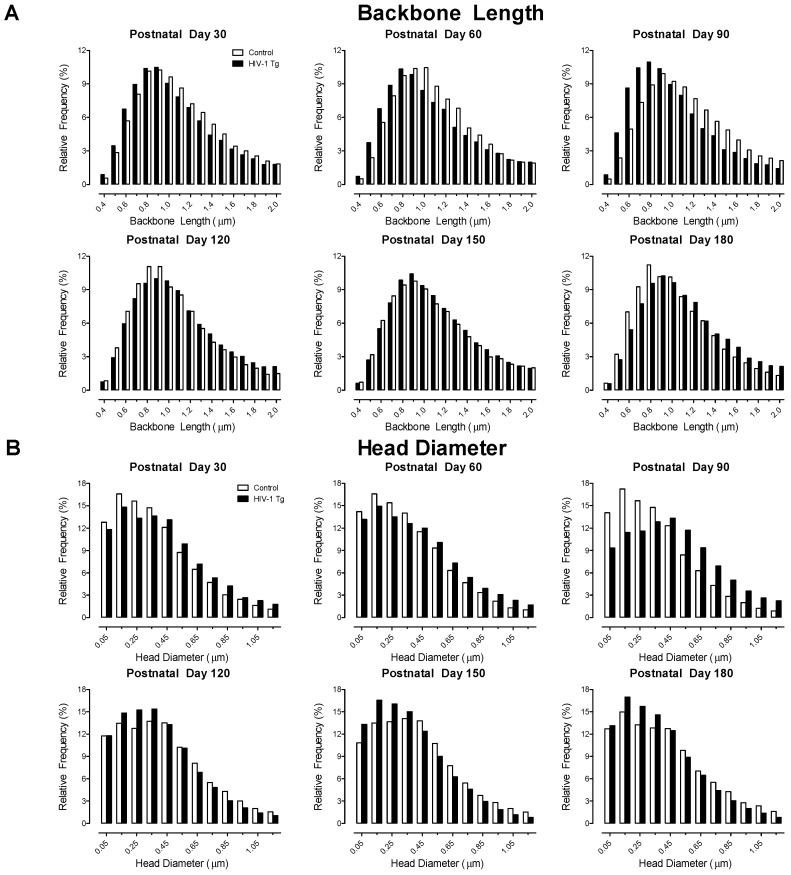
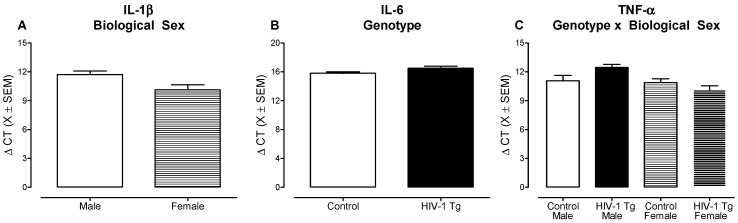
Due to the widespread access to, and implementation of, combination antiretroviral therapy, individuals perinatally infected with human immunodeficiency virus type 1 (HIV-1) are living into adolescence and adulthood. Perinatally infected adolescents living with HIV-1 (pALHIV) are plagued by progressive, chronic neurocognitive impairments; the pathophysiological mechanisms underlying these deficits, however, remain understudied. A longitudinal experimental design from postnatal day (PD) 30 to PD 180 was utilized to establish the development of pyramidal neurons, and associated dendritic spines, from layers II-III of the medial prefrontal cortex (mPFC) in HIV-1 transgenic (Tg) and control animals. Three putative neuroinflammatory markers (i.e., IL-1β, IL-6, and TNF-α) were evaluated early in development (i.e., PD 30) as a potential mechanism underlying synaptic dysfunction in the mPFC. Constitutive expression of HIV-1 viral proteins induced prominent neurodevelopmental alterations and progressive synaptodendritic dysfunction, independent of biological sex, in pyramidal neurons from layers II-III of the mPFC. From a neurodevelopmental perspective, HIV-1 Tg rats exhibited prominent deficits in dendritic and synaptic pruning. With regards to progressive synaptodendritic dysfunction, HIV-1 Tg animals exhibited an age-related population shift towards dendritic spines with decreased volume, increased backbone length, and decreased head diameter; parameters associated with a more immature dendritic spine phenotype. There was no compelling evidence for neuroinflammation in the mPFC during early development. Collectively, progressive neuronal and dendritic spine dysmorphology herald synaptodendritic dysfunction as a key neural mechanism underlying chronic neurocognitive impairments in pALHIV.
由于广泛应用和实施联合抗逆转录病毒疗法,人类免疫缺陷病毒 1 型(HIV-1)先天感染者能够存活至青少年和成年期。感染 HIV-1 的先天感染青少年(pALHIV)深受进行性、慢性神经认知障碍的困扰;然而,这些缺陷的病理生理机制仍研究不足。利用从出生后第 30 天(PD 30)至第 180 天的纵向实验设计,建立了 HIV-1 转基因(Tg)和对照动物内侧前额叶皮质(mPFC)II-III 层锥体神经元及其相关树突棘的发育。在早期发育(即 PD 30)评估了三个潜在的神经炎症标志物(即 IL-1β、IL-6 和 TNF-α),作为 mPFC 突触功能障碍的潜在机制。HIV-1 病毒蛋白的组成型表达诱导了 mPFC II-III 层锥体神经元的明显神经发育改变和进行性突触树突功能障碍,与生物性别无关。从神经发育的角度来看,HIV-1 Tg 大鼠表现出明显的树突和突触修剪缺陷。关于进行性突触树突功能障碍,HIV-1 Tg 动物表现出与年龄相关的群体转移,即树突棘体积减小、主干长度增加和头部直径减小;这些参数与更不成熟的树突棘表型相关。在早期发育过程中,mPFC 中没有明显的神经炎症证据。综上所述,进行性神经元和树突棘形态异常预示着突触树突功能障碍是 pALHIV 慢性神经认知障碍的关键神经机制。