Menzel Teresa, Weigert Sebastian, Gagsteiger Andreas, Eich Yannik, Sittl Sebastian, Papastavrou Georg, Ruckdäschel Holger, Altstädt Volker, Höcker Birte
Department of Polymer Engineering, University of Bayreuth, Universitätsstraße 30, 95447 Bayreuth, Germany.
Department of Biochemistry, University of Bayreuth, Universitätsstraße 30, 95447 Bayreuth, Germany.
Polymers (Basel). 2021 Nov 10;13(22):3885. doi: 10.3390/polym13223885.
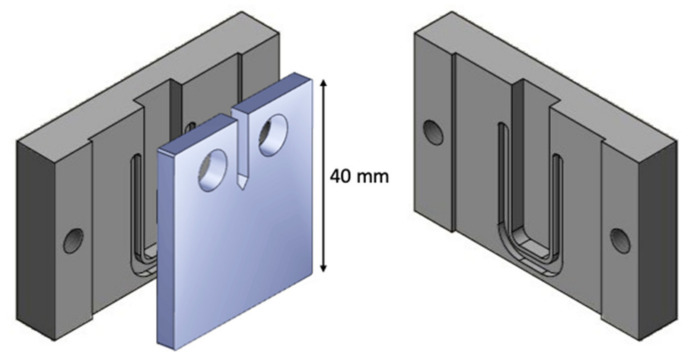
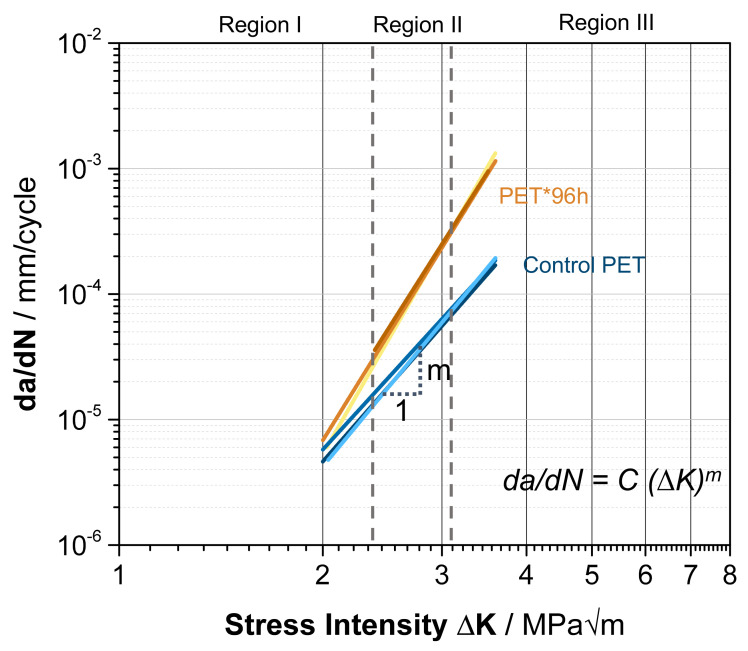
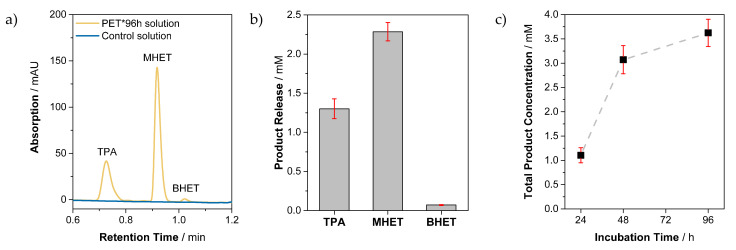
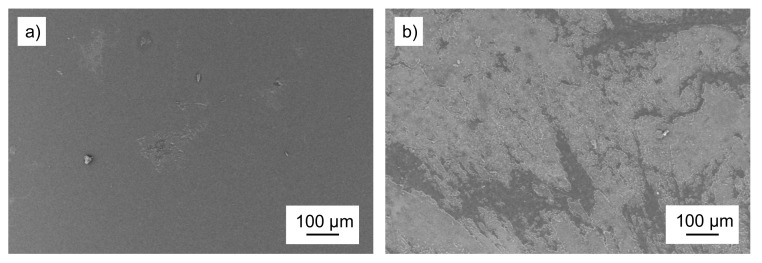
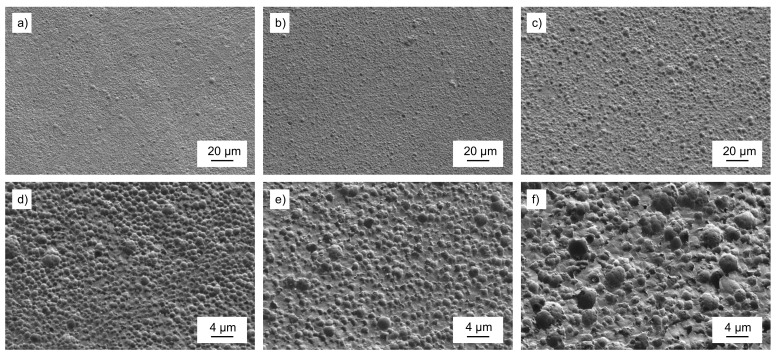
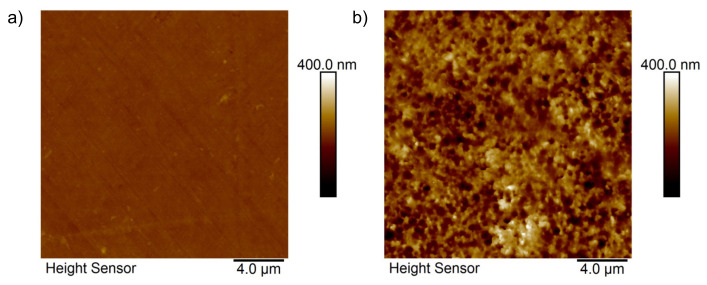
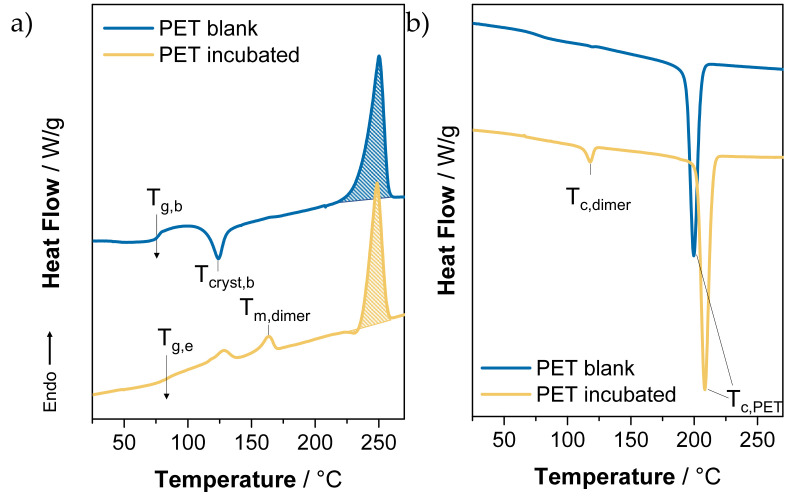
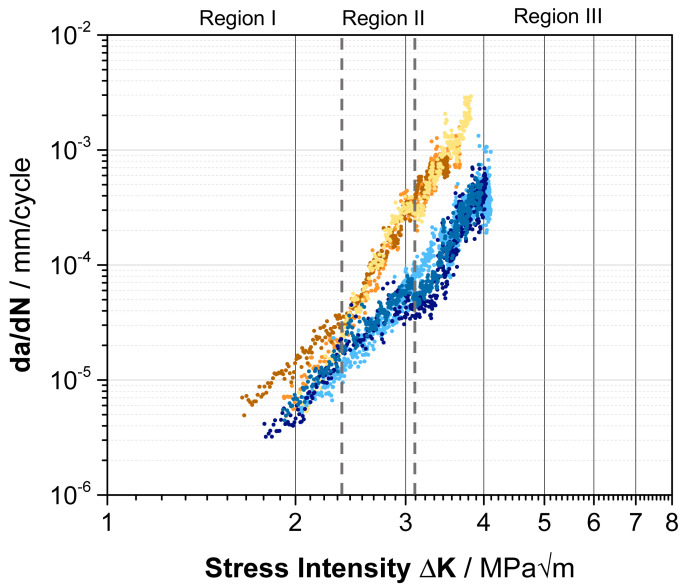
With macroscopic litter and its degradation into secondary microplastic as a major source of environmental pollution, one key challenge is understanding the pathways from macro- to microplastic by abiotic and biotic environmental impact. So far, little is known about the impact of biota on material properties. This study focuses on recycled, bottle-grade poly(ethylene terephthalate) (r-PET) and the degrading enzyme PETase from . Compact tension (CT) specimens were incubated in an enzymatic solution and thermally and mechanically characterized. A time-dependent study up to 96 h revealed the formation of steadily growing colloidal structures. After 96 h incubation, high amounts of BHET dimer were found in a near-surface layer, affecting crack propagation and leading to faster material failure. The results of this pilot study show that enzymatic activity accelerates embrittlement and favors fragmentation. We conclude that PET-degrading enzymes must be viewed as a potentially relevant acceleration factor in macroplastic degradation.
宏观垃圾及其降解为次生微塑料是环境污染的主要来源,一个关键挑战是了解非生物和生物环境影响下从宏观塑料到微塑料的转化途径。到目前为止,关于生物群对材料特性的影响知之甚少。本研究聚焦于回收的瓶级聚对苯二甲酸乙二酯(r-PET)和来自[具体来源未给出]的降解酶PETase。紧凑拉伸(CT)试样在酶溶液中孵育,并进行热学和力学表征。一项长达96小时的时间依赖性研究揭示了不断增长的胶体结构的形成。孵育96小时后,在近表层发现大量的对苯二甲酸双羟乙酯二聚体,影响裂纹扩展并导致材料更快失效。这项初步研究的结果表明,酶活性会加速脆化并促进破碎。我们得出结论,必须将PET降解酶视为宏观塑料降解中一个潜在的相关加速因素。