Ladino Liliana, Sánchez Nathalia, Vázquez-Frias Rodrigo, Koletzko Berthold
Faculty of Medicine, Research Institute on Nutrition, Genetics and Metabolism IINGM, Universidad El Bosque, Bogotá 110121, Colombia.
Nutrition Working Group, Latin-American Society for Pediatric Gastroenterology Hepatology and Nutrition LASPGHAN, Mexico City 11560, Mexico.
Nutrients. 2021 Nov 4;13(11):3942. doi: 10.3390/nu13113942.
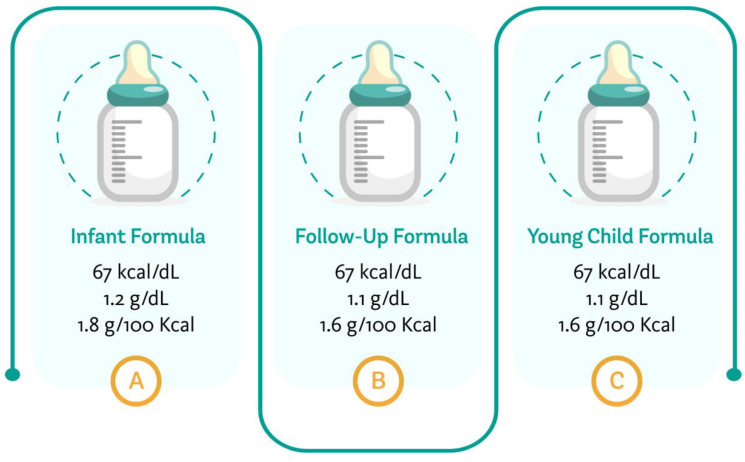
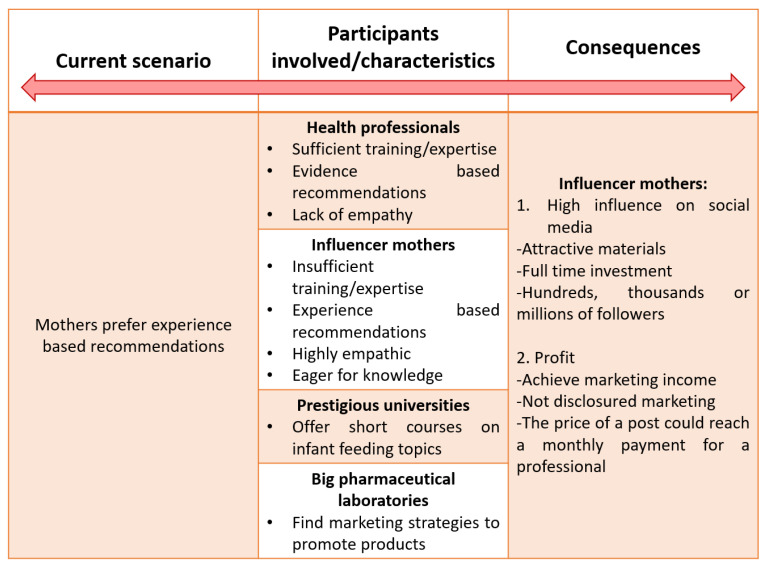
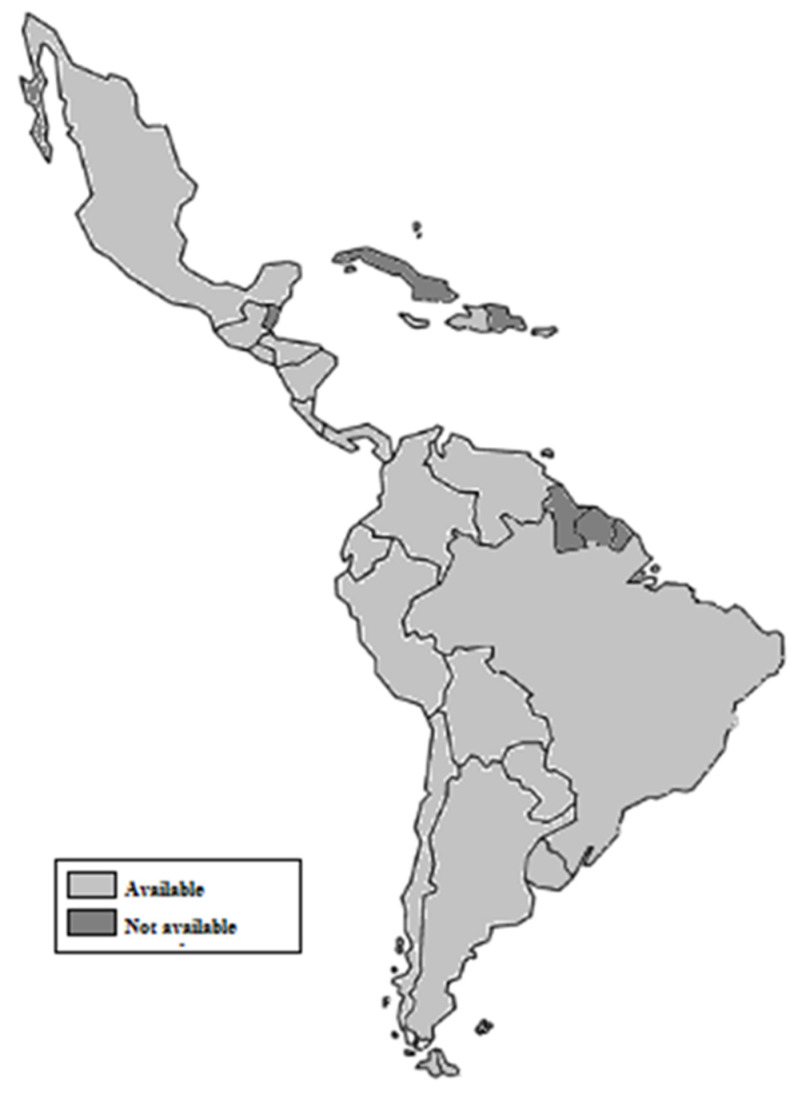
Infant formula is the only acceptable substitute for breastmilk from 0 to 6 months old when human milk cannot be provided in sufficient amounts. Manufacturers have developed options that intend to meet the changing needs of the child aged from six to twelve months (follow-on formulae) and after the age of one year (young child formulae). The international code for marketing breast milk substitute stipulates standards for marketing practices of these products. In Latin America there are local variations of marketing practices. Novel marketing strategies such as advertising through social media and influencers pose new threats for breastfeeding success in Latin America. This review aims to examine variations in local regulations for marketing of infant formulae and to analyze the emerging phenomenon of influencer advertising. We reviewed the local norms for Latin American countries and examined differences and possible gaps. Emerging evidence of influencer marketing was explored. The results indicate that national regulations differ among Latin American countries, particularly with respect to product labelling and the requirement to use a local native language, highlighting the cost of the product, and different regulations prohibiting certain messages and illustrations. Regarding new marketing strategies, there is limited evidence on advertising infant formula through social media influencers, where different categories of marketing strategies can be described. More transparent reporting of social marketing by formula providers and more independent research on novel marketing strategies are needed.
婴儿配方奶粉是0至6个月大时母乳无法足量供应时唯一可接受的母乳替代品。制造商已开发出旨在满足6至12个月大儿童(后续配方奶粉)及1岁以后儿童(幼儿配方奶粉)不断变化需求的产品。母乳代用品销售国际准则规定了这些产品的销售规范标准。在拉丁美洲,销售规范存在地区差异。通过社交媒体和有影响力的人进行广告宣传等新型营销策略对拉丁美洲母乳喂养的成功构成了新威胁。本综述旨在研究婴儿配方奶粉销售地方法规的差异,并分析有影响力的人进行广告宣传这一新兴现象。我们审查了拉丁美洲国家的地方法规,研究了差异和可能存在的差距。探讨了有影响力的人进行营销的新证据。结果表明,拉丁美洲国家的国家法规存在差异,特别是在产品标签以及使用当地母语的要求、突出产品成本以及禁止某些信息和插图的不同规定方面。关于新的营销策略,通过社交媒体有影响力的人宣传婴儿配方奶粉的证据有限,其中可以描述不同类别的营销策略。配方奶粉供应商需要更透明地报告社会营销情况,并且需要对新型营销策略进行更独立的研究。