Division of Allergy, Pulmonary & Critical Care Medicine, Department of Medicine, University of Wisconsin School of Medicine & Public Health, Madison, Wis.
Division of Allergy, Pulmonary & Critical Care Medicine, Department of Medicine, University of Wisconsin School of Medicine & Public Health, Madison, Wis; Division of Allergy, Immunology & Rheumatology, Department of Pediatrics, University of Wisconsin School of Medicine & Public Health, Madison, Wis.
J Allergy Clin Immunol Pract. 2022 Mar;10(3):658-663. doi: 10.1016/j.jaip.2021.10.072. Epub 2021 Nov 25.
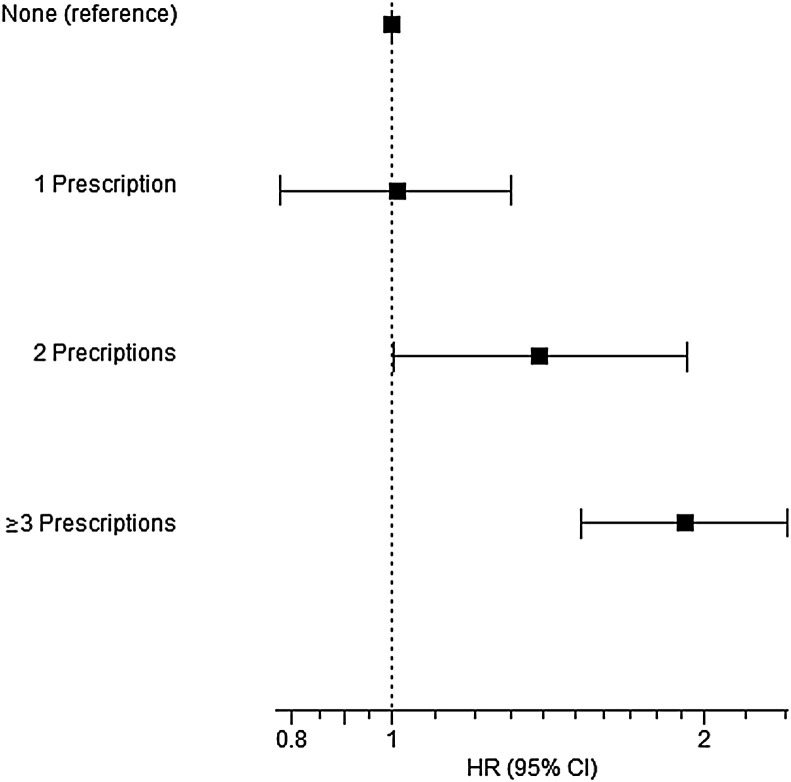
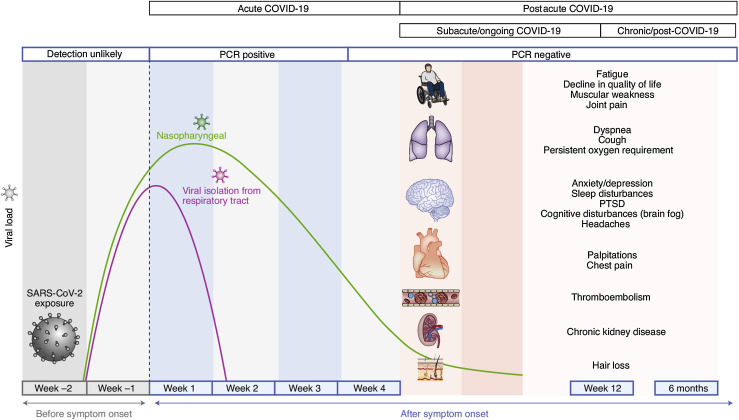
The severe acute respiratory syndrome coronavirus 2, which causes coronavirus disease 2019 (COVID-19), has infected more than 200 million and led to the deaths of more than 4.3 million people. Although there are known risk factors for severe disease, asthma was initially hypothesized to be a risk factor for severe disease given the association between asthma exacerbations and respiratory viral illnesses in general. Fortunately, clinical outcomes for patients with asthma overall are similar to those for patients without asthma, without convincing evidence that asthma is a risk factor for severe disease. This may be explained in part by the decreasing gradient of angiotensin-converting enzyme-2 receptor from the upper to lower respiratory epithelium and that aeroallergen-sensitized patients with asthma can have up to 50% reduction in angiotensin-converting enzyme-2 receptor expression. Vaccination for patients with asthma is recommended for all without clear contraindications. COVID-19-specific treatment options are available depending on the severity of disease. We caution the use of systemic corticosteroids in patients with asthma not requiring supplemental oxygen given an association with worse outcomes. Postacute COVID-19 syndrome or long-haul COVID does not appear to be more prevalent in the population with asthma, and a multidisciplinary approach to care is a reasonable option.
导致 2019 年冠状病毒病(COVID-19)的严重急性呼吸综合征冠状病毒 2 已感染超过 2 亿人,并导致超过 430 万人死亡。尽管已知严重疾病的危险因素,但由于哮喘发作与一般呼吸道病毒病之间存在关联,最初假设哮喘是严重疾病的危险因素。幸运的是,哮喘患者的总体临床结局与无哮喘患者相似,没有令人信服的证据表明哮喘是严重疾病的危险因素。这在一定程度上可以解释为从上呼吸道到下呼吸道上皮的血管紧张素转换酶-2 受体的递减梯度,以及哮喘致敏的变应原患者的血管紧张素转换酶-2 受体表达减少多达 50%。对于没有明确禁忌证的患者,建议接种疫苗。根据疾病的严重程度,有 COVID-19 特异性治疗选择。我们警告哮喘患者不要在不需要补充氧气的情况下使用全身性皮质类固醇,因为它们与更差的结局相关。急性 COVID-19 后综合征或长途 COVID 在哮喘人群中似乎并不更为普遍,多学科治疗方法是合理的选择。