German Cancer Research Center (DKFZ), 69120, Heidelberg, Germany; Heidelberg University, 69120, Heidelberg, Germany.
German Cancer Research Center (DKFZ), 69120, Heidelberg, Germany; Department of Internal Medicine I and Clinical Chemistry, University Hospital Heidelberg, Germany.
Mol Metab. 2022 Jan;55:101406. doi: 10.1016/j.molmet.2021.101406. Epub 2021 Nov 25.
Methylglyoxal (MG) is a highly reactive α-oxoaldehyde that glycates proteins. MG has been linked to the development of diabetic complications: MG is the major precursor of advanced glycation end products (AGEs), a risk marker for diabetic complications in humans. Furthermore, flies and fish with elevated MG develop insulin resistance, obesity, and hyperglycemia. MG is detoxified in large part through the glyoxalase system, whose rate-limiting enzyme is glyoxalase I (Glo1). Hence, we aimed to study how Glo1 activity is regulated.
We studied the regulation and effect of post-translational modifications of Glo1 in tissue culture and in mouse models of diabetes.
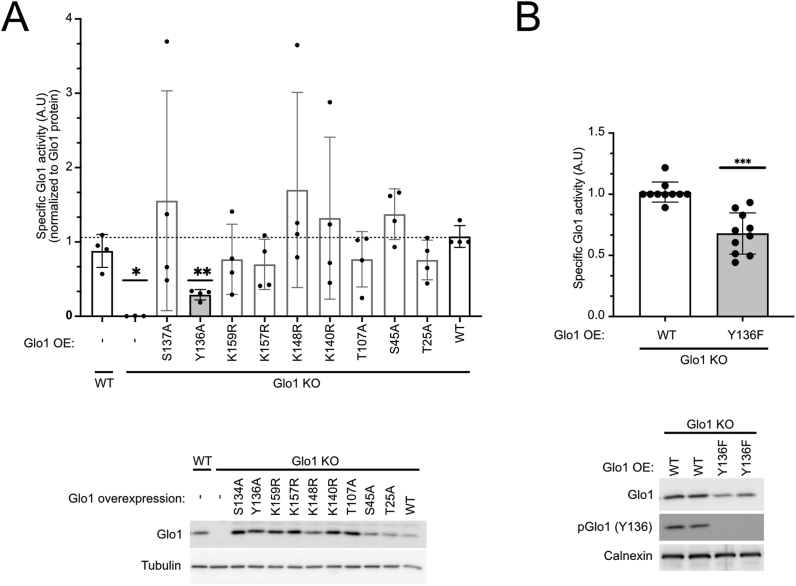
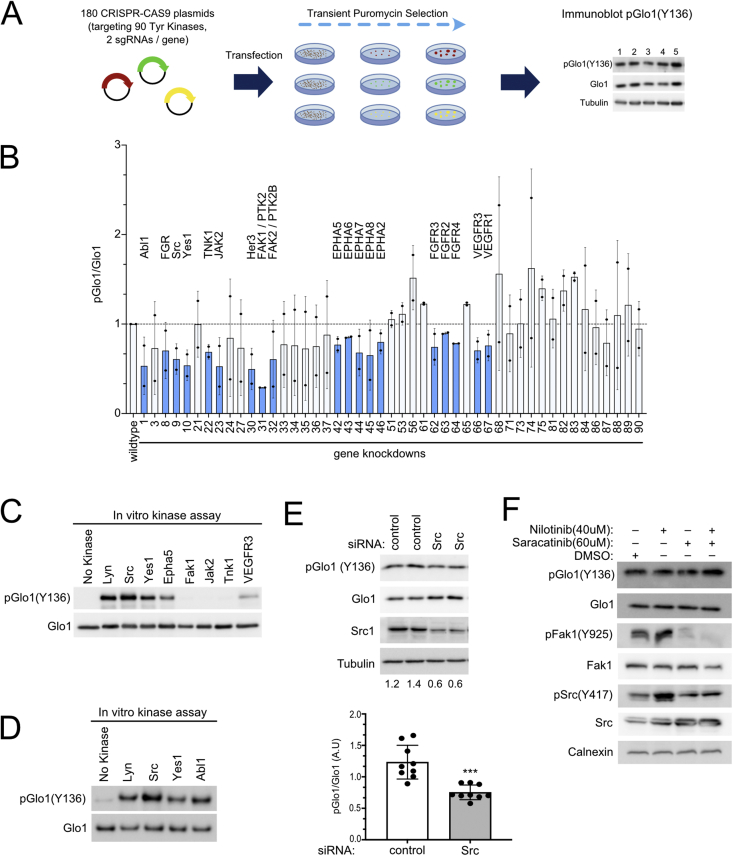
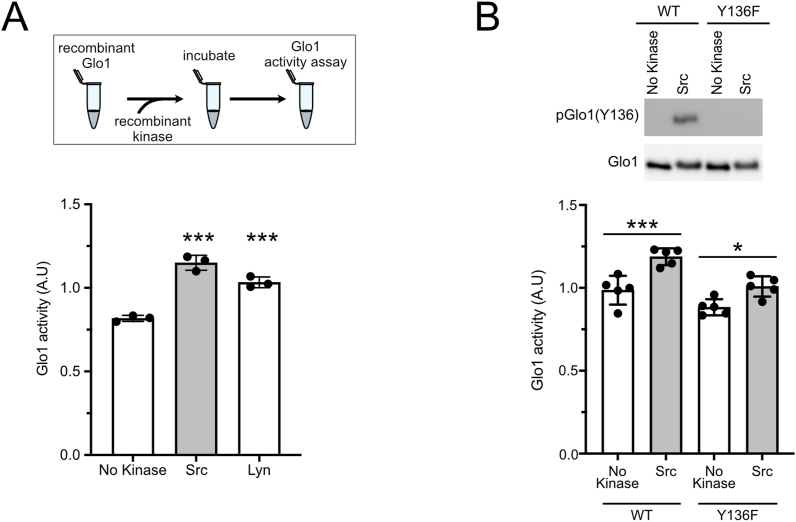
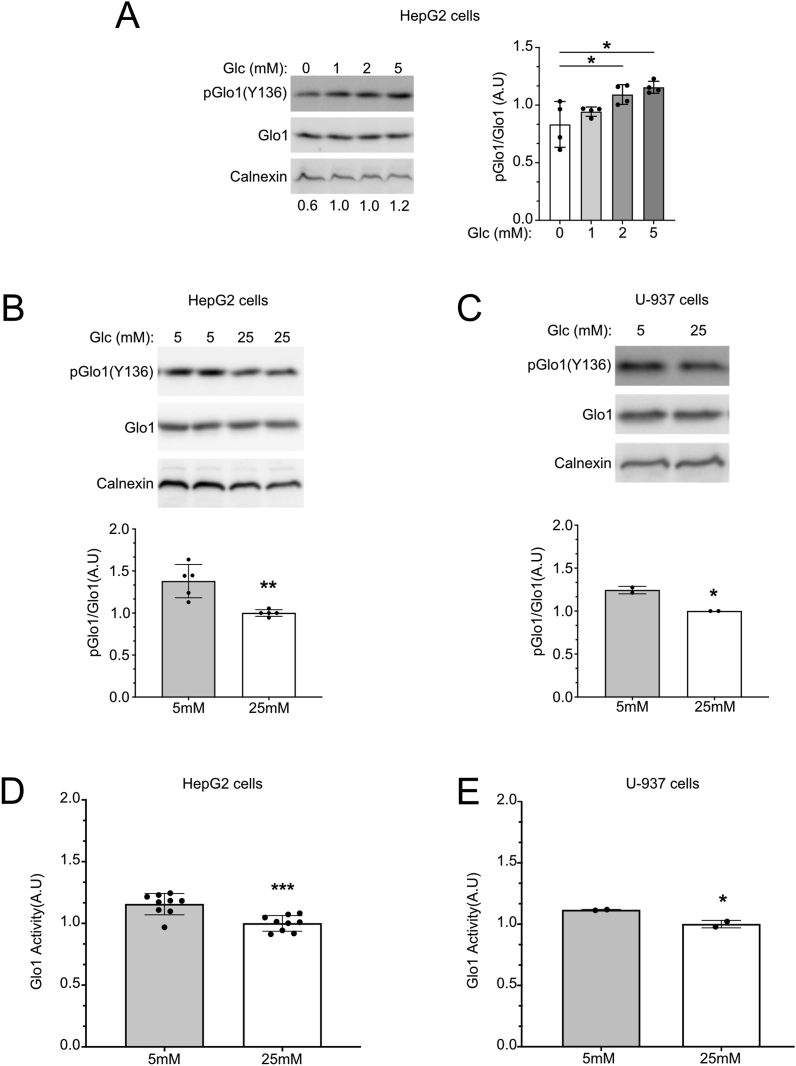
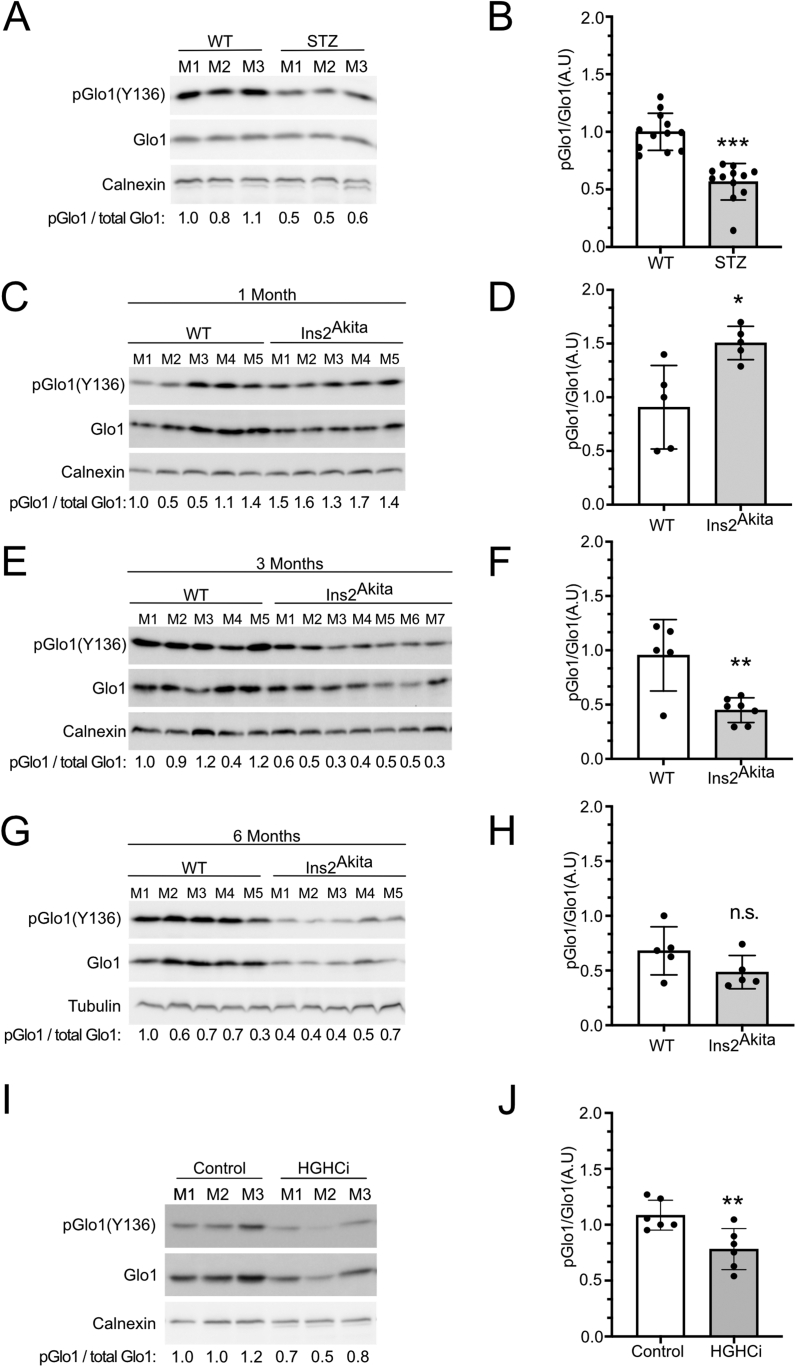
We show that Glo1 activity is promoted by phosphorylation on Tyrosine 136 via multiple kinases. We find that Glo1 Y136 phosphorylation responds in a bimodal fashion to glucose levels, increasing in cell culture from 0 mM to 5 mM (physiological) glucose, and then decreasing at higher glucose concentrations, both in cell culture and in mouse models of hyperglycemia.
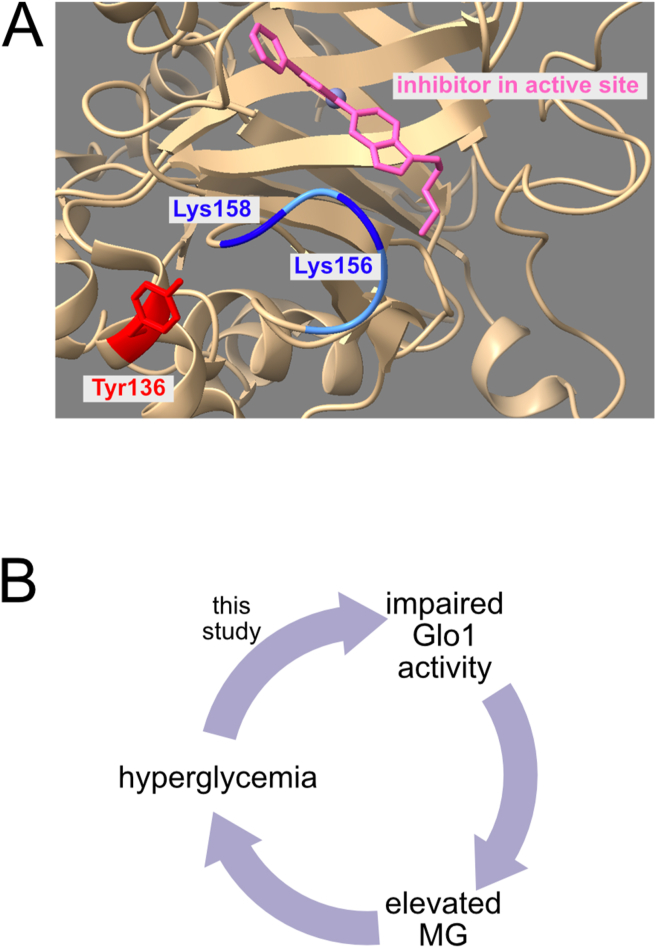
These data, together with published findings that elevated MG leads to hyperglycemia, suggest the existence of a deleterious positive feedback loop whereby hyperglycemia leads to reduced Glo1 activity, contributing to elevated MG levels, which in turn promote hyperglycemia. Hence, perturbations elevating either glucose or MG have the potential to start an auto-amplifying feedback loop contributing to diabetic complications.
甲基乙二醛 (MG) 是一种高度反应性的α-氧代醛,可使蛋白质糖化。MG 与糖尿病并发症的发展有关:MG 是高级糖基化终产物 (AGEs) 的主要前体,AGEs 是人类糖尿病并发症的风险标志物。此外,MG 水平升高的果蝇和鱼类会产生胰岛素抵抗、肥胖和高血糖。MG 在很大程度上通过糖氧酶系统解毒,其限速酶是糖氧酶 I (Glo1)。因此,我们旨在研究 Glo1 活性是如何被调节的。
我们在组织培养和糖尿病小鼠模型中研究了 Glo1 的翻译后修饰的调节和作用。
我们表明 Glo1 活性通过多种激酶在酪氨酸 136 上的磷酸化得到促进。我们发现 Glo1 Y136 磷酸化对葡萄糖水平呈双峰反应,在细胞培养中从 0 mM 增加到 5 mM(生理)葡萄糖,然后在高葡萄糖浓度下降低,无论是在细胞培养还是在高血糖的小鼠模型中都是如此。
这些数据与已发表的研究结果一起表明,MG 水平升高会导致高血糖,这表明存在一个有害的正反馈回路,即高血糖导致 Glo1 活性降低,导致 MG 水平升高,进而促进高血糖。因此,升高葡萄糖或 MG 的波动有可能启动一个自动放大的反馈回路,从而导致糖尿病并发症。