School of Kinesiology, University of Michigan, Ann Arbor, MI, USA; Department of Nutrition and Integrative Physiology, University of Utah, Salt Lake City, UT, USA.
School of Kinesiology, University of Michigan, Ann Arbor, MI, USA.
Redox Biol. 2024 Sep;75:103300. doi: 10.1016/j.redox.2024.103300. Epub 2024 Aug 10.
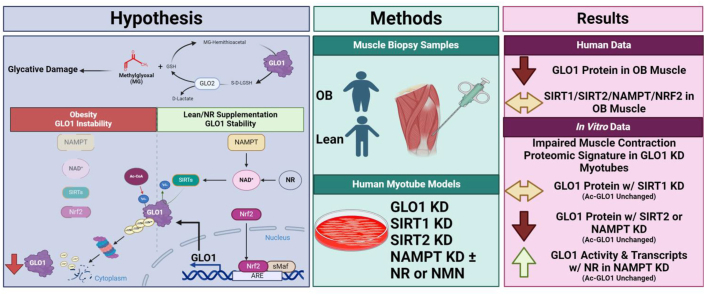
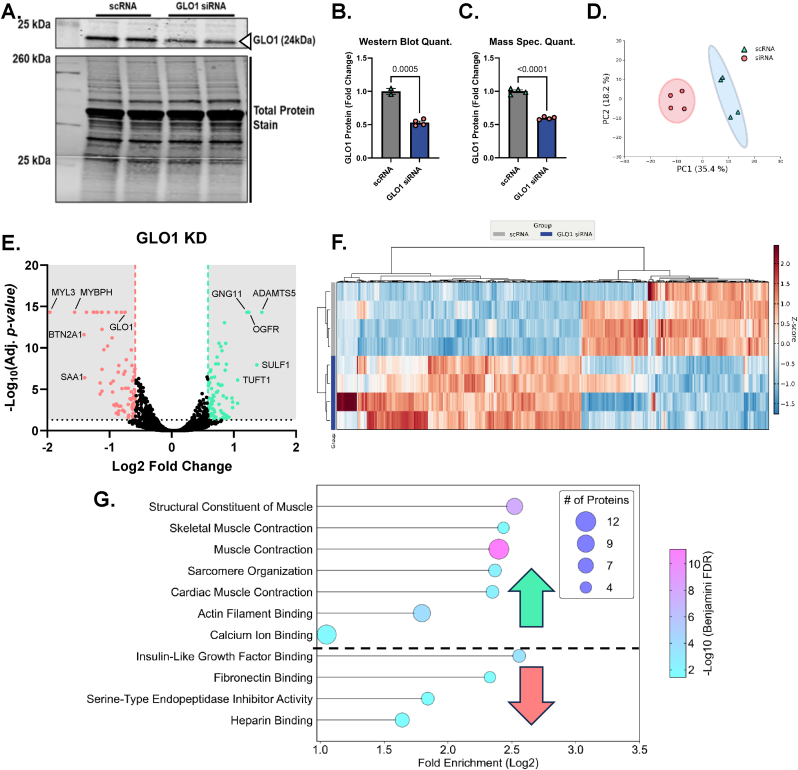
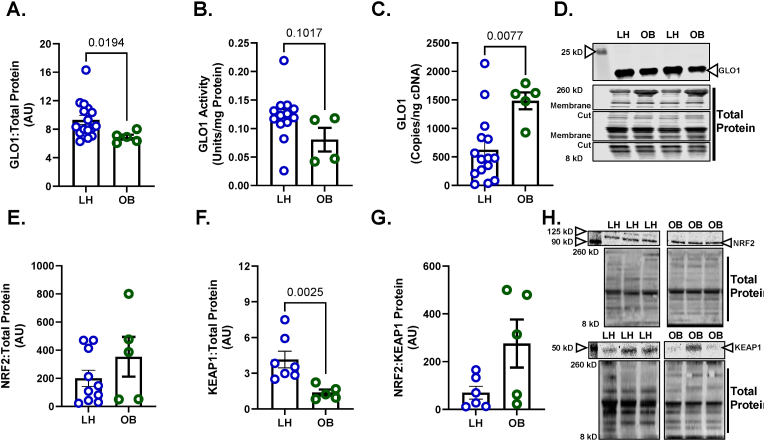
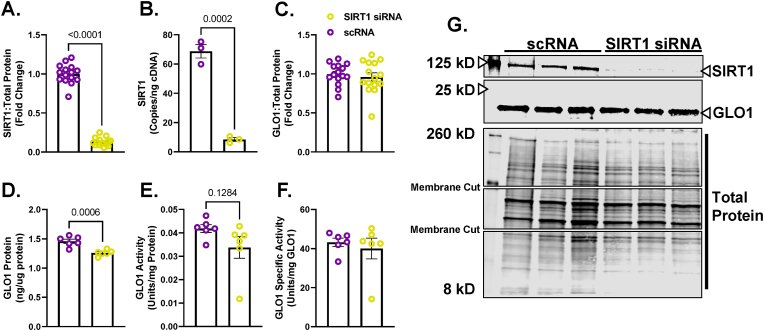
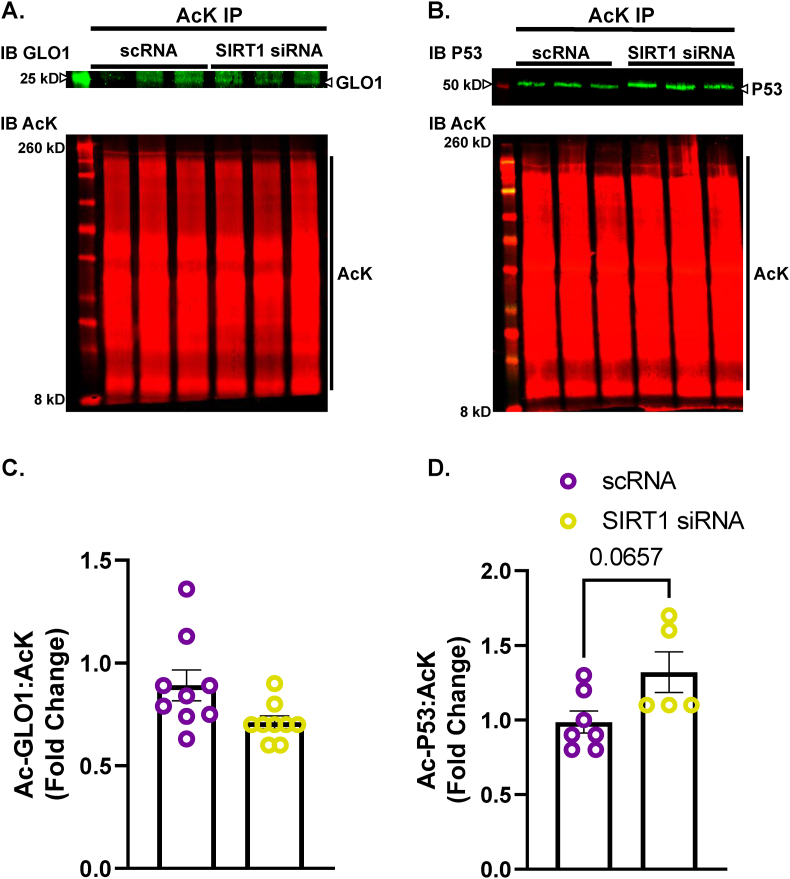
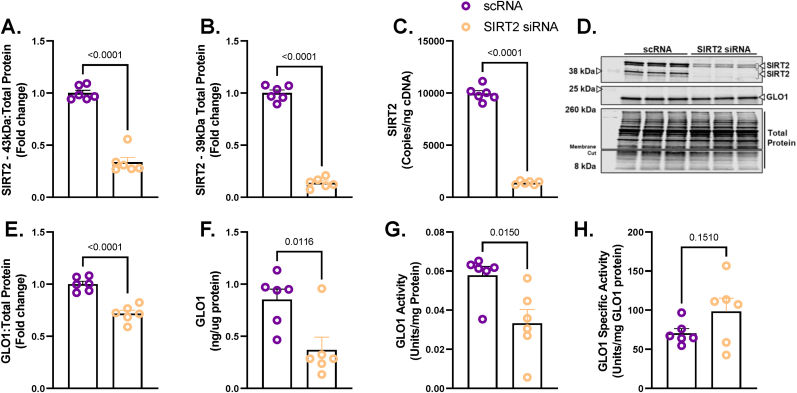
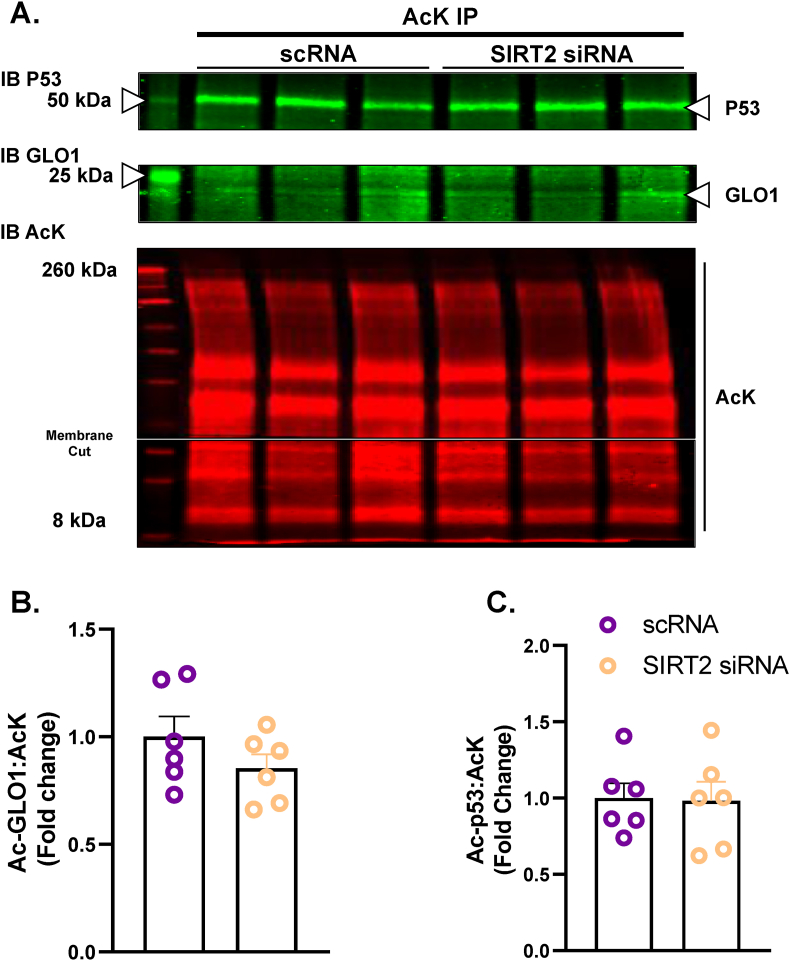
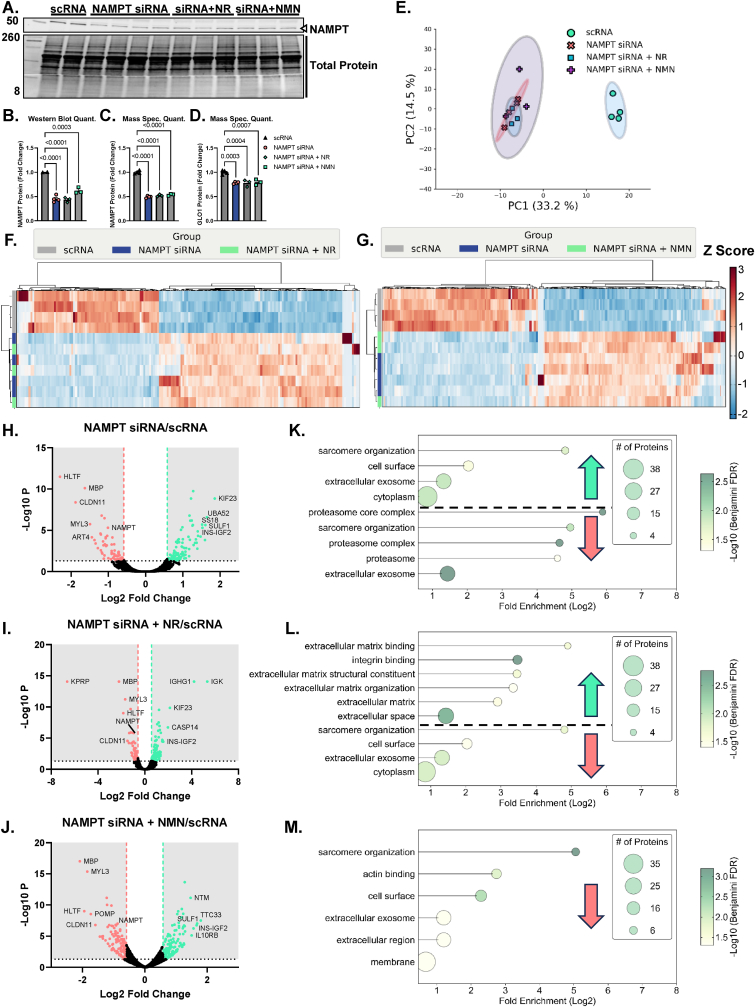
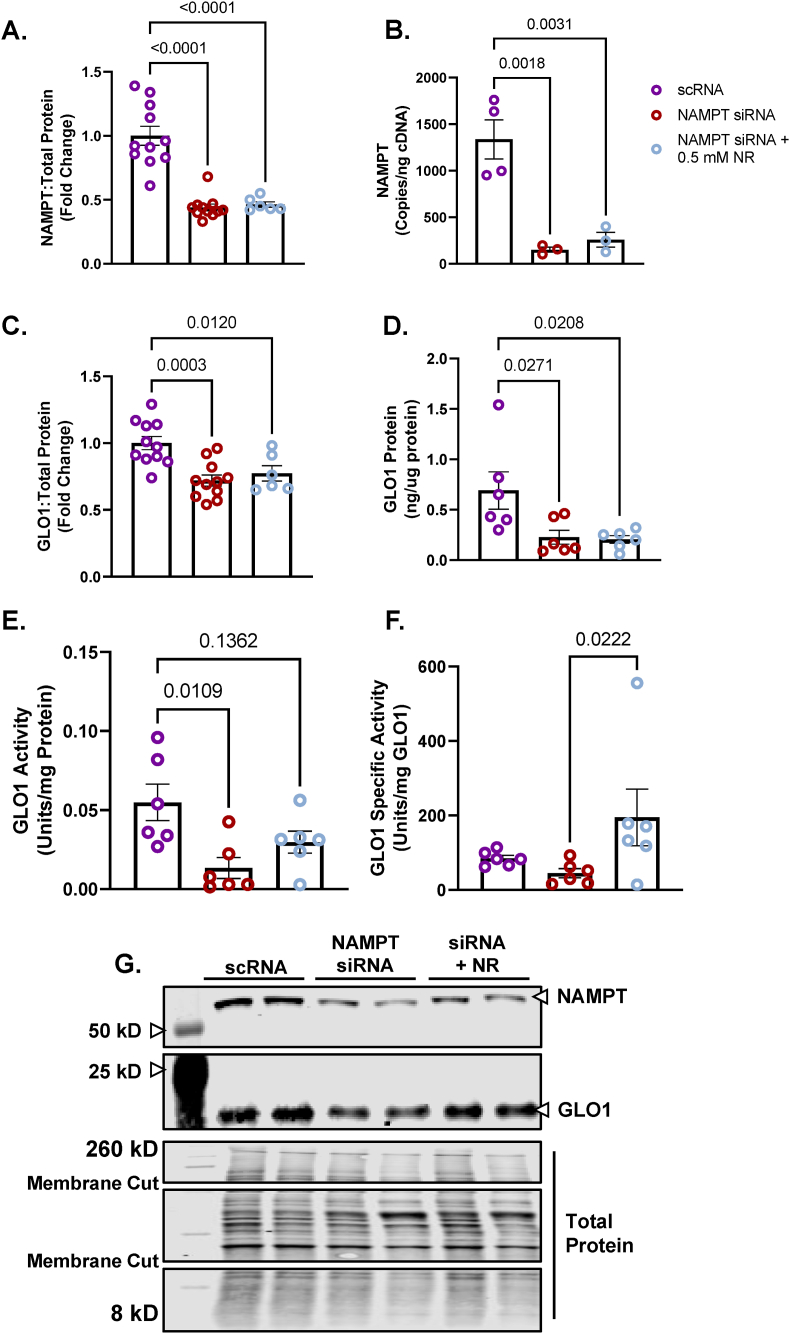
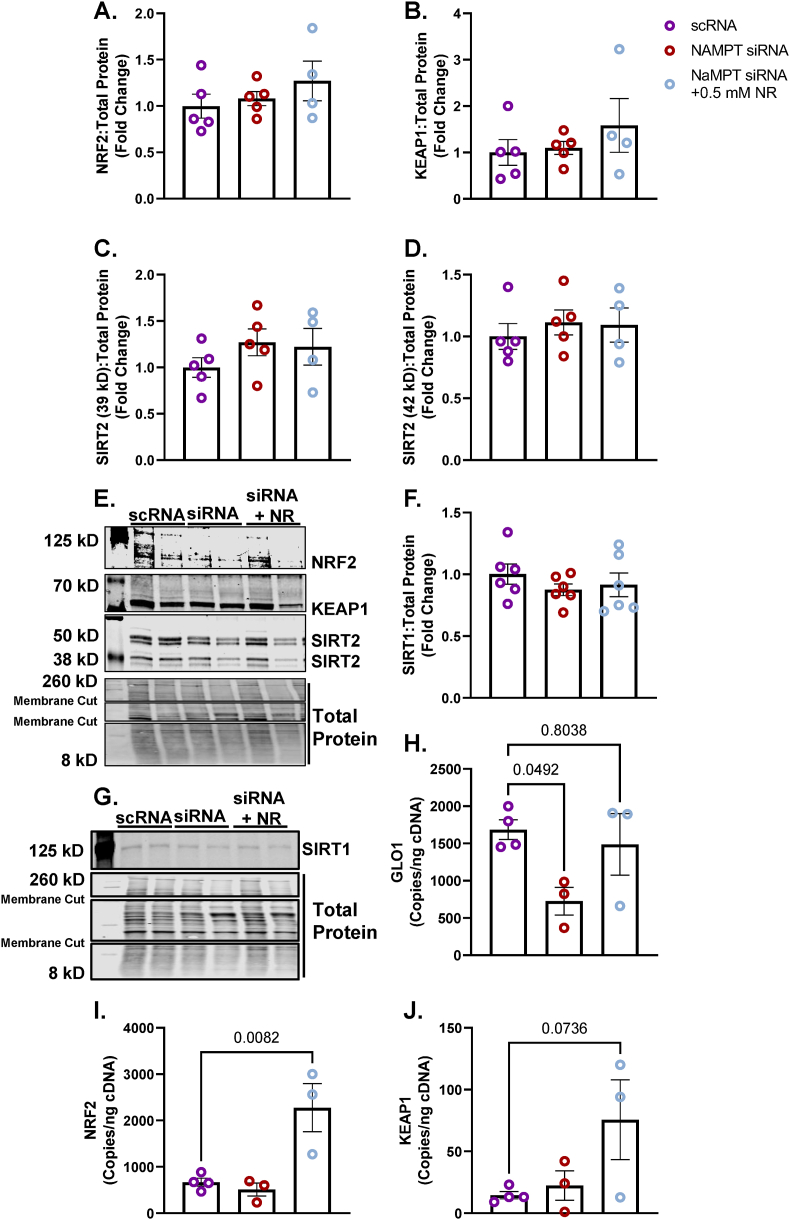
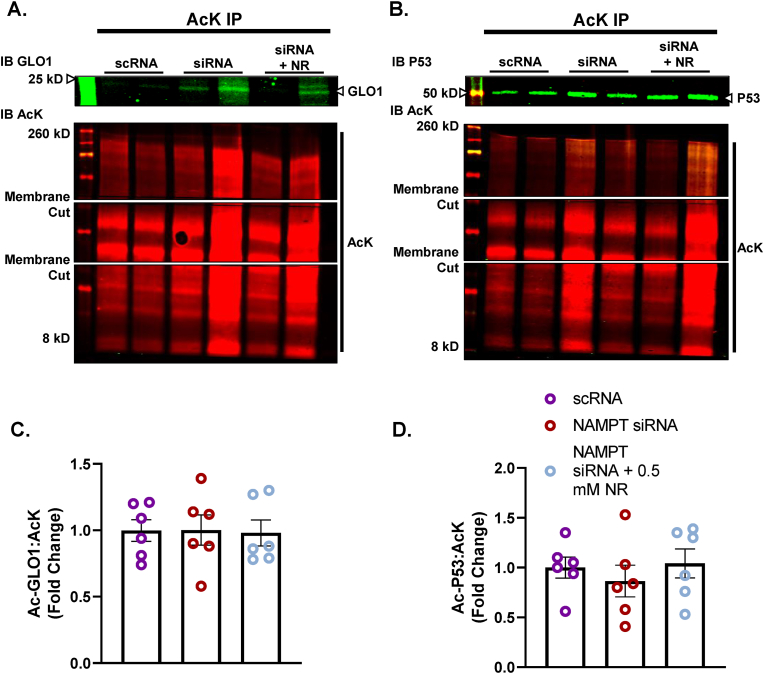
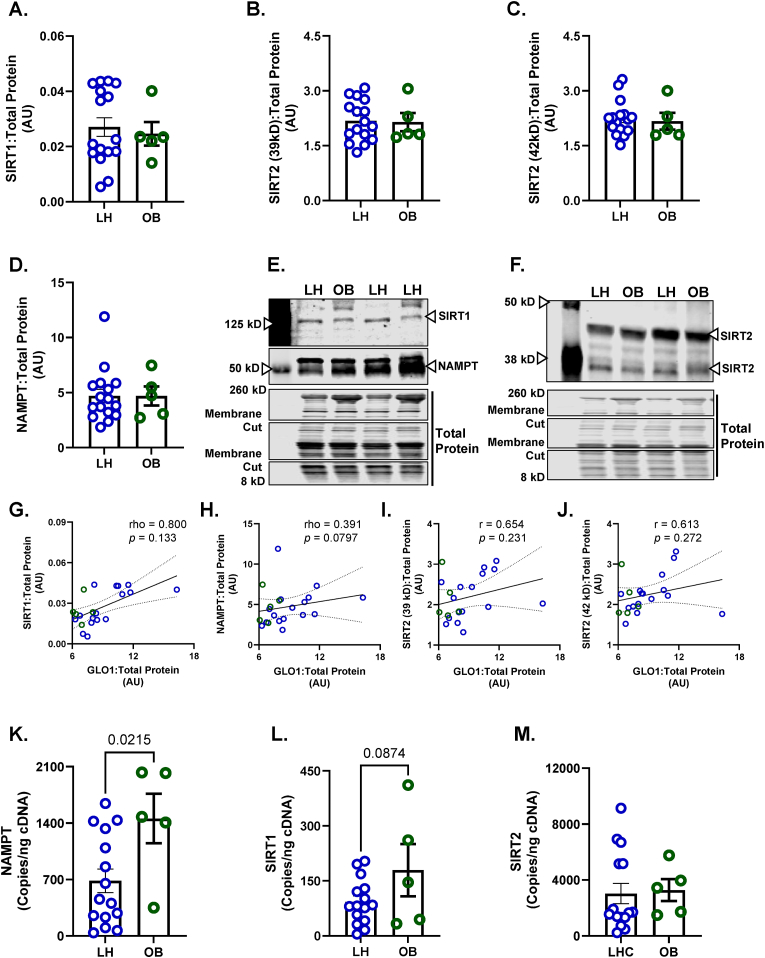
Glyoxalase I (GLO1) is the primary enzyme for detoxification of the reactive dicarbonyl methylglyoxal (MG). Loss of GLO1 promotes accumulation of MG resulting in a recapitulation of diabetic phenotypes. We previously demonstrated attenuated GLO1 protein in skeletal muscle from individuals with type 2 diabetes (T2D). However, whether GLO1 attenuation occurs prior to T2D and the mechanisms regulating GLO1 abundance in skeletal muscle are unknown. GLO1 expression and activity were determined in skeletal muscle tissue biopsies from 15 lean healthy individuals (LH, BMI: 22.4 ± 0.7) and 5 individuals with obesity (OB, BMI: 32.4 ± 1.3). GLO1 protein was attenuated by 26 ± 0.3 % in OB compared to LH skeletal muscle (p = 0.019). Similar reductions for GLO1 activity were observed (p = 0.102). NRF2 and Keap1 expression were equivocal between groups despite a 2-fold elevation in GLO1 transcripts in OB skeletal muscle (p = 0.008). GLO1 knock-down (KD) in human immortalized myotubes promoted downregulation of muscle contraction and organization proteins indicating the importance of GLO1 expression for skeletal muscle function. SIRT1 KD had no effect on GLO1 protein or activity whereas, SIRT2 KD attenuated GLO1 protein by 28 ± 0.29 % (p < 0.0001) and GLO1 activity by 42 ± 0.12 % (p = 0.0150). KD of NAMPT also resulted in attenuation of GLO1 protein (28 ± 0.069 %, p = 0.003), activity (67 ± 0.09 %, p = 0.011) and transcripts (50 ± 0.13 %, p = 0.049). Neither the provision of the NAD precursors NR nor NMN were able to prevent this attenuation in GLO1 protein. However, NR did augment GLO1 specific activity (p = 0.022 vs NAMPT KD). These perturbations did not alter GLO1 acetylation status. SIRT1, SIRT2 and NAMPT protein levels were all equivocal in skeletal muscle tissue biopsies from individuals with obesity and lean individuals. These data implicate NAD-dependent regulation of GLO1 in skeletal muscle independent of altered GLO1 acetylation and provide rationale for exploring NR supplementation to rescue attenuated GLO1 abundance and activity in conditions such as obesity.
糖氧还蛋白 1(GLO1)是解毒反应性二羰基甲基乙二醛(MG)的主要酶。GLO1 的缺失会促进 MG 的积累,从而再现 2 型糖尿病(T2D)的表型。我们之前已经证明,2 型糖尿病患者的骨骼肌中 GLO1 蛋白水平降低。然而,GLO1 衰减是否发生在 2 型糖尿病之前,以及调节骨骼肌中 GLO1 丰度的机制尚不清楚。我们在 15 名瘦健康个体(LH,BMI:22.4±0.7)和 5 名肥胖个体(OB,BMI:32.4±1.3)的骨骼肌组织活检中确定了 GLO1 的表达和活性。与 LH 骨骼肌相比,OB 骨骼肌中的 GLO1 蛋白降低了 26±0.3%(p=0.019)。类似的 GLO1 活性降低也观察到(p=0.102)。尽管 OB 骨骼肌中的 GLO1 转录物增加了 2 倍,但 NRF2 和 Keap1 的表达在两组之间是相同的(p=0.008)。在人类永生化肌管中进行 GLO1 敲低(KD)会促进肌肉收缩和组织蛋白的下调,这表明 GLO1 表达对于骨骼肌功能很重要。SIRT1 KD 对 GLO1 蛋白或活性没有影响,而 SIRT2 KD 使 GLO1 蛋白降低 28±0.29%(p<0.0001),GLO1 活性降低 42±0.12%(p=0.0150)。NAMPT 的 KD 也导致 GLO1 蛋白降低(28±0.069%,p=0.003)、活性降低(67±0.09%,p=0.011)和转录降低(50±0.13%,p=0.049)。NAD 前体 NR 或 NMN 的提供都不能防止 GLO1 蛋白的这种衰减。然而,NR 确实增加了 GLO1 的特异性活性(p=0.022 与 NAMPT KD 相比)。这些干扰没有改变 GLO1 的乙酰化状态。肥胖个体和瘦个体的骨骼肌组织活检中 SIRT1、SIRT2 和 NAMPT 蛋白水平均无差异。这些数据表明,NAD 依赖性 GLO1 调节独立于 GLO1 乙酰化的改变,并为探索 NR 补充以挽救肥胖等情况下 GLO1 丰度和活性降低提供了依据。