Vaz Ferreira Vera, Pereira-da-Silva Tiago, Cacela Duarte, Cruz Ferreira Rui
Department of Cardiology, Hospital de Santa Marta, Centro Hospitalar Universitário de Lisboa Central, Lisbon, Portugal.
Department of Cardiology, Hospital de Santa Marta, Centro Hospitalar Universitário de Lisboa Central, Lisbon, Portugal.
Rev Port Cardiol. 2022 May;41(5):381-390. doi: 10.1016/j.repc.2021.06.016. Epub 2021 Nov 22.
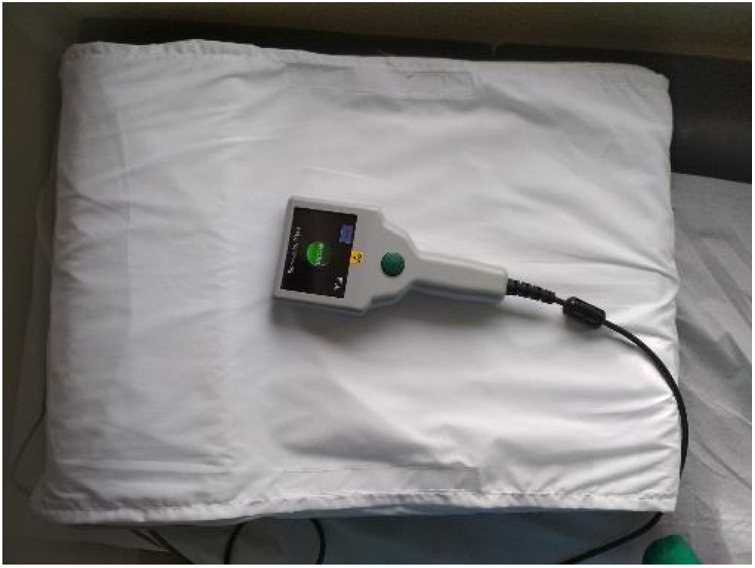
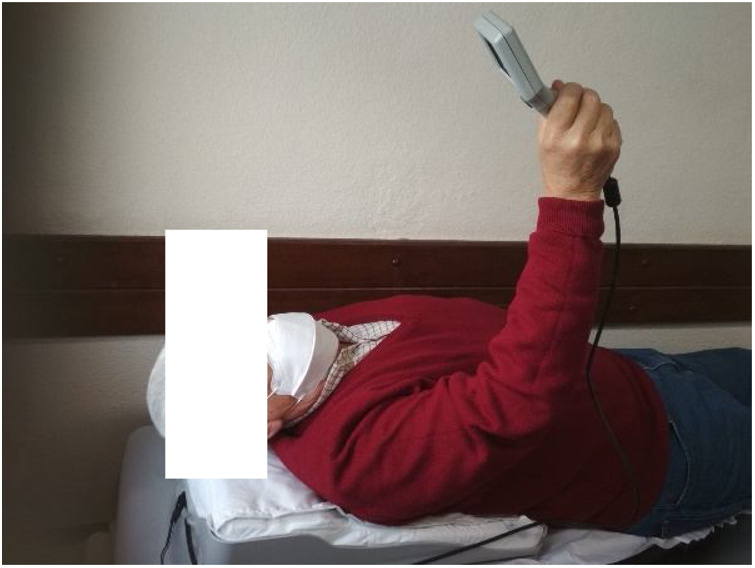
Decompensated heart failure (HF) is associated with poor short- and long-term prognosis. Remote invasive monitoring of pulmonary artery pressures (PAP) enables early detection of HF decompensation before symptoms occur and may improve clinical outcomes. We aimed to describe our initial experience with the use of the CardioMEMS™ remote monitoring system in patients with HF, including its safety and effectiveness.
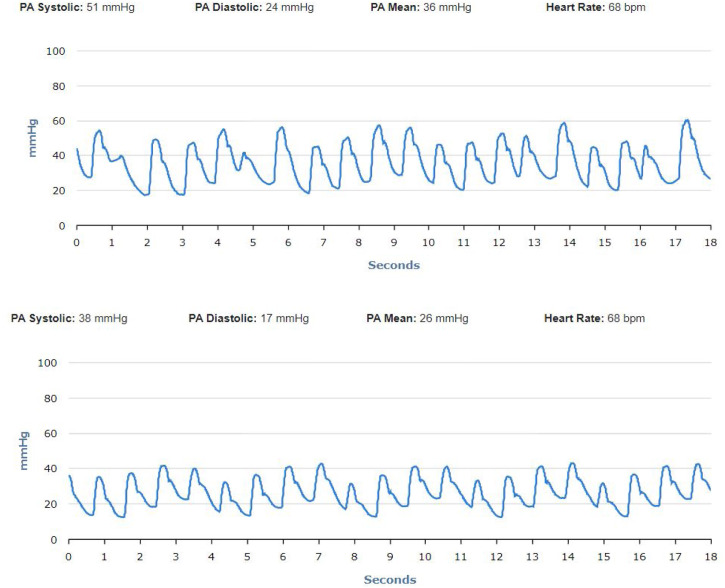
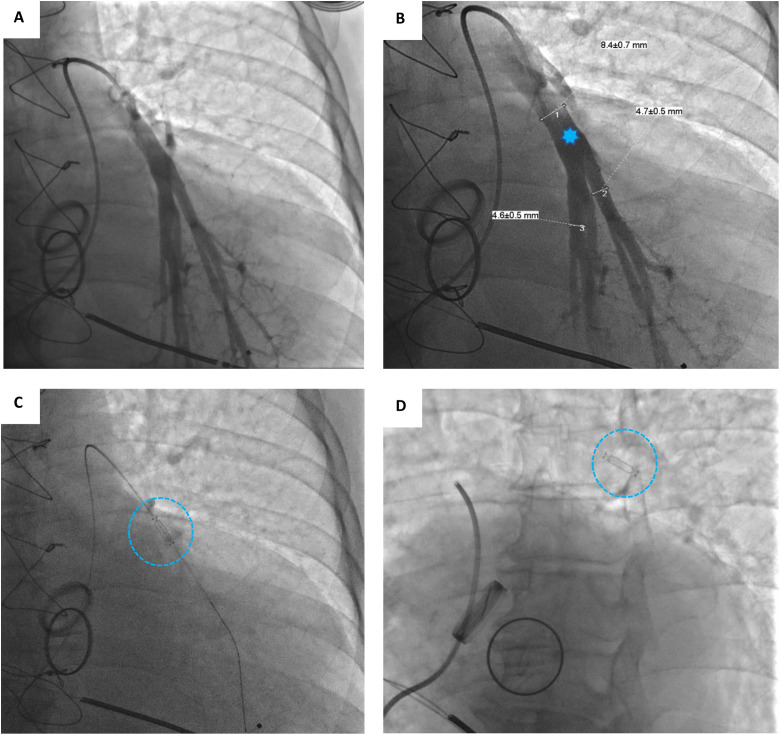
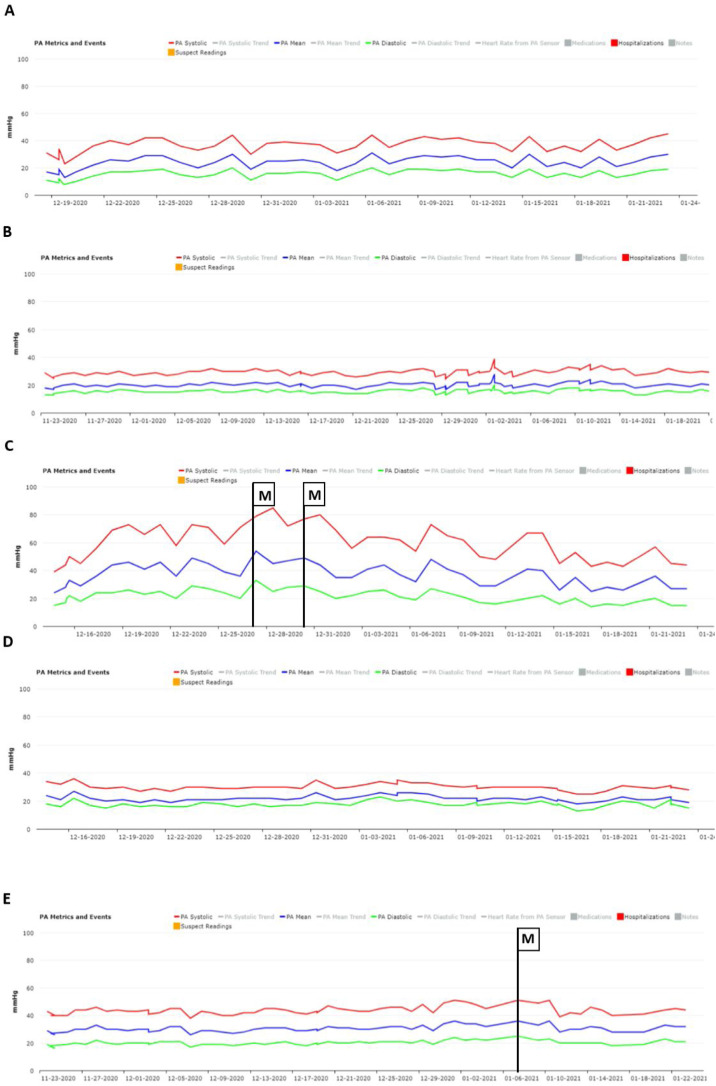
Five patients with HF in New York Heart Association class III and at least one hospitalization due to decompensated HF in last 12 months, who underwent invasive remote monitoring of PAP, were included in this prospective registry. The median age was 66.0 years (interquartile range [IQR] 50.5-77.5 years), 80.0% were men and all had HF with reduced ejection fraction. The pulmonary artery (PA) sensor was placed in a left PA branch in all patients and no major procedural complications occurred. In median follow-up of 40 days (IQR 40-61 days), a total of 271 pressure readings were transmitted, patient compliance was 100% and freedom from sensor failure 98.1%. In three patients, PAP remained within the goal during follow-up. Two patients presented an increase in PAP to values above the targets, despite the absence of symptom worsening. These required dietary and diuretic dose adjustment, without the need for outpatient clinic visits, which reduced PAP. No hospitalizations for HF or deaths occurred during follow-up.
Hemodynamic-guided HF monitoring was safe and effective and may be a useful adjunctive tool to the standard-of-care management in selected HF patients, particularly in the context of the COVID-19 pandemic, where a reduction in the number of health care visits may be desirable.
失代偿性心力衰竭(HF)与短期和长期预后不良相关。对肺动脉压力(PAP)进行远程侵入性监测能够在症状出现之前早期发现HF失代偿,并可能改善临床结局。我们旨在描述我们在HF患者中使用CardioMEMS™远程监测系统的初步经验,包括其安全性和有效性。
本前瞻性登记研究纳入了5例纽约心脏协会III级HF患者,这些患者在过去12个月内至少因失代偿性HF住院1次,且接受了PAP的侵入性远程监测。中位年龄为66.0岁(四分位间距[IQR]为50.5 - 77.5岁),80.0%为男性,所有患者的射血分数均降低。所有患者的肺动脉(PA)传感器均置于左肺动脉分支,未发生重大手术并发症。中位随访40天(IQR为40 - 61天),共传输了271次压力读数,患者依从性为100%,传感器无故障率为98.1%。3例患者在随访期间PAP保持在目标范围内。2例患者尽管症状未加重,但PAP升高至目标值以上。这些患者需要调整饮食和利尿剂剂量,无需门诊就诊,PAP得以降低。随访期间未发生HF住院或死亡。
血流动力学指导的HF监测安全有效,可能是特定HF患者标准治疗管理的有用辅助工具,特别是在COVID - 19大流行的背景下,减少医疗就诊次数可能是可取的。