Kim Sunhae, Lee Kounseok
Department of Psychiatry, Hanyang University Medical Center, Seoul, Korea.
Neuropsychiatr Dis Treat. 2021 Nov 20;17:3415-3430. doi: 10.2147/NDT.S339412. eCollection 2021.
Depression is a symptom commonly encountered in primary care; however, it is often not detected by doctors. Recently, disease diagnosis and treatment approaches have been attempted using smart devices. In this study, instrumental effectiveness was confirmed with the diagnostic meta-analysis of studies that demonstrated the diagnostic effectiveness of PHQ-9 for depression using mobile devices.
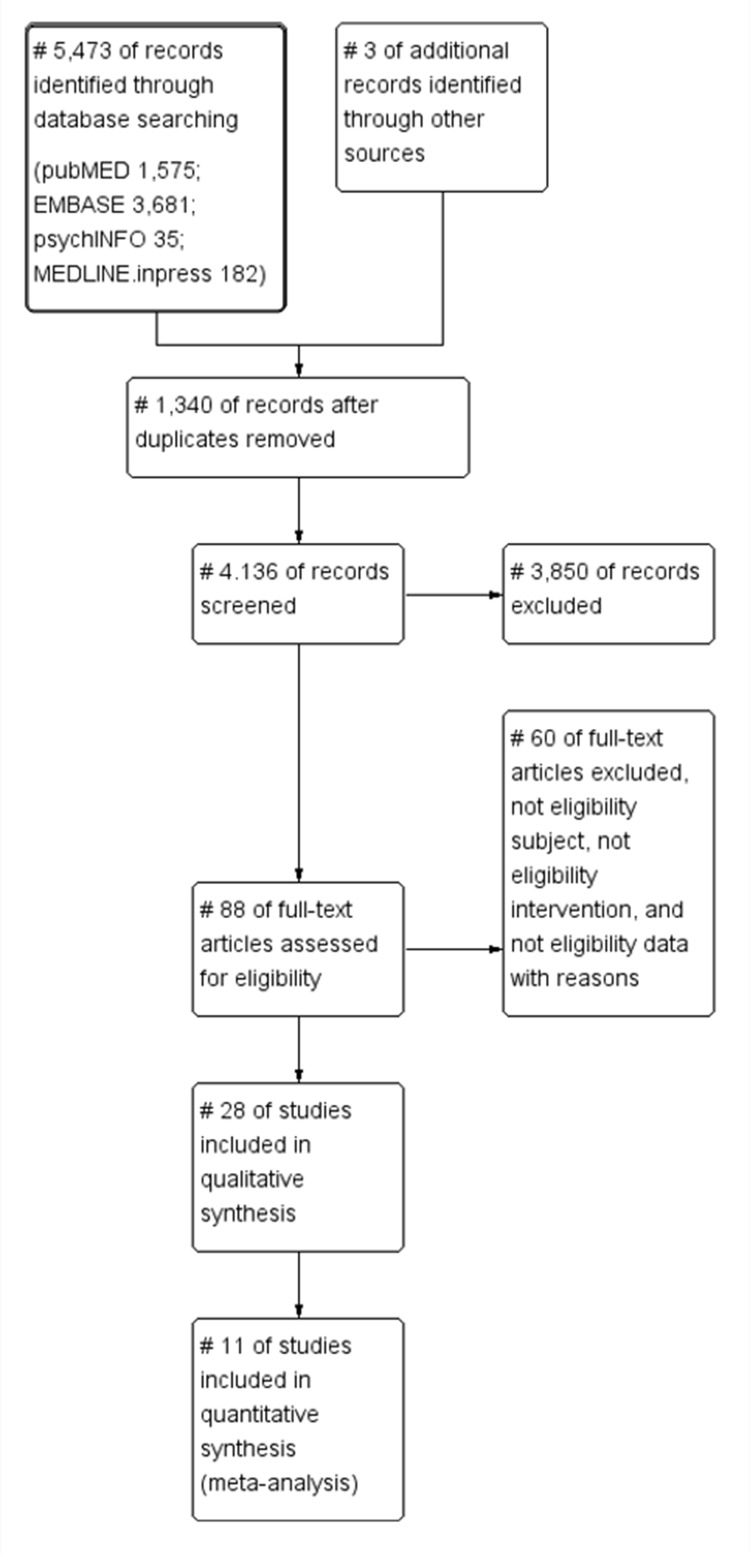
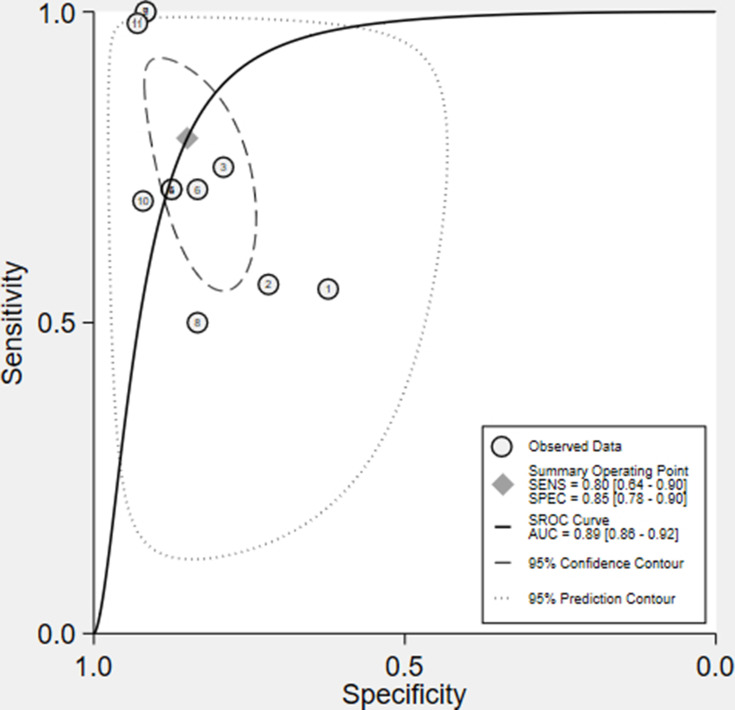
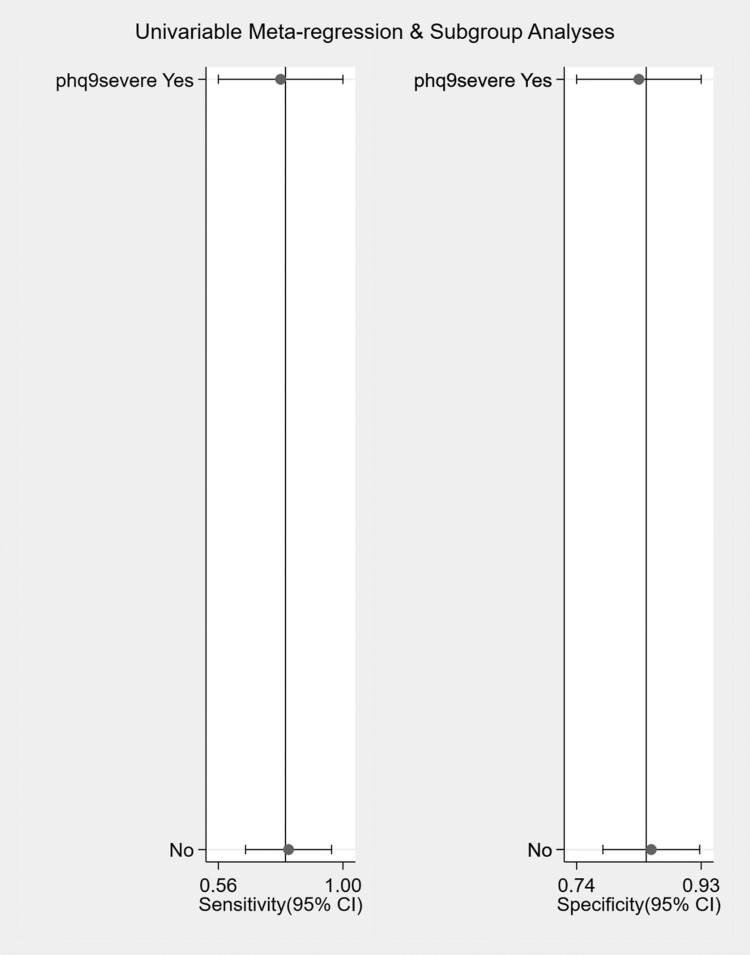
We found all published and unpublished studies through EMBASE, MEDLINE, MEDLINE In-Process, and PsychINFO up to March 26, 2021. We performed a meta-analysis by including 1099 subjects in four studies. We performed a diagnostic meta-analysis according to the PHQ-9 cut-off score and machine learning algorithm techniques. Quality assessment was conducted using the QUADAS-2 tool. Data on the sensitivity and specificity of the studies included in the meta-analysis were extracted in a standardized format. Bivariate and summary receiver operating characteristic (SROC) curve were constructed using the metandi, midas, metabias, and metareg functions of the Stata algorithm meta-analysis words.
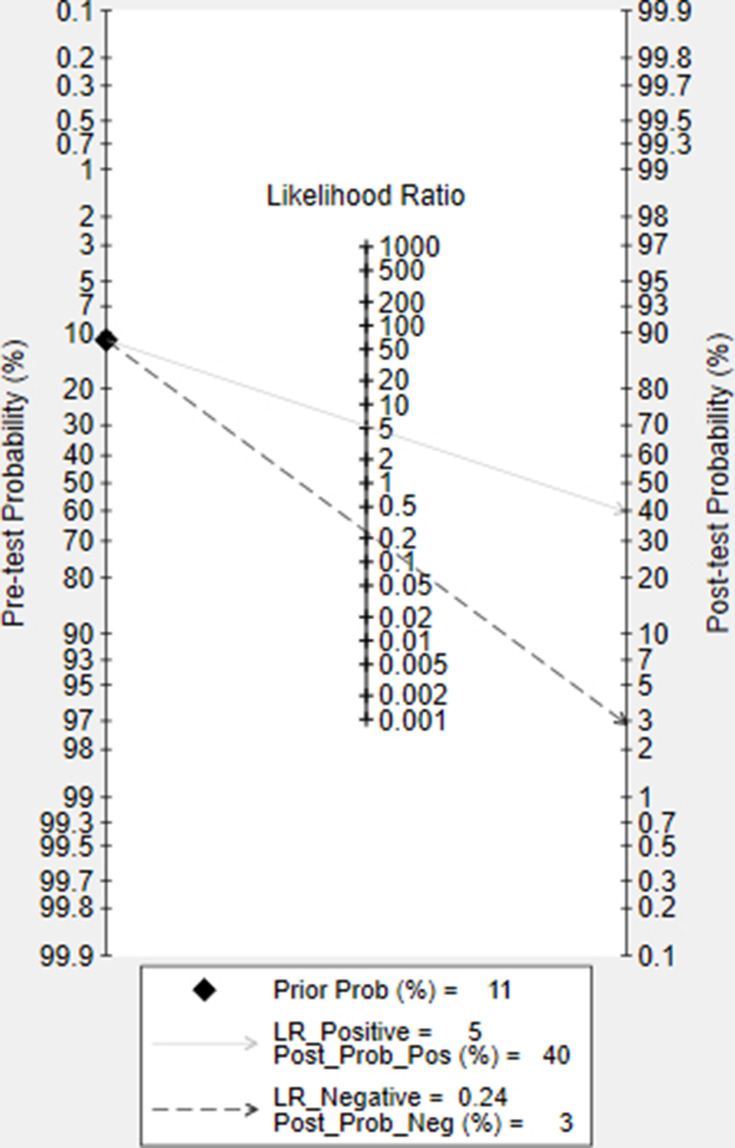
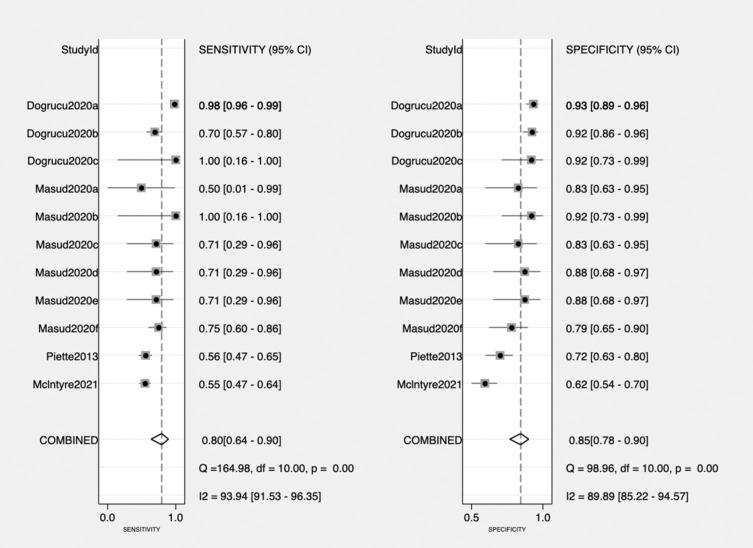
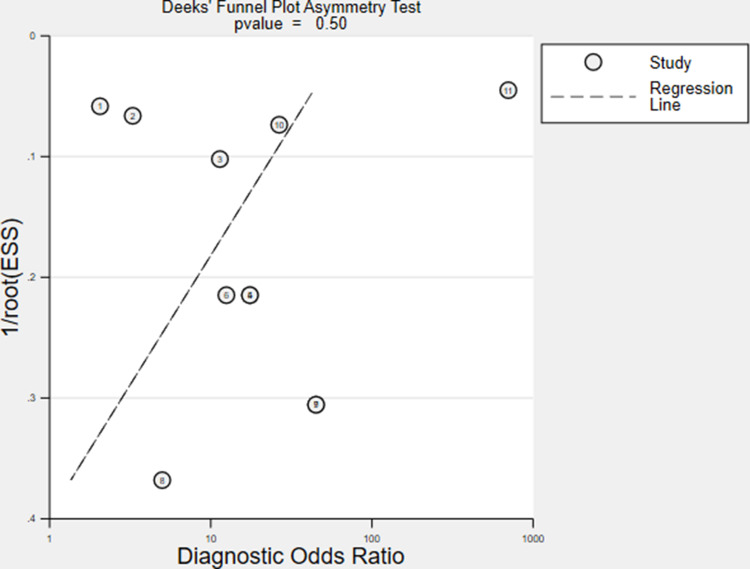
Using four studies out of the 5476 papers searched, a diagnostic meta-analysis of the PHQ-9 scores of 1099 people diagnosed with depression was performed. The pooled sensitivity and specificity were 0.797 (95% CI = 0.642-0.895) and 0.85 (95% CI = 0.780-0.900), respectively. The diagnostic odds ratio was 22.16 (95% CI = 7.273-67.499). Overall, a good balance was maintained, and no heterogeneity or publication bias was presented.
Through various machine learning algorithm techniques, it was possible to confirm that PHQ-9 depression screening in mobiles is an effective diagnostic tool when integrated into a diagnostic meta-analysis.
抑郁症是基层医疗中常见的症状;然而,医生常常无法检测到它。最近,人们尝试使用智能设备进行疾病诊断和治疗。在本研究中,通过对使用移动设备证明PHQ-9对抑郁症诊断有效性的研究进行诊断性荟萃分析,证实了工具的有效性。
我们通过EMBASE、MEDLINE、MEDLINE在研数据库和PsychINFO检索到2021年3月26日之前所有已发表和未发表的研究。我们纳入四项研究中的1099名受试者进行荟萃分析。我们根据PHQ-9临界值和机器学习算法技术进行诊断性荟萃分析。使用QUADAS-2工具进行质量评估。以标准化格式提取荟萃分析中纳入研究的敏感性和特异性数据。使用Stata算法荟萃分析软件包的metandi、midas、metabias和metareg函数构建二元和汇总接受者操作特征(SROC)曲线。
在所检索的5476篇论文中,使用其中四项研究对1099名被诊断为抑郁症患者的PHQ-9评分进行了诊断性荟萃分析。合并敏感性和特异性分别为0.797(95%CI = 0.642 - 0.895)和0.85(95%CI = 0.780 - 0.900)。诊断比值比为22.16(95%CI = 7.273 - 67.499)。总体而言,保持了良好的平衡,未发现异质性或发表偏倚。
通过各种机器学习算法技术,可以证实,将移动设备中的PHQ-9抑郁症筛查纳入诊断性荟萃分析时,它是一种有效的诊断工具。