Abd-Alrazaq Alaa, AlSaad Rawan, Shuweihdi Farag, Ahmed Arfan, Aziz Sarah, Sheikh Javaid
AI Center for Precision Health, Weill Cornell Medicine-Qatar, Doha, Qatar.
College of Computing and Information Technology, University of Doha for Science and Technology, Doha, Qatar.
NPJ Digit Med. 2023 May 5;6(1):84. doi: 10.1038/s41746-023-00828-5.
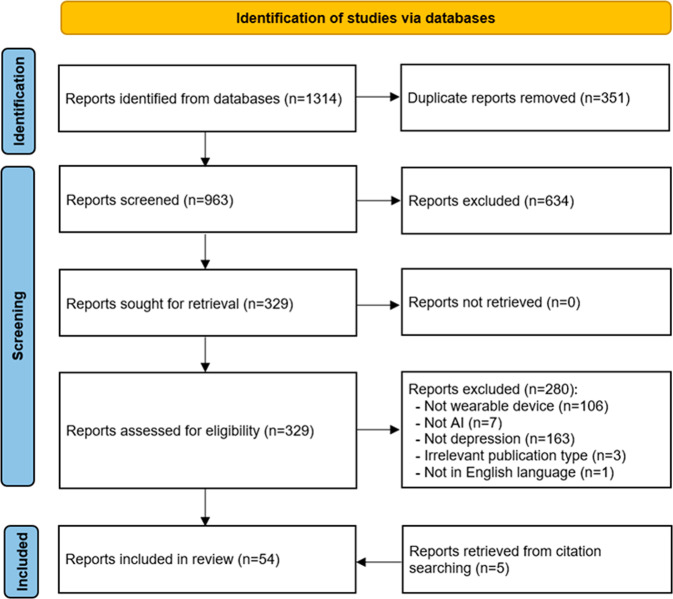
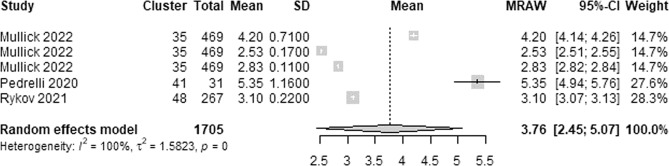
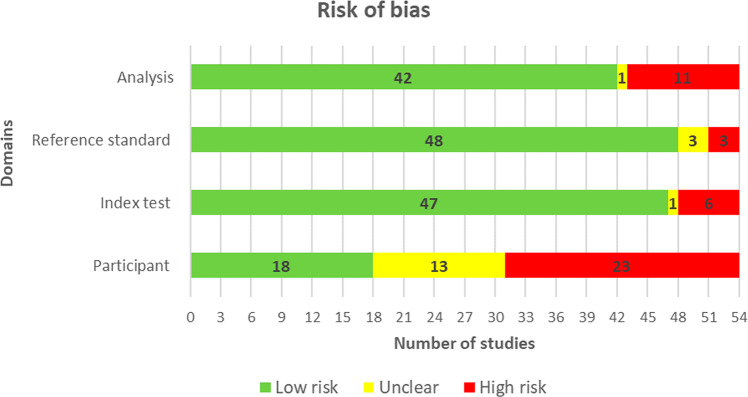
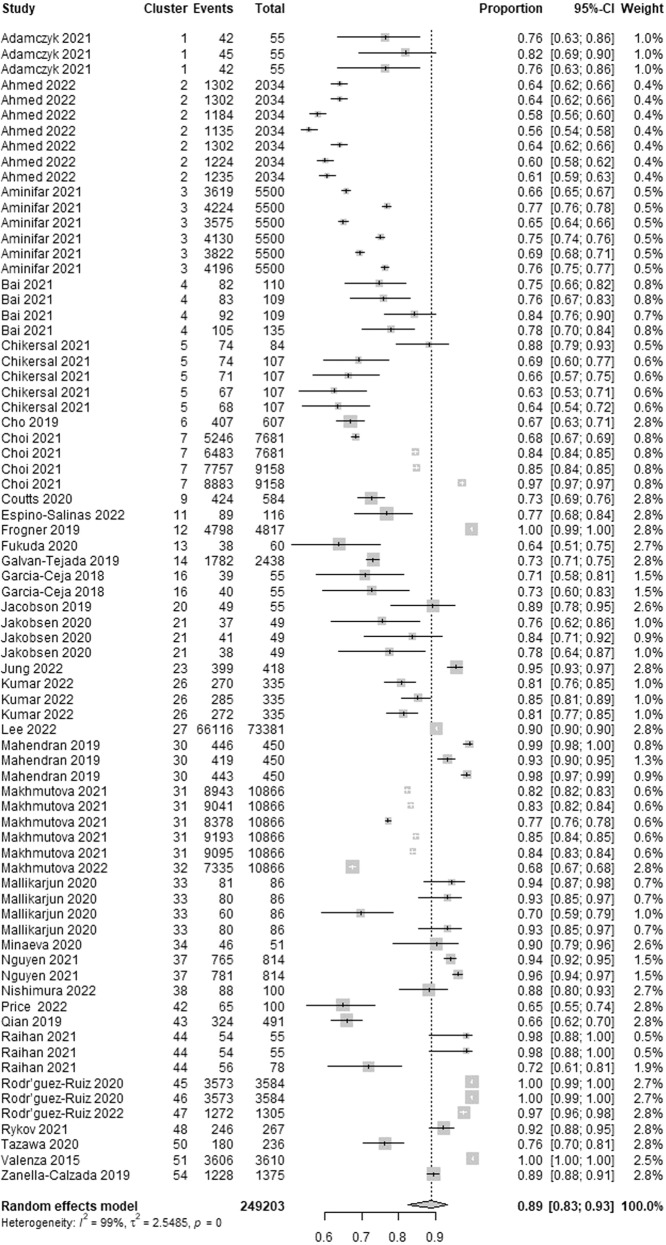
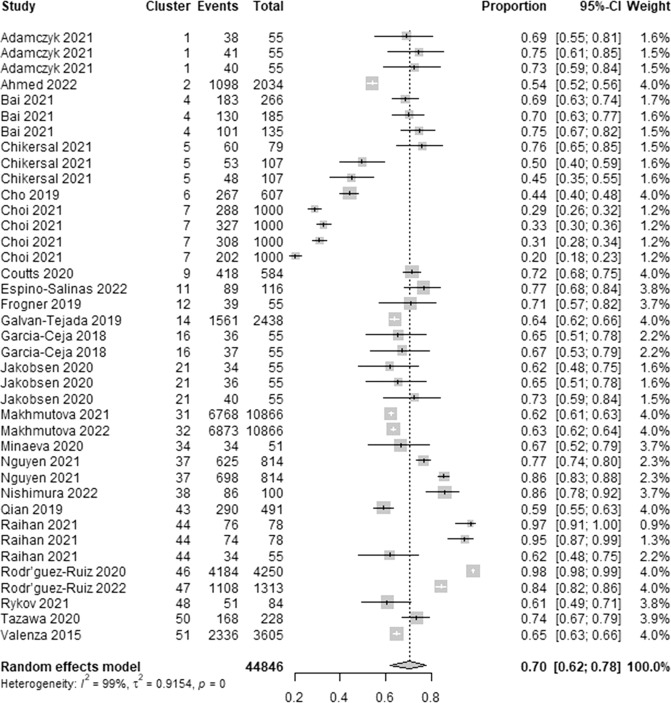
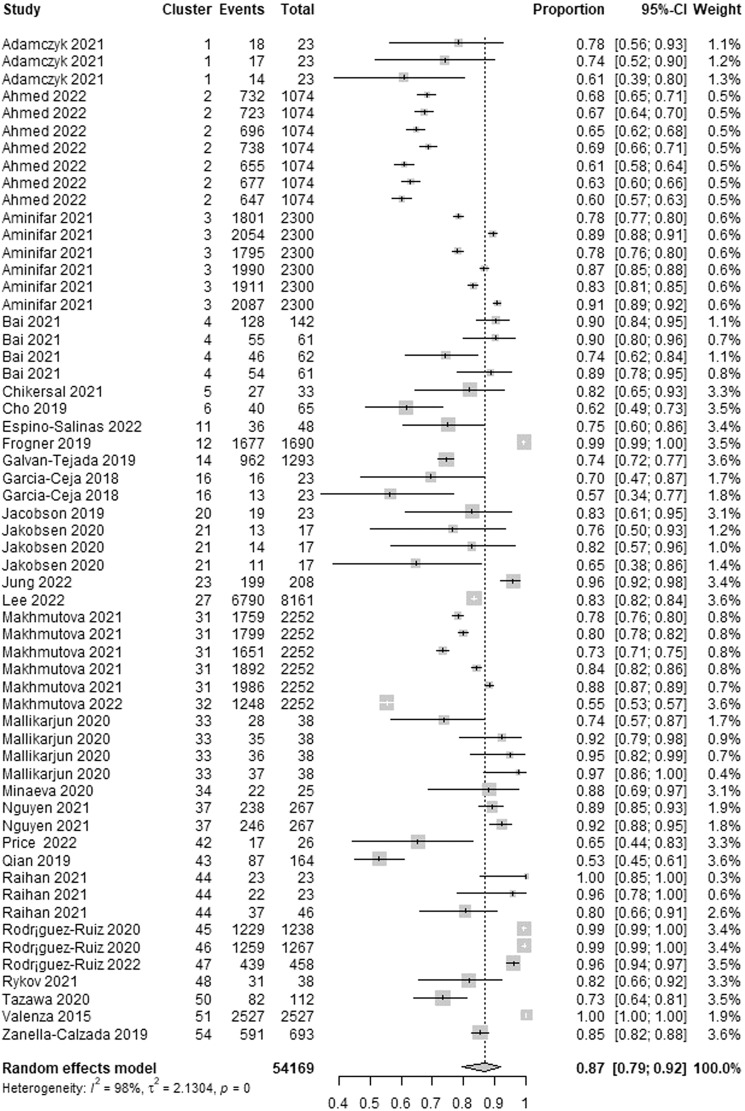
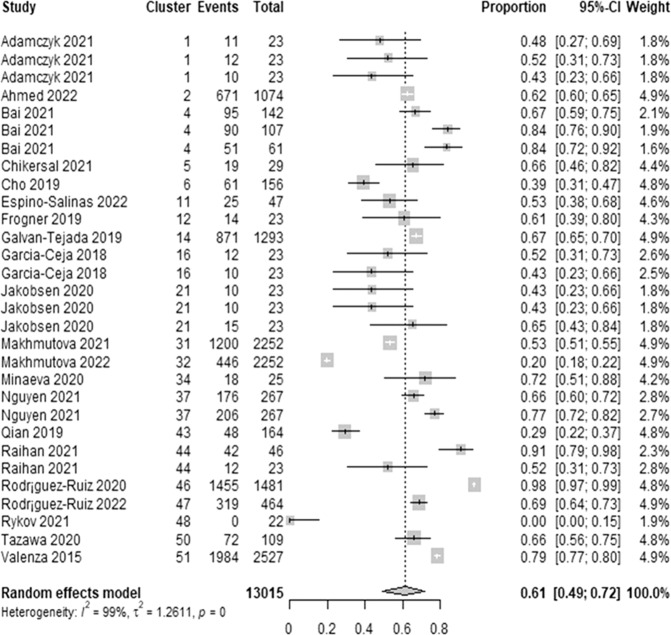
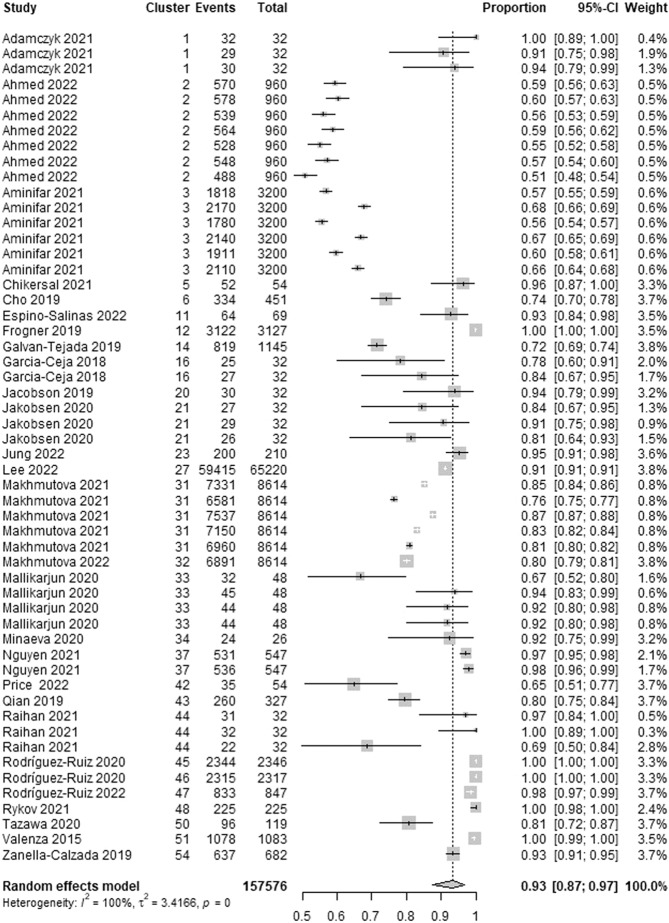
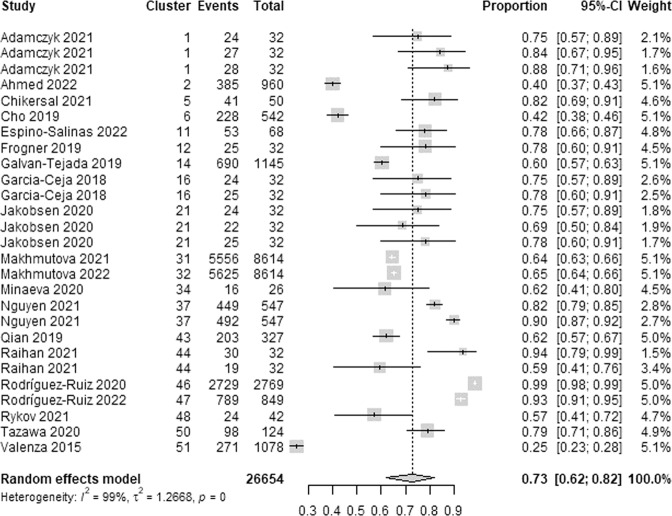
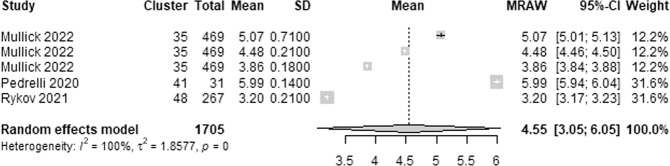
Given the limitations of traditional approaches, wearable artificial intelligence (AI) is one of the technologies that have been exploited to detect or predict depression. The current review aimed at examining the performance of wearable AI in detecting and predicting depression. The search sources in this systematic review were 8 electronic databases. Study selection, data extraction, and risk of bias assessment were carried out by two reviewers independently. The extracted results were synthesized narratively and statistically. Of the 1314 citations retrieved from the databases, 54 studies were included in this review. The pooled mean of the highest accuracy, sensitivity, specificity, and root mean square error (RMSE) was 0.89, 0.87, 0.93, and 4.55, respectively. The pooled mean of lowest accuracy, sensitivity, specificity, and RMSE was 0.70, 0.61, 0.73, and 3.76, respectively. Subgroup analyses revealed that there is a statistically significant difference in the highest accuracy, lowest accuracy, highest sensitivity, highest specificity, and lowest specificity between algorithms, and there is a statistically significant difference in the lowest sensitivity and lowest specificity between wearable devices. Wearable AI is a promising tool for depression detection and prediction although it is in its infancy and not ready for use in clinical practice. Until further research improve its performance, wearable AI should be used in conjunction with other methods for diagnosing and predicting depression. Further studies are needed to examine the performance of wearable AI based on a combination of wearable device data and neuroimaging data and to distinguish patients with depression from those with other diseases.
鉴于传统方法的局限性,可穿戴人工智能(AI)是已被用于检测或预测抑郁症的技术之一。当前的综述旨在研究可穿戴人工智能在检测和预测抑郁症方面的表现。本系统综述的搜索来源为8个电子数据库。研究筛选、数据提取和偏倚风险评估由两名 reviewers 独立进行。提取的结果进行了叙述性和统计性综合。从数据库检索到的1314篇文献中,54项研究纳入了本综述。最高准确率、敏感性、特异性和均方根误差(RMSE)的合并均值分别为0.89、0.87、0.93和4.55。最低准确率、敏感性、特异性和RMSE的合并均值分别为0.70、0.61、0.73和3.76。亚组分析显示,算法之间在最高准确率、最低准确率、最高敏感性、最高特异性和最低特异性方面存在统计学显著差异,可穿戴设备之间在最低敏感性和最低特异性方面存在统计学显著差异。尽管可穿戴人工智能尚处于起步阶段,尚未准备好在临床实践中使用,但它是用于抑郁症检测和预测的有前途的工具。在进一步的研究提高其性能之前,可穿戴人工智能应与其他诊断和预测抑郁症的方法结合使用。需要进一步的研究来检验基于可穿戴设备数据和神经影像数据相结合的可穿戴人工智能的性能,并区分抑郁症患者和其他疾病患者。