
应用弹性成像与多普勒联合法评估超声 BI-RADS 3、4 类乳腺肿块的新方法
Novel approach in the evaluation of ultrasound BI-RADS 3 & 4 breast masses with a combination method of elastography & Doppler.
机构信息
Department of Radiodiagnosis, Vardhman Mahavir Medical College & Safdarjung Hospital, New Delhi, India.
Department of Surgery, Vardhman Mahavir Medical College & Safdarjung Hospital, New Delhi, India.
出版信息
Indian J Med Res. 2021 Aug;154(2):355-366. doi: 10.4103/ijmr.IJMR_1398_19.
BACKGROUND & OBJECTIVES: : Ultrasound BI-RADS categories 3 and 4 constitute those breast masses which cannot be confidently classified as benign or malignant, owing to their morphological characteristics. These masses are further managed by follow up and biopsy, respectively. This study aims to evaluate the role of strain elastography and Doppler in better characterization of these sonographically indeterminate breast masses as benign or malignant.
METHODS
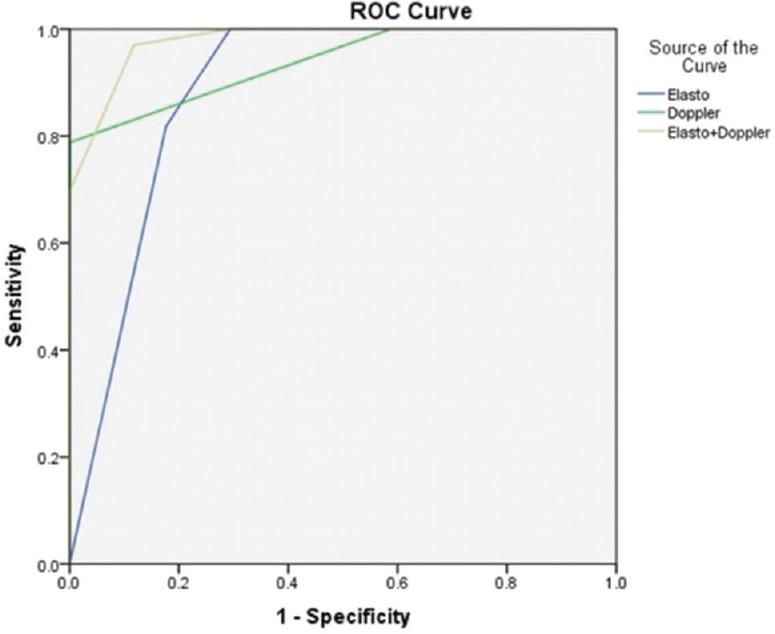
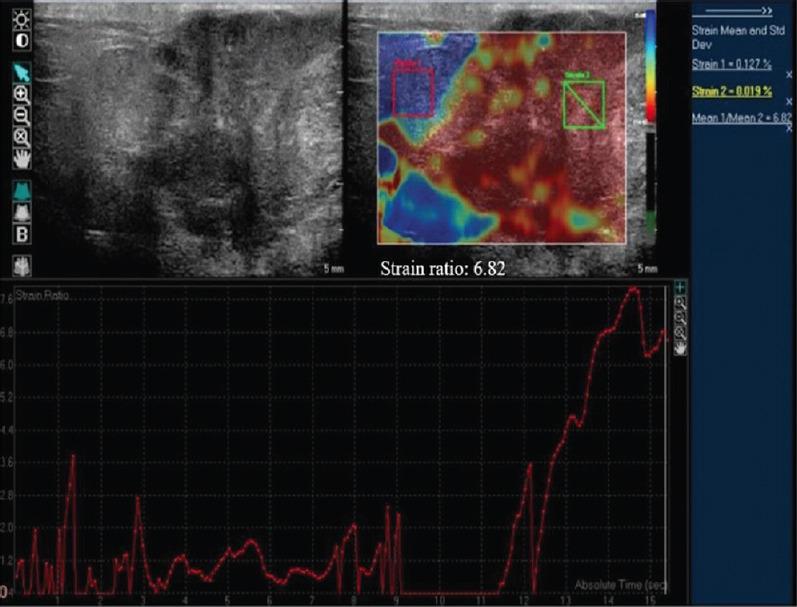
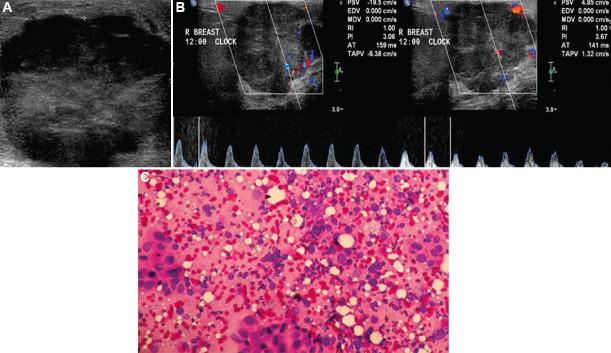
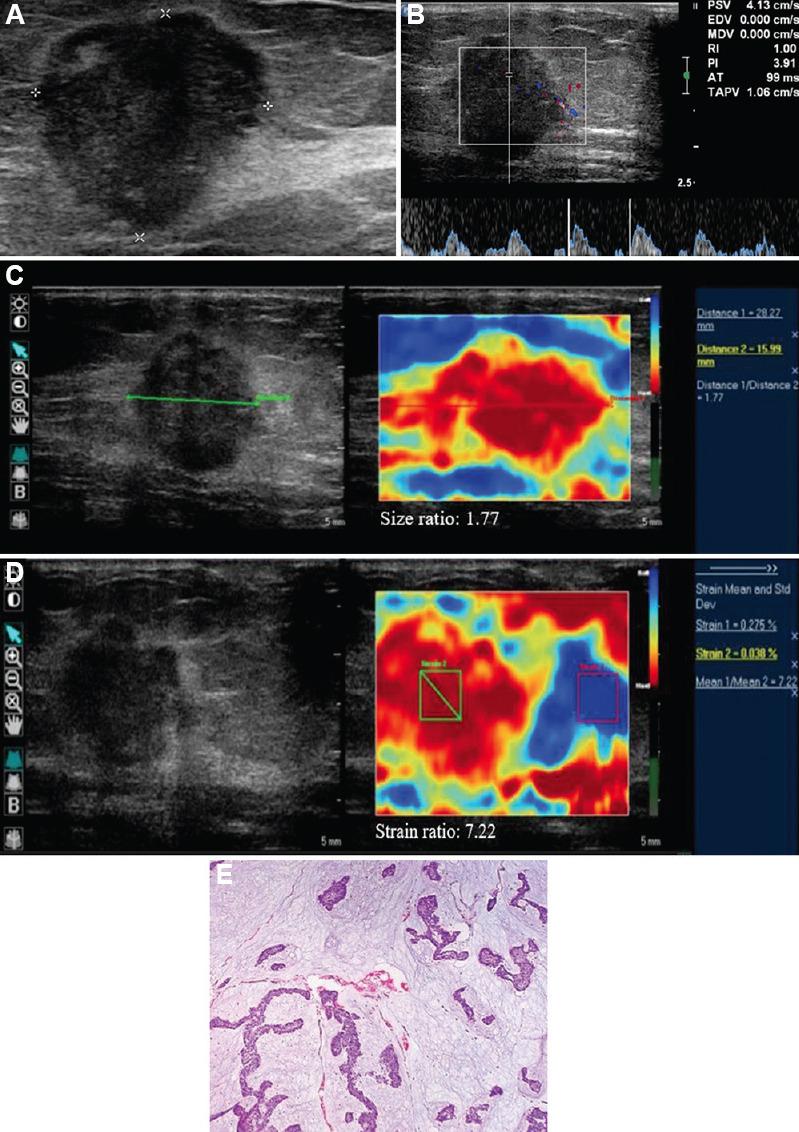
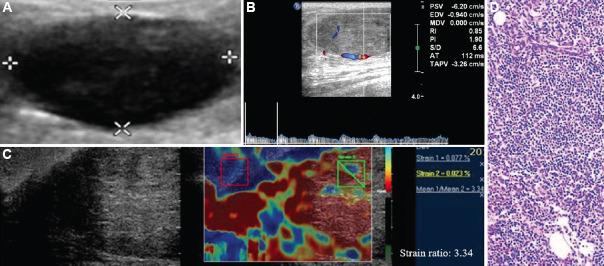
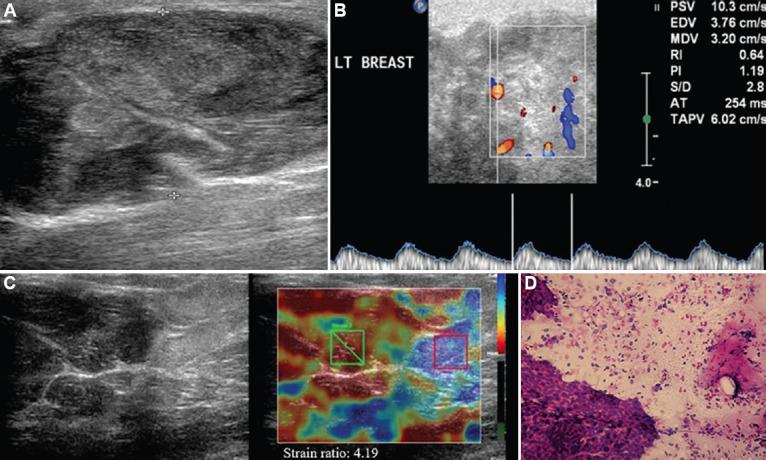
: Fifty female patients with ultrasound BI-RADS 3 or 4 were evaluated with strain elastography and color Doppler including spectral analysis. Eight variables were assessed by elastography and Doppler, including a new phenomenon called bidirectional arterial flow (BAF). The findings were correlated with the gold standard diagnostic method of histopathology/cytology. Based on findings of combined elastography and Doppler method, the initial ultrasound BI-RADS categories of masses were re-categorized by up-gradation or down-gradation. Sensitivity, specificity, accuracy, positive predictive value, negative predictive value and receiver operating characteristic (ROC) curves were used to estimate the diagnostic performance of the combination method.
RESULTS
: Using ROC analysis, the positivity of ≥3 among the total eight variables correlated with malignancy on histopathology. Sensitivity, specificity and accuracy of the combination method using cut-off score ≥3 (i.e. at least three out of the eight parameters in the combination method being positive) for the prediction of malignancy was 100, 76.47 and 92 per cent, respectively, with the area under curve being 0.967. In addition, BAF was found predictive of malignancy with a diagnostic accuracy of 70 per cent.
INTERPRETATION & CONCLUSIONS: : This non-invasive, cheaper and readily accessible combination method of strain elastography and Doppler imaging can improve the diagnostic characterization of sonographically indeterminate breast masses and may obviate the need of magnetic resonance imaging and unnecessary biopsies, thus proving helpful in resource-poor countries.
背景与目的
超声 BI-RADS 类别 3 和 4 包括那些由于形态特征而不能明确归类为良性或恶性的乳腺肿块。这些肿块分别通过随访和活检进行进一步处理。本研究旨在评估应变弹性成像和多普勒在更好地对这些超声不确定的乳腺肿块进行良性或恶性特征描述中的作用。
方法
对 50 名超声 BI-RADS 3 或 4 级的女性患者进行应变弹性成像和彩色多普勒(包括频谱分析)评估。通过弹性成像和多普勒评估了 8 个变量,包括一种称为双向动脉血流(BAF)的新现象。将这些发现与组织病理学/细胞学的金标准诊断方法相关联。基于联合应变弹性成像和多普勒方法的发现,通过升级或降级重新对肿块的初始超声 BI-RADS 类别进行分类。使用灵敏度、特异性、准确性、阳性预测值、阴性预测值和接收器工作特征(ROC)曲线来估计联合方法的诊断性能。
结果
使用 ROC 分析,总 8 个变量中的≥3 个阳性与组织病理学上的恶性相关。使用截断值≥3(即联合方法中的 8 个参数中至少有 3 个为阳性)的联合方法对恶性预测的灵敏度、特异性和准确性分别为 100%、76.47%和 92%,曲线下面积为 0.967。此外,BAF 被发现对恶性具有预测性,诊断准确性为 70%。
解释与结论
这种非侵入性、更便宜且易于获得的应变弹性成像和多普勒成像联合方法可以改善超声不确定的乳腺肿块的诊断特征描述,并且可以避免磁共振成像和不必要的活检的需要,因此在资源匮乏的国家可能会有所帮助。

 Zotero 插件