Department of Dermatology, Leiden University Medical Centre, Leiden, The Netherlands.
J Eur Acad Dermatol Venereol. 2022 Jan;36 Suppl 1(Suppl 1):6-10. doi: 10.1111/jdv.17728.
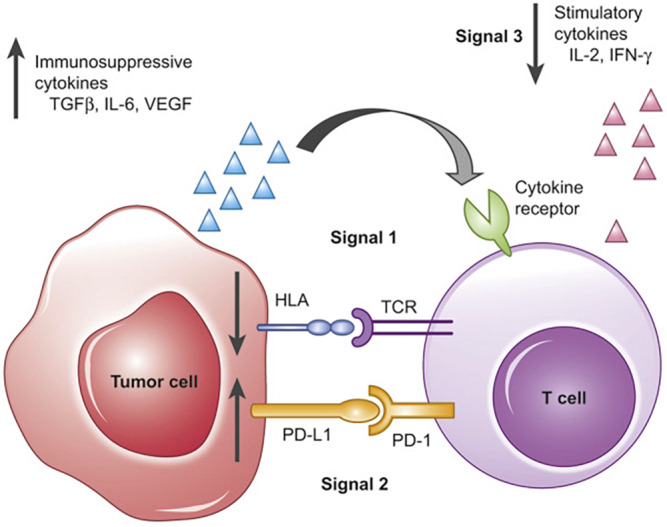
The incidence of cutaneous squamous cell carcinoma (cSCC) is rapidly increasing. A growing part of this patient group is formed by immunocompromised patients, for example organ-transplant recipients (OTR). Although over 90% of the cSCC show a relatively harmless clinical behaviour, there is also a chance of developing advanced cSCC and metastases. Locally advanced cSCC are defined as cSCC that have locally advanced progression and are no longer amenable to surgery or radiation therapy. Better understanding of the clinical behaviour of cSCC is essential to discriminate between low- and high-risk cSCC. Staging systems are important and have recently been improved. Genetic characterisation of SCC will likely become an important tool to help distinguish low and high-risk cSCC with an increased potential to metastasise in the near future. Available treatments for high-risk and advanced cSCC include surgery, radiotherapy, chemotherapy and targeted therapy with epidermal growth factor receptors inhibitors. Anti-PD-1 antibodies show promising results with response rates of up to 50% in both locally advanced and metastatic cSCC but, in its present form, is not suitable for OTR.
皮肤鳞状细胞癌(cSCC)的发病率正在迅速上升。在这类患者群体中,越来越多的是免疫功能低下的患者,例如器官移植受者(OTR)。虽然超过 90%的 cSCC 表现出相对无害的临床行为,但仍有发展为晚期 cSCC 和转移的可能性。局部晚期 cSCC 定义为局部进展的 cSCC,不再适合手术或放射治疗。更好地了解 cSCC 的临床行为对于区分低危和高危 cSCC 至关重要。分期系统很重要,最近已经得到了改进。SCC 的遗传特征可能成为一个重要的工具,有助于在不久的将来区分低风险和高风险的 cSCC,这些 cSCC 具有更高的转移潜力。高危和晚期 cSCC 的可用治疗方法包括手术、放疗、化疗和表皮生长因子受体抑制剂的靶向治疗。抗 PD-1 抗体在局部晚期和转移性 cSCC 中显示出有希望的结果,反应率高达 50%,但目前还不适合 OTR。