Translational Microbiology, Antibacterial Discovery, Aptuit (Verona) S.r.l., an Evotec Company DD&D Research Centre, Verona, Italy.
In vitro Pharmacology, Aptuit (Verona) S.r.l., an Evotec Company DD&D Research Centre, Verona, Italy.
PLoS One. 2021 Dec 2;16(12):e0260627. doi: 10.1371/journal.pone.0260627. eCollection 2021.
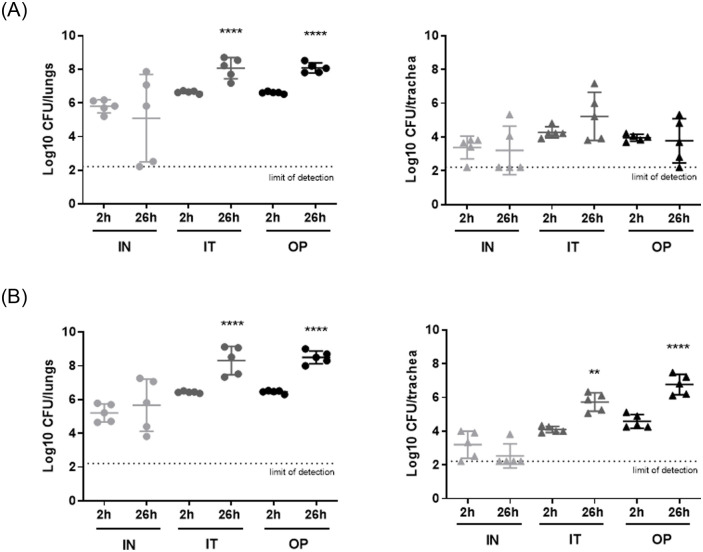
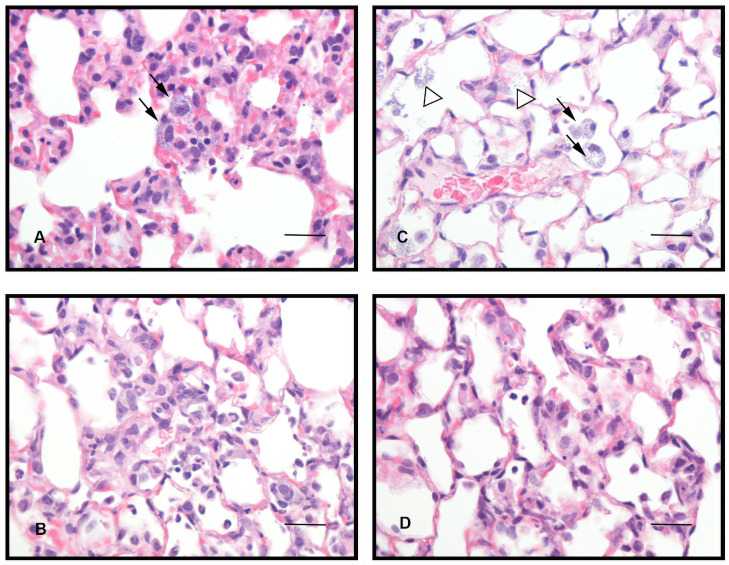
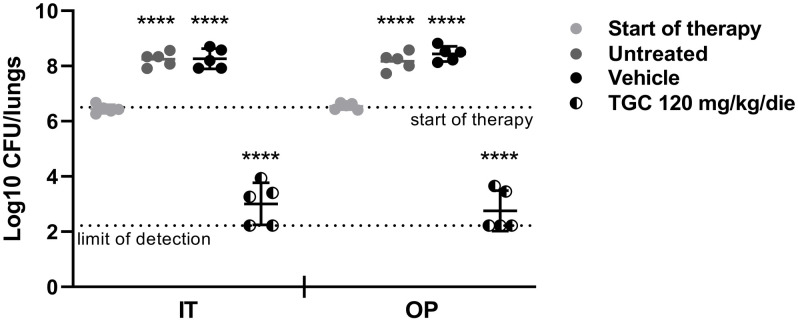
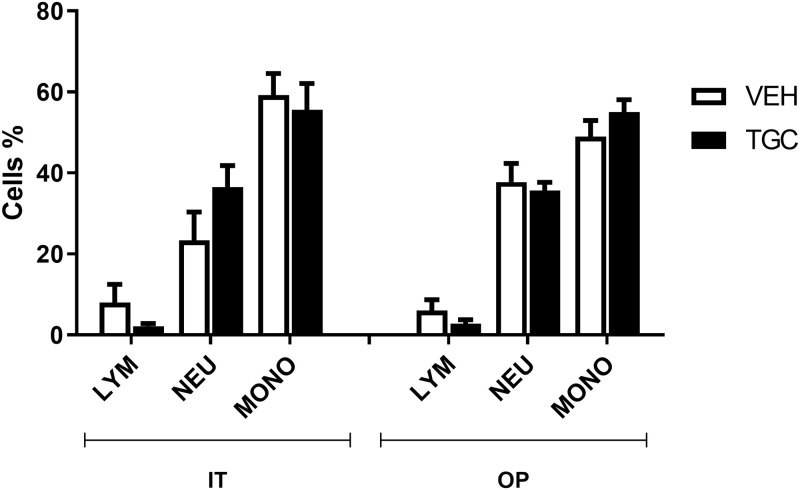
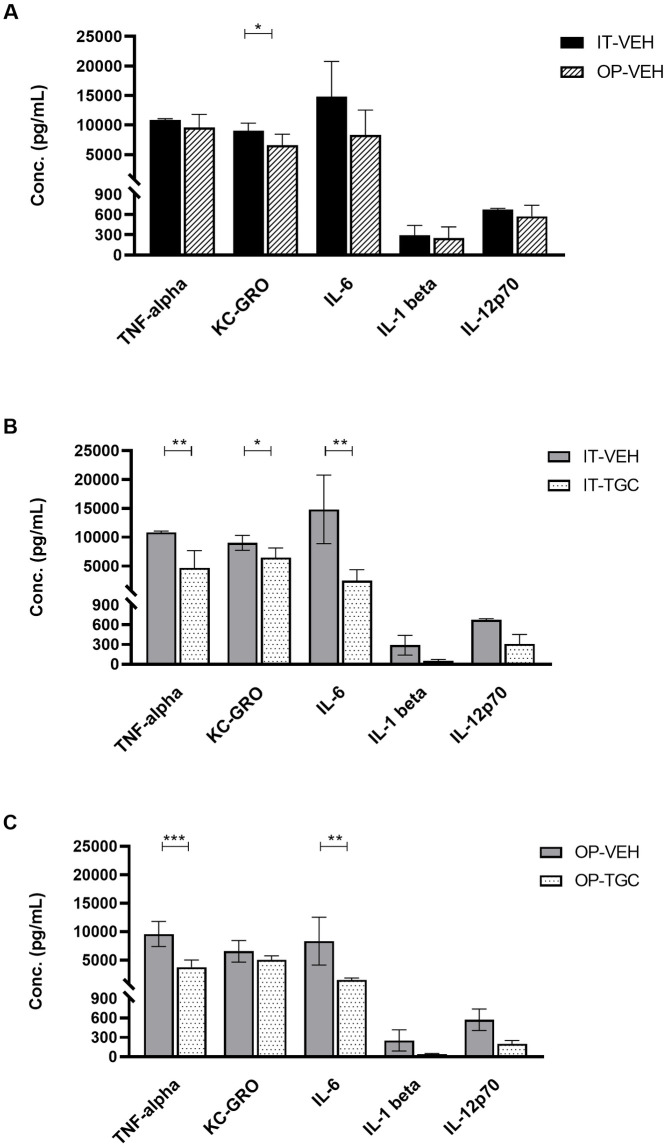
Infectious pneumonia induced by multidrug resistant (MDR) Acinetobacter baumannii strains is among the most common and deadly forms of healthcare acquired infections. Over the years, different strategies have been put in place to increase host susceptibility to MDR A. baumannii, since only a self-limiting pneumonia with no or limited local bacterial replication was frequently obtained in mouse models. Direct instillation into the trachea or intranasal inoculation of the bacterial suspension are the techniques used to induce the infection in most of the preclinical models of pneumonia developed to date. More recently, the oropharyngeal aspiration procedure has been widely described in the literature for a variety of purposes including pathogens administration. Aim of this study was to compare the oropharyngeal aspiration technique to the intranasal inoculation and intratracheal instillation in the ability of inducing a consistent lung infection with two MDR A. baumannii clinical isolates in immunocompromised mice. Moreover, pneumonia obtained by bacteria administration with two out of three techniques, intratracheal and oropharyngeal, was characterised in terms of histopathology of pulmonary lesions, biomarkers of inflammation level and leukocytes cells infiltration extent after mice treatment with either vehicle or the antibiotic tigecycline. The data generated clearly showed that both strains were not able to colonize the lungs when inoculated by intranasal route. By contrast, the bacterial load in lungs of mice intratracheally or oropharyngeally infected significantly increased during 26 hours of monitoring, thus highlighting the ability of these strains to generate the infection when directly instilled into the lower respiratory airways. Furthermore, the intragroup variability of mice was significantly reduced with respect to those intranasally administered. Tigecycline was efficacious in lung bacterial load and cytokines release reduction. Findings were supported by semi-quantitative histopathological evaluation of the pulmonary lesions and by inflammatory biomarkers analysis. To conclude, both intratracheal instillation and oropharyngeal aspiration techniques showed to be suitable methods for inducing a robust and consistent pneumonia infection in mice when difficult MDR A. baumannii clinical isolates were used. Noteworthy, oropharyngeal aspiration not requiring specific technical skills and dedicated equipment, was proven to be a safer, easier and faster technique in comparison to the intratracheal instillation.
由耐多药(MDR)鲍曼不动杆菌菌株引起的传染性肺炎是最常见和最致命的医院获得性感染形式之一。多年来,人们已经采取了不同的策略来增加宿主对 MDR A.baumannii 的易感性,因为在小鼠模型中经常获得的只是一种自限性肺炎,没有或只有有限的局部细菌复制。直接滴注到气管或鼻腔内接种细菌悬液是迄今为止开发的大多数肺炎临床前模型中用于诱导感染的技术。最近,文献中广泛描述了经口抽吸技术用于各种目的,包括病原体给药。本研究的目的是比较经口抽吸技术与鼻腔接种和气管内滴注在免疫功能低下小鼠中用两种 MDR A.baumannii 临床分离株诱导一致肺部感染的能力。此外,用三种技术中的两种(气管内和经口)进行细菌给药获得的肺炎,在小鼠用载体或抗生素替加环素处理后,根据肺部病变的组织病理学、炎症水平的生物标志物和白细胞细胞浸润程度进行了特征描述。生成的数据清楚地表明,当通过鼻腔途径接种时,两种菌株都不能定植肺部。相比之下,当细菌直接滴注到下呼吸道时,气管内或经口感染的小鼠肺部细菌负荷在 26 小时的监测中显著增加,从而突出了这些菌株产生感染的能力。此外,与经鼻腔给药的小鼠相比,感染组内的个体间变异性显著降低。替加环素可有效降低肺部细菌负荷和细胞因子释放。这些发现得到了肺部病变的半定量组织病理学评估和炎症生物标志物分析的支持。总之,当使用难以分离的 MDR A.baumannii 临床分离株时,气管内滴注和经口抽吸技术均显示出适合在小鼠中诱导强烈且一致的肺炎感染的方法。值得注意的是,与气管内滴注相比,不需要特定技术技能和专用设备的经口抽吸被证明是一种更安全、更容易和更快的技术。