Section on Clinical Genomics and Experimental Therapeutics, National Institute on Alcohol Abuse and Alcoholism, National Institutes of Health, Bethesda, MD, USA.
Division of Psychiatry, University of Edinburgh, Royal Edinburgh Hospital, Edinburgh, UK.
Mol Psychiatry. 2022 Mar;27(3):1754-1764. doi: 10.1038/s41380-021-01378-6. Epub 2021 Dec 2.
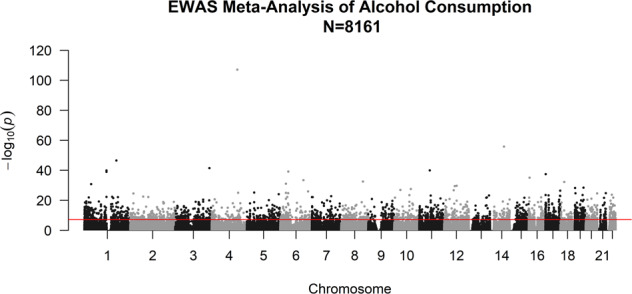
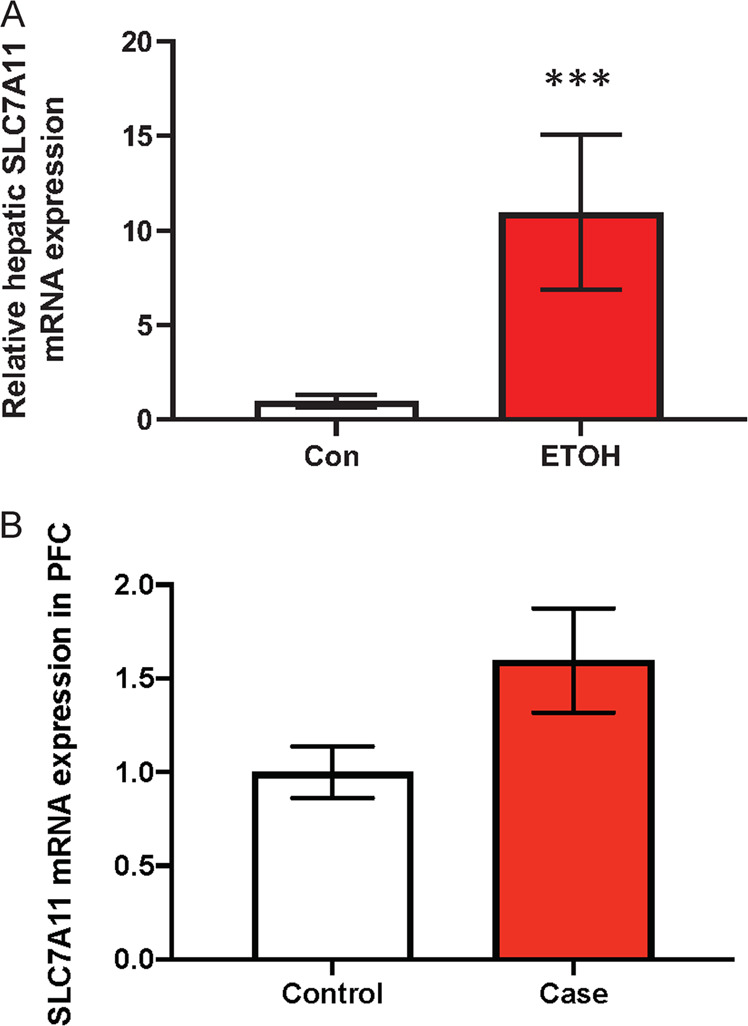
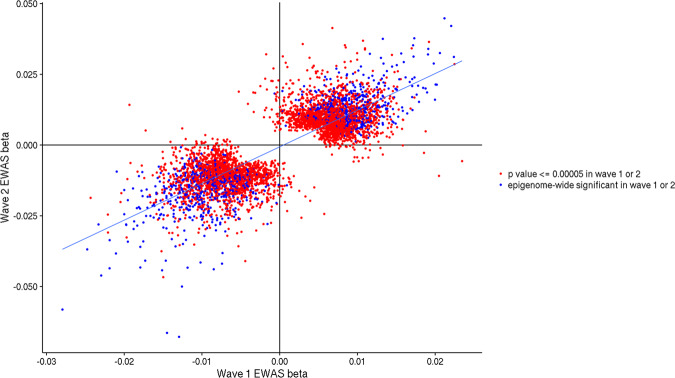
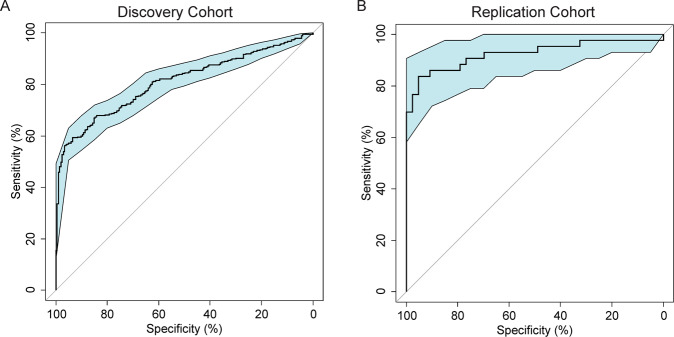
Alcohol misuse is common in many societies worldwide and is associated with extensive morbidity and mortality, often leading to alcohol use disorders (AUD) and alcohol-related end-organ damage. The underlying mechanisms contributing to the development of AUD are largely unknown; however, growing evidence suggests that alcohol consumption is strongly associated with alterations in DNA methylation. Identification of alcohol-associated methylomic variation might provide novel insights into pathophysiology and novel treatment targets for AUD. Here we performed the largest single-cohort epigenome-wide association study (EWAS) of alcohol consumption to date (N = 8161) and cross-validated findings in AUD populations with relevant endophenotypes, as well as alcohol-related animal models. Results showed 2504 CpGs significantly associated with alcohol consumption (Bonferroni p value < 6.8 × 10) with the five leading probes located in SLC7A11 (p = 7.75 × 10), JDP2 (p = 1.44 × 10), GAS5 (p = 2.71 × 10), TRA2B (p = 3.54 × 10), and SLC43A1 (p = 1.18 × 10). Genes annotated to associated CpG sites are implicated in liver and brain function, the cellular response to alcohol and alcohol-associated diseases, including hypertension and Alzheimer's disease. Two-sample Mendelian randomization confirmed the causal relationship of consumption on AUD risk (inverse variance weighted (IVW) p = 5.37 × 10). A methylation-based predictor of alcohol consumption was able to discriminate AUD cases in two independent cohorts (p = 6.32 × 10 and p = 5.41 × 10). The top EWAS probe cg06690548, located in the cystine/glutamate transporter SLC7A11, was replicated in an independent cohort of AUD and control participants (N = 615) and showed strong hypomethylation in AUD (p < 10). Decreased CpG methylation at this probe was consistently associated with clinical measures including increased heavy drinking days (p < 10), increased liver function enzymes (GGT (p = 1.03 × 10), ALT (p = 1.29 × 10), and AST (p = 1.97 × 10)) in individuals with AUD. Postmortem brain analyses documented increased SLC7A11 expression in the frontal cortex of individuals with AUD and animal models showed marked increased expression in liver, suggesting a mechanism by which alcohol leads to hypomethylation-induced overexpression of SLC7A11. Taken together, our EWAS discovery sample and subsequent validation of the top probe in AUD suggest a strong role of abnormal glutamate signaling mediated by methylomic variation in SLC7A11. Our data are intriguing given the prominent role of glutamate signaling in brain and liver and might provide an important target for therapeutic intervention.
酒精滥用在世界范围内许多社会中很常见,与广泛的发病率和死亡率有关,经常导致酒精使用障碍(AUD)和与酒精相关的终末器官损伤。导致 AUD 发展的潜在机制在很大程度上尚不清楚;然而,越来越多的证据表明,酒精消费与 DNA 甲基化的改变密切相关。确定与酒精相关的甲基组变异可能为 AUD 的病理生理学和新的治疗靶点提供新的见解。在这里,我们进行了迄今为止最大的单一队列酒精消费全基因组关联研究(EWAS)(N = 8161),并在具有相关表型的 AUD 人群以及酒精相关的动物模型中交叉验证了研究结果。结果显示,有 2504 个 CpG 与酒精消费显著相关(Bonferroni p 值 < 6.8×10),其中前 5 个探针位于 SLC7A11(p = 7.75×10)、JDP2(p = 1.44×10)、GAS5(p = 2.71×10)、TRA2B(p = 3.54×10)和 SLC43A1(p = 1.18×10)。注释到相关 CpG 位点的基因参与肝脏和大脑功能、酒精的细胞反应以及包括高血压和阿尔茨海默病在内的与酒精相关的疾病。双样本 Mendelian 随机化证实了消耗对 AUD 风险的因果关系(逆方差加权(IVW)p = 5.37×10)。基于甲基化的酒精消耗预测因子能够区分两个独立队列中的 AUD 病例(p = 6.32×10 和 p = 5.41×10)。位于胱氨酸/谷氨酸转运蛋白 SLC7A11 中的 cg06690548 探针是在另一个独立的 AUD 和对照参与者队列中复制的(N = 615),并在 AUD 中显示出强烈的低甲基化(p < 10)。该探针的 CpG 甲基化降低与临床指标一致,包括重度饮酒天数增加(p < 10)、肝功能酶升高(GGT(p = 1.03×10)、ALT(p = 1.29×10)和 AST(p = 1.97×10))。尸检大脑分析记录了 AUD 个体前额叶皮层中 SLC7A11 表达增加,动物模型显示肝脏中表达明显增加,表明酒精导致 SLC7A11 低甲基化诱导过表达的机制。总之,我们的 EWAS 发现样本和随后在 AUD 中对顶级探针的验证表明,SLC7A11 中异常谷氨酸信号介导的甲基组变异在 AUD 中起着重要作用。鉴于谷氨酸信号在大脑和肝脏中的突出作用,我们的数据很有趣,并且可能为治疗干预提供重要目标。