
NDC1是一种预后生物标志物,与结肠癌中的免疫浸润相关。
NDC1 is a Prognostic Biomarker and Associated with Immune Infiltrates in Colon Cancer.
作者信息
Liu Meng, Yuan Rui, Liu Shifei, Xue Yonggan, Wang Xuning
机构信息
Department of Integrative Oncology, China-Japan Friendship Hospital, Beijing, 100029, People's Republic of China.
Department of Critical Care Medicine, Chinese PLA General Hospital, Beijing, 100853, People's Republic of China.
出版信息
Int J Gen Med. 2021 Nov 25;14:8811-8817. doi: 10.2147/IJGM.S325720. eCollection 2021.
BACKGROUND
Colon cancer is one of the most lethal cancers in the world. NDC1 is a crucial membrane-integral nucleoporin of nuclear pore complexes. The clinical significance of NDC1 in colon cancer has not been demonstrated to date. Therefore, we determined to evaluate the association between NDC1 and colon cancer using the open-access database.
METHODS
The TCGA data of colon cancer were extracted to determine the relationship between NDC1 and the clinical characterization. We assessed the predictive role of NDC1 expression in the survival of patients with colon cancer. Univariate and multivariate Cox proportional hazard models were applied to analyze the association between the clinical factors and prognosis. The TIMER database was used to describe the association between immune cell infiltration and specific gene expression in the colon cancer context. Gene set enrichment analysis (GSEA) was performed based on the TCGA dataset.
RESULTS
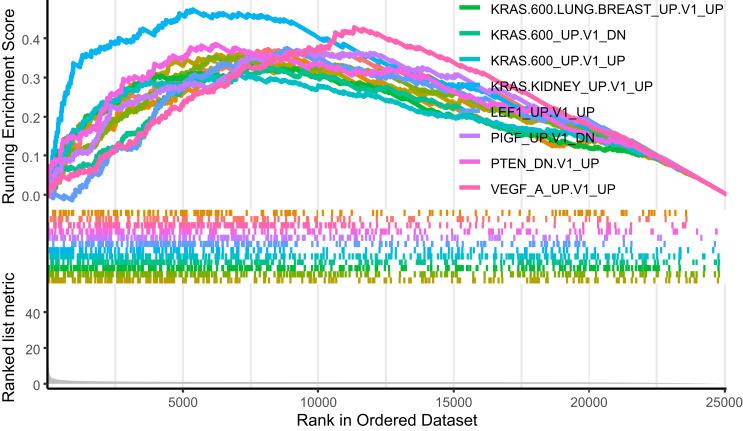
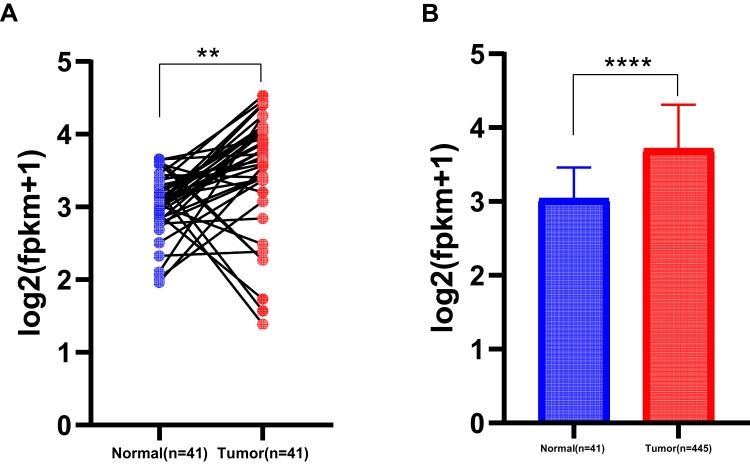
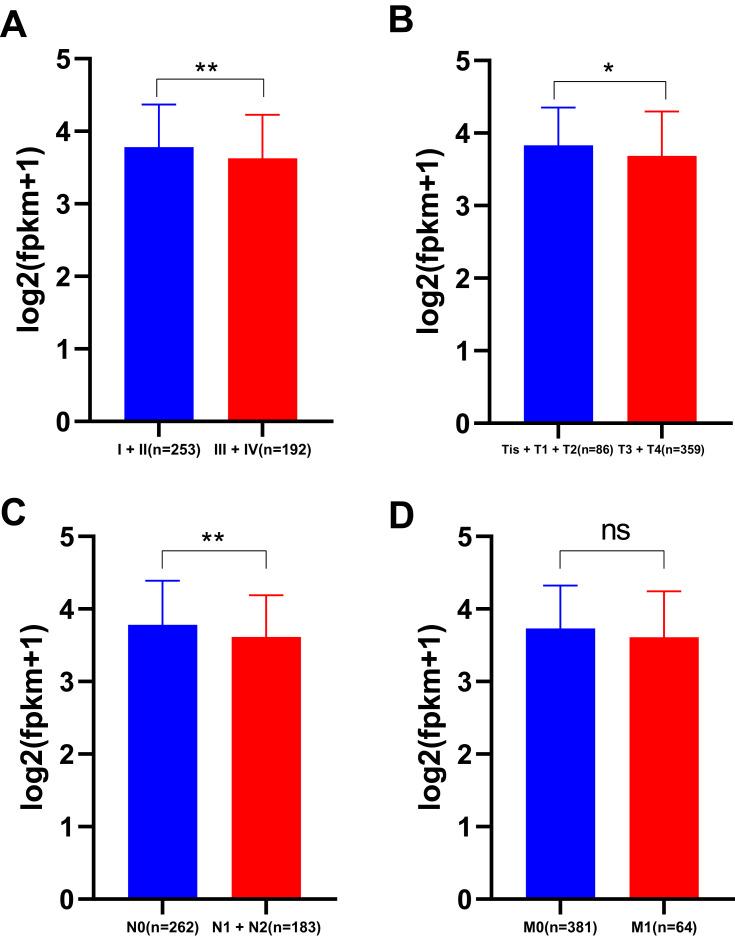
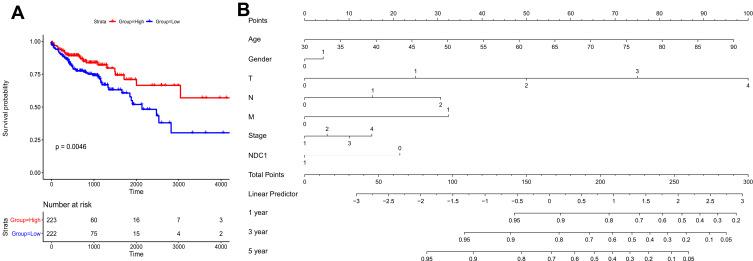
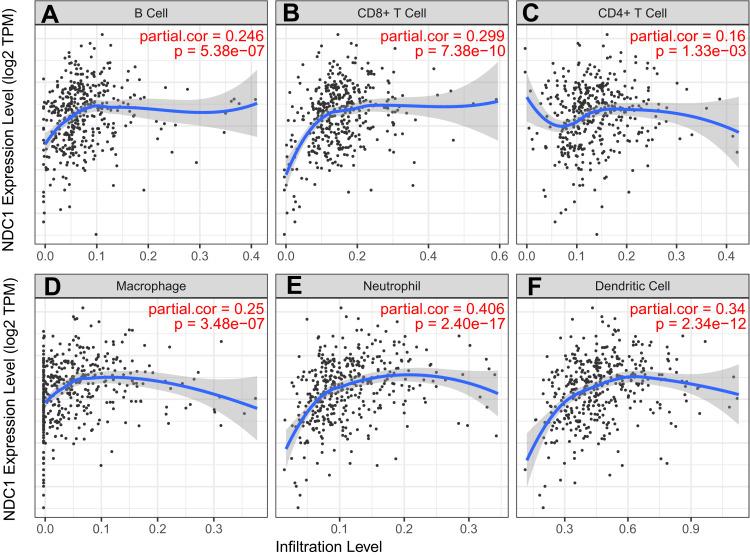
A total of 445 colon cancer patients with complete clinical information were included. NDC1 expression was significantly up-regulated in colon cancer tissues compared to adjacent normal tissues. Univariate and multivariate Cox regression analyses showed that NDC1 was an independent prognostic factor. Patients with a higher level of NDC1 expression tend to survive longer compared to those with a lower level of NDC1 expression. The level of the NDC1 expression is significantly associated with TNM stages. Furthermore, we constructed a nomogram to predict the prognosis by using NDC1 as a factor. The expression of NDC1 was significantly associated with infiltration of B cell, CD8+T cells, macrophages, neutrophils, and dendritic cells in colon cancer lesions. Additionally, NDC1 was predominantly enriched in KRAS-related signaling pathways by GSEA.
CONCLUSION
NDC1 can serve as a prognostic biomarker, which is negatively correlated with aggressiveness and positively associated with immune infiltrates of colon cancer.
背景
结肠癌是世界上最致命的癌症之一。NDC1是核孔复合体中一种关键的膜整合核孔蛋白。迄今为止,NDC1在结肠癌中的临床意义尚未得到证实。因此,我们决定使用开放获取数据库评估NDC1与结肠癌之间的关联。
方法
提取结肠癌的TCGA数据,以确定NDC1与临床特征之间的关系。我们评估了NDC1表达对结肠癌患者生存的预测作用。应用单变量和多变量Cox比例风险模型分析临床因素与预后之间的关联。使用TIMER数据库描述结肠癌背景下免疫细胞浸润与特定基因表达之间的关联。基于TCGA数据集进行基因集富集分析(GSEA)。
结果
共纳入445例具有完整临床信息的结肠癌患者。与相邻正常组织相比,结肠癌组织中NDC1表达显著上调。单变量和多变量Cox回归分析表明,NDC1是一个独立的预后因素。与NDC1表达水平较低的患者相比,NDC1表达水平较高的患者往往存活时间更长。NDC1表达水平与TNM分期显著相关。此外,我们构建了一个列线图,以NDC1作为一个因素来预测预后。NDC1的表达与结肠癌病变中B细胞、CD8 + T细胞、巨噬细胞、中性粒细胞和树突状细胞的浸润显著相关。此外,通过GSEA分析发现NDC1主要富集在KRAS相关信号通路中。
结论
NDC1可作为一种预后生物标志物,与结肠癌的侵袭性呈负相关,与免疫浸润呈正相关。
 Zotero 插件