Yadav Dipesh Kumar, Adhikari Vishnu Prasad, Ling Qi, Liang Tingbo
Department of Hepatobiliary Surgery & Pancreatic Surgery, The First Affiliated Hospital, Zhejiang University, Hangzhou, China.
Zhejiang Provincial Key Laboratory of Pancreatic Disease, Hangzhou, China.
Front Med (Lausanne). 2021 Nov 11;8:756922. doi: 10.3389/fmed.2021.756922. eCollection 2021.
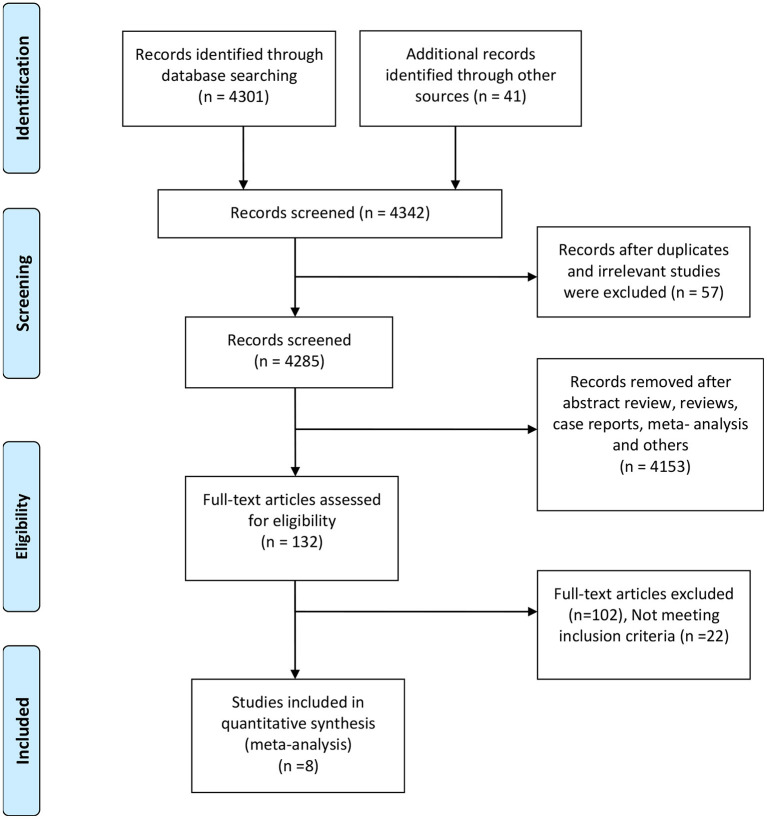
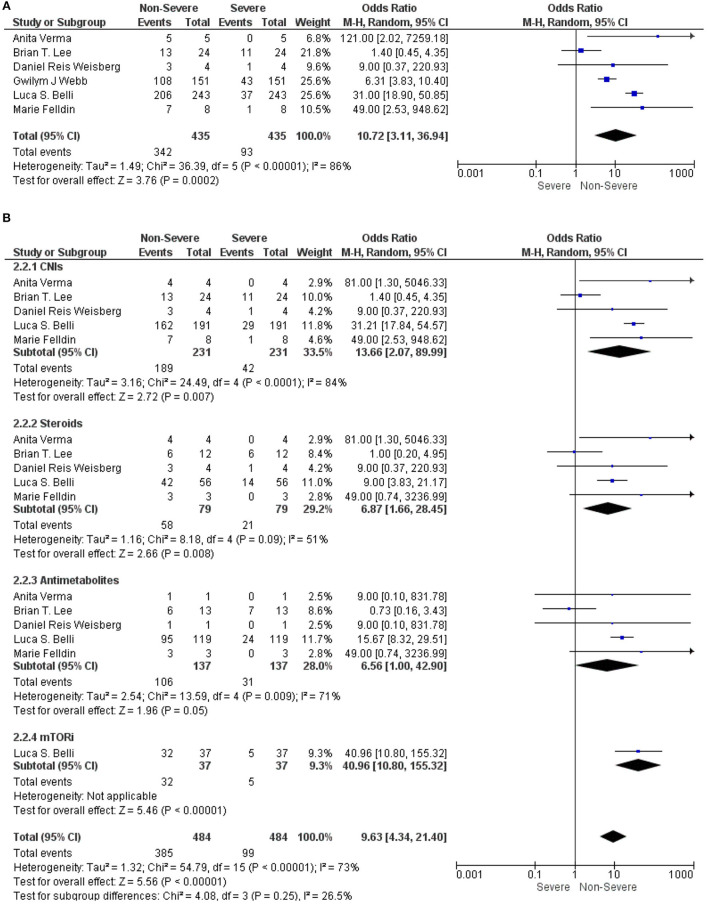
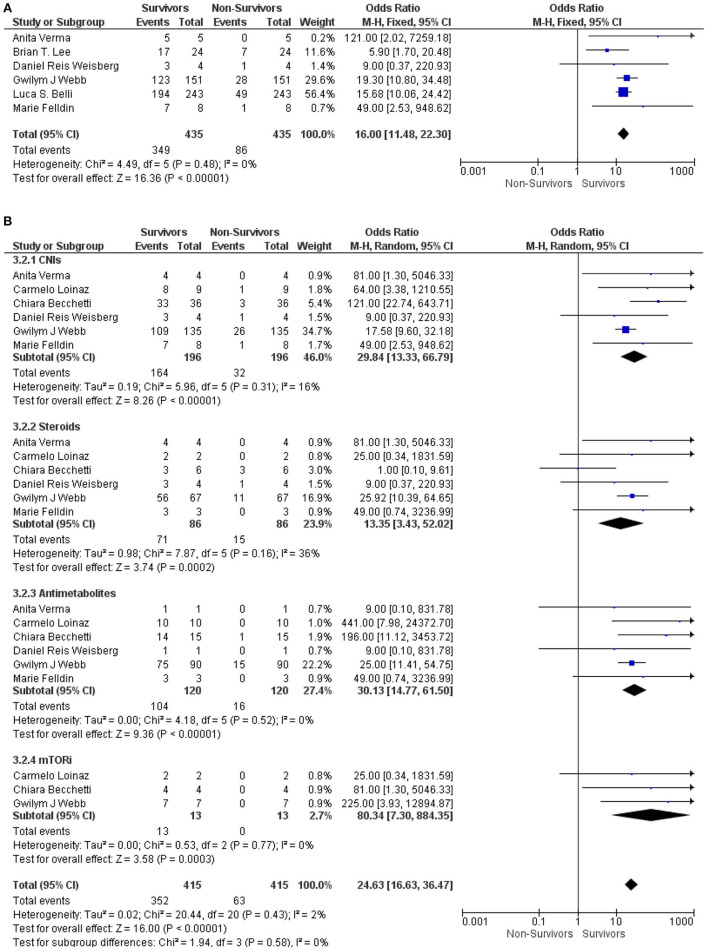
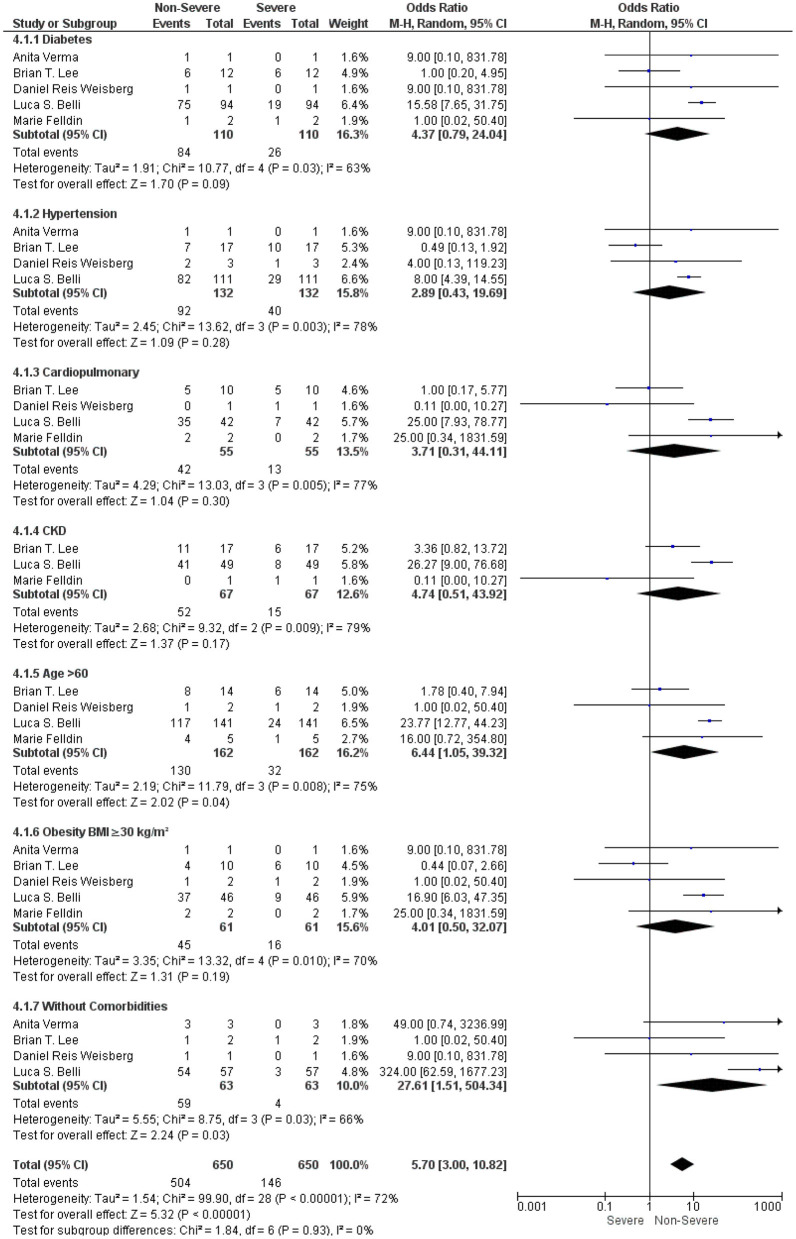
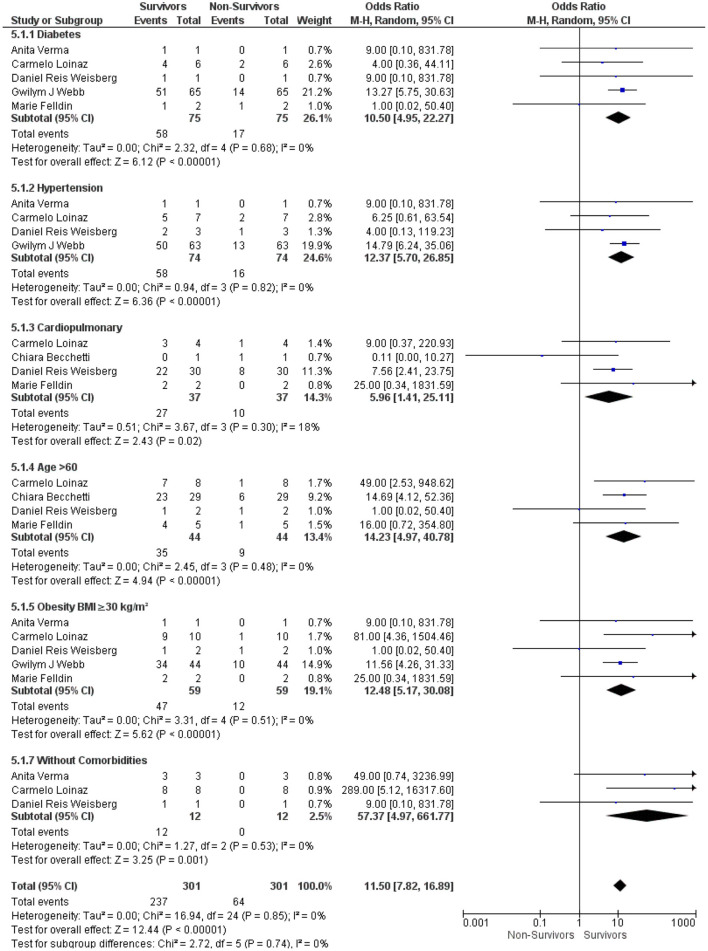
The probable impact of a maintenance immunosuppressant (IS) on liver transplant (LT) recipients with coronavirus disease 2019 (COVID-19) remains unexplored. Our specific aim was to approximate the prognosis of LT recipients with COVID-19 on the standard maintenance IS. We searched separate databases for the qualified studies in between December 2019 and June 25, 2021. Ultimately, a meta-analysis was carried out using a fixed-effect or random-effect model based on the heterogeneity. In a total of eight studies and 509 LT recipients with COVID-19, the pooled rates of severity and mortality during all the combined immunosuppressive therapies were 22.4 and 19.5%, respectively. Our study sufficiently showed that an immunosuppressive therapy in LT recipients with COVID-19 was significantly associated with a non-severe COVID-19 [odds ratio (OR): 11.49, 95% CI: 4.17-31.65; < 0.001] and the survival of the patients (OR: 17.64, 95% CI: 12.85-24.22; < 0.001). Moreover, mammalian target of rapamycin inhibitor (mTORi) typically had the lowest rate of severity and mortality compared to other ISs such as calcineurin inhibitors (CNIs), steroids, and antimetabolites, i.e., severity (13.5 vs. 21.1, 24.7, and 26.3%) and mortality (8.3 vs. 15, 17.2, and 12.1%), respectively. Contrary to the general opinions, our meta-analysis showed comorbidities such as diabetes, hypertension, cardiopulmonary disorders, chronic kidney disease (CKD), age >60, the duration of LT to the diagnosis of COVID-19, primary disease for LT, and obesity were not significantly associated with the severity and mortality in LT recipients with COVID-19 under an immunosuppressive therapy. However, our pooled analysis found that LT recipients with COVID-19 and without comorbidities have a less severe disease and low mortality rate compared to those with both COVID-19 and comorbidities. In conclusion, LT recipients with COVID-19 undergoing immunosuppressive therapies are not significantly associated with the severity and mortality. Therefore, taking the risk of organ rejection into a key consideration, a complete withdrawal of the IS may not be wise. However, mycophenolate mofetil (MMF) might be discontinued or replaced from an immunosuppressive regimen with the CNIs- or mTORis-based immunosuppressive therapy in some selected LT recipients with COVID-19, depending upon the severity of the disease.
维持性免疫抑制剂(IS)对2019冠状病毒病(COVID-19)肝移植(LT)受者的潜在影响仍未得到探索。我们的具体目标是评估接受标准维持性IS治疗的COVID-19肝移植受者的预后。我们在不同数据库中检索了2019年12月至2021年6月25日期间的合格研究。最终,根据异质性采用固定效应或随机效应模型进行荟萃分析。在总共八项研究和509例COVID-19肝移植受者中,所有联合免疫抑制治疗期间的严重程度合并率和死亡率分别为22.4%和19.5%。我们的研究充分表明,COVID-19肝移植受者的免疫抑制治疗与非重症COVID-19显著相关[比值比(OR):11.49,95%置信区间(CI):4.17 - 31.65;P < 0.001]以及患者的生存率(OR:17.64,95% CI:12.85 - 24.22;P < 0.001)。此外,与其他免疫抑制剂如钙调神经磷酸酶抑制剂(CNIs)、类固醇和抗代谢物相比,雷帕霉素靶蛋白抑制剂(mTORi)的严重程度和死亡率通常最低,即严重程度分别为(13.5% 对比 21.1%、24.7%和26.3%)和死亡率(8.3% 对比 15%、17.2%和12.1%)。与普遍观点相反,我们的荟萃分析表明,糖尿病、高血压、心肺疾病、慢性肾脏病(CKD)、年龄>60岁、LT至COVID-19诊断的时间、LT的原发疾病以及肥胖等合并症与免疫抑制治疗下COVID-19肝移植受者的严重程度和死亡率无显著关联。然而,我们的汇总分析发现,与同时患有COVID-19和合并症的患者相比,患有COVID-19且无合并症的肝移植受者疾病较轻且死亡率较低。总之,接受免疫抑制治疗的COVID-19肝移植受者与严重程度和死亡率无显著关联。因此,将器官排斥风险作为关键考虑因素,完全停用IS可能并不明智。然而,对于一些选定的COVID-19肝移植受者,根据疾病严重程度,霉酚酸酯(MMF)可能会从基于CNIs或mTORis的免疫抑制治疗的免疫抑制方案中停用或替换。