Department of Orthopedics, West China Hospital, Sichuan University, Guoxue Lane 37, Chengdu, 610041, Sichuan Province, People's Republic of China.
Department of Orthopedics, Hospital of Chengdu Office of People's Government of Tibetan Autonomous Region, Chengdu, 610041, Sichuan, People's Republic of China.
Stem Cell Res Ther. 2021 Dec 4;12(1):591. doi: 10.1186/s13287-021-02634-w.
The invasive and complicated procedures involving the use of traditional stem cells limit their application in bone tissue engineering. Cell-free, tissue-engineered bones often have complex scaffold structures and are usually engineered using several growth factors (GFs), thus leading to costly and difficult preparations. Urine-derived stem cells (USCs), a type of autologous stem cell isolated noninvasively and with minimum cost, are expected to solve the typical problems of using traditional stem cells to engineer bones. In this study, a graphene oxide (GO)-modified silk fibroin (SF)/nanohydroxyapatite (nHA) scaffold loaded with USCs was developed for immunomodulation and bone regeneration.
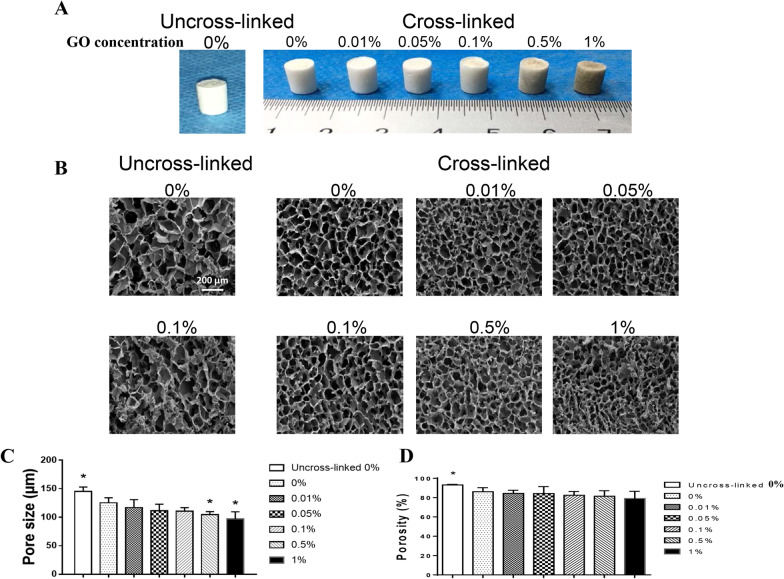
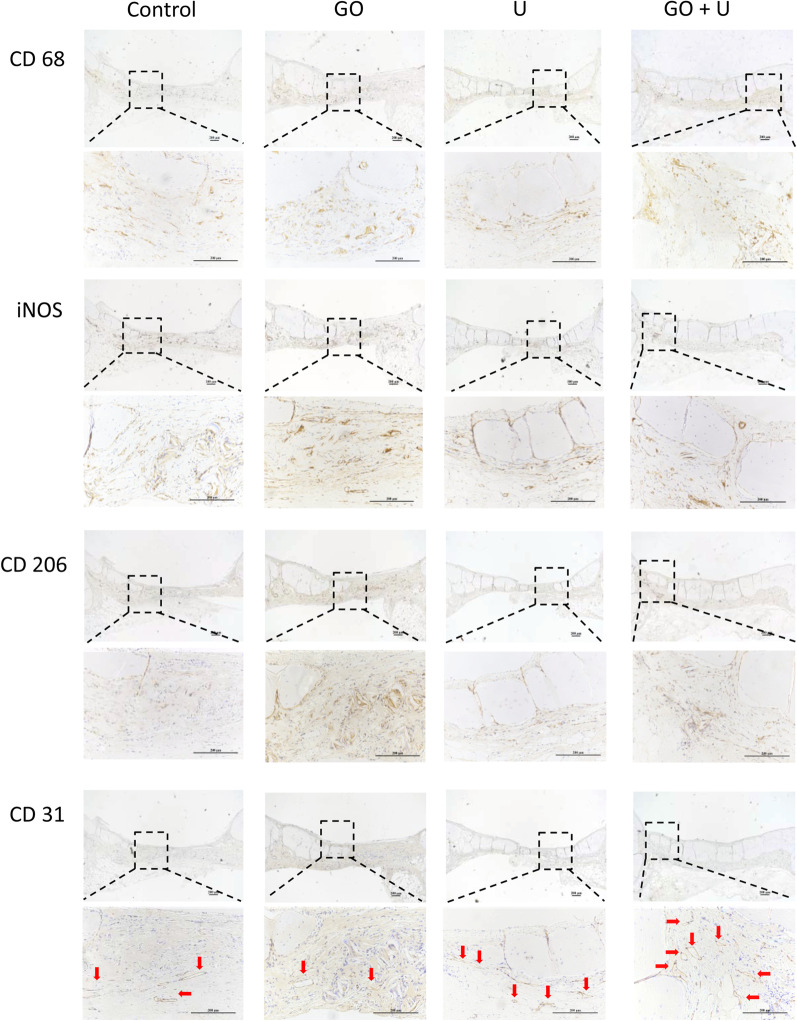
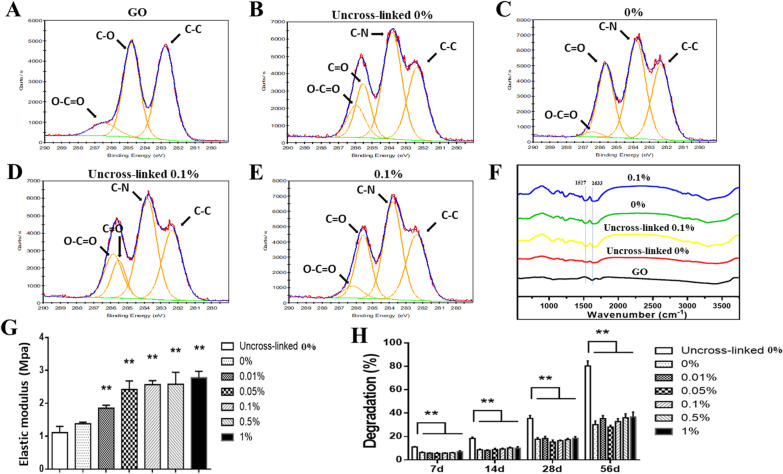
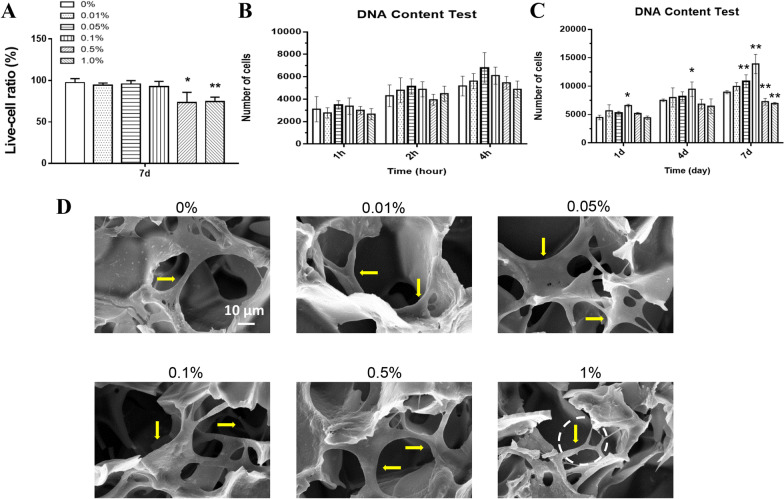
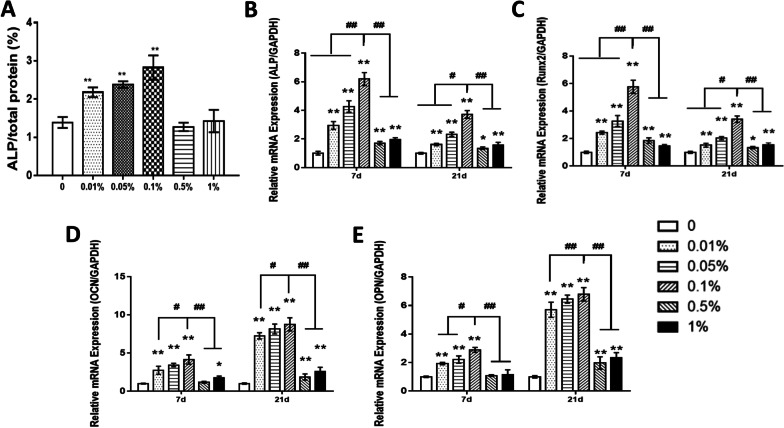
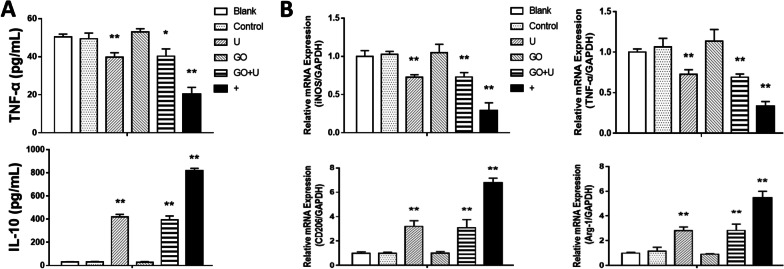
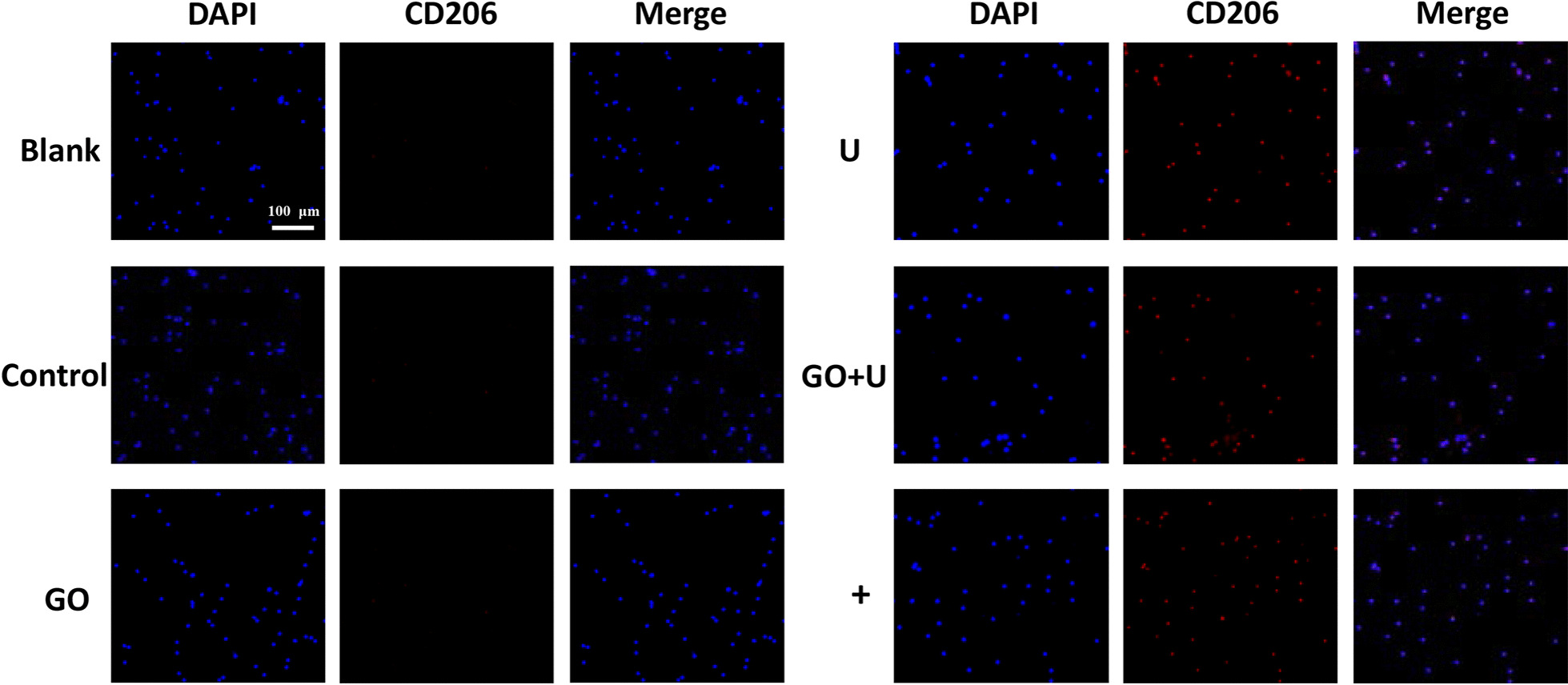
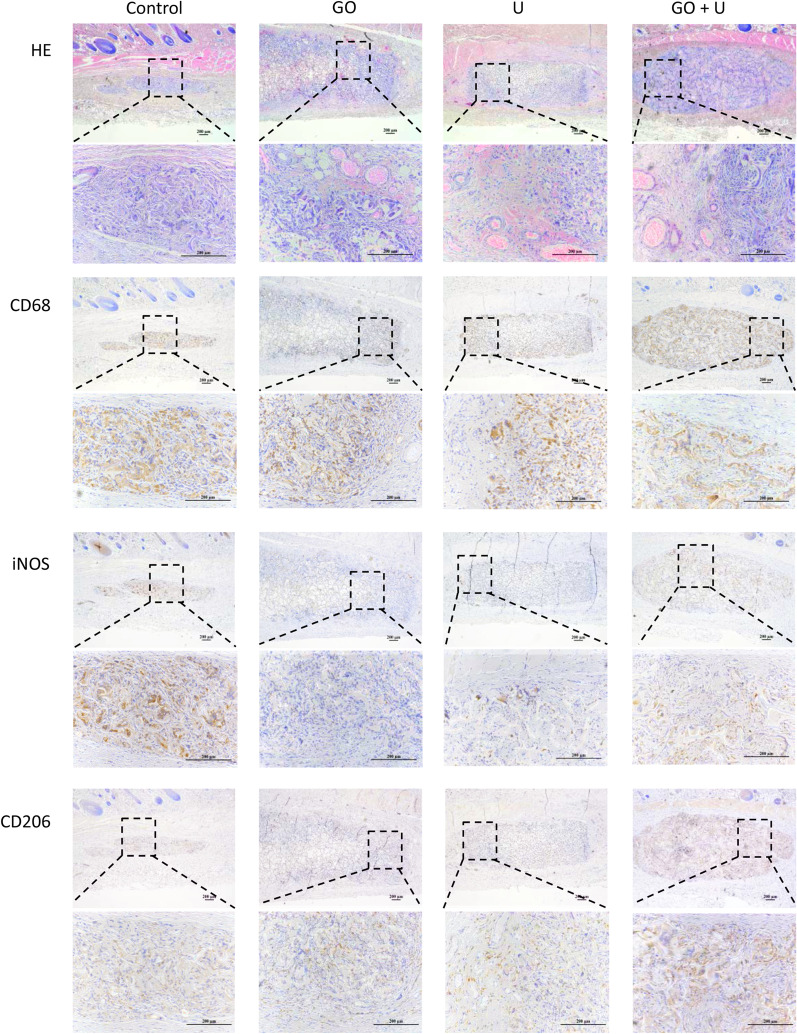
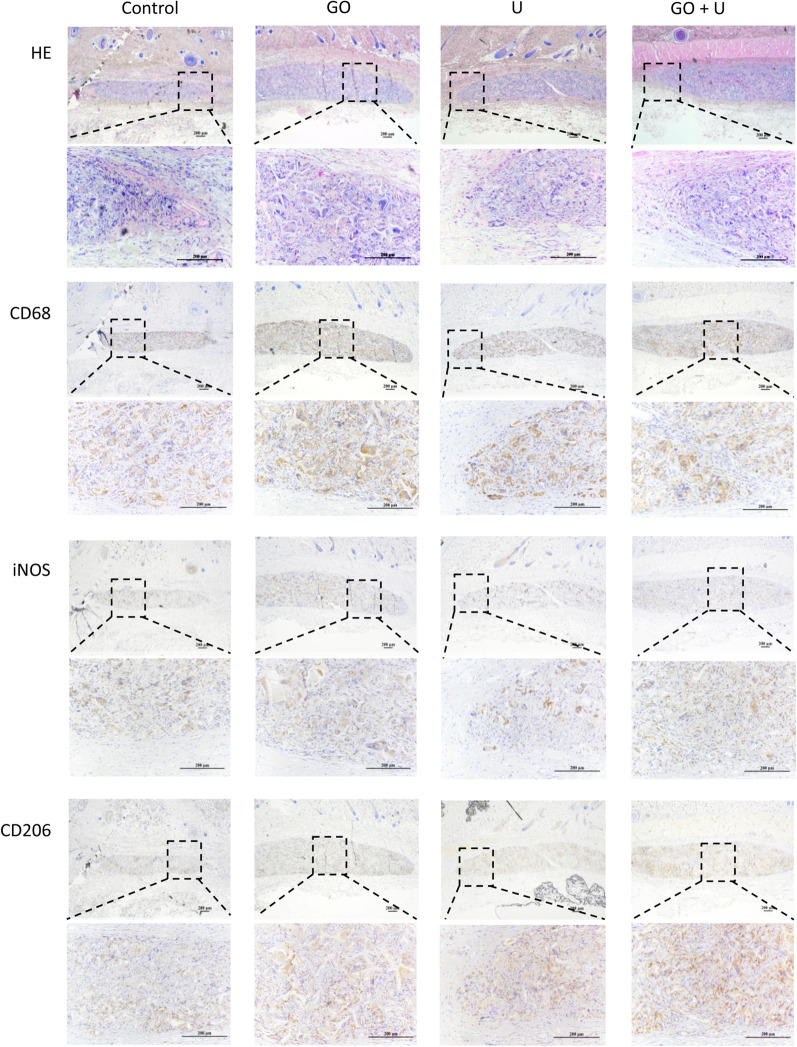
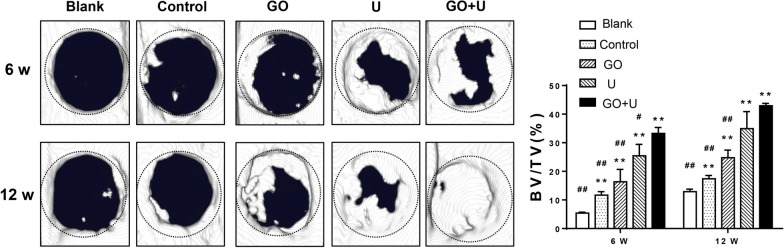
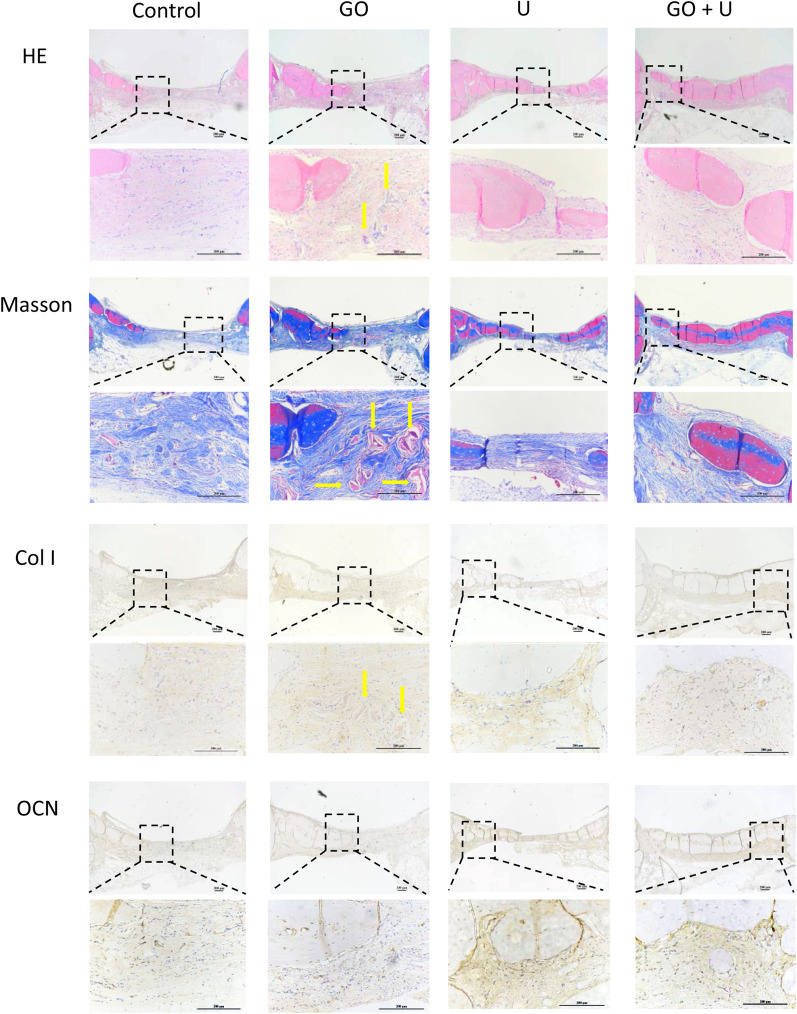
The SF/nHA scaffolds were prepared via lyophilization and cross-linked with GO using 1-ethyl-3-(3-dimethylaminopropyl) carbodiimide hydrochloride (EDC) and N-hydroxy succinimide (NHS). Scaffolds containing various concentrations of GO were characterized using scanning electron microscopy (SEM), the elastic modulus test, Fourier transform infrared spectroscopy (FTIR), and X-ray photoelectron spectrometer (XPS). Examinations of cell adhesion, proliferation, viability, morphology, alkaline phosphatase activity, and osteogenesis-related gene expression were performed to compare the osteogenesis-related biological behaviors of USCs cultured on the scaffolds. The effect of USC-laden scaffolds on the differentiation of macrophages was tested using ELISA, qRT-PCR, and immunofluorescence staining. Subcutaneous implantations in rats were performed to evaluate the inflammatory response of the USC-laden scaffolds after implantation. The scaffolds loaded with USCs were implanted into a cranial defect model in rats to repair bone defects. Micro-computed tomography (μCT) analyses and histological evaluation were performed to evaluate the bone repair effects.
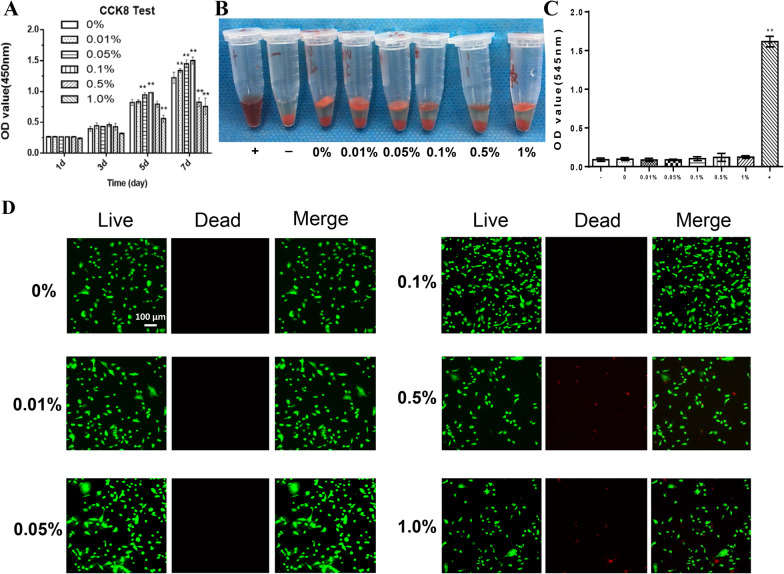
GO modification enhanced the mechanical properties of the scaffolds. Scaffolds containing less than 0.5% GO had good biocompatibility and promoted USC proliferation and osteogenesis. The scaffolds loaded with USCs induced the M2-type differentiation and inhibited the M1-type differentiation of macrophages. The USC-laden scaffolds containing 0.1% GO exhibited the best capacity for promoting the M2-type differentiation of macrophages and accelerating bone regeneration and almost bridged the site of the rat cranial defects at 12 weeks after surgery.
This composite system has the capacity for immunomodulation and the promotion of bone regeneration and shows promising potential for clinical applications of USC-based, tissue-engineered bones.
涉及传统干细胞的侵入性和复杂程序限制了它们在骨组织工程中的应用。无细胞组织工程骨通常具有复杂的支架结构,并且通常使用几种生长因子(GFs)进行工程设计,因此导致成本高且制备困难。尿源性干细胞(USC)是一种从非侵入性部位分离出来的自体干细胞,成本最低,有望解决使用传统干细胞工程骨的典型问题。在这项研究中,开发了一种负载尿源性干细胞的氧化石墨烯(GO)修饰丝素(SF)/纳米羟基磷灰石(nHA)支架,用于免疫调节和骨再生。
通过冻干法制备 SF/nHA 支架,并使用 1-乙基-3-(3-二甲基氨基丙基)碳二亚胺盐酸盐(EDC)和 N-羟基琥珀酰亚胺(NHS)将 GO 交联到支架上。使用扫描电子显微镜(SEM)、弹性模量测试、傅里叶变换红外光谱(FTIR)和 X 射线光电子能谱(XPS)对含有不同浓度 GO 的支架进行表征。比较了支架上培养的 USC 的细胞黏附、增殖、活力、形态、碱性磷酸酶活性和骨形成相关基因表达等成骨相关生物学行为。使用 ELISA、qRT-PCR 和免疫荧光染色测试负载 USC 支架对巨噬细胞分化的影响。在大鼠中进行皮下植入实验,以评估植入后负载 USC 支架的炎症反应。将负载 USC 的支架植入大鼠颅缺损模型中以修复骨缺损。通过微计算机断层扫描(μCT)分析和组织学评估来评估骨修复效果。
GO 修饰增强了支架的机械性能。含有低于 0.5%GO 的支架具有良好的生物相容性,并促进了 USC 的增殖和骨生成。负载 USC 的支架诱导巨噬细胞向 M2 型分化,并抑制 M1 型分化。含有 0.1%GO 的负载 USC 的支架表现出促进巨噬细胞向 M2 型分化的最佳能力,并加速骨再生,术后 12 周大鼠颅骨缺损部位几乎完全愈合。
该复合系统具有免疫调节和促进骨再生的能力,有望在基于 USC 的组织工程骨的临床应用中得到应用。