Department of Basic Medical Sciences, University of Arizona College of Medicine, 425 N 5th Street, Building ABC1, Rm 426, Phoenix, AZ, 85004-2157, USA.
Department of Pharmacology and Regenerative Medicine, University of Illinois College of Medicine, Chicago, IL, 60612, USA.
Stem Cell Res Ther. 2021 Dec 4;12(1):593. doi: 10.1186/s13287-021-02654-6.
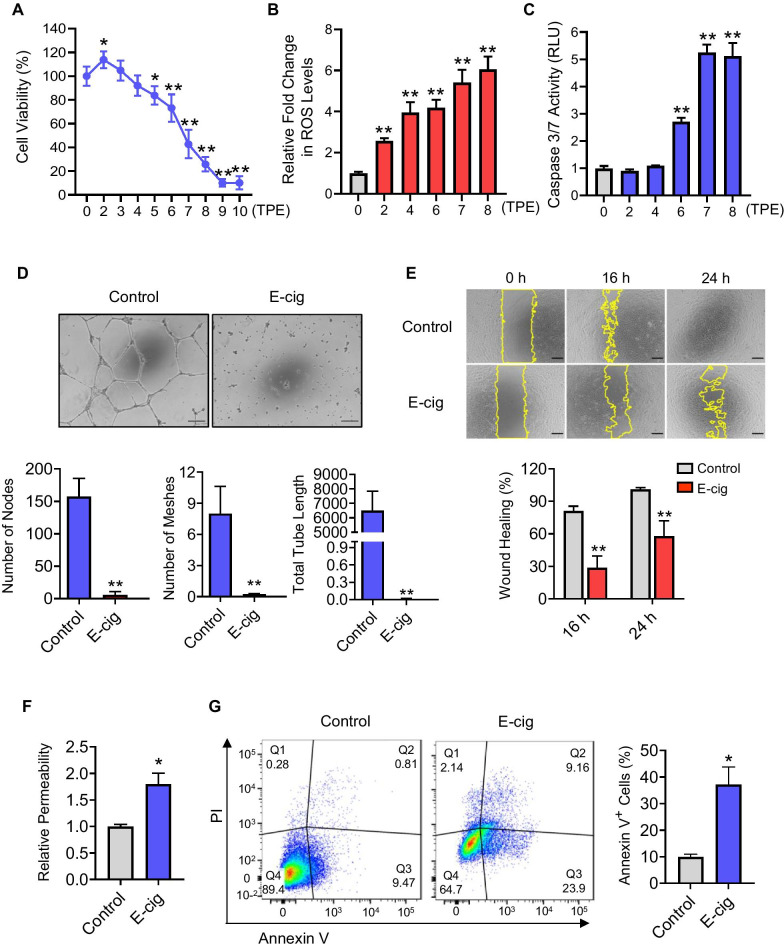
Electronic-cigarette (e-cig) usage, particularly in the youth population, is a growing concern. It is known that e-cig causes endothelial dysfunction, which is a risk factor for the development of cardiovascular diseases; however, the mechanisms involved remain unclear. We hypothesized that long noncoding RNAs (lncRNAs) may play a role in e-cig-induced endothelial dysfunction.
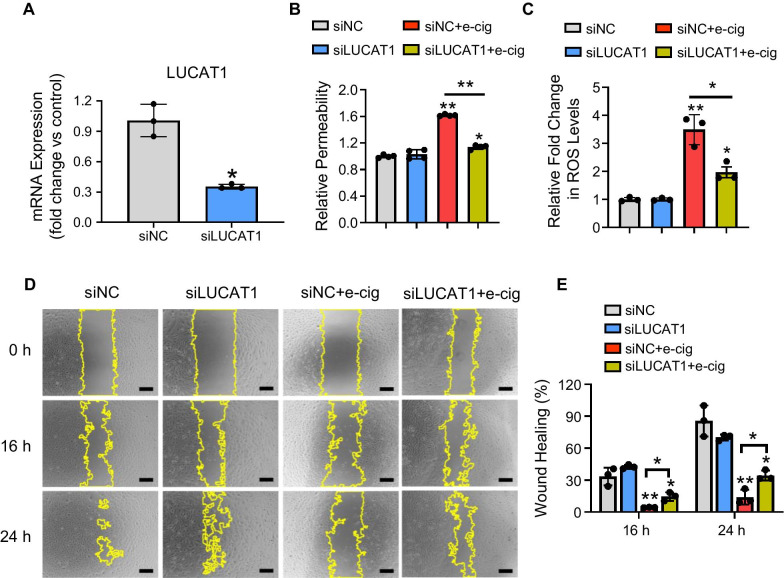
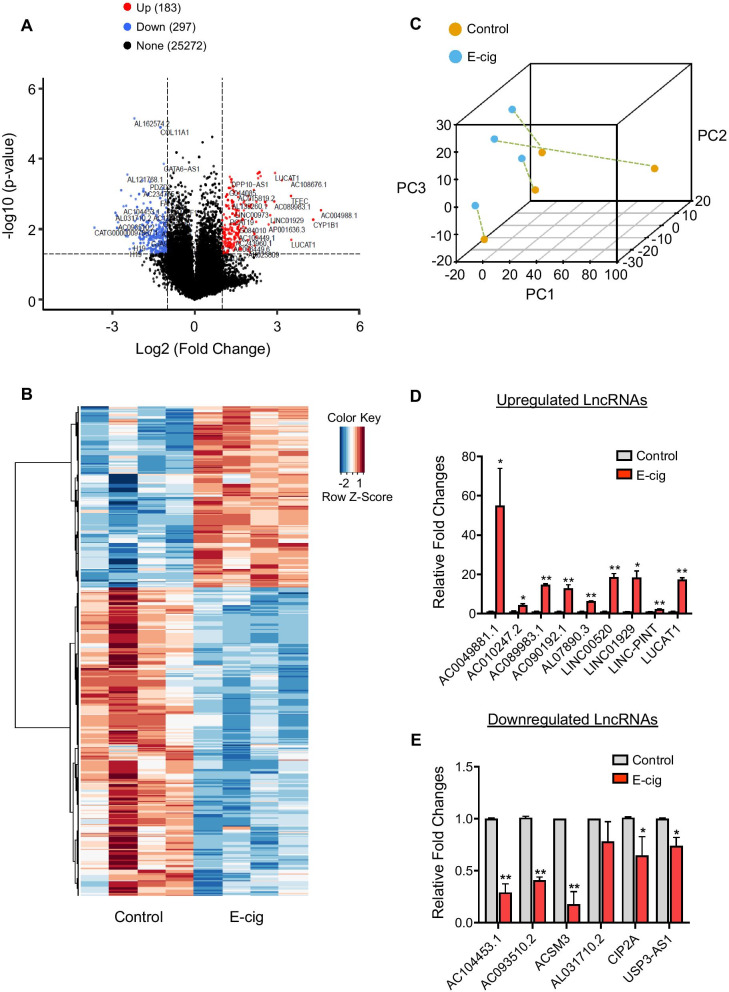
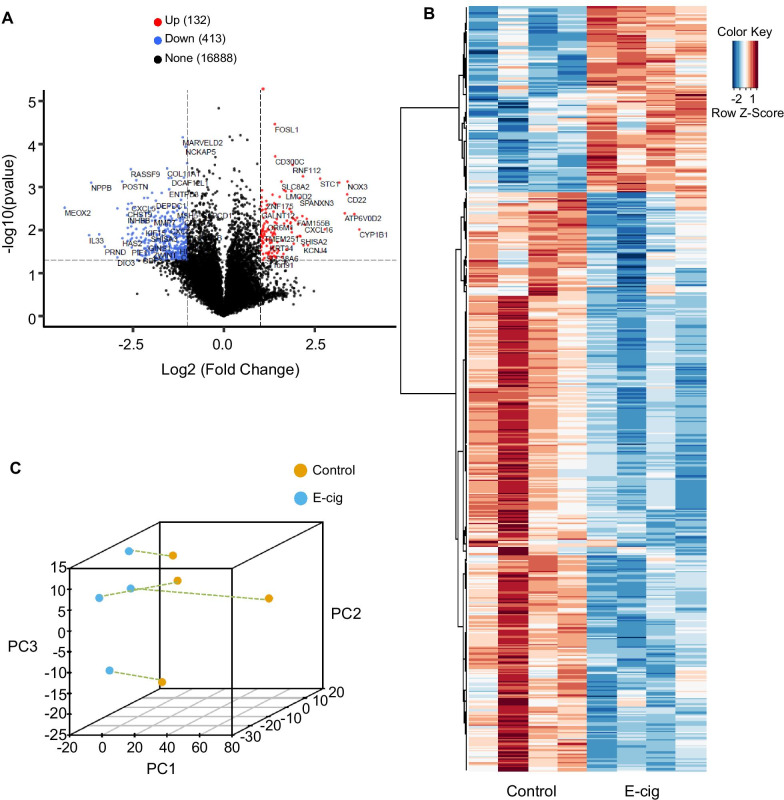
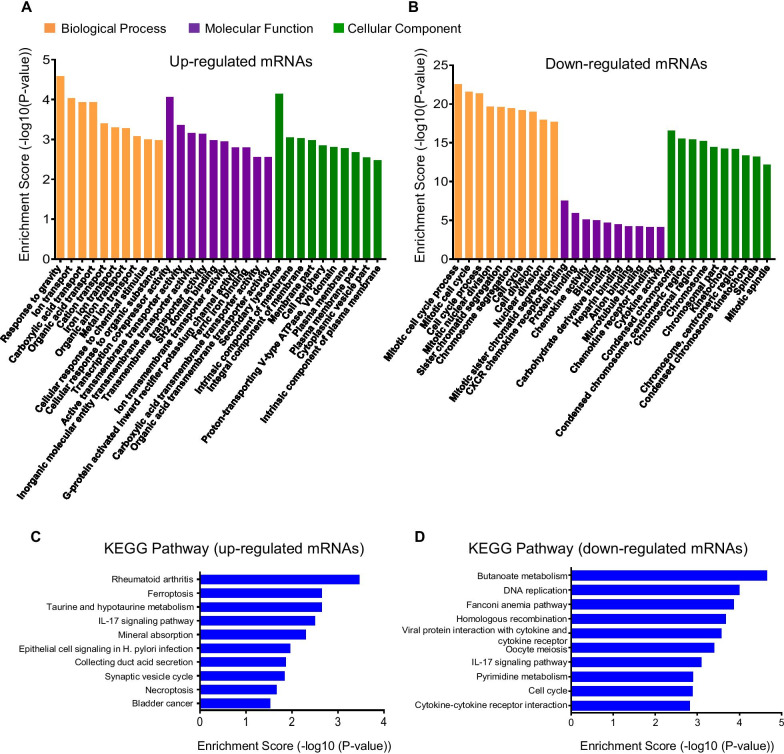
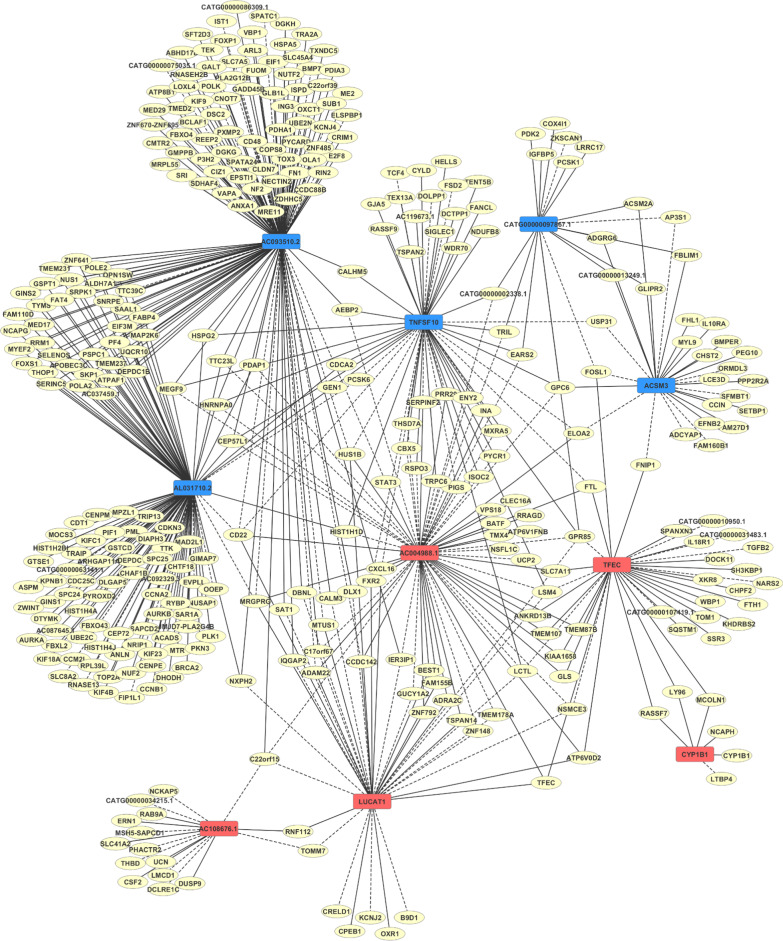
Here, we identified lncRNAs that are dysregulated in human induced pluripotent stem cell-derived endothelial cells (iPSC-ECs) following 24 h of e-cig aerosol extract treatment via microarray analysis. We performed Gene Ontology and Kyoto Encyclopedia of Genes and Genome (KEGG) pathway analyses of the dysregulated mRNAs following e-cig exposure and constructed co-expression networks of the top 5 upregulated lncRNAs and the top 5 downregulated lncRNAs and the mRNAs that are correlated with them. Furthermore, the functional effects of knocking down lncRNA lung cancer-associated transcript 1 (LUCAT1) on EC phenotypes were determined as it was one of the significantly upregulated lncRNAs following e-cig exposure based on our profiling.
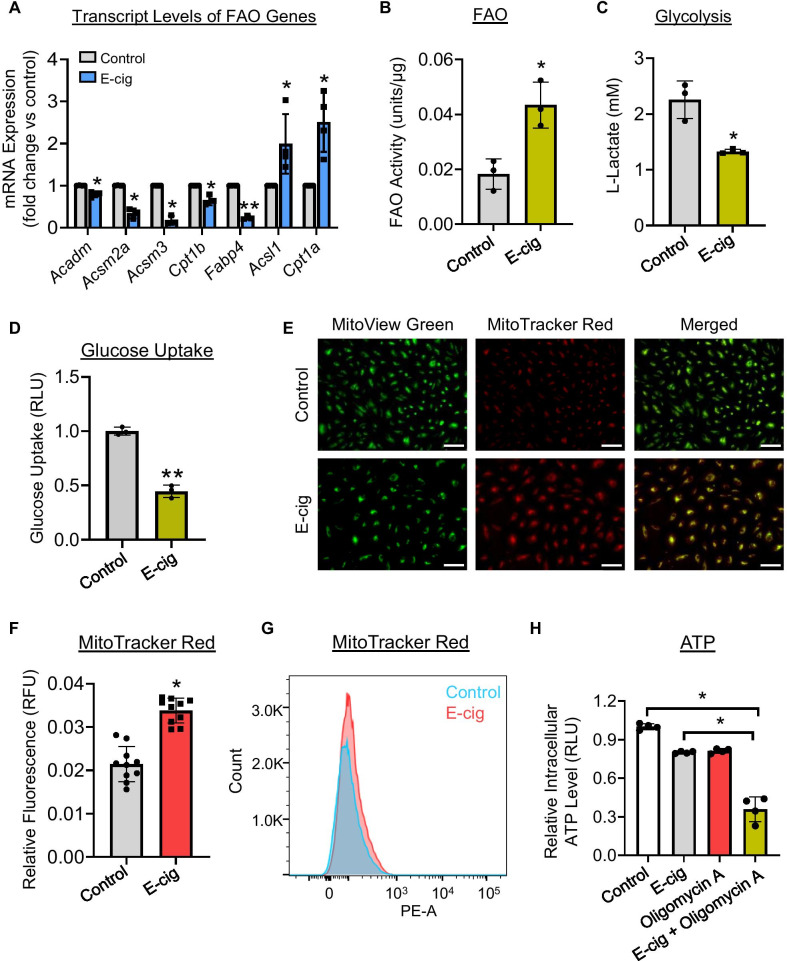
183 lncRNAs and 132 mRNAs were found to be upregulated, whereas 297 lncRNAs and 413 mRNAs were found to be downregulated after e-cig exposure. We also observed that e-cig caused dysregulation of endothelial metabolism resulting in increased FAO activity, higher mitochondrial membrane potential, and decreased glucose uptake and glycolysis. These results suggest that e-cig alters EC metabolism by increasing FAO to compensate for energy deficiency in ECs. Finally, the knockdown of LUCAT1 prevented e-cig-induced EC dysfunction by maintaining vascular barrier, reducing reactive oxygen species level, and increasing migration capacity.
This study identifies an expression profile of differentially expressed lncRNAs and several potential regulators and pathways in ECs exposed to e-cig, which provide insights into the regulation of lncRNAs and mRNAs and the role of lncRNA and mRNA networks in ECs associated e-cig exposure.
电子烟(e-cig)的使用,尤其是在年轻人中的使用,是一个日益引起关注的问题。已知电子烟会导致内皮功能障碍,这是心血管疾病发展的一个危险因素;然而,其中涉及的机制尚不清楚。我们假设长非编码 RNA(lncRNA)可能在电子烟引起的内皮功能障碍中发挥作用。
在这里,我们通过微阵列分析鉴定了在电子烟气溶胶提取物处理 24 小时后,在人诱导多能干细胞衍生的内皮细胞(iPSC-EC)中失调的 lncRNA。我们对电子烟暴露后失调的 mRNA 进行了基因本体论(GO)和京都基因与基因组百科全书(KEGG)途径分析,并构建了前 5 个上调的 lncRNA 和前 5 个下调的 lncRNA 与它们相关的 mRNA 的共表达网络。此外,基于我们的分析,由于其是电子烟暴露后显著上调的 lncRNA 之一,我们确定了敲低 lncRNA 肺癌相关转录物 1(LUCAT1)对 EC 表型的功能影响。
暴露于电子烟后,发现 183 个 lncRNA 和 132 个 mRNA 上调,而 297 个 lncRNA 和 413 个 mRNA 下调。我们还观察到,电子烟导致内皮代谢失调,导致 FAO 活性增加、线粒体膜电位升高、葡萄糖摄取和糖酵解减少。这些结果表明,电子烟通过增加 FAO 来改变 EC 代谢,以弥补 EC 中的能量不足。最后,敲低 LUCAT1 通过维持血管屏障、降低活性氧水平和增加迁移能力,防止电子烟引起的 EC 功能障碍。
本研究鉴定了暴露于电子烟的 EC 中差异表达的 lncRNA 和几种潜在的调节剂和途径的表达谱,为 EC 中 lncRNA 和 mRNA 的调控以及 lncRNA 和 mRNA 网络在与电子烟相关的 EC 中的作用提供了新的见解。