Unit of Clinical Psychiatry, Department of Clinical Neurosciences/DIMSC, School of Medicine, Polytechnic University of Marche, Ancona, Italy.
Department of Psychiatry, Prince of Songkla University, Songkhla, Thailand.
Asia Pac Psychiatry. 2021 Dec;13(4):e12501. doi: 10.1111/appy.12501. Epub 2021 Dec 7.
Digital mental health interventions and digital psychiatry have been rapidly implemented over the past decade, particularly with the intent to offer a cost-effective solution in those circumstances in which the current mental health services and infrastructure are not able to properly accommodate the patients' needs. However, mental health workforce is often poorly theoretical/practical trained in digital psychiatry and in delivering remote consultations safely and effectively, not being common to own curricula-specific training requirements in digital psychiatry and skills.
A web-based international cross-sectional survey was carried out by a working group constituted by one or two national representative(s) of each WHO South-East Asia and Western Pacific Regions (APAC), with the aim to evaluate the level of training, knowledge, experience, and perception regarding the topic of digital psychiatry in a sample constituted by medical students, psychiatry trainees, and early career psychiatrists from APAC.
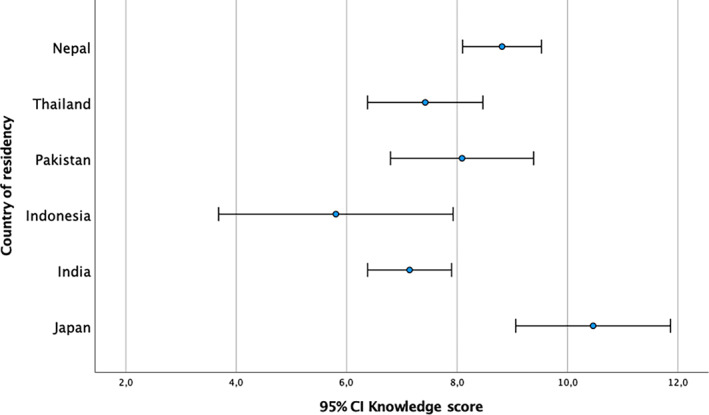
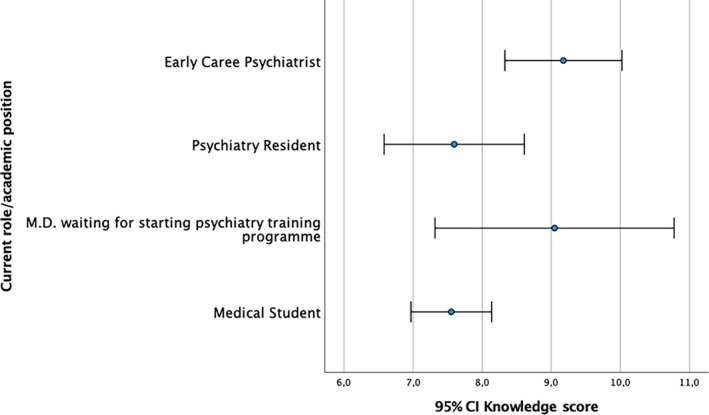
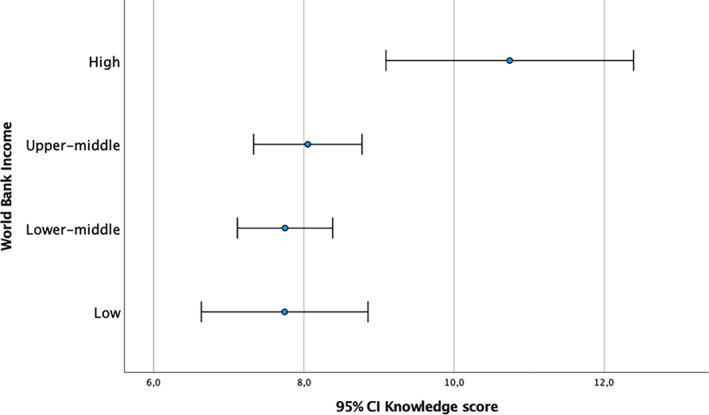
An overall lack of theoretical and/or practical training on new digital tools and digital health interventions in psychiatry was observed. The level of training influences knowledge background, which, in turns, influences young professionals' perceptions and opinions regarding digital psychiatry and interventions in mental health.
Implementing psychiatry training programs may significantly improve the level of knowledge and use of digital tools in mental healthcare. Moreover, mental health services and infrastructures should be properly adapted to the digital era, considering the overall weak and heterogeneous technical support and equipment, issues of internet connectivity, and other administrative-related challenges observed in APAC.
在过去十年中,数字心理健康干预和数字精神病学迅速得到实施,特别是意图在当前心理健康服务和基础设施无法满足患者需求的情况下提供一种具有成本效益的解决方案。然而,精神卫生工作者在数字精神病学和安全有效地提供远程咨询方面往往缺乏理论/实践培训,并且通常不具备数字精神病学和技能方面的特定课程培训要求。
由世卫组织东南亚和西太平洋区域(APAC)的每个国家/地区的一到两名代表组成的一个工作组进行了一项基于网络的国际横断面调查,旨在评估来自 APAC 的医学生、精神科受训者和早期职业精神科医生样本中对数字精神病学主题的培训、知识、经验和看法水平。
观察到在新的数字工具和精神科数字健康干预措施方面缺乏理论和/或实践培训。培训水平影响知识背景,而知识背景又影响年轻专业人员对数字精神病学和精神健康干预措施的看法和意见。
实施精神病学培训计划可能会显著提高精神卫生保健中数字工具的使用水平和知识水平。此外,应根据观察到的亚太地区整体薄弱和异构的技术支持和设备、互联网连接问题以及其他与行政相关的挑战,适当调整心理健康服务和基础设施以适应数字时代。