Bloomfield Samuel J, Midwinter Anne C, Biggs Patrick J, French Nigel P, Marshall Jonathan C, Hayman David T S, Carter Philip E, Mather Alison E, Fayaz Ahmed, Thornley Craig, Kelly David J, Benschop Jackie
Quadram Institute Bioscience, Norwich Research Park, Norwich, Norfolk, UK.
mEpiLab, Hopkirk Research Institute, Massey University, Palmerston North, 4410, New Zealand.
Gut Pathog. 2021 Dec 10;13(1):72. doi: 10.1186/s13099-021-00469-7.
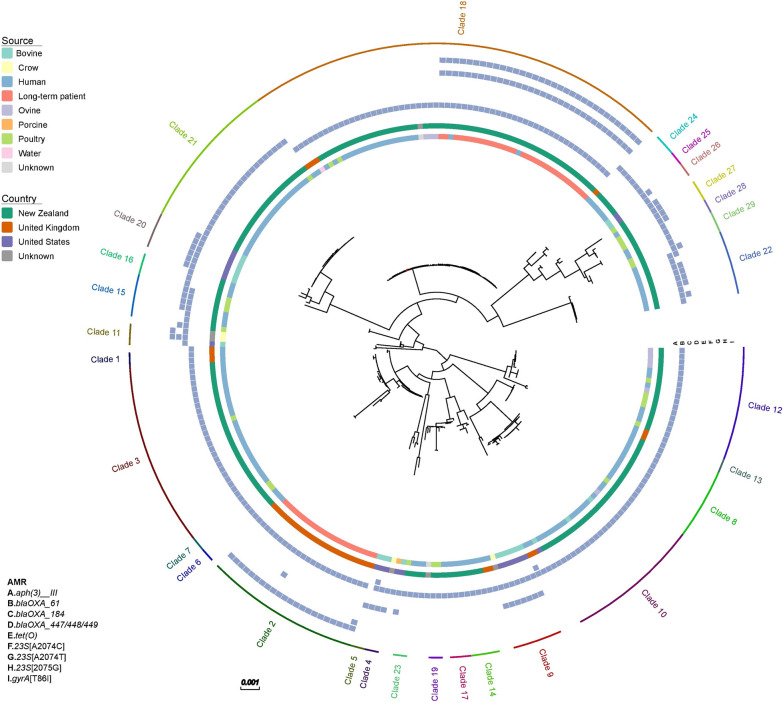
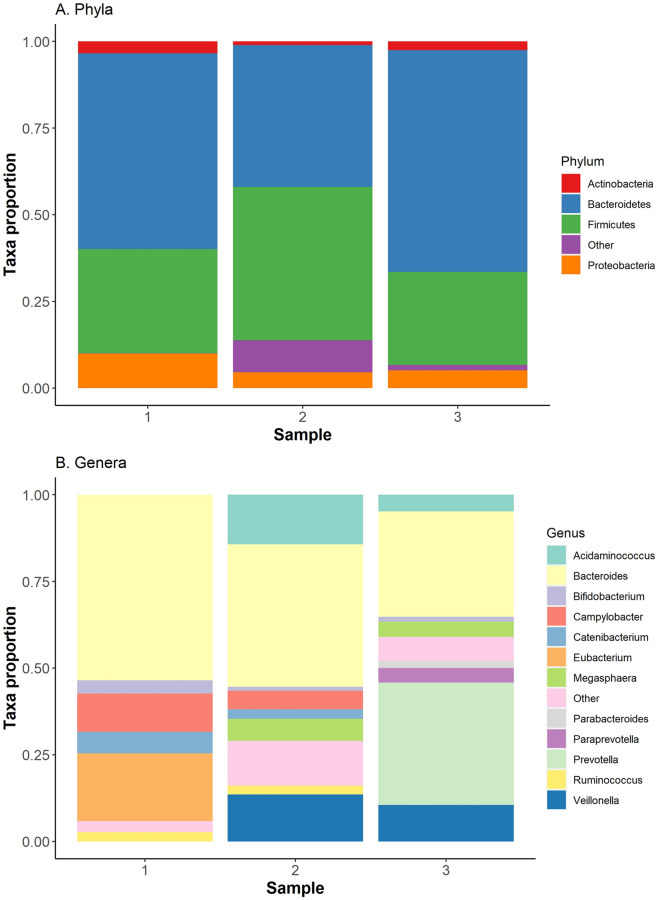
Campylobacter is a genus of bacteria that has been isolated from the gastrointestinal tract of humans and animals, and the environments they inhabit around the world. Campylobacter adapt to new environments by changes in their gene content and expression, but little is known about how they adapt to long-term human colonization. In this study, the genomes of 31 isolates from a New Zealand patient and 22 isolates from a United Kingdom patient belonging to Campylobacter jejuni sequence type 45 (ST45) were compared with 209 ST45 genomes from other sources to identify the mechanisms by which Campylobacter adapts to long-term human colonization. In addition, the New Zealand patient had their microbiota investigated using 16S rRNA metabarcoding, and their level of inflammation and immunosuppression analyzed using biochemical tests, to determine how Campylobacter adapts to a changing gastrointestinal tract.
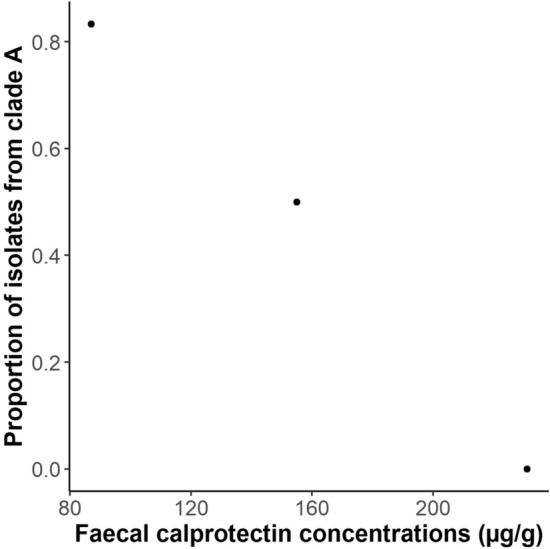
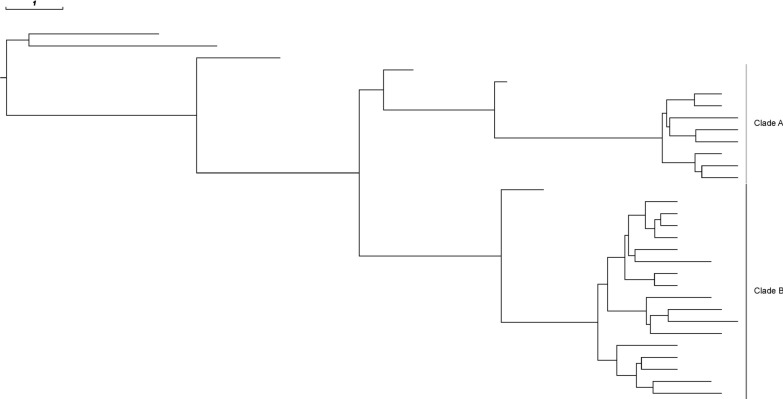
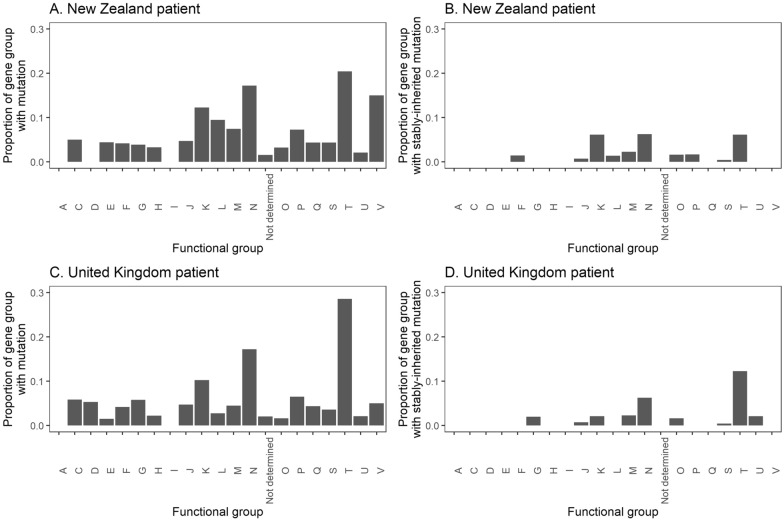
There was some evidence that long-term colonization led to genome degradation, but more evidence that Campylobacter adapted through the accumulation of non-synonymous single nucleotide polymorphisms (SNPs) and frameshifts in genes involved in cell motility, signal transduction and the major outer membrane protein (MOMP). The New Zealand patient also displayed considerable variation in their microbiome, inflammation and immunosuppression over five months, and the Campylobacter collected from this patient could be divided into two subpopulations, the proportion of which correlated with the amount of gastrointestinal inflammation.
This study demonstrates how genomics, phylogenetics, 16S rRNA metabarcoding and biochemical markers can provide insight into how Campylobacter adapts to changing environments within human hosts. This study also demonstrates that long-term human colonization selects for changes in Campylobacter genes involved in cell motility, signal transduction and the MOMP; and that genetically distinct subpopulations of Campylobacter evolve to adapt to the changing gastrointestinal environment.
弯曲杆菌属细菌已从人类和动物的胃肠道以及它们在世界各地栖息的环境中分离出来。弯曲杆菌通过基因内容和表达的变化来适应新环境,但对于它们如何适应长期的人类定植知之甚少。在本研究中,将来自一名新西兰患者的31株分离株和来自一名英国患者的22株空肠弯曲菌序列类型45(ST45)分离株的基因组与来自其他来源的209个ST45基因组进行比较,以确定弯曲杆菌适应长期人类定植的机制。此外,使用16S rRNA宏条形码技术对新西兰患者的微生物群进行了研究,并使用生化测试分析了他们的炎症和免疫抑制水平,以确定弯曲杆菌如何适应不断变化的胃肠道环境。
有一些证据表明长期定植会导致基因组降解,但更多证据表明弯曲杆菌是通过参与细胞运动、信号转导和主要外膜蛋白(MOMP)的基因中非同义单核苷酸多态性(SNP)的积累和移码来适应的。新西兰患者在五个月内其微生物群、炎症和免疫抑制也表现出相当大的差异,从该患者身上收集的弯曲杆菌可分为两个亚群,其比例与胃肠道炎症的程度相关。
本研究展示了基因组学、系统发育学、16S rRNA宏条形码技术和生化标志物如何能够深入了解弯曲杆菌如何适应人类宿主内不断变化的环境。本研究还表明,长期的人类定植会选择弯曲杆菌中参与细胞运动、信号转导和MOMP的基因发生变化;并且弯曲杆菌的遗传上不同的亚群会进化以适应不断变化的胃肠道环境。