Seed Global Health, Boston, MA, US.
David Geffen School of Medicine at UCLA, Los Angeles, CA, US.
Ann Glob Health. 2021 Nov 30;87(1):120. doi: 10.5334/aogh.3387. eCollection 2021.
Global health field assignments for medical and nursing professionals include a wide variety of opportunities. Many placements often involve individuals practicing in settings very different from their home environments, relying on their professional experience to help bridge cultural and clinical divides.
There is limited information about the individual factors that might lead to successful longer-term global health experiences in non-disaster settings. In this paper, we report on one cohort of health professionals' experiences of culture shock, stress, and resiliency as volunteers within the Global Health Service Partnership (GHSP), a public-private collaboration between Seed Global Health, the US Peace Corps, and the US Presidents Plan for Emergency Aids Relief (PEPFAR) that placed American medical and nursing educators in five African countries facing a shortage of health professionals.
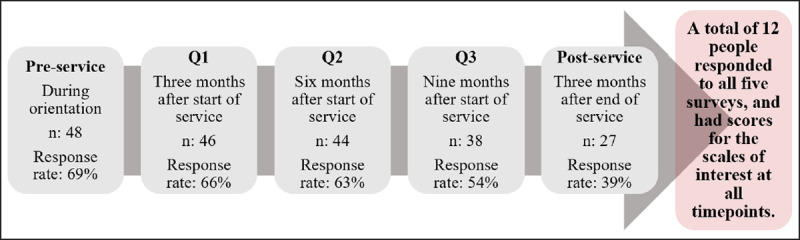
Using the tools of Project PRIME (Psychosocial Response to International Medical Electives) as a basis, we created the GHSP Educator Support Survey to measure resiliency, stress, and culture shock levels in a cohort of GHSP volunteers during their year of service.
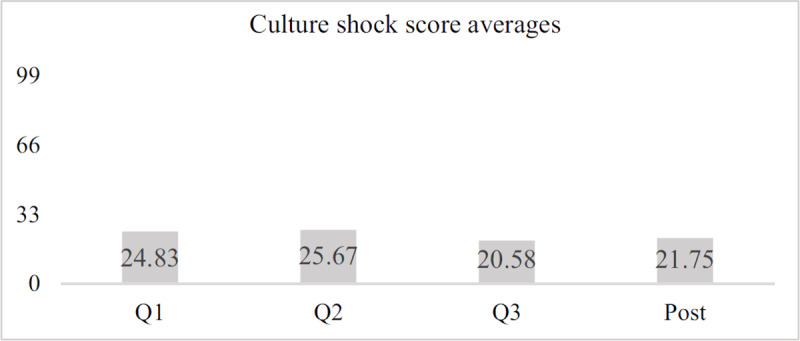
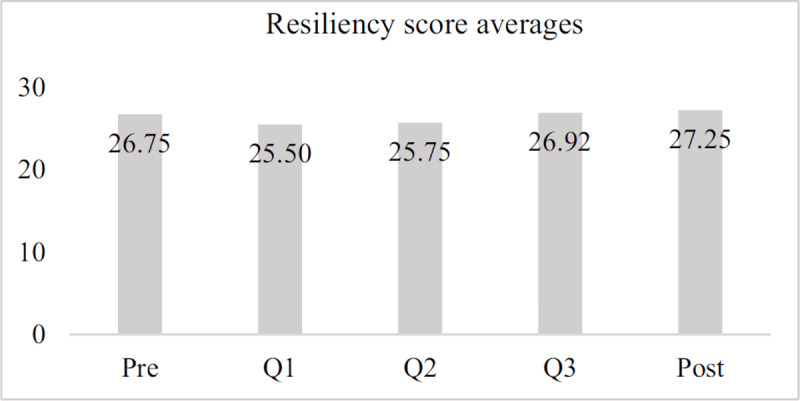
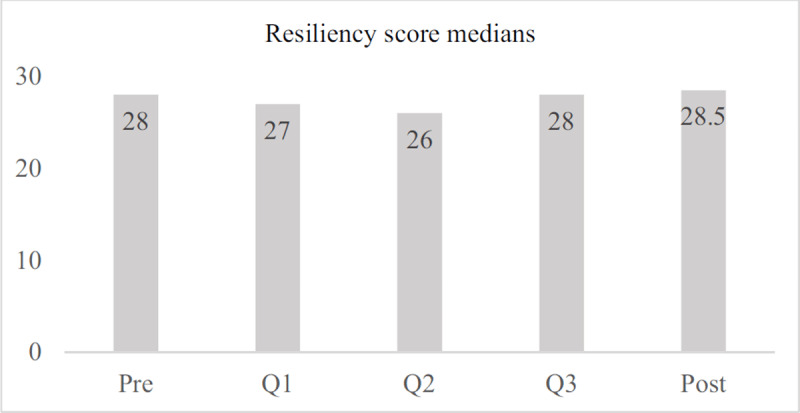
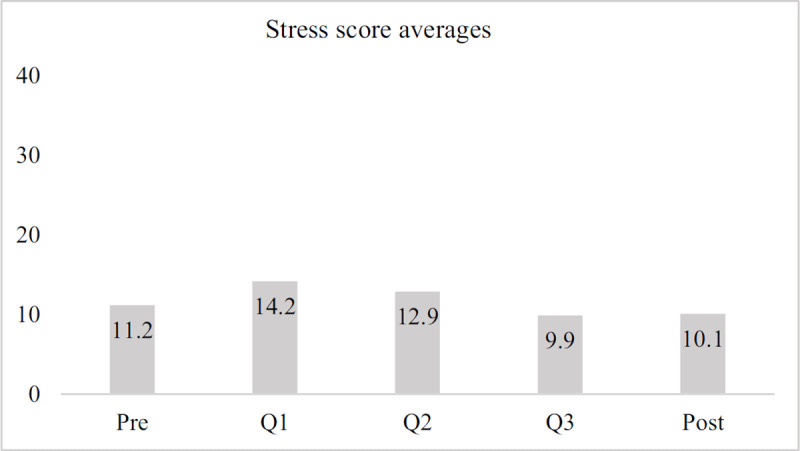
In our sample, participants were likely to experience lower levels of resiliency during initial quarters of global health placements compared to later timepoints. However, they were likely to experience similar stress and culture shock levels across quarters. Levels of preparedness and resources available, and medical needs in the community where the volunteer was placed played a role in the levels of resiliency, stress, and culture shock reported throughout the year.
The GHSP Educator Support Survey represented a novel attempt to evaluate the longitudinal mental well-being of medical and nursing volunteers engaged in intense, long-term global health placements in high acuity, low resource clinical and teaching settings. Our findings highlight the need for additional research in this critical area of global health.
医学和护理专业人员的全球健康领域任务包括各种各样的机会。许多职位通常涉及到在与自己的家庭环境非常不同的环境中工作的个人,依靠他们的专业经验帮助弥合文化和临床差距。
关于可能导致在非灾害环境中成功进行长期全球卫生体验的个人因素的信息有限。在本文中,我们报告了一个卫生专业人员群体在全球卫生服务伙伴关系(GHSP)中的文化冲击、压力和适应能力的经验,这是Seed Global Health、美国和平队和美国总统紧急艾滋病救援计划(PEPFAR)之间的公私合作伙伴关系,该计划将美国医学和护理教育者安置在五个面临卫生专业人员短缺的非洲国家。
使用国际医学选修计划的心理反应(PRIME)项目的工具作为基础,我们创建了 GHSP 教育者支持调查,以衡量 GHSP 志愿者在服务期间的适应能力、压力和文化冲击水平。
在我们的样本中,参与者在全球卫生安置的最初几个季度中可能经历较低的适应能力水平,而在稍后的时间点则可能经历类似的压力和文化冲击水平。然而,在整个一年中,准备程度、可用资源以及志愿者所在社区的医疗需求在报告的适应能力、压力和文化冲击水平中发挥了作用。
GHSP 教育者支持调查代表了一种新颖的尝试,用于评估参与高强度、长期全球卫生安置的医学和护理志愿者的纵向心理健康,这些志愿者在高敏度、低资源的临床和教学环境中工作。我们的发现强调了在全球卫生这一关键领域进行更多研究的必要性。