Zhang Jingmin, Qi Guangzhao, Han Chao, Zhou Yubing, Yang Yongjie, Wang Xinru, Liu Suna, Zhang Xiaojian
Department of Pharmacy, The First Affiliated Hospital of Zhengzhou University, Zhengzhou, People's Republic of China.
Henan Key Laboratory for Precision Clinical Pharmacy, The First Affiliated Hospital of Zhengzhou University, Zhengzhou, People's Republic of China.
Pharmgenomics Pers Med. 2021 Dec 14;14:1619-1628. doi: 10.2147/PGPM.S338198. eCollection 2021.
Pharmacogenetic testing is recognized as the major method for the individualized pharmacotherapy in clinical pharmacy practice, but information about the clinical implementation of pharmacogenetic testing in China is limited. The present study aimed to determine the situation of clinical implementation for pharmacogenetic testing in central China.
The study is conducted in the department of clinical pharmacy in The First Affiliated Hospital of Zhengzhou University, Zhengzhou, China. We collected and analyzed pharmacogenetic testing results from November 1, 2013 to November 2, 2018 in our hospital, which were checked in the electronic medical record system. The main outcome measures were the number and type of pharmacogenetic testing across five years.
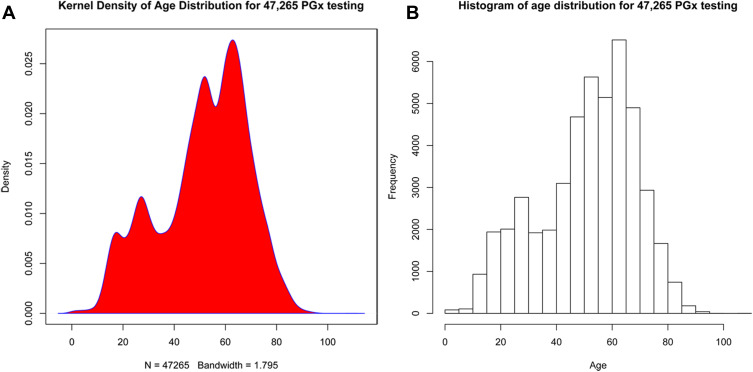
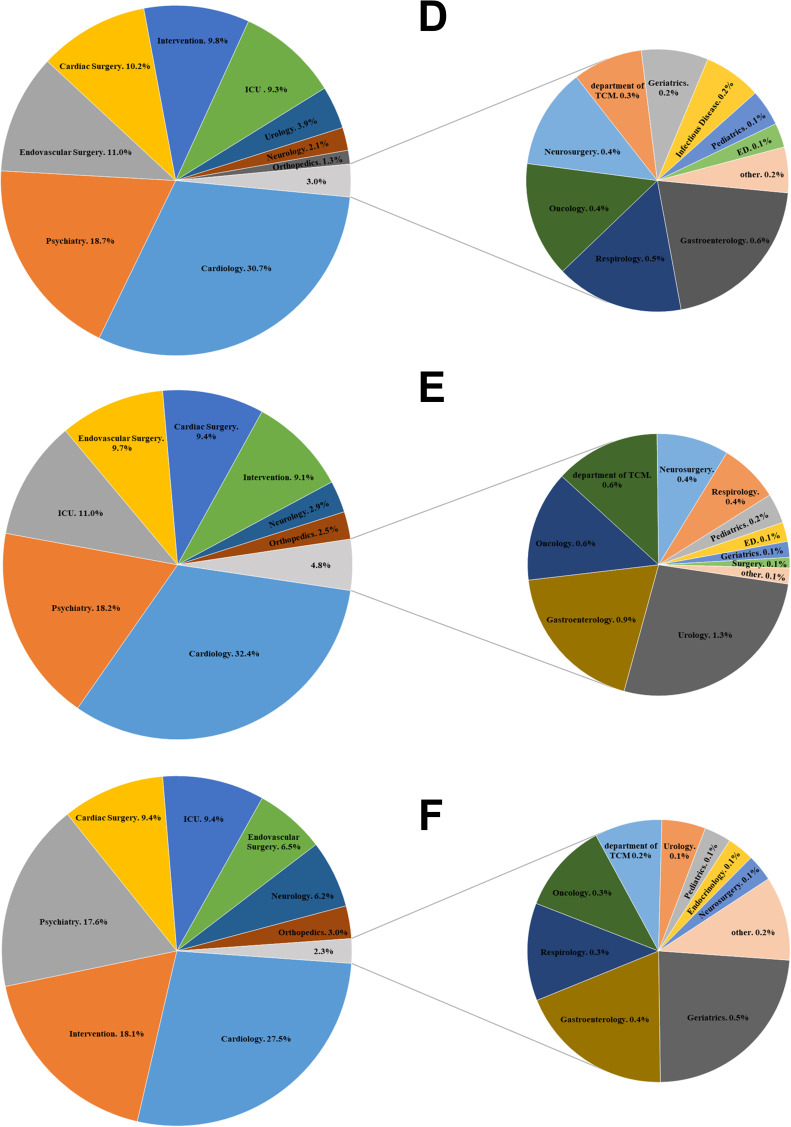
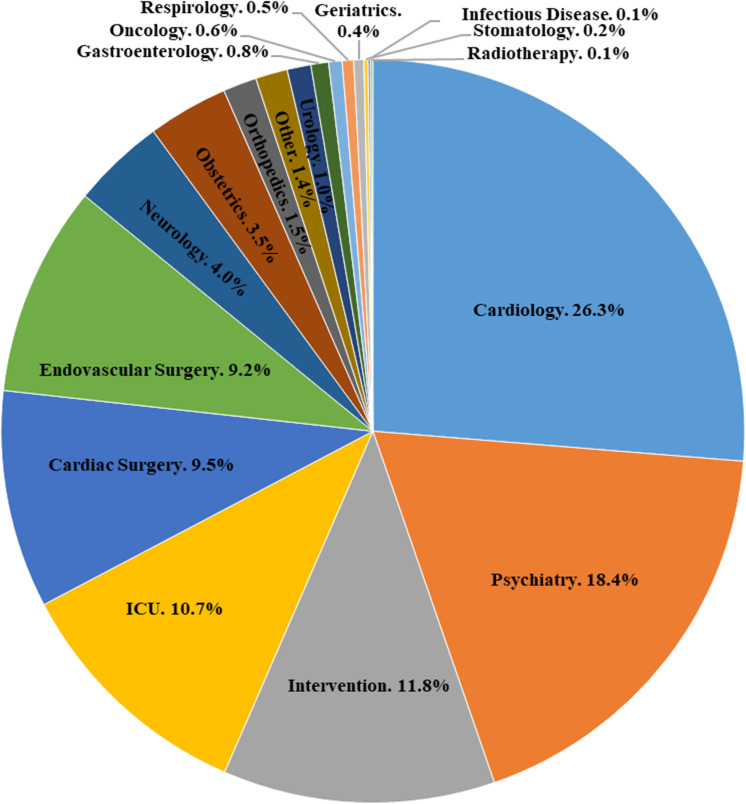
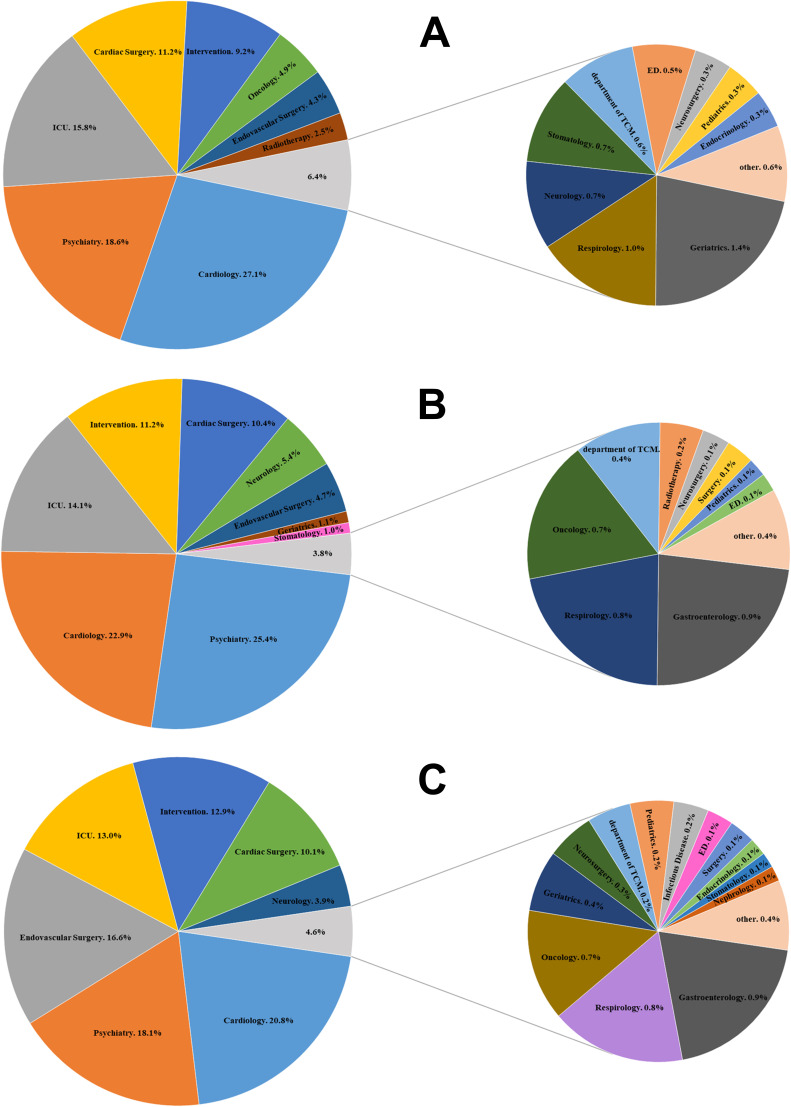
A total of 47,265 (56.9% male, mean age = 51.5 years) pharmacogenetic testing results were obtained with an average annual rate of growth of 63.0% across five years. A 50.2% (23,748/47,265) of all the pharmacogenetic testing results were for the determination of cytochrome P450 2C19 () *2, *3 genotypes, and 41.7% were for the methylene tetrahydrofolate reductase () C677T genotype. The number of departments performing the pharmacogenetic testing was 35, 63, 55, 52, 52 and 39 for 2013-2018, respectively, and the main top five departments were cardiology, psychiatry, ICU, cardiac surgery and intervention.
Clinical implementation of pharmacogenetic testing in China is growing rapidly, but the types and implementing departments of pharmacogenetic testing were limited. Our present study reported the real-world implementation modality of pharmacogenomic tests in China. It will help us to understand the testing of pharmacogenetics in China in order to promote the rational development of pharmacogenetics.
药物遗传学检测被认为是临床药学实践中个体化药物治疗的主要方法,但中国关于药物遗传学检测临床应用的信息有限。本研究旨在确定中国中部地区药物遗传学检测的临床应用情况。
本研究在郑州大学第一附属医院临床药学部开展。我们收集并分析了2013年11月1日至2018年11月2日期间本院电子病历系统中记录的药物遗传学检测结果。主要观察指标为五年间药物遗传学检测的数量和类型。
共获得47265份药物遗传学检测结果(男性占56.9%,平均年龄51.5岁),五年间平均年增长率为63.0%。所有药物遗传学检测结果中,50.2%(23748/47265)用于检测细胞色素P450 2C19()*2、*3基因型,41.7%用于检测亚甲基四氢叶酸还原酶()C677T基因型。2013 - 2018年进行药物遗传学检测的科室数量分别为35、63、55、52、52和39个,主要的前五个科室为心内科、精神科、重症监护室、心脏外科和介入科。
中国药物遗传学检测的临床应用正在迅速增长,但药物遗传学检测的类型和实施科室有限。本研究报告了中国药物基因组学检测的真实世界应用模式。这将有助于我们了解中国药物遗传学检测情况,以促进药物遗传学的合理发展。