Pires Giovanna R, Moss Whitney D, Ormiston Laurel D, Baschuk Christopher M, Mendenhall Shaun D
Division of Plastic Surgery, University of Utah, Salt Lake City, Utah.
Handspring Clinical Services, Salt Lake City, Utah.
Plast Reconstr Surg Glob Open. 2021 Dec 17;9(12):e3986. doi: 10.1097/GOX.0000000000003986. eCollection 2021 Dec.
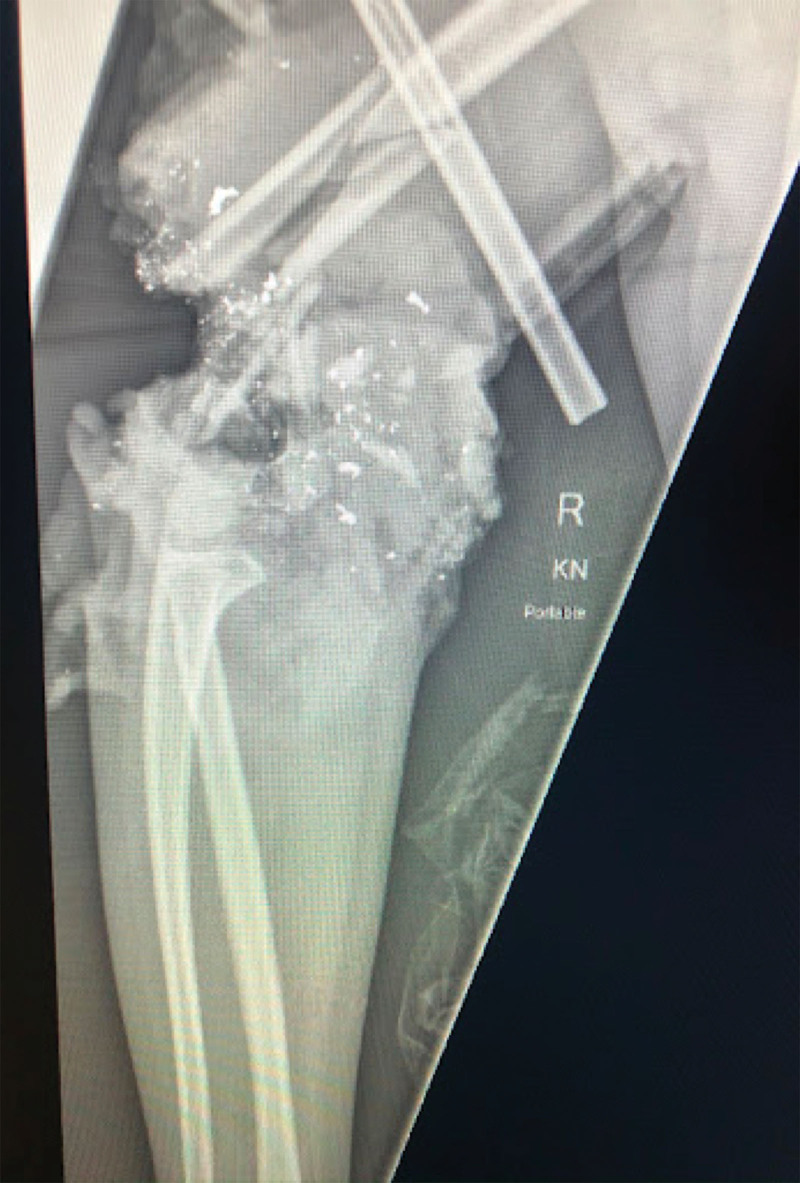
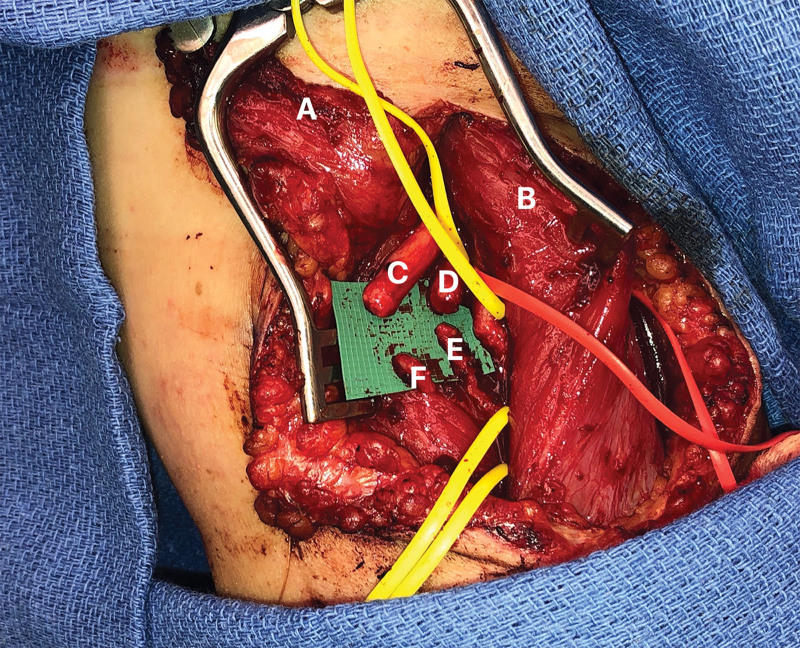
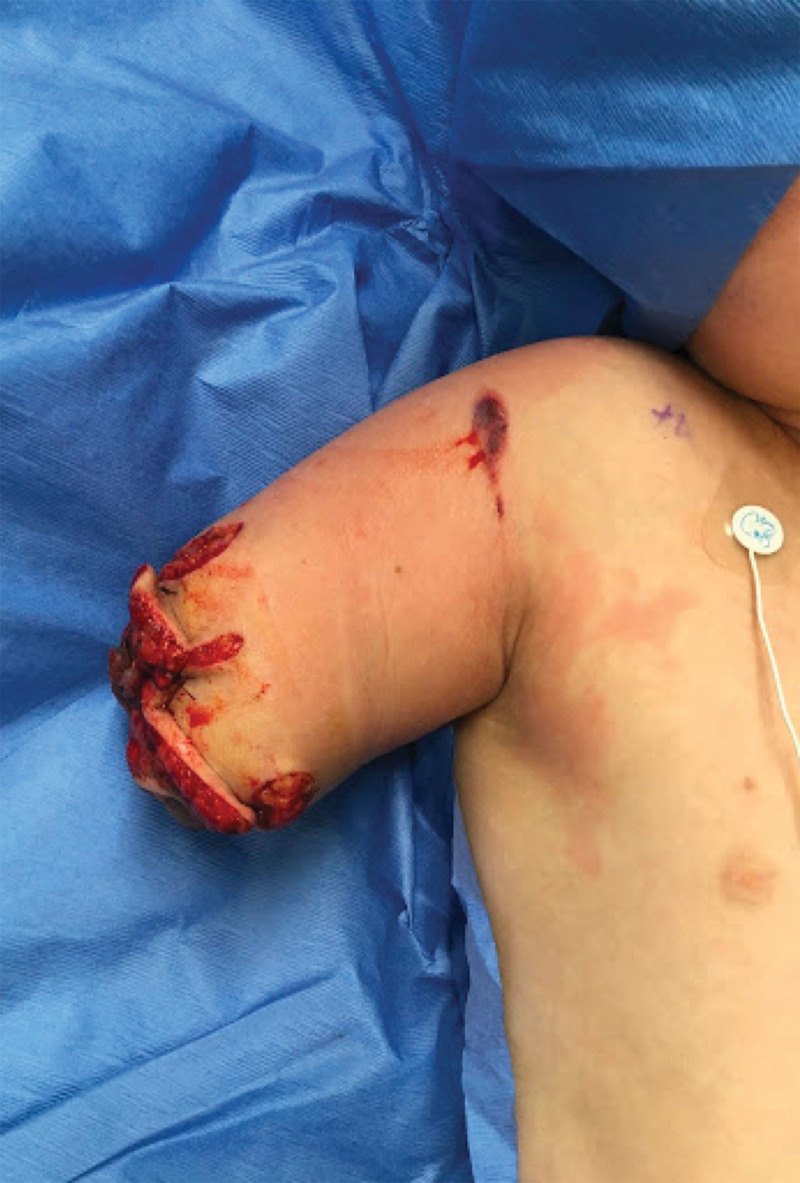
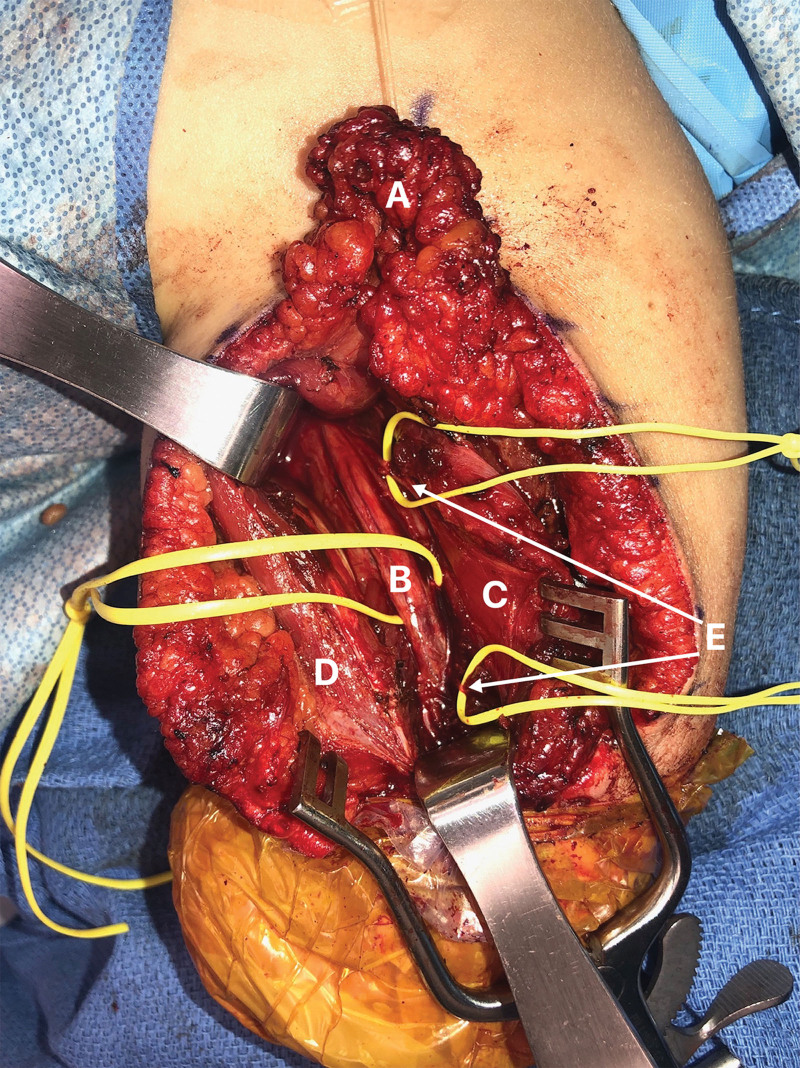
Absence of the proximal upper limb, whether congenital or acquired, has a profound impact on quality of life. Targeted muscle reinnervation (TMR) was originally developed to improve functional control over myoelectric prostheses; however, it has also been shown to decrease phantom limb pain and neuroma pain as well as prevent neuroma formation. In children, whose rates of prosthetic use are considerably lower than adults, the effects of amputation on limb function can be devastating. To date, there is very little literature regarding the use of TMR in children. In this case report, we review the current literature and present the case of a 9-year-old boy with a transhumeral amputation secondary to a traumatic injury who underwent acute TMR at the time of wound closure. At 22 months follow-up, the patient is doing well with minimal pain, no evidence of neuroma formation, and signs of muscle reinnervation.
近端上肢缺失,无论是先天性的还是后天获得性的,都会对生活质量产生深远影响。靶向肌肉再支配(TMR)最初是为了改善对肌电假肢的功能控制而开发的;然而,它也被证明可以减轻幻肢痛和神经瘤疼痛,并防止神经瘤形成。在儿童中,其假肢使用率远低于成人,截肢对肢体功能的影响可能是毁灭性的。迄今为止,关于儿童使用TMR的文献非常少。在本病例报告中,我们回顾了当前的文献,并介绍了一名9岁男孩的病例,该男孩因外伤导致经肱骨截肢,在伤口闭合时接受了急性TMR。在22个月的随访中,患者情况良好,疼痛轻微,没有神经瘤形成的迹象,并且有肌肉再支配的迹象。