Department of Radiography, Medical University of Lublin, Lublin, Poland.
Ann Med. 2022 Dec;54(1):22-36. doi: 10.1080/07853890.2021.2014556.
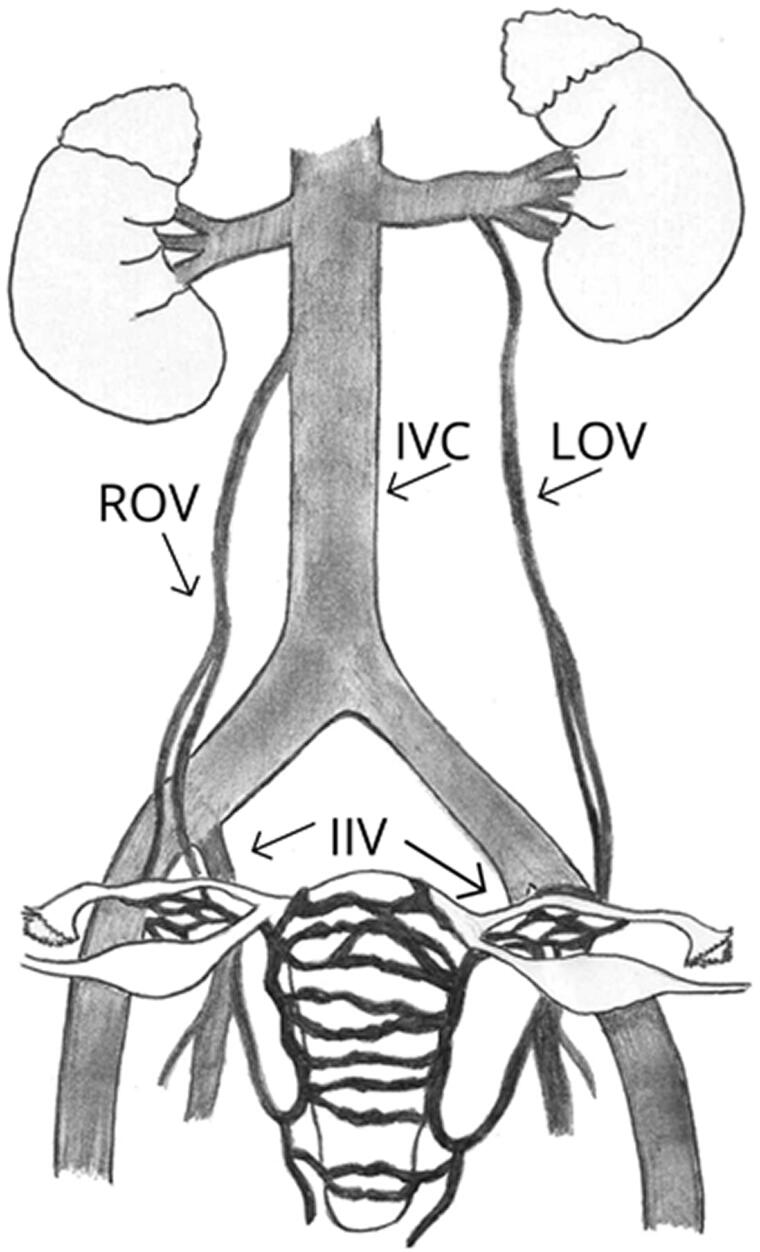
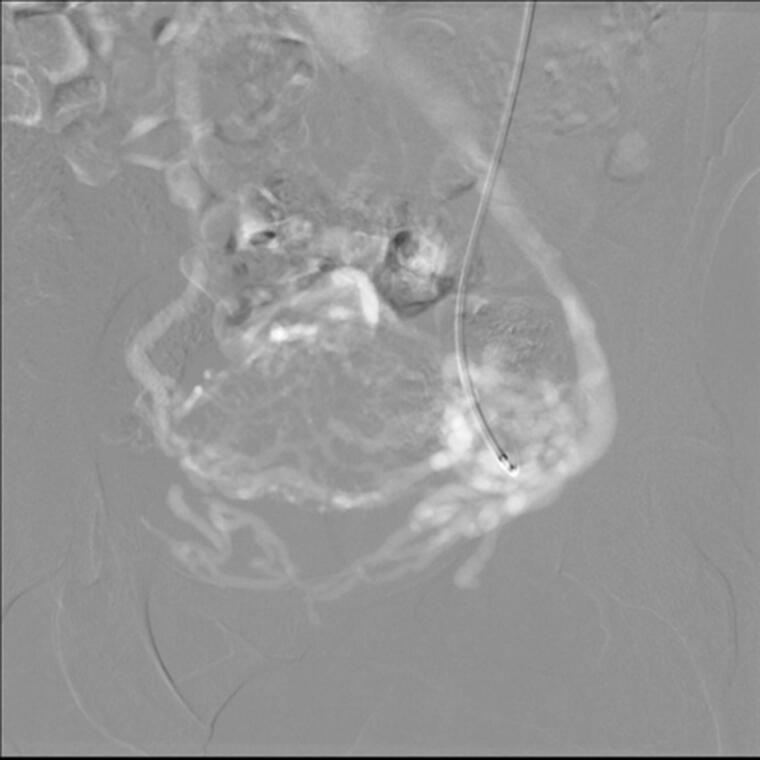
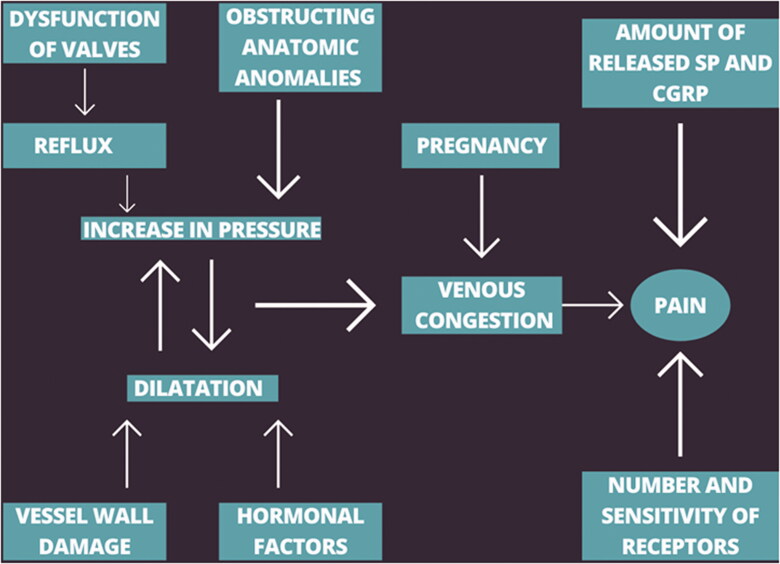
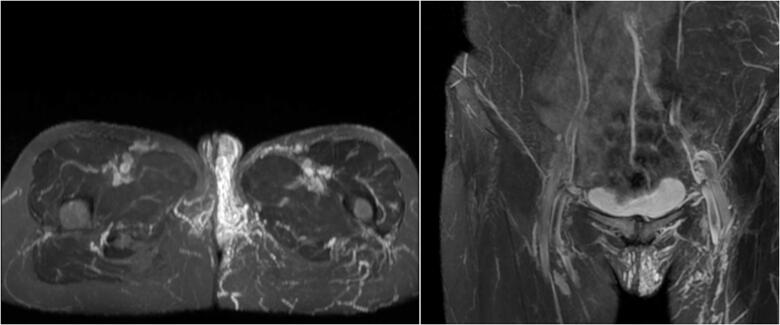
Pelvic venous disorders (PeVD) also known as Pelvic Congestion Syndrome (PCS) affect a great number of women worldwide and often remain undiagnosed. Gynecological symptoms caused by vascular background demand a holistic approach for appropriate diagnosis. This is a relevant cause of chronic pelvic pain and atypical varicose veins. The diagnosis is based on imaging studies and their correlation with clinical presentation. Although the aetiology of PCS still remains unclear, it may result from a combination of factors including genetic predisposition, anatomical abnormalities, hormonal factors, damage to the vein wall, valve dysfunction, reverse blood flow, hypertension and dilatation. The following paper describes an in-depth overview of anatomy, pathophysiology, symptoms, diagnosis and treatment of PCS. In recent years, minimally invasive interventions have become the method of first choice for the treatment of this condition. The efficacy of a percutaneous approach is high and it is rarely associated with serious complications.Key MessagesPelvic venous disorders demand a holistic approach for appropriate diagnosis.This article takes an in-depth look at existing therapies of Pelvic Congestion Syndrome and pathophysiology of this condition.Embolisation is an effective and safe treatment option.
盆腔静脉疾病(Pelvic Venous Disorders,简称 PeVD),又称盆腔淤血综合征(Pelvic Congestion Syndrome,简称 PCS),影响着全球大量女性,且常被漏诊。由血管背景引起的妇科症状需要整体治疗方法以做出正确诊断。这是慢性盆腔痛和非典型静脉曲张的一个重要原因。诊断基于影像学研究及其与临床表现的相关性。尽管 PCS 的病因仍不清楚,但它可能是多种因素的综合结果,包括遗传易感性、解剖异常、激素因素、静脉壁损伤、瓣膜功能障碍、逆流、高血压和扩张。本文深入探讨了 PCS 的解剖学、病理生理学、症状、诊断和治疗。近年来,微创介入已成为治疗该疾病的首选方法。经皮治疗的效果很高,且很少出现严重并发症。
关键信息
盆腔静脉疾病需要整体治疗方法以做出正确诊断。
本文深入探讨了盆腔淤血综合征的现有治疗方法和这种病症的病理生理学。
栓塞是一种有效且安全的治疗选择。