Evolvi Giulia
Erasmus University Rotterdam, Rotterdam, The Netherlands.
Z Relig Ges Polit. 2022;6(1):9-25. doi: 10.1007/s41682-021-00087-9. Epub 2021 Oct 19.
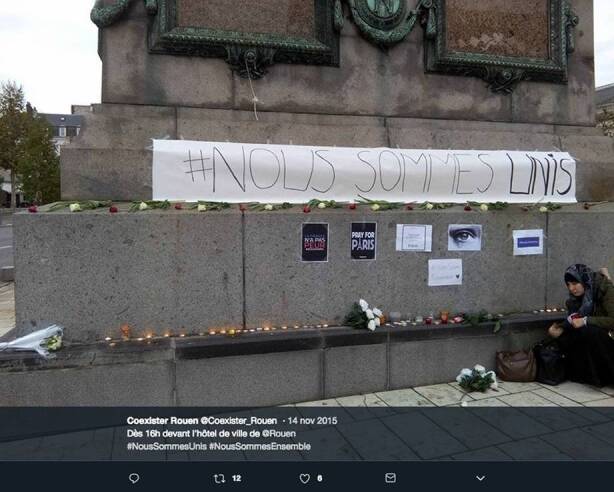
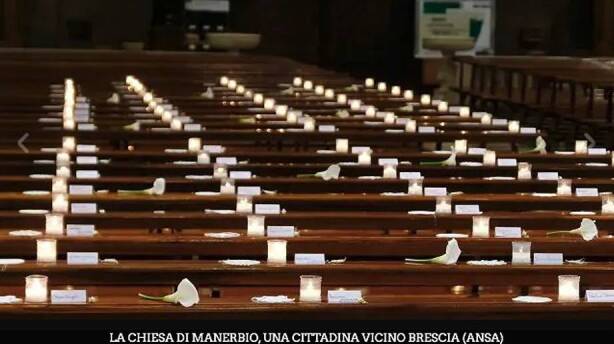
This article offers theoretical reflections on the study of religion and the Internet by critically discussing the notion of "digital religion" (Campbell 2012). In particular, it stresses the importance of integrating material and spatial approaches to the study of digital religion. In doing so, it proposes the theory of "hypermediated religious spaces" to describe processes of religious mediation between online and offline environments by taking into account materiality and space. The article discusses theoretical perspectives by means of case studies: first, the importance of materiality within Internet practices is illustrated through the example of Neo-Pagan online rituals; second, the notion of space, and "third space" in particular, in relation to Internet practices is analyzed through the case of the hashtag #Nous-Sommes-Unis, circulated by French Muslims; third, the theory of hypermediated spaces is exemplified by the analysis of a live-streamed mass in the Italian city of Manerbio during the Covid-19 lockdown. The article aims at kindling scholarly reflections on terminologies and theories for the global and interdisciplinary study of digital religion.
本文通过批判性地讨论“数字宗教”这一概念(坎贝尔,2012),对宗教与互联网的研究进行了理论反思。特别是,它强调了将物质和空间方法整合到数字宗教研究中的重要性。在此过程中,它提出了“超媒介化宗教空间”理论,通过考虑物质性和空间来描述在线和离线环境之间的宗教调解过程。本文通过案例研究来探讨理论观点:第一,通过新异教在线仪式的例子说明了物质性在互联网实践中的重要性;第二,通过法国穆斯林传播的#Nous-Sommes-Unis标签的案例,分析了与互联网实践相关的空间概念,特别是“第三空间”;第三,通过对新冠疫情封锁期间意大利马内尔比奥市一场弥撒的直播分析,例证了超媒介化空间理论。本文旨在激发关于数字宗教全球和跨学科研究的术语和理论的学术思考。