Lanzon Borja, Martin-Taboada Marina, Castro-Alves Victor, Vila-Bedmar Rocio, González de Pablos Ignacio, Duberg Daniel, Gomez Pilar, Rodriguez Elias, Orešič Matej, Hyötyläinen Tuulia, Morales Enrique, Ruperez Francisco J, Medina-Gomez Gema
LIPOBETA Group, Department Basic Sciences of Health, Faculty of Sciences of Health, Universidad Rey Juan Carlos, 28922 Alcorcón, Spain.
School of Science and Technology, Örebro University, 702 81 Örebro, Sweden.
Metabolites. 2021 Dec 3;11(12):836. doi: 10.3390/metabo11120836.
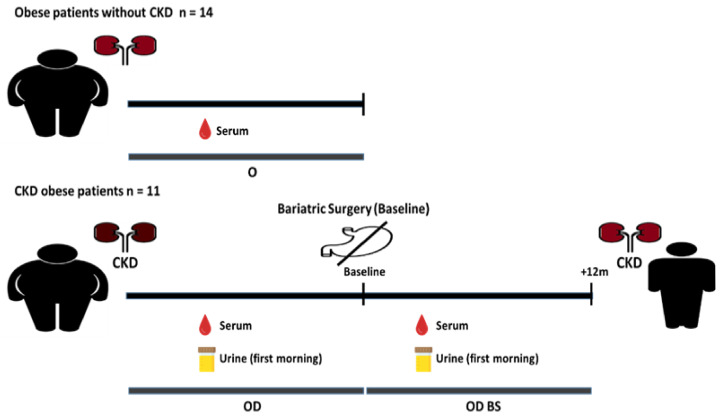
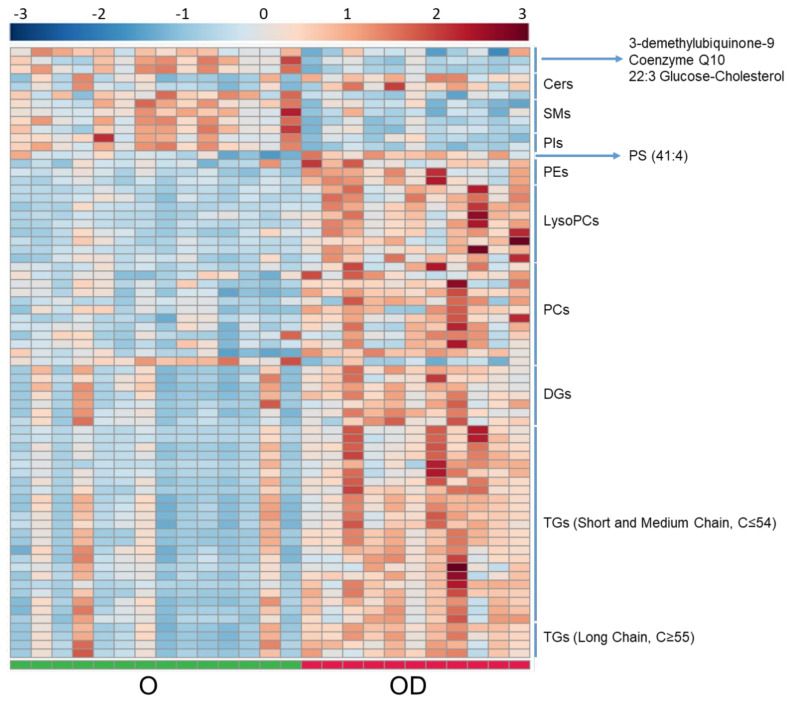
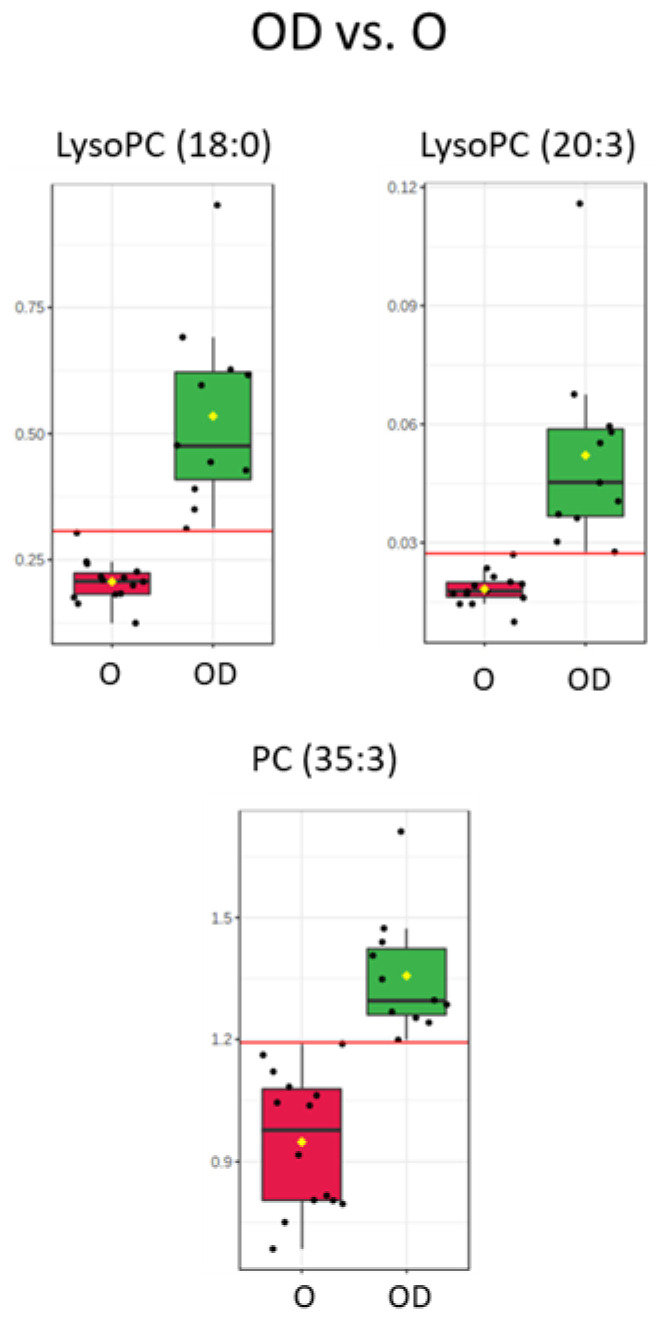
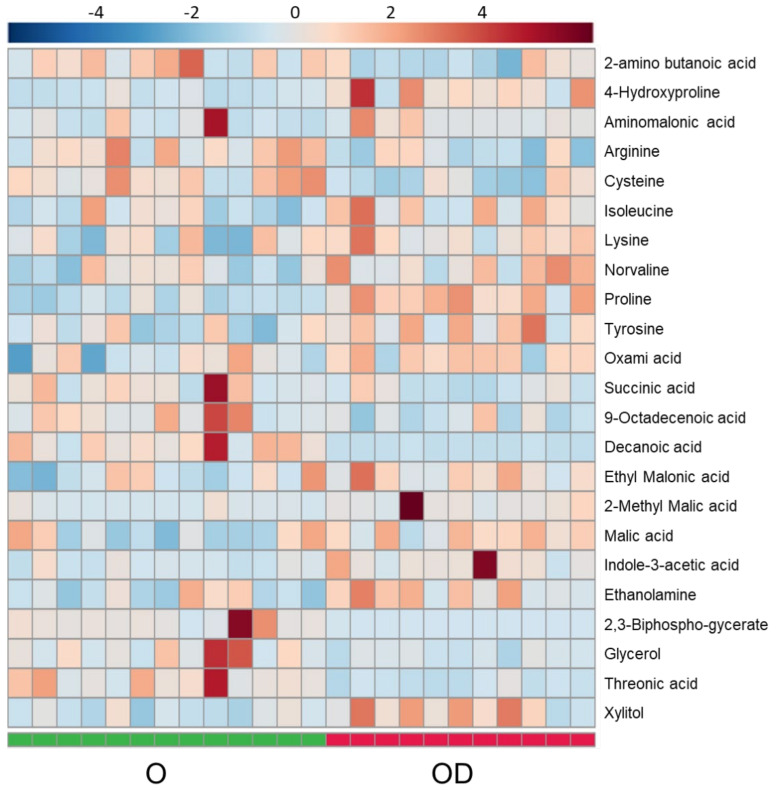
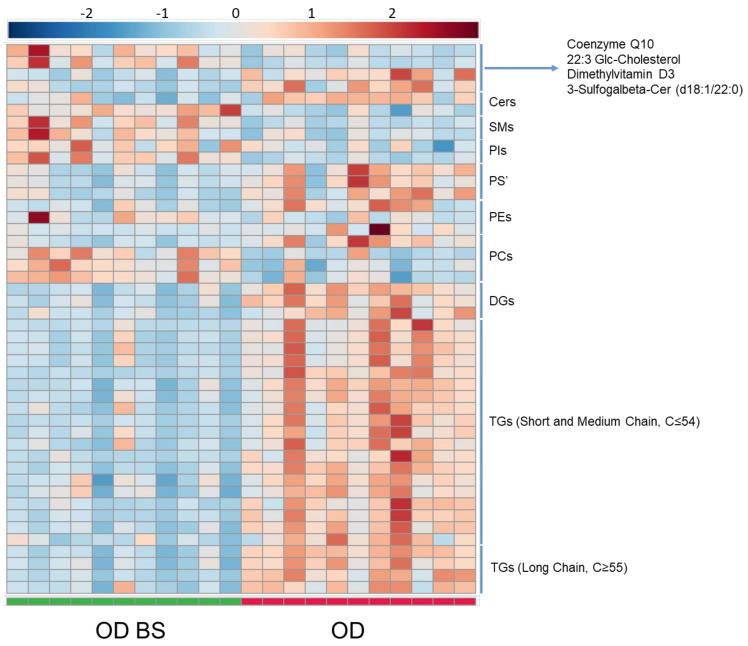
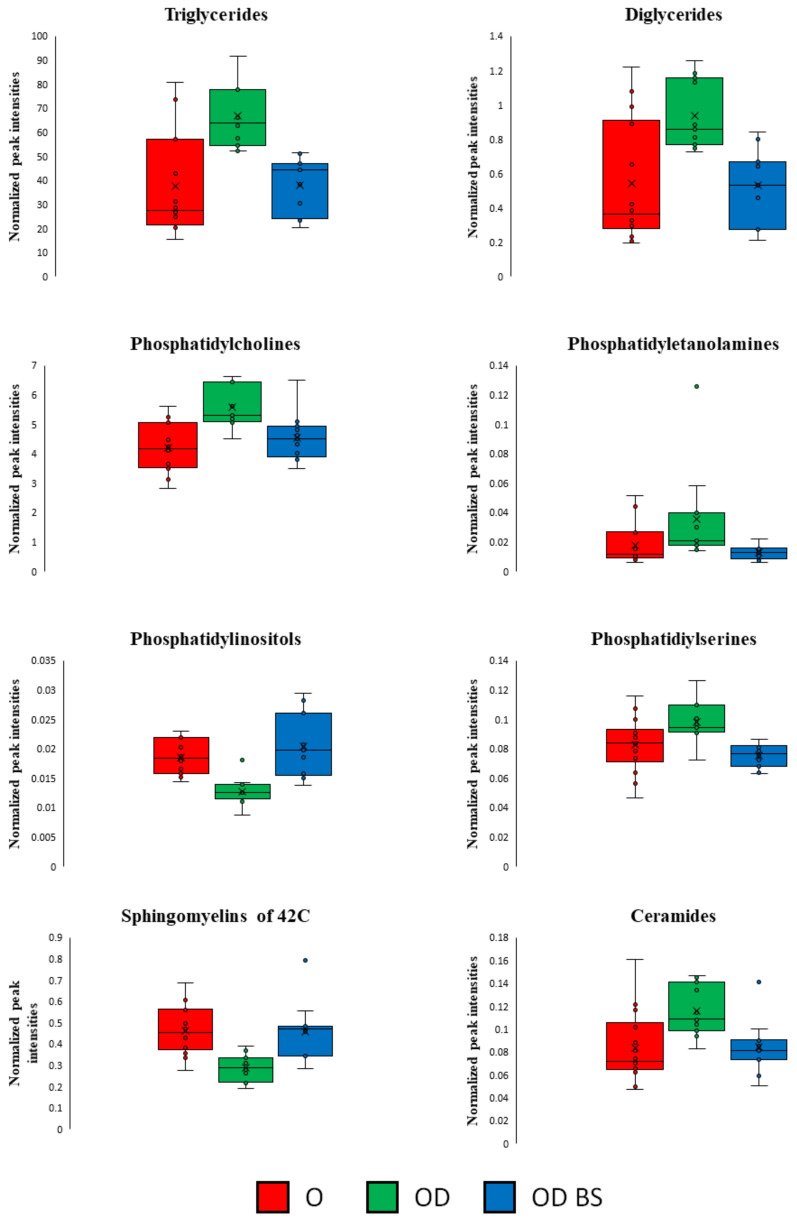
Severe obesity is a major risk for chronic kidney disease (CKD). Early detection and careful monitoring of renal function are critical for the prevention of CKD during obesity, since biopsies are not performed in patients with CKD and diagnosis is dependent on the assessment of clinical parameters. To explore whether distinct lipid and metabolic signatures in obesity may signify early stages of pathogenesis toward CKD, liquid chromatography-mass spectrometry (LC-MS) and gas chromatography-high resolution accurate mass-mass spectrometry (GC-HRAM-MS) analyses were performed in the serum and the urine of severely obese patients with and without CKD. Moreover, the impact of bariatric surgery (BS) in lipid and metabolic signature was also studied, through LC-MS and GC-HRAM-MS analyses in the serum and urine of patients with severe obesity and CKD before and after undergoing BS. Regarding patients with severe obesity and CKD compared to severely obese patients without CKD, serum lipidome analysis revealed significant differences in lipid signature. Furthermore, serum metabolomics profile revealed significant changes in specific amino acids, with isoleucine and tyrosine, increased in CKD patients compared with patients without CKD. LC-MS and GC-HRAM-MS analysis in serum of patients with severe obesity and CKD after BS showed downregulation of levels of triglycerides (TGs) and diglycerides (DGs) as well as a decrease in branched-chain amino acid (BCAA), lysine, threonine, proline, and serine. In addition, BS removed most of the correlations in CKD patients against biochemical parameters related to kidney dysfunction. Concerning urine analysis, hippuric acid, valine and glutamine were significantly decreased in urine from CKD patients after surgery. Interestingly, bariatric surgery did not restore all the lipid species, some of them decreased, hence drawing attention to them as potential targets for early diagnosis or therapeutic intervention. Results obtained in this study would justify the use of comprehensive mass spectrometry-based lipidomics to measure other lipids aside from conventional lipid profiles and to validate possible early markers of risk of CKD in patients with severe obesity.
重度肥胖是慢性肾脏病(CKD)的主要危险因素。由于CKD患者不进行活检且诊断依赖于临床参数评估,因此早期发现并仔细监测肾功能对于肥胖患者预防CKD至关重要。为了探究肥胖中不同的脂质和代谢特征是否可能预示着CKD发病的早期阶段,对患有和未患有CKD的重度肥胖患者的血清和尿液进行了液相色谱 - 质谱(LC - MS)和气相色谱 - 高分辨率精确质量 - 质谱(GC - HRAM - MS)分析。此外,还通过对重度肥胖且患有CKD的患者在接受减重手术(BS)前后的血清和尿液进行LC - MS和GC - HRAM - MS分析,研究了减重手术对脂质和代谢特征的影响。与未患有CKD的重度肥胖患者相比,患有重度肥胖和CKD的患者血清脂质组分析显示脂质特征存在显著差异。此外,血清代谢组学谱显示特定氨基酸有显著变化,与未患有CKD的患者相比,异亮氨酸和酪氨酸在CKD患者中增加。对重度肥胖且患有CKD的患者进行BS后的血清LC - MS和GC - HRAM - MS分析显示,甘油三酯(TGs)和甘油二酯(DGs)水平下调,以及支链氨基酸(BCAA)、赖氨酸、苏氨酸、脯氨酸和丝氨酸减少。此外,减重手术消除了CKD患者中与肾功能不全相关的生化参数的大多数相关性。关于尿液分析,手术后CKD患者尿液中的马尿酸、缬氨酸和谷氨酰胺显著降低。有趣的是,减重手术并未恢复所有脂质种类,其中一些脂质种类减少,因此将它们作为早期诊断或治疗干预的潜在靶点引起了关注。本研究获得的结果将证明使用基于质谱的综合脂质组学来测量除传统脂质谱之外的其他脂质,并验证重度肥胖患者中CKD风险的可能早期标志物的合理性。