Gassenmaier Sebastian, Küstner Thomas, Nickel Dominik, Herrmann Judith, Hoffmann Rüdiger, Almansour Haidara, Afat Saif, Nikolaou Konstantin, Othman Ahmed E
Department of Diagnostic and Interventional Radiology, Eberhard-Karls-University Tuebingen, 72076 Tuebingen, Germany.
Department of Diagnostic and Interventional Radiology, Medical Image and Data Analysis (MIDAS.lab), Eberhard-Karls-University Tuebingen, 72076 Tuebingen, Germany.
Diagnostics (Basel). 2021 Nov 24;11(12):2181. doi: 10.3390/diagnostics11122181.
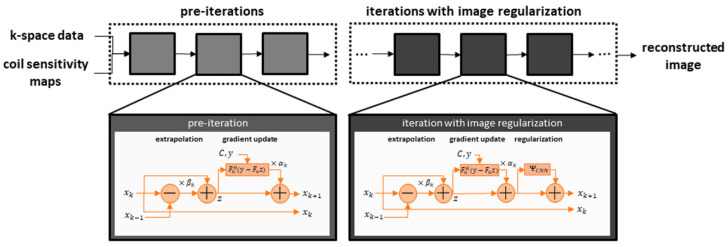
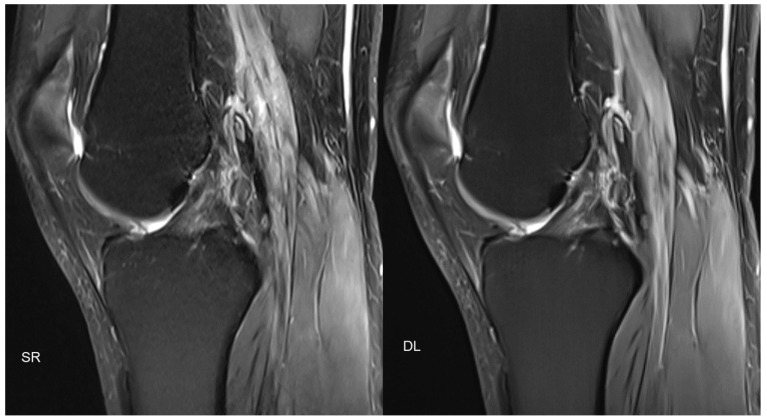
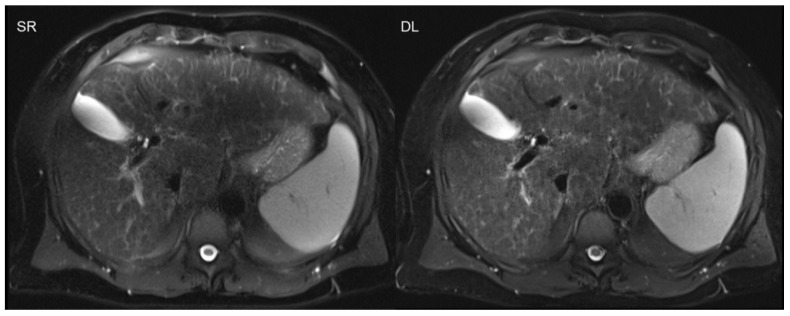
Deep learning technologies and applications demonstrate one of the most important upcoming developments in radiology. The impact and influence of these technologies on image acquisition and reporting might change daily clinical practice. The aim of this review was to present current deep learning technologies, with a focus on magnetic resonance image reconstruction. The first part of this manuscript concentrates on the basic technical principles that are necessary for deep learning image reconstruction. The second part highlights the translation of these techniques into clinical practice. The third part outlines the different aspects of image reconstruction techniques, and presents a review of the current literature regarding image reconstruction and image post-processing in MRI. The promising results of the most recent studies indicate that deep learning will be a major player in radiology in the upcoming years. Apart from decision and diagnosis support, the major advantages of deep learning magnetic resonance imaging reconstruction techniques are related to acquisition time reduction and the improvement of image quality. The implementation of these techniques may be the solution for the alleviation of limited scanner availability via workflow acceleration. It can be assumed that this disruptive technology will change daily routines and workflows permanently.
深度学习技术及应用展现了放射学领域即将到来的最重要进展之一。这些技术对图像采集和报告的影响可能会改变日常临床实践。本综述的目的是介绍当前的深度学习技术,重点是磁共振图像重建。本文的第一部分专注于深度学习图像重建所需的基本技术原理。第二部分强调了这些技术在临床实践中的转化。第三部分概述了图像重建技术的不同方面,并对当前有关磁共振成像中图像重建和图像后处理的文献进行了综述。最新研究的喜人结果表明,深度学习在未来几年将成为放射学领域的主要力量。除了决策和诊断支持外,深度学习磁共振成像重建技术的主要优势与减少采集时间和提高图像质量有关。这些技术的实施可能是通过加速工作流程来缓解扫描仪可用性有限问题的解决方案。可以设想,这项颠覆性技术将永久性地改变日常工作和工作流程。