Thandorn Tophan, Tsakiropoulos Panos
Department of Materials Science and Engineering, School of Science, Mae Fah Luang University, Chiang Rai 57100, Thailand.
Department of Materials Science and Engineering, Sir Robert Hadfield Building, The University of Sheffield, Sheffield S1 3JD, UK.
Materials (Basel). 2021 Dec 10;14(24):7615. doi: 10.3390/ma14247615.
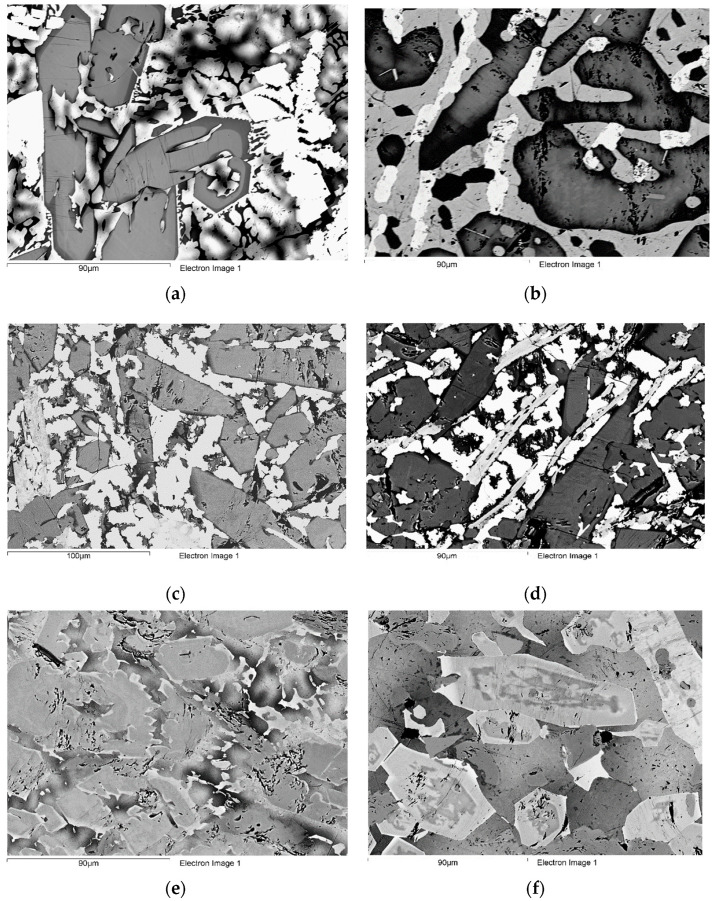
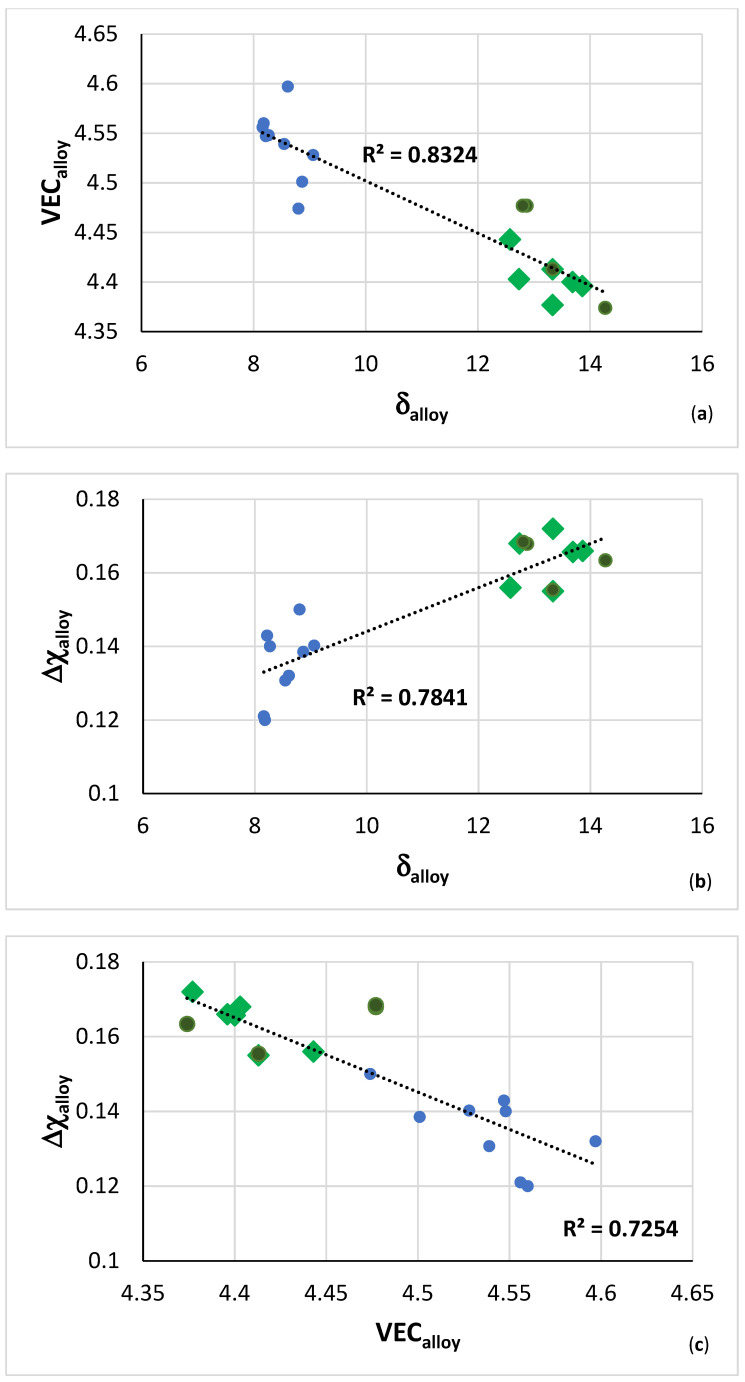
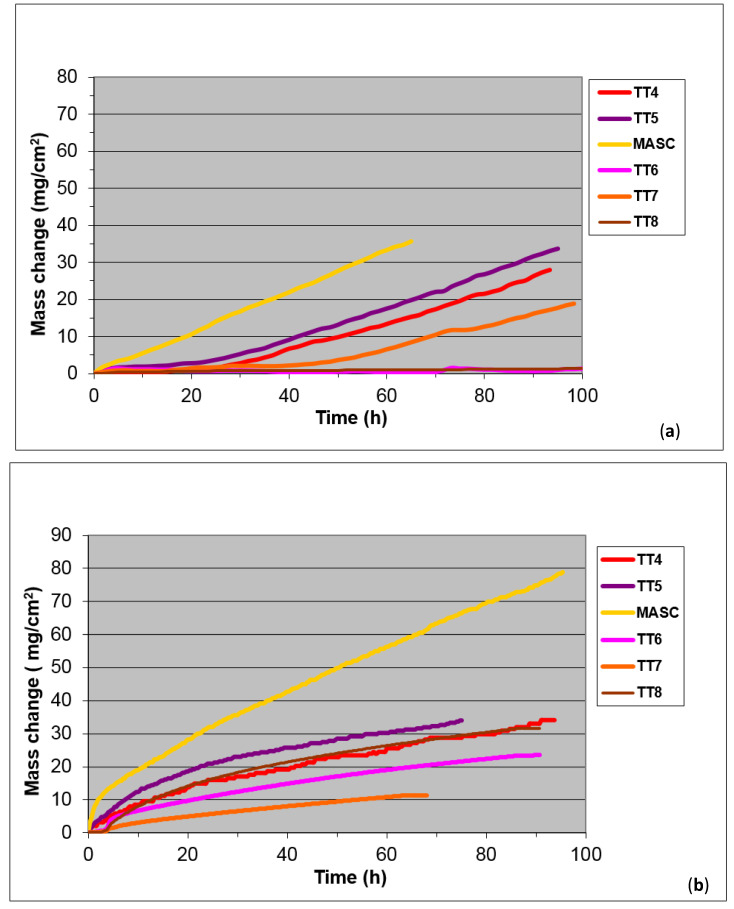
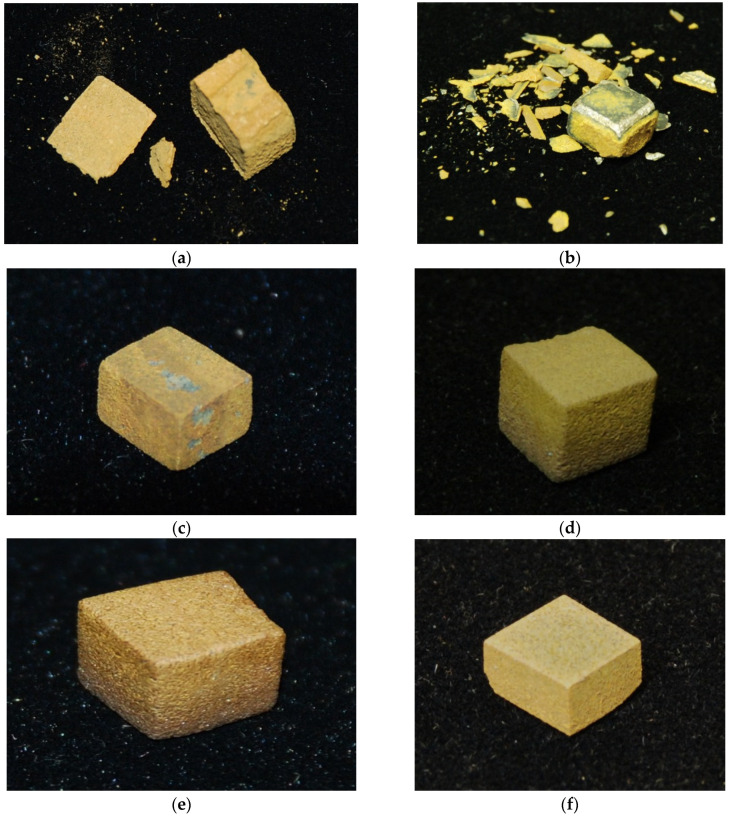
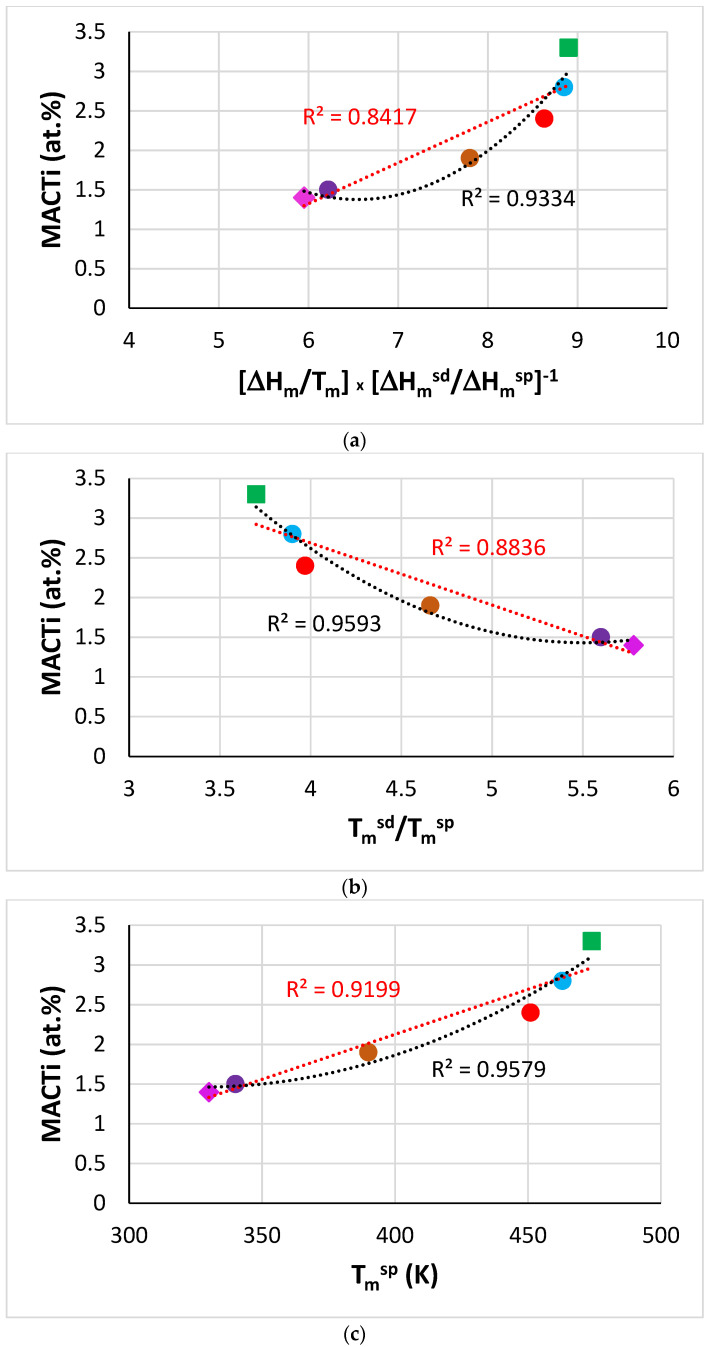
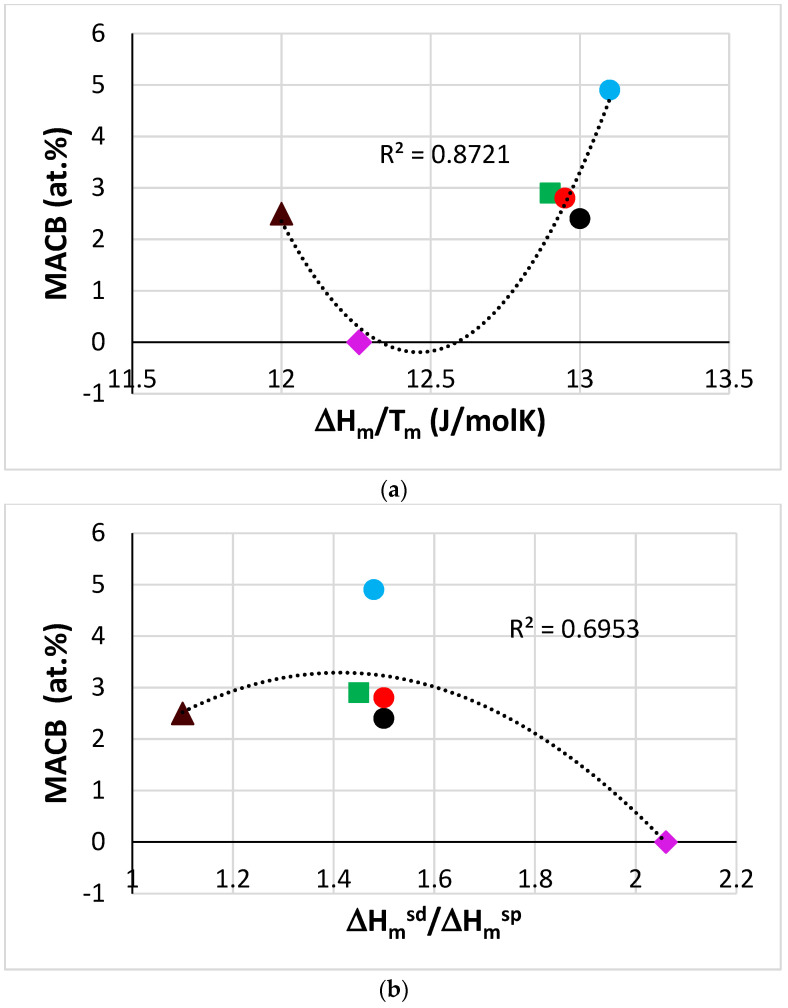
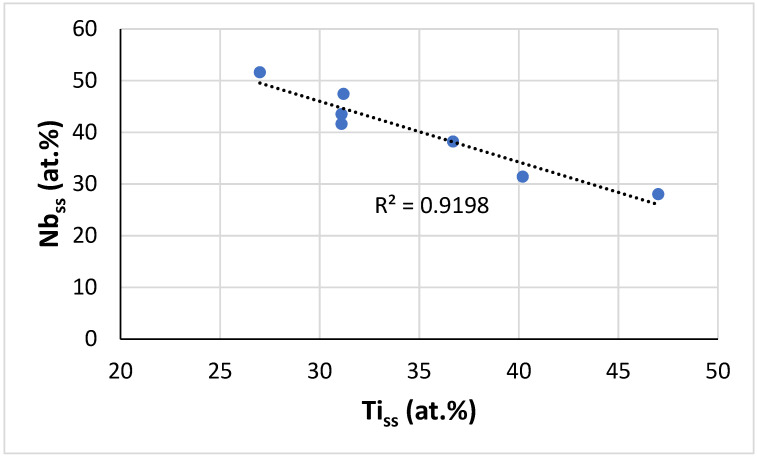
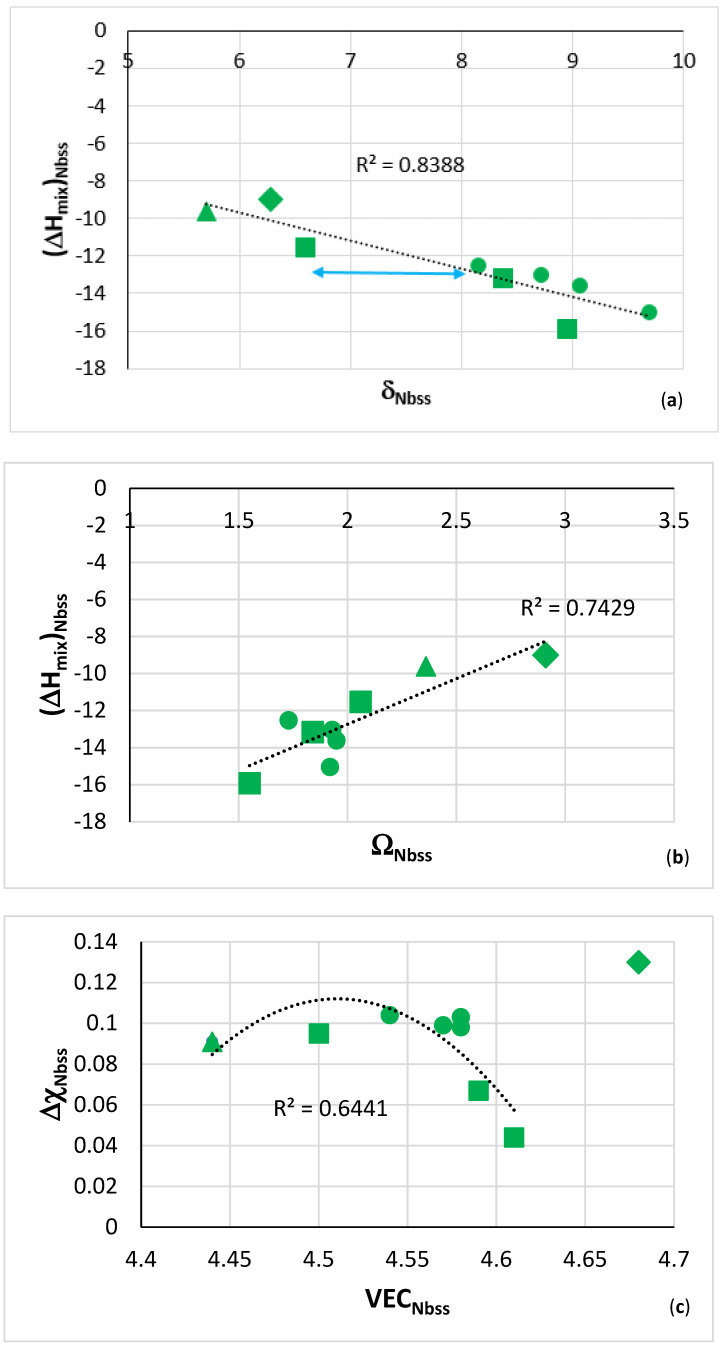
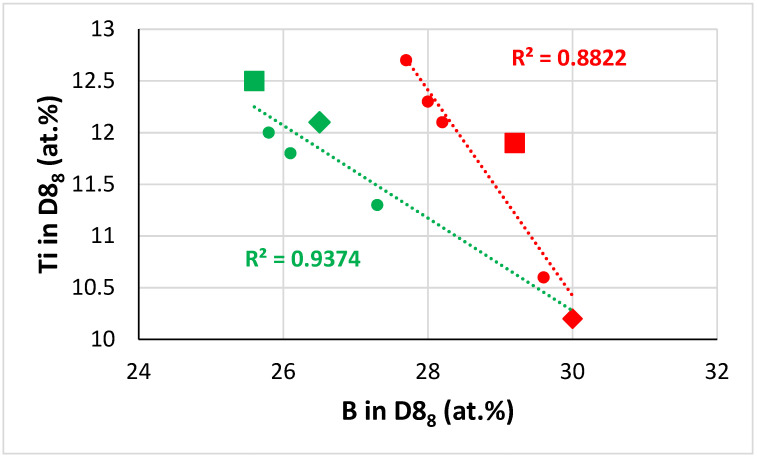
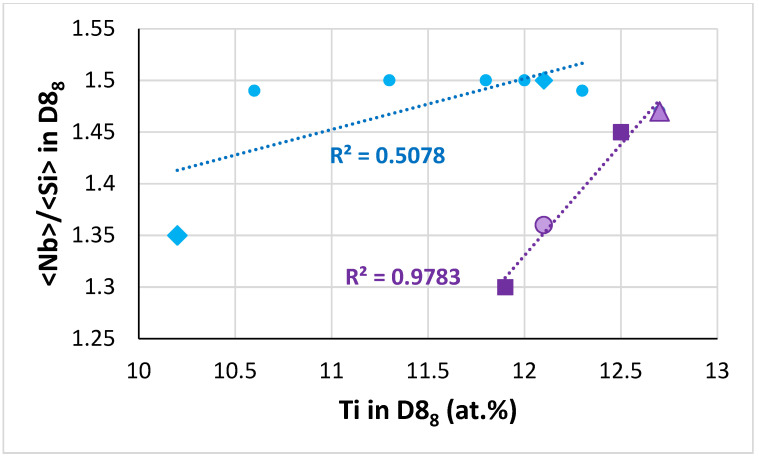
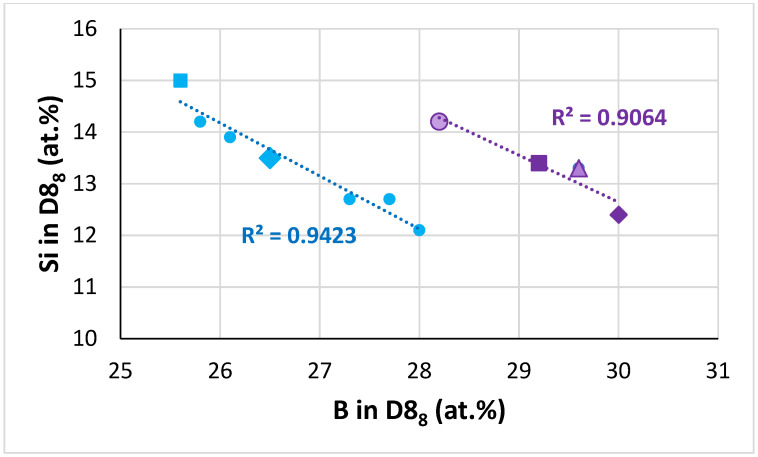
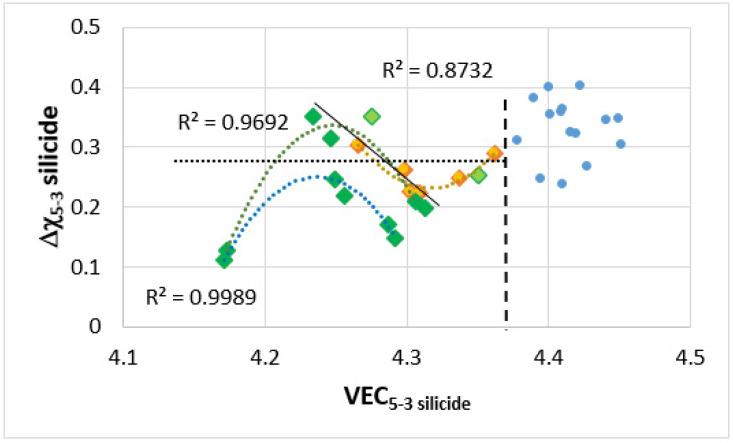
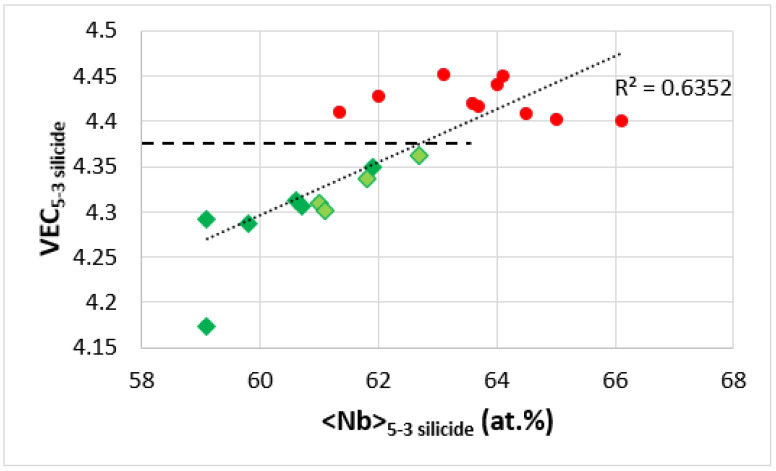
We studied the effect of the addition of Hf, Sn, or Ta on the density, macrosegregation, microstructure, hardness and oxidation of three refractory metal intermetallic composites based on Nb (RM(Nb)ICs) that were also complex concentrated alloys (i.e., RM(Nb)ICs/RCCAs), namely, the alloys TT5, TT6, and TT7, which had the nominal compositions (at.%) Nb-24Ti-18Si-5Al-5B-5Cr-6Ta, Nb-24Ti-18Si-4Al-6B-5Cr-4Sn and Nb-24Ti-17Si-5Al-6B-5Cr-5Hf, respectively. The alloys were compared with B containing and B free RM(Nb)ICs. The macrosegregation of B, Ti, and Si was reduced with the addition, respectively of Hf, Sn or Ta, Sn or Ta, and Hf or Sn. All three alloys had densities less than 7 g/cm. The alloy TT6 had the highest specific strength in the as cast and heat-treated conditions, which was also higher than that of RCCAs and refractory metal high entropy alloys (RHEAs). The bcc solid solution Nb and the tetragonal T2 and hexagonal D8 silicides were stable in the alloys TT5 and TT7, whereas in TT6 the stable phases were the A15-NbSn and the T2 and D8 silicides. All three alloys did not pest at 800 °C, where only the scale that was formed on TT5 spalled off. At 1200 °C, the scale of TT5 spalled off, but not the scales of TT6 and TT7. Compared with the B free alloys, the synergy of B with Ta was the least effective regarding oxidation at 800 and 1200 °C. Macrosegregation of solutes, the chemical composition of phases, the hardness of the Nb and the alloys, and the oxidation of the alloys at 800 and 1200 °C were considered from the perspective of the Niobium Intermetallic Composite Elaboration (NICE) alloy design methodology. Relationships between properties and the parameters VEC, δ, and Δχ of alloy or phase and between parameters were discussed. The trends of parameters and the location of alloys and phases in parameter maps were in agreement with NICE.
我们研究了添加铪(Hf)、锡(Sn)或钽(Ta)对三种基于铌的难熔金属金属间化合物复合材料(RM(Nb)ICs)的密度、宏观偏析、微观结构、硬度和氧化性能的影响,这些复合材料同时也是复杂浓缩合金(即RM(Nb)ICs/RCCAs),分别为TT5、TT6和TT7合金,其名义成分(原子百分比)分别为Nb-24Ti-18Si-5Al-5B-5Cr-6Ta、Nb-24Ti-18Si-4Al-6B-5Cr-4Sn和Nb-24Ti-17Si-5Al-6B-5Cr-5Hf。将这些合金与含硼和不含硼的RM(Nb)ICs进行了比较。分别添加Hf、Sn或Ta、Sn或Ta以及Hf或Sn后,硼(B)、钛(Ti)和硅(Si)的宏观偏析得到了降低。所有三种合金的密度均小于7 g/cm³。合金TT6在铸态和热处理条件下具有最高的比强度,其比强度也高于RCCAs和难熔金属高熵合金(RHEAs)。体心立方(bcc)固溶体Nb以及四方T2和六方D8硅化物在合金TT5和TT7中是稳定的,而在TT6中稳定相为A15-NbSn以及T2和D8硅化物。所有三种合金在800℃时均未发生粉化现象,只有TT5表面形成的氧化皮剥落。在1200℃时,TT5的氧化皮剥落,但TT6和TT7的氧化皮未剥落。与不含硼的合金相比,在800℃和1200℃下,硼与钽的协同作用对氧化的影响最小。从铌基金属间化合物制备(NICE)合金设计方法的角度考虑了溶质的宏观偏析、相的化学成分、Nb和合金的硬度以及合金在800℃和1200℃下的氧化情况。讨论了性能与合金或相的VEC、δ和Δχ参数之间以及参数之间的关系。参数的趋势以及合金和相在参数图中的位置与NICE方法一致。