Zhang Shuai, Han Bing, Xie Huibing, An Mingzhe, Lyu Shengxu
School of Civil Engineering, Beijing Jiaotong University, Beijing 100044, China.
Key Laboratory of Safety and Risk Management on Transport Infrastructures of Ministry of Transport, Beijing 100044, China.
Materials (Basel). 2021 Dec 19;14(24):7865. doi: 10.3390/ma14247865.
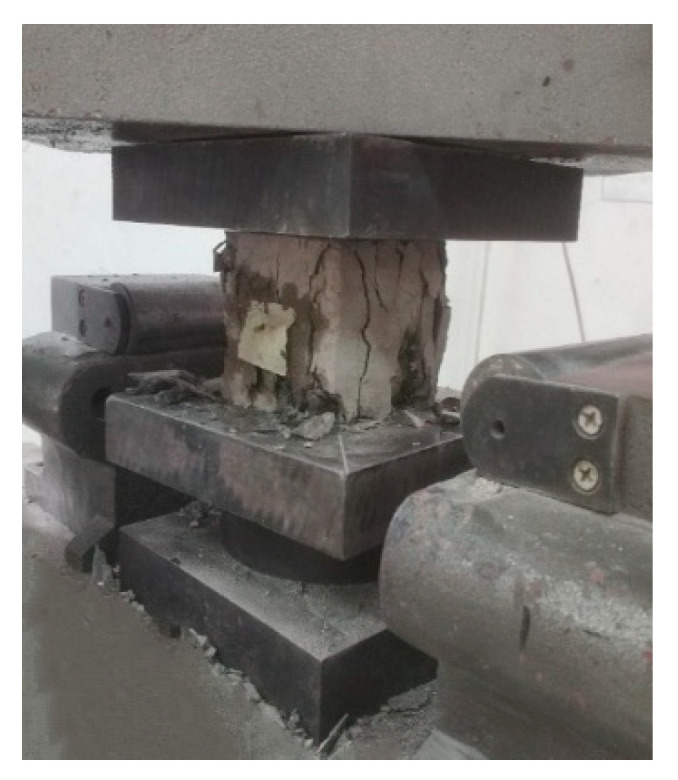
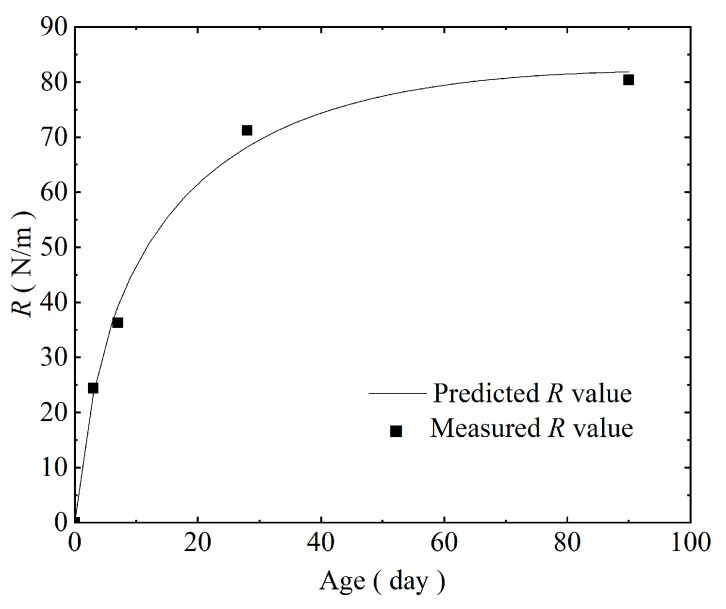
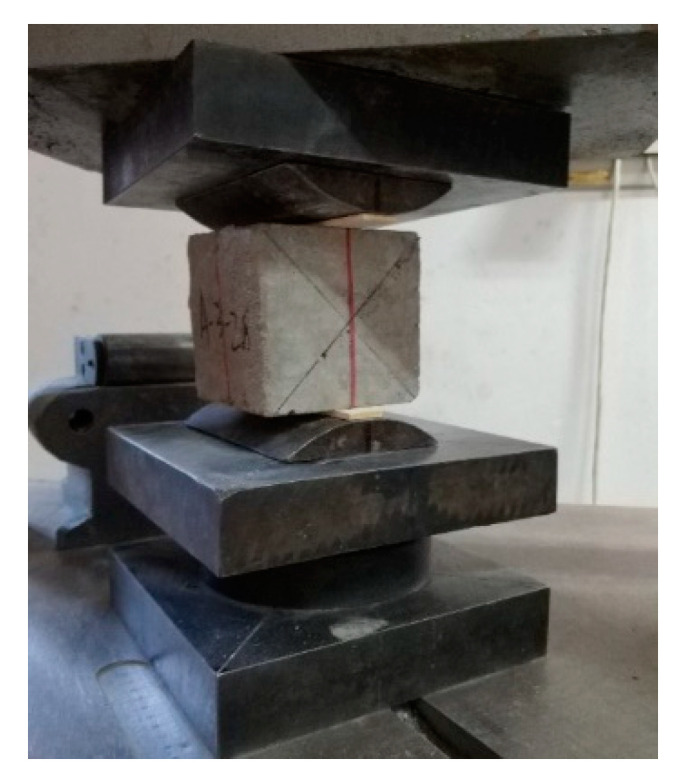
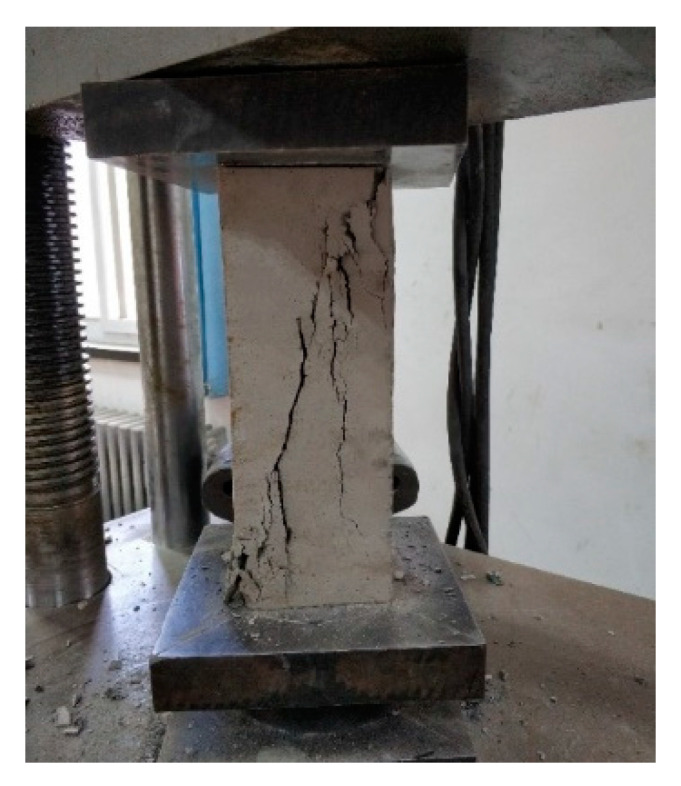
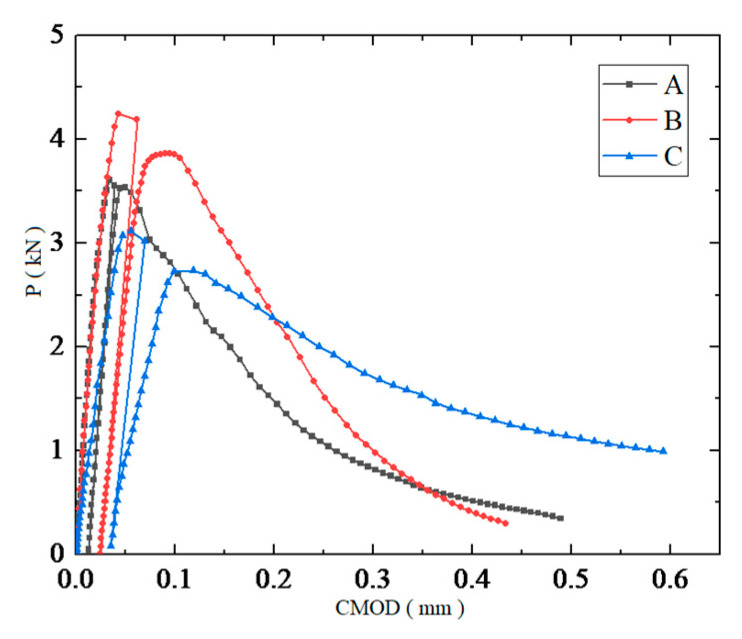
In order to shorten construction periods, concrete is often cured using steam and is loaded at an early age. This changes the performance and even the durability of the concrete compared to concrete that has been cured under normal conditions. Thus, the pattern and the mechanism of concrete performance change under different curing conditions, and loading ages are of great significance. The development of brittleness under different curing conditions and loading ages was studied. The evaluation methods that were used to determine concrete brittleness were expounded. Steam, standard, and natural curing conditions were carried out on single-side notched concrete beams as well as on a concrete prism and cubic blocks. The compressive strength and splitting tensile strength of the concrete blocks along with the fracture performance of the concrete beams were tested after 3, 7, 28, and 90 days. The steam curing condition significantly improved the strength of concrete before 28 days had passed, and the standard curing condition improved the strength of concrete after 28 days. Based on the experimental fracture parameters, a two-parameter fracture model was applied to study the development of fracture toughness KICS, critical crack tip opening displacement CTODc, and critical strain energy release rate GICS with hydration age under different curing conditions. With respect to long-term performance, the standard curing condition was better at resisting concrete crack propagations than the steam curing condition was. The characteristic length lch and the material length Q under the three curing conditions and the long-term development of brittleness in the concrete indicated that steam curing increased the concrete brittleness. Considering the effects of the curing condition and the loading age, a time-dependent concrete fracture toughness model was established, and the predicted value of the model was verified against the measured value. The results indicated that the model was able to accurately predict the fracture toughness with an error rate of less than 16%.
为了缩短施工周期,混凝土常采用蒸汽养护并在早期龄期进行加载。与在正常条件下养护的混凝土相比,这改变了混凝土的性能甚至耐久性。因此,研究不同养护条件和加载龄期下混凝土性能变化的规律和机理具有重要意义。研究了不同养护条件和加载龄期下混凝土脆性的发展情况。阐述了用于确定混凝土脆性的评价方法。对单侧有缺口的混凝土梁以及混凝土棱柱体和立方体试块分别进行蒸汽养护、标准养护和自然养护。在3天、7天、28天和90天后测试混凝土试块的抗压强度和劈裂抗拉强度以及混凝土梁的断裂性能。蒸汽养护条件显著提高了28天前混凝土的强度,标准养护条件提高了28天后混凝土的强度。基于试验断裂参数,应用双参数断裂模型研究了不同养护条件下断裂韧性KICS、临界裂纹尖端张开位移CTODc和临界应变能释放率GICS随水化龄期的发展情况。就长期性能而言,标准养护条件在抵抗混凝土裂缝扩展方面比蒸汽养护条件更好。三种养护条件下的特征长度lch和材料长度Q以及混凝土脆性的长期发展表明,蒸汽养护增加了混凝土的脆性。考虑养护条件和加载龄期的影响,建立了时变混凝土断裂韧性模型,并将模型预测值与实测值进行了验证。结果表明,该模型能够准确预测断裂韧性,误差率小于16%。