Plant Physiology and Biochemistry Division, Department of Botany, University of Calicut, Calicut University P.O., Malappuram 673635, Kerala, India.
Department of Plant Physiology, Institute of Biology, Warsaw University of Life Sciences SGGW, 02-776 Warsaw, Poland.
Int J Mol Sci. 2021 Dec 12;22(24):13349. doi: 10.3390/ijms222413349.
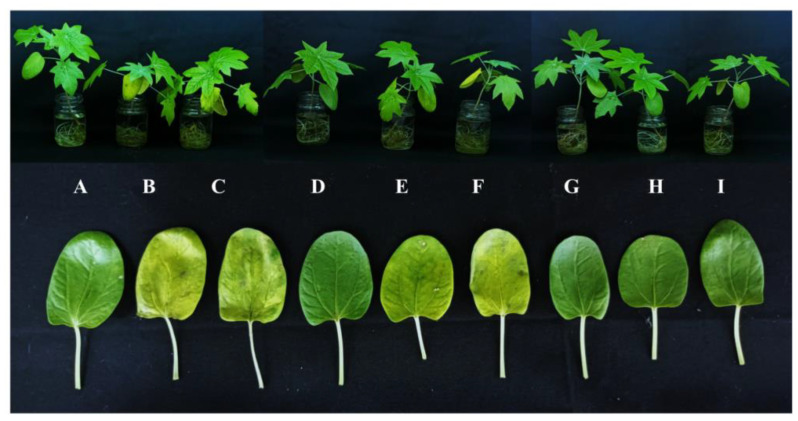
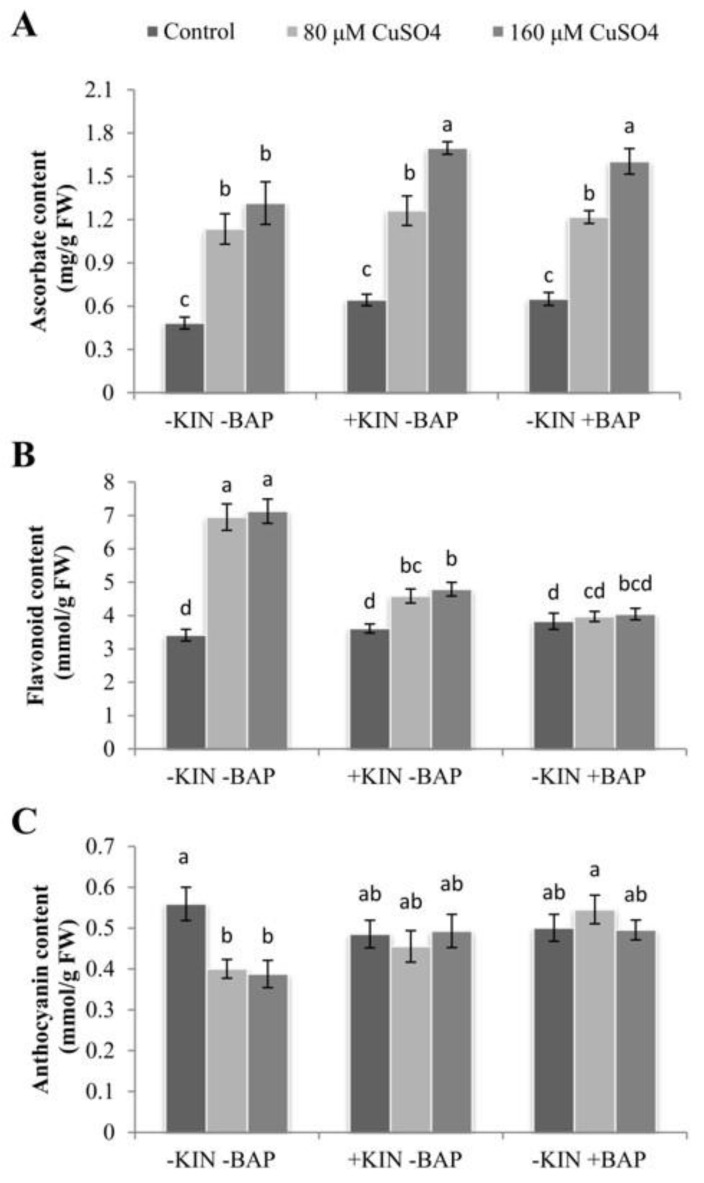
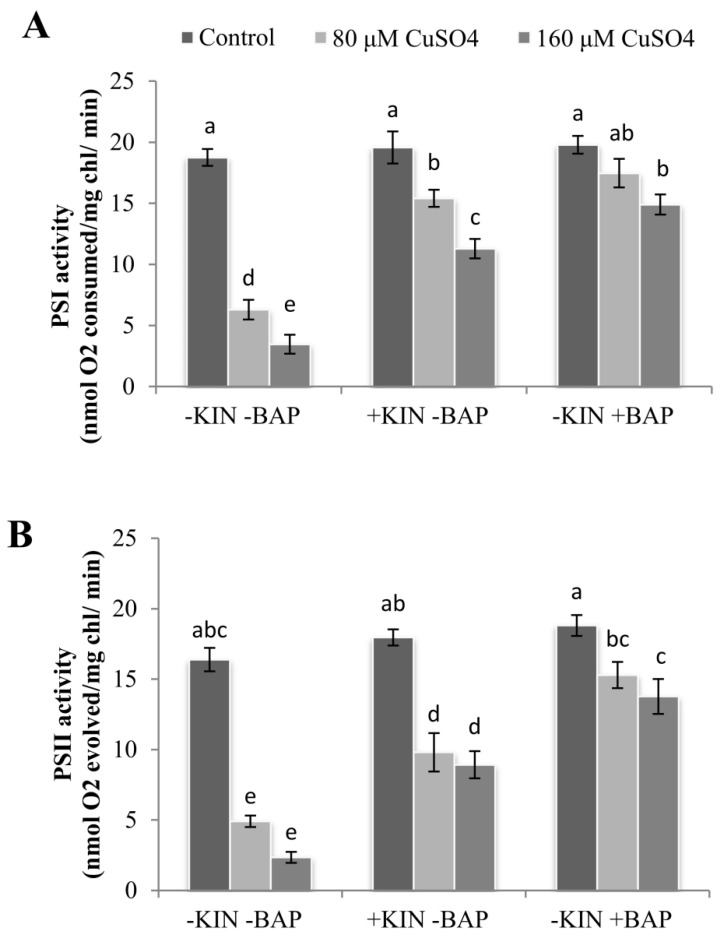
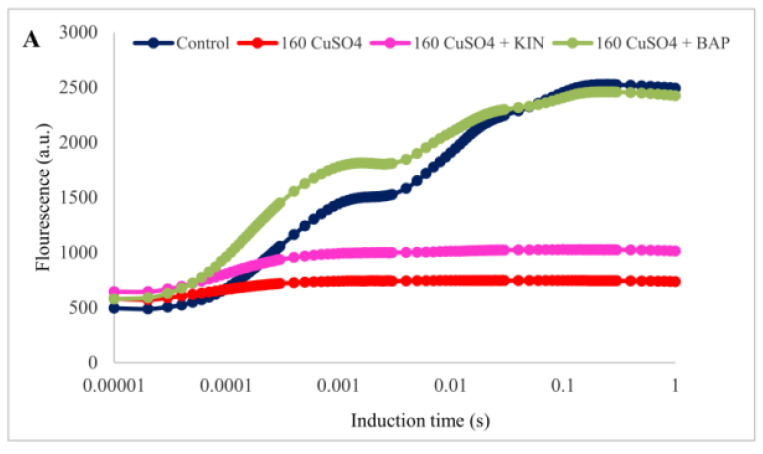
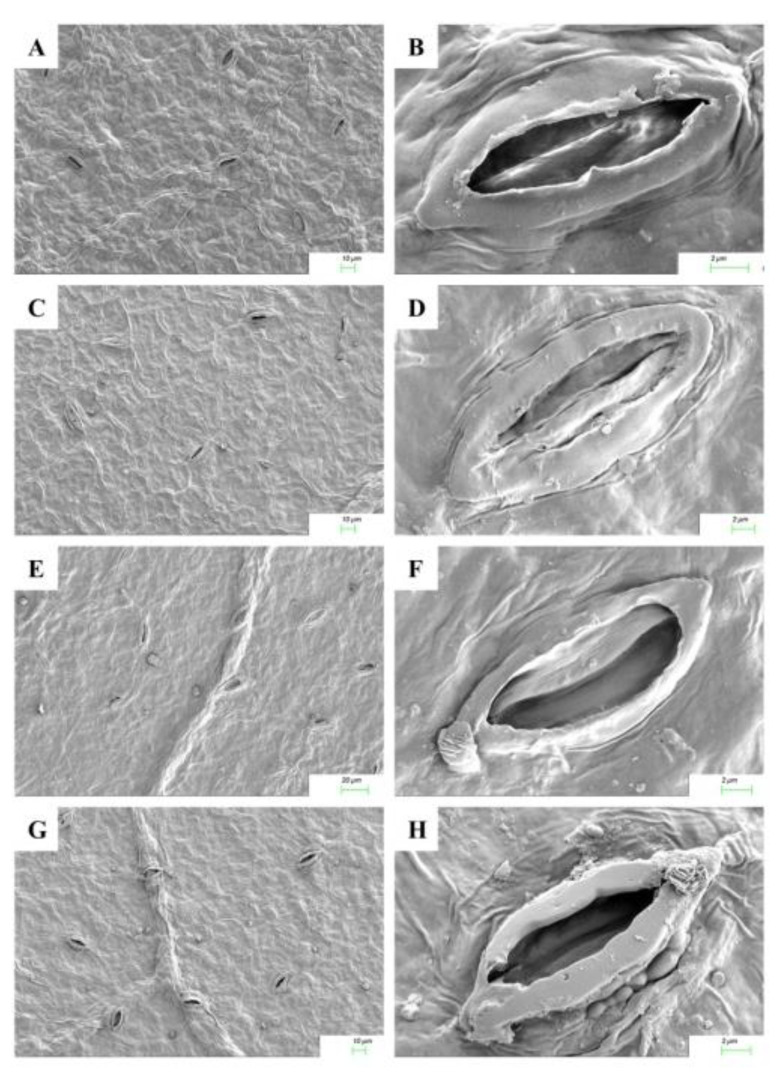
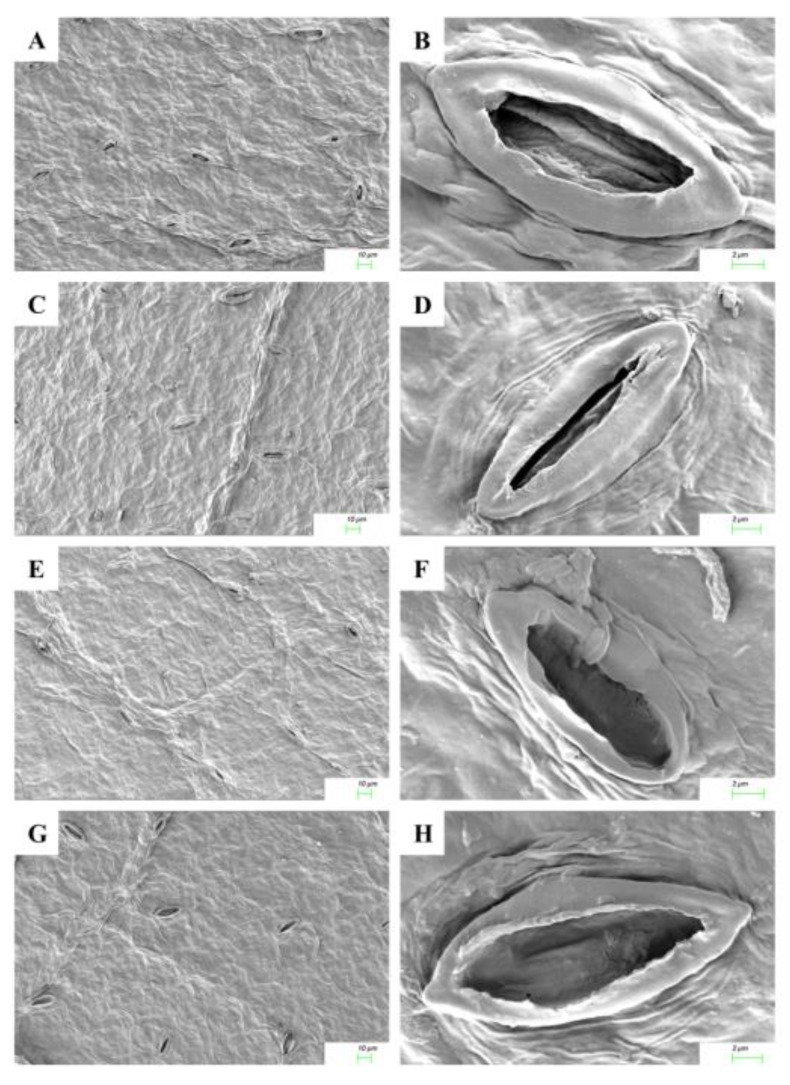
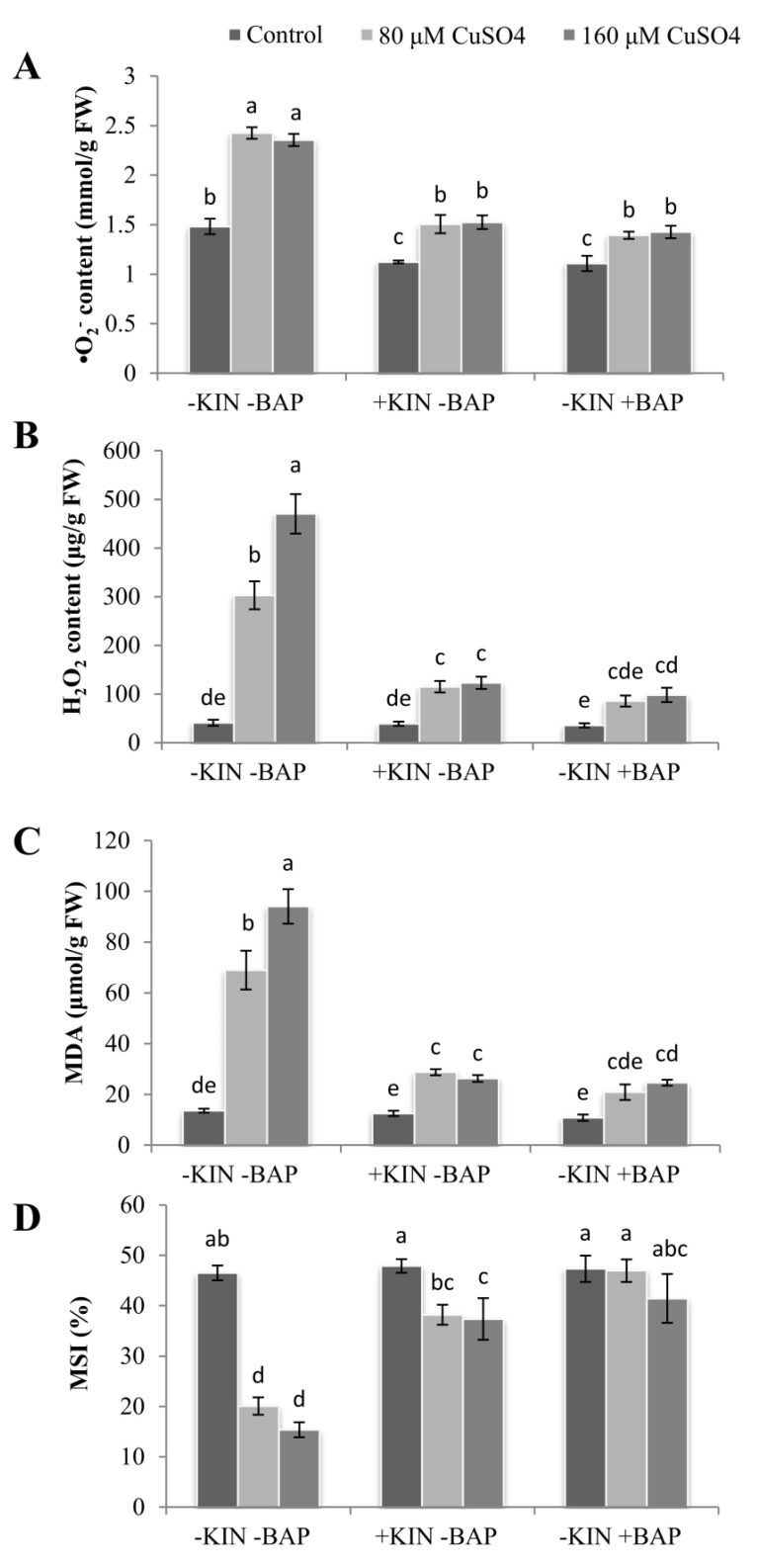
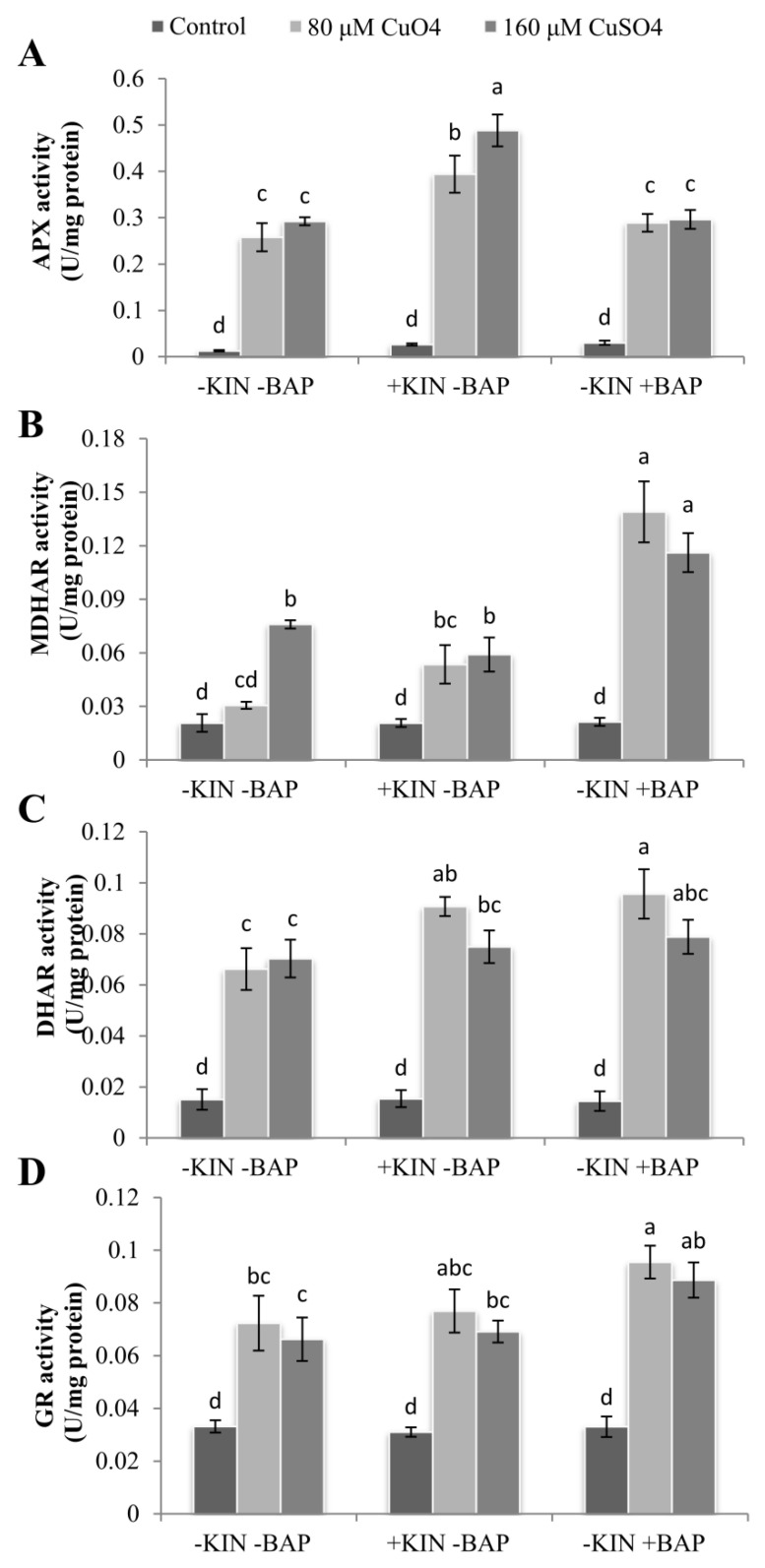
Copper (Cu) is an essential element involved in various metabolic processes in plants, but at concentrations above the threshold level, it becomes a potential stress factor. The effects of two different cytokinins, kinetin (KIN) and 6-benzylaminopurine (BAP), on chlorophyll fluorescence parameters, stomatal responses and antioxidation mechanisms in castor ( L.) under Cu toxicity was investigated. plants were exposed to 80 and 160 μM CuSO added to the growth medium. Foliar spraying of 15 μM KIN and BAP was carried out on these seedlings. The application of these cytokinins enhanced the tissue water status, chlorophyll contents, stomatal opening and photosynthetic efficiency in the castor plants subjected to Cu stress. The fluorescence parameters, such as Fm, Fv/Fo, Sm, photochemical and non-photochemical quantum yields, energy absorbed, energy trapped and electron transport per cross-sections, were more efficiently modulated by BAP application than KIN under Cu toxicity. There was also effective alleviation of reactive oxygen species by enzymatic and non-enzymatic antioxidation systems, reducing the membrane lipid peroxidation, which brought about a relative enhancement in the membrane stability index. Of the various treatments, 80 µM CuSO + BAP recorded the highest increase in photosynthetic efficiency compared to other cytokinin treatments. Therefore, it can be concluded that BAP could effectively alleviate the detrimental effects of Cutoxicity in cotyledonary leaves of by effectively modulating stomatal responses and antioxidation mechanisms, thereby enhancing the photosynthetic apparatus' functioning.
铜(Cu)是植物各种代谢过程中必需的元素,但在浓度超过阈值水平时,它会成为潜在的胁迫因素。本研究探讨了两种不同细胞分裂素,激动素(KIN)和 6-苄基氨基嘌呤(BAP)对铜毒害下蓖麻(Ricinus communis L.)叶绿素荧光参数、气孔响应和抗氧化机制的影响。将植物暴露于添加到生长介质中的 80 和 160 μM CuSO4 中。对这些幼苗进行了 15 μM KIN 和 BAP 的叶面喷施。在铜胁迫下,这些细胞分裂素的应用增强了组织水分状况、叶绿素含量、气孔开度和光合作用效率。与 KIN 相比,BAP 更有效地调节了荧光参数,如 Fm、Fv/Fo、Sm、光化学和非光化学量子产率、吸收能量、被捕获的能量和每横截面的电子传递,在铜毒性下。通过酶和非酶抗氧化系统有效缓解活性氧,减少膜脂过氧化,从而相对提高膜稳定性指数。在各种处理中,80 µM CuSO4 + BAP 与其他细胞分裂素处理相比,记录到光合作用效率的最高增加。因此,可以得出结论,BAP 通过有效调节气孔响应和抗氧化机制,有效地减轻铜毒害对子叶的有害影响,从而增强光合作用装置的功能。