Comparative Oncology Program, Center for Cancer Research, National Cancer Institute, National Institutes of Health, 37 Convent Drive, Room 2144, Bethesda, MD, 20892, USA.
Sci Rep. 2021 Dec 24;11(1):24435. doi: 10.1038/s41598-021-04018-9.
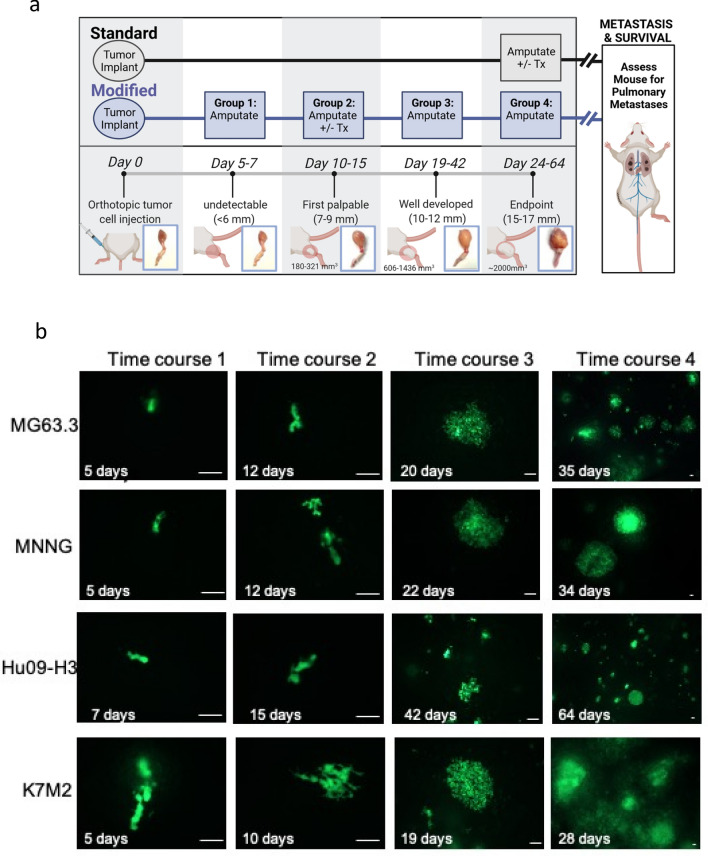
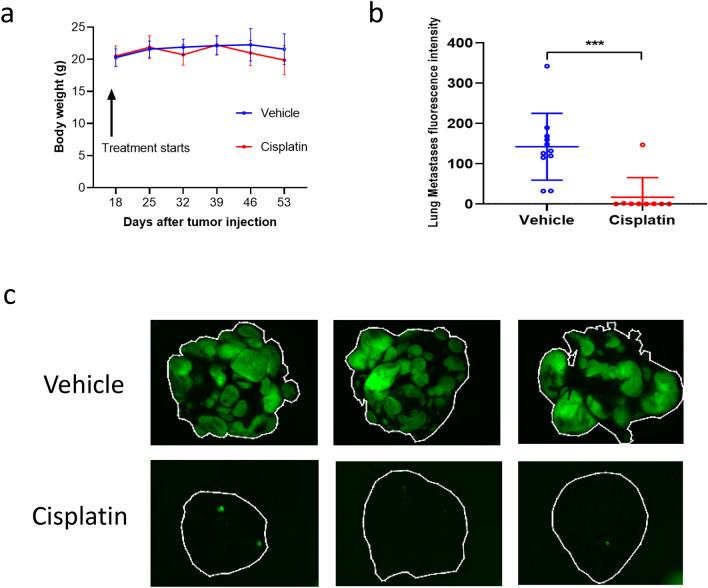
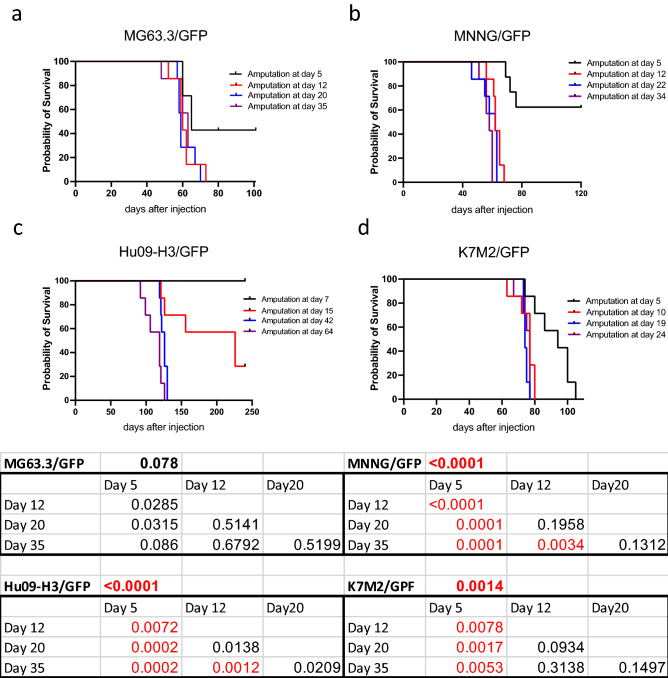
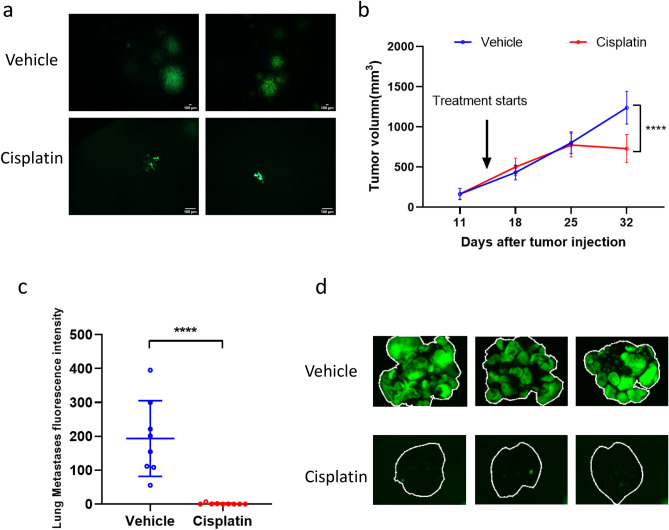
Development of animal models that accurately recapitulate human cancer is an ongoing challenge. This is particularly relevant in the study of osteosarcoma (OS), a highly malignant bone tumor diagnosed in approximately 1000 pediatric/adolescent patients each year. Metastasis is the leading cause of patient death underscoring the need for relevant animal models of metastatic OS. In this study, we describe how existing OS mouse models can be interrogated in a time-course context to determine the kinetics of spontaneous metastasis from an orthotopically implanted primary tumor. We evaluated four highly metastatic OS cell lines (3 human, 1 mouse) to establish a timeline for metastatic progression in immune deficient NSG mice. To discern the effects of therapy on tumor development and metastasis in these models, we investigated cisplatin therapy and surgical limb amputation at early and late timepoints. These data help define the appropriate observational periods for studies of metastatic progression in OS and further our understanding of existing mouse models. Efforts to advance the study of metastatic OS are critical for facilitating the identification of novel therapeutics and for improving patient survival.
开发能够准确重现人类癌症的动物模型是一个持续存在的挑战。这在骨肉瘤(OS)的研究中尤为重要,骨肉瘤是一种高度恶性的骨肿瘤,每年大约有 1000 名儿科/青少年患者被诊断出患有该病。转移是导致患者死亡的主要原因,这凸显了需要建立相关的转移性 OS 动物模型。在这项研究中,我们描述了如何在时间进程的背景下对现有的 OS 小鼠模型进行研究,以确定从原位植入的原发性肿瘤自发转移的动力学。我们评估了四个高度转移性 OS 细胞系(3 个人类,1 个小鼠),以确定免疫缺陷 NSG 小鼠中转移进展的时间表。为了了解这些模型中治疗对肿瘤发展和转移的影响,我们在早期和晚期时间点研究了顺铂治疗和手术截肢。这些数据有助于确定 OS 中转移性进展研究的适当观察期,并进一步了解现有的小鼠模型。推进转移性 OS 研究的努力对于促进新疗法的发现和提高患者生存率至关重要。