IRTA, Centre de Recerca en Sanitat Animal (CReSA, IRTA-UAB), Campus UAB, Bellaterra, Barcelona, Catalonia, Spain.
Barcelona Supercomputing Center (BSC), Jordi Girona, Barcelona, Spain.
Vet Pathol. 2022 Jul;59(4):613-626. doi: 10.1177/03009858211066841. Epub 2021 Dec 27.
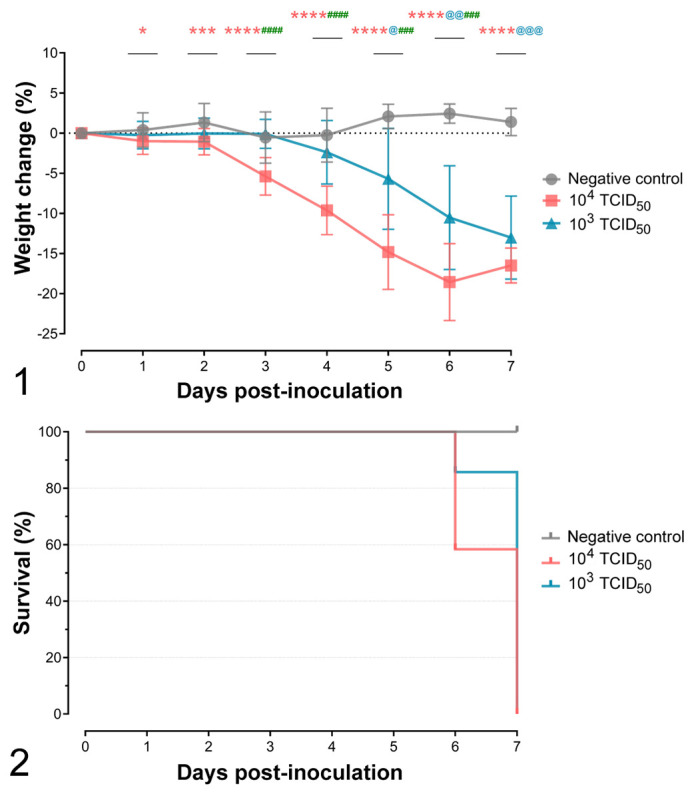
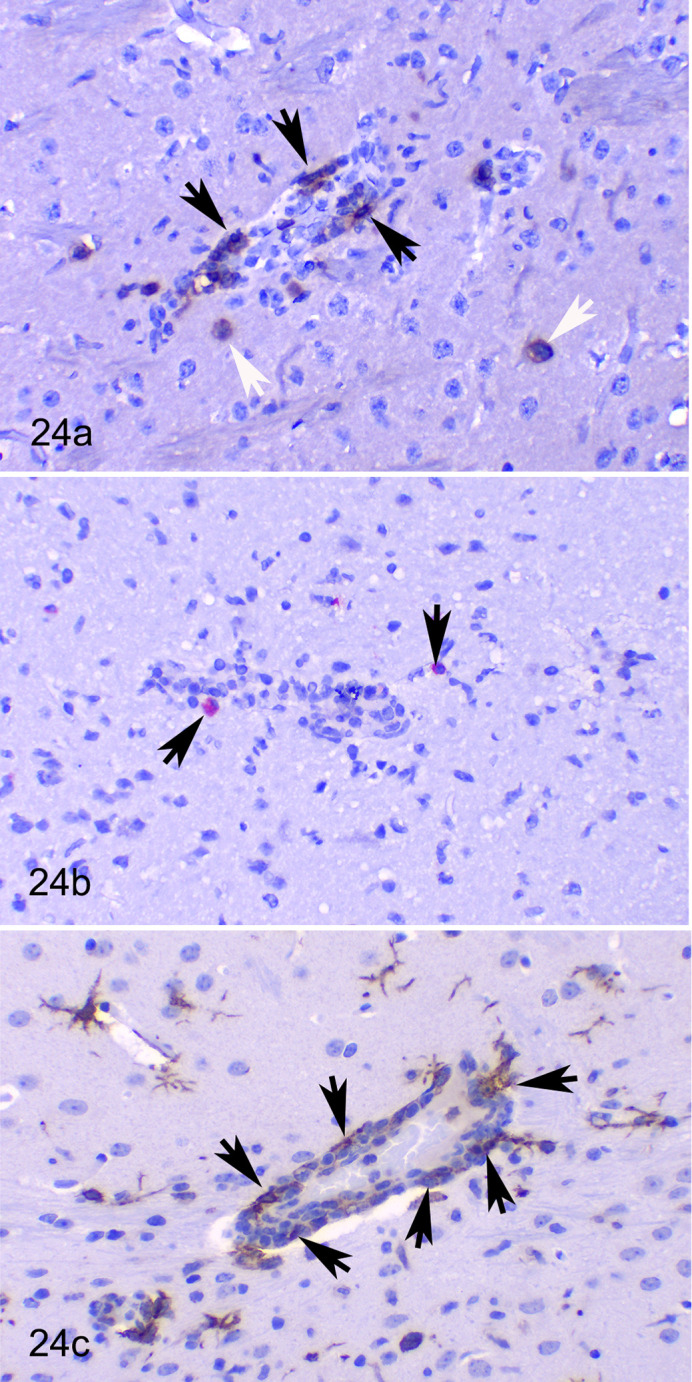
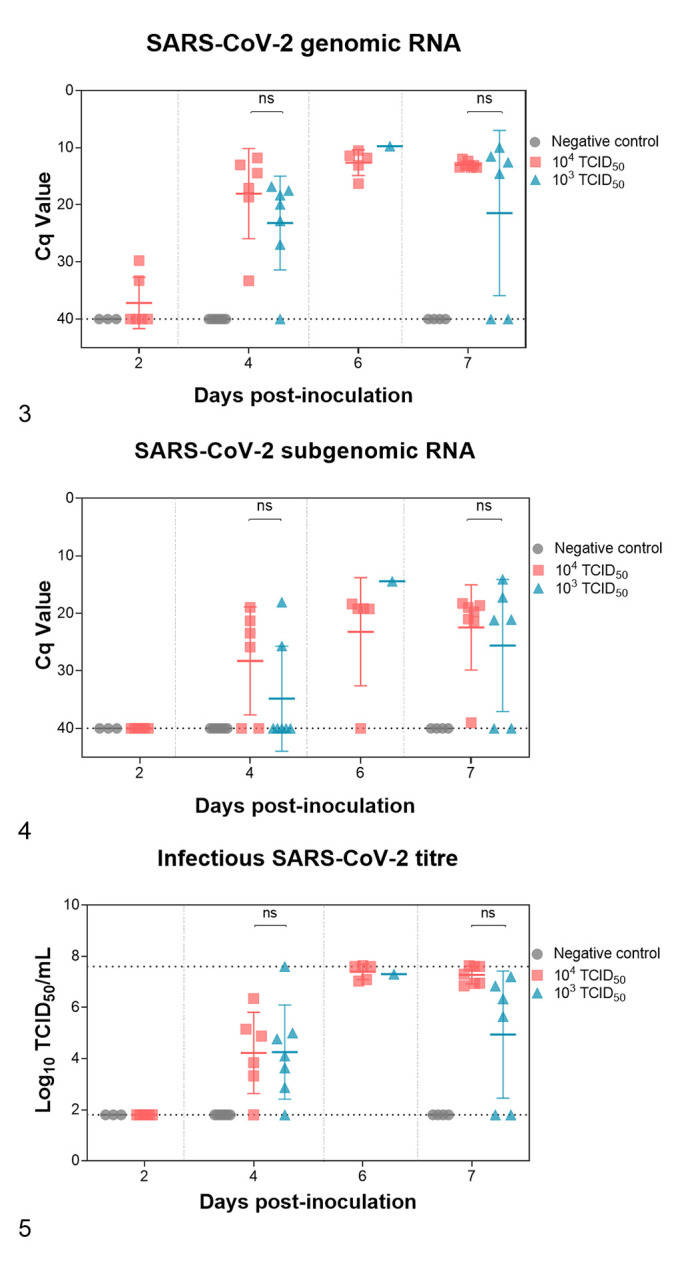
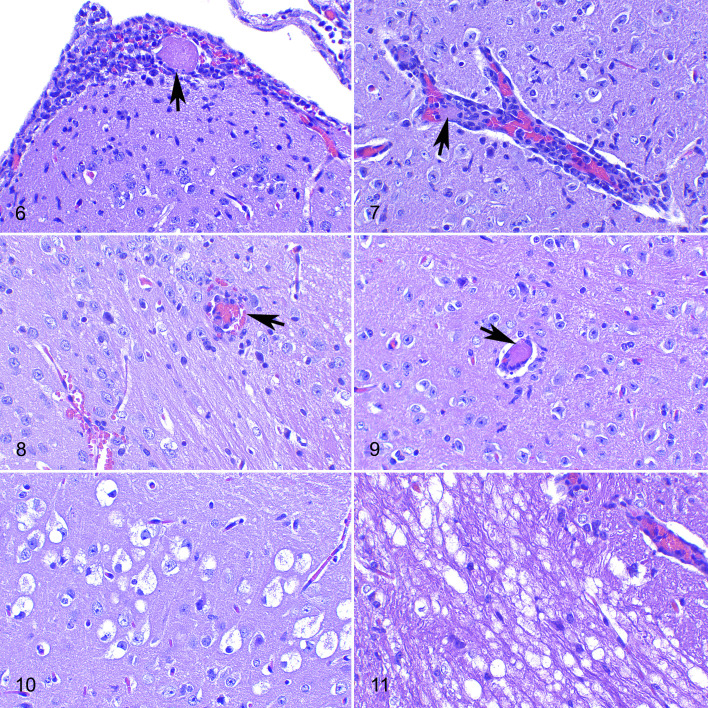
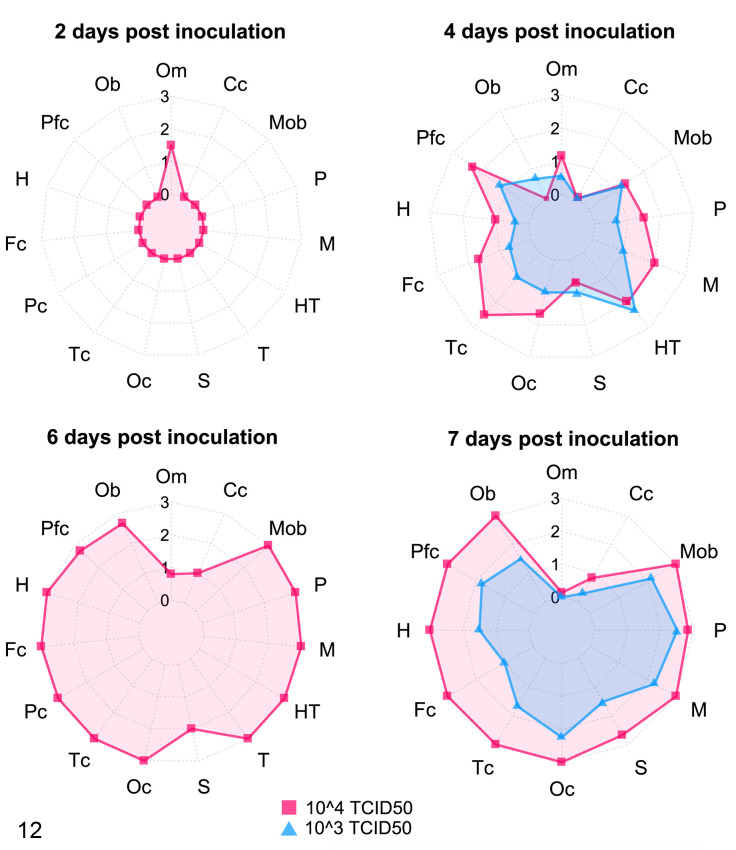
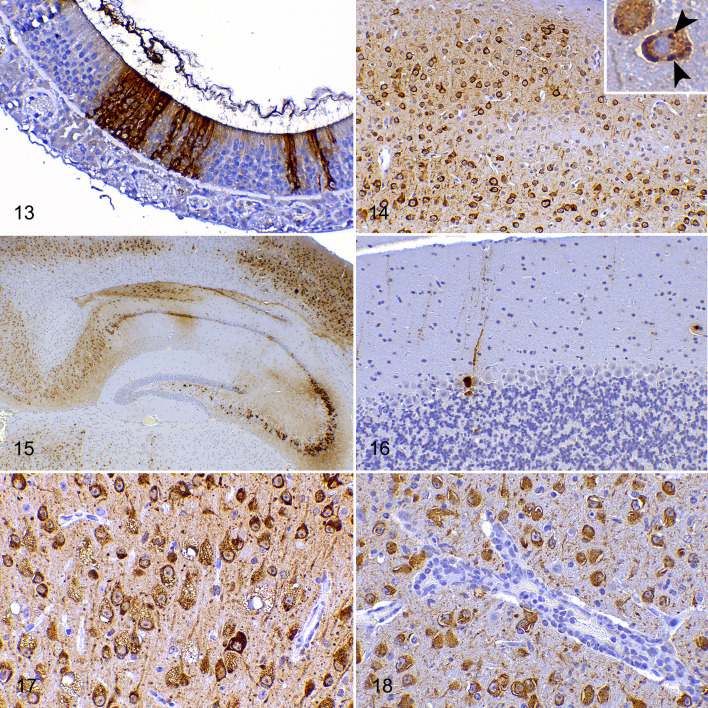
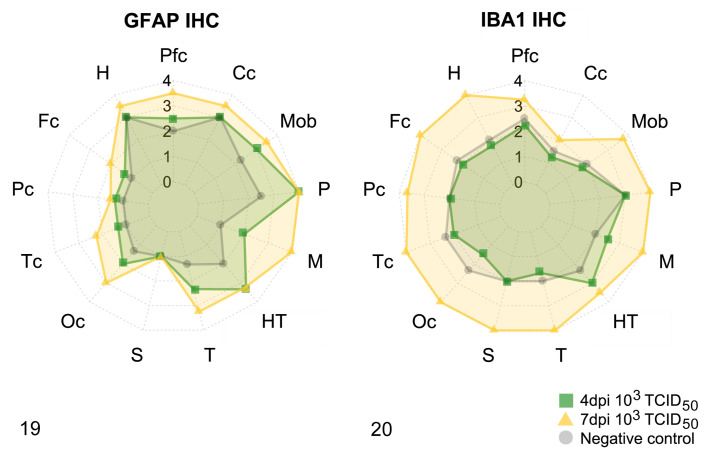
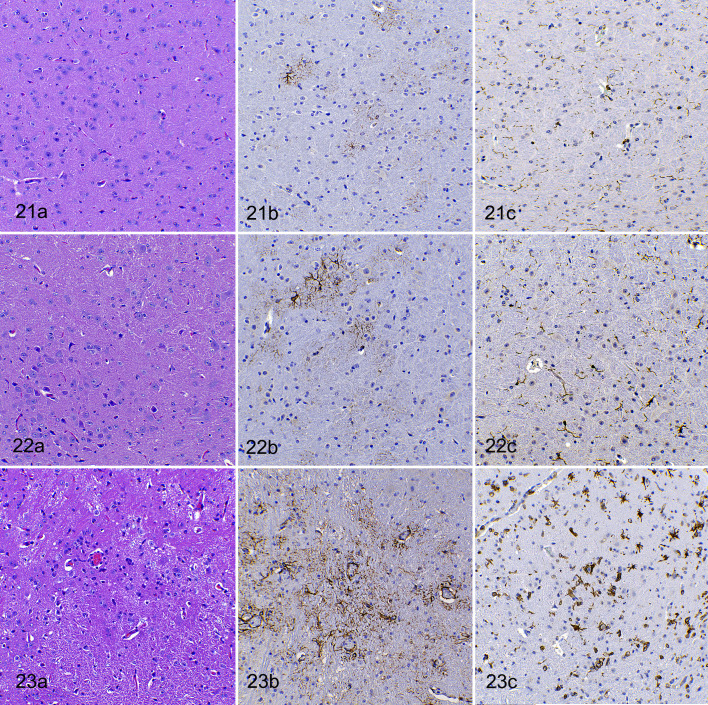
Severe acute respiratory syndrome coronavirus 2 (SARS-CoV-2) causes respiratory disease, but it can also affect other organs including the central nervous system. Several animal models have been developed to address different key questions related to Coronavirus Disease 2019 (COVID-19). Wild-type mice are minimally susceptible to certain SARS-CoV-2 lineages (beta and gamma variants), whereas hACE2-transgenic mice succumb to SARS-CoV-2 and develop a fatal neurological disease. In this article, we aimed to chronologically characterize SARS-CoV-2 neuroinvasion and neuropathology. Necropsies were performed at different time points, and the brain and olfactory mucosa were processed for histopathological analysis. SARS-CoV-2 virological assays including immunohistochemistry were performed along with a panel of antibodies to assess neuroinflammation. At 6 to 7 days post inoculation (dpi), brain lesions were characterized by nonsuppurative meningoencephalitis and diffuse astrogliosis and microgliosis. Vasculitis and thrombosis were also present and associated with occasional microhemorrhages and spongiosis. Moreover, there was vacuolar degeneration of virus-infected neurons. At 2 dpi, SARS-CoV-2 immunolabeling was only found in the olfactory mucosa, but at 4 dpi intraneuronal virus immunolabeling had already reached most of the brain areas. Maximal distribution of the virus was observed throughout the brain at 6 to 7 dpi except for the cerebellum, which was mostly spared. Our results suggest an early entry of the virus through the olfactory mucosa and a rapid interneuronal spread of the virus leading to acute encephalitis and neuronal damage in this mouse model.
严重急性呼吸综合征冠状病毒 2(SARS-CoV-2)会引起呼吸道疾病,但它也会影响包括中枢神经系统在内的其他器官。已经开发了几种动物模型来解决与 2019 年冠状病毒病(COVID-19)相关的不同关键问题。野生型小鼠对某些 SARS-CoV-2 谱系(β和γ变体)的敏感性较低,而 hACE2 转基因小鼠则易感染 SARS-CoV-2 并发展为致命的神经系统疾病。在本文中,我们旨在按时间顺序描述 SARS-CoV-2 的神经入侵和神经病理学特征。在不同时间点进行尸检,并对大脑和嗅黏膜进行组织病理学分析。进行了包括免疫组织化学在内的 SARS-CoV-2 病毒学检测,并使用了一组评估神经炎症的抗体。接种后 6 至 7 天(dpi),大脑病变表现为非化脓性脑膜脑炎和弥漫性星形胶质细胞增生和小胶质细胞增生。还存在血管炎和血栓形成,并伴有偶尔的微出血和海绵状变性。此外,感染病毒的神经元有空泡变性。在 2 dpi 时,仅在嗅黏膜中发现 SARS-CoV-2 免疫标记,而在 4 dpi 时,已经在大多数脑区发现了神经元内病毒免疫标记。在 6 至 7 dpi 时,病毒的最大分布范围遍及大脑,除了小脑大部分不受影响。我们的结果表明,病毒通过嗅黏膜早期进入,并通过神经元迅速传播,导致该小鼠模型急性脑炎和神经元损伤。