Le Coupanec Alain, Desforges Marc, Kaufer Benedikt, Dubeau Philippe, Côté Marceline, Talbot Pierre J
Laboratory of Neuroimmunovirology, INRS-Institut Armand-Frappier, Université du Québec, Laval, Québec, Canada H7V 1B7.
Laboratory of Neuroimmunovirology, INRS-Institut Armand-Frappier, Université du Québec, Laval, Québec, Canada H7V 1B7
J Virol. 2021 Apr 26;95(10). doi: 10.1128/JVI.00140-21. Epub 2021 Feb 24.
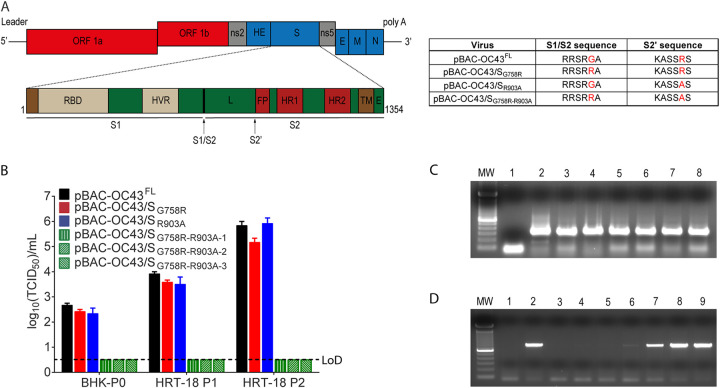
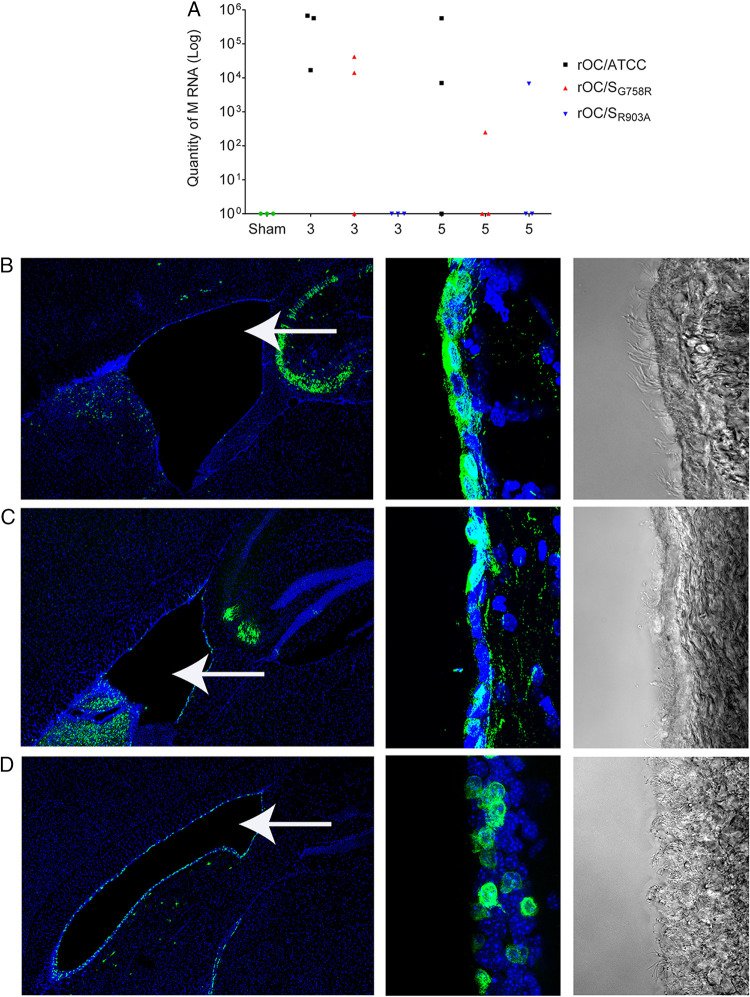
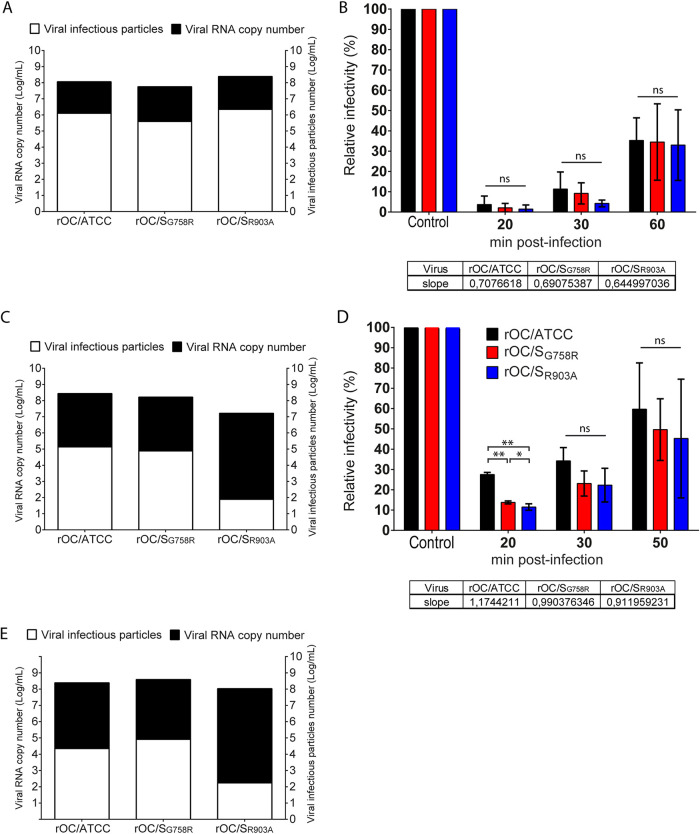
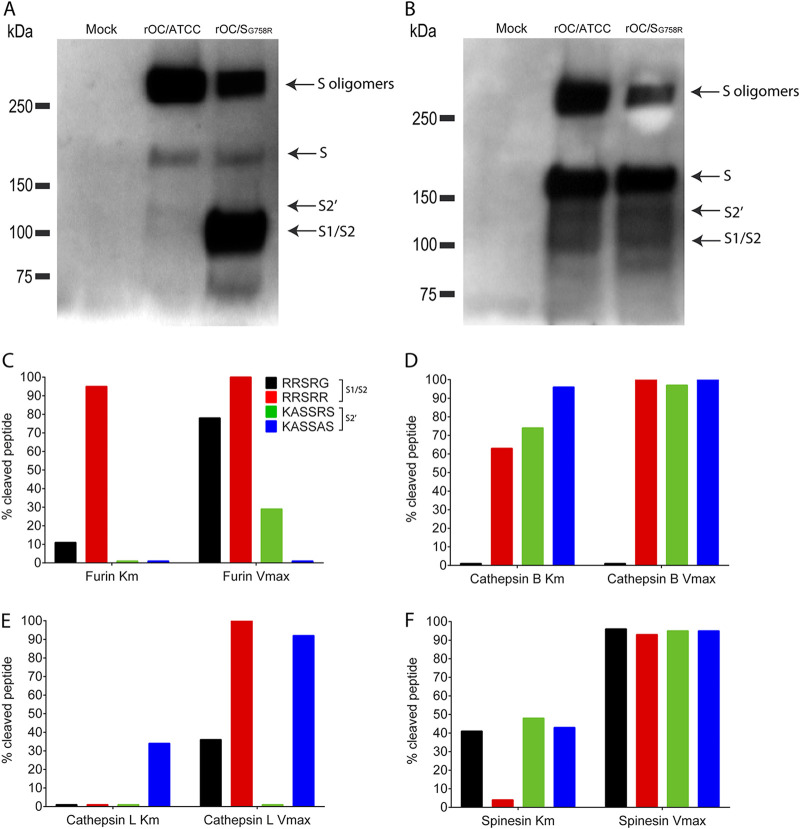
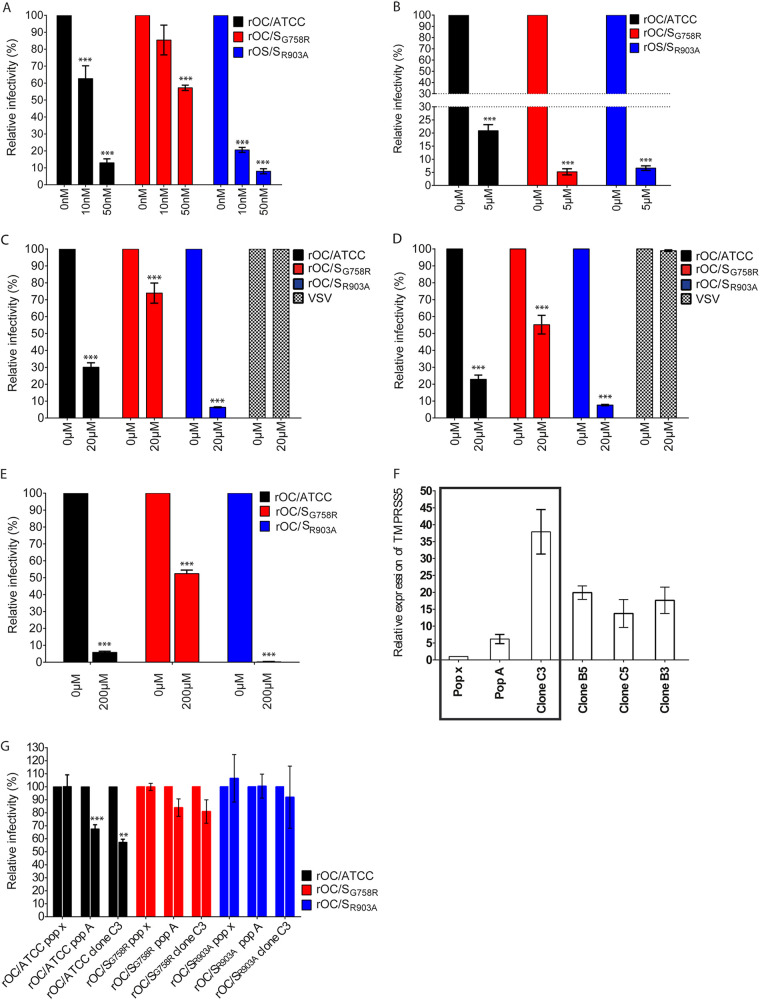
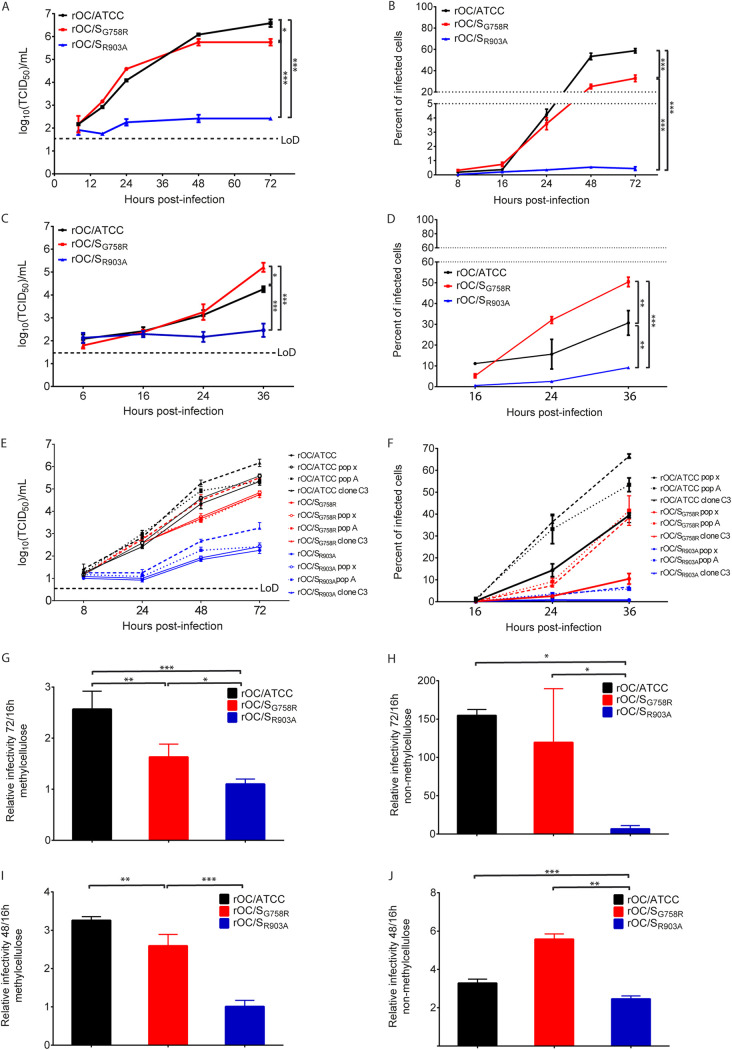
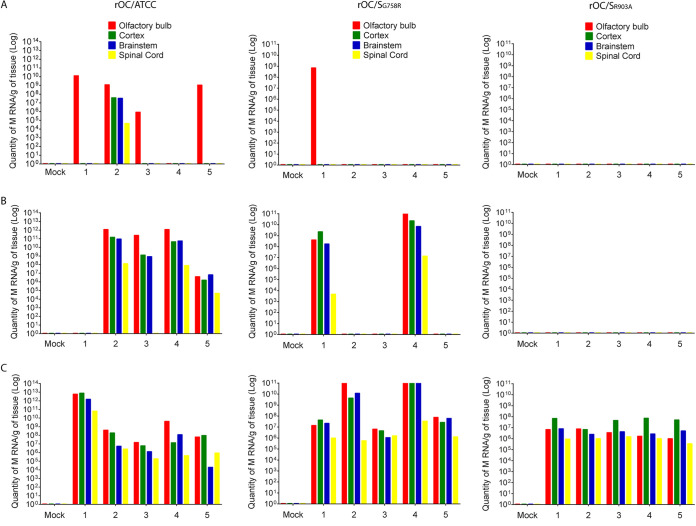
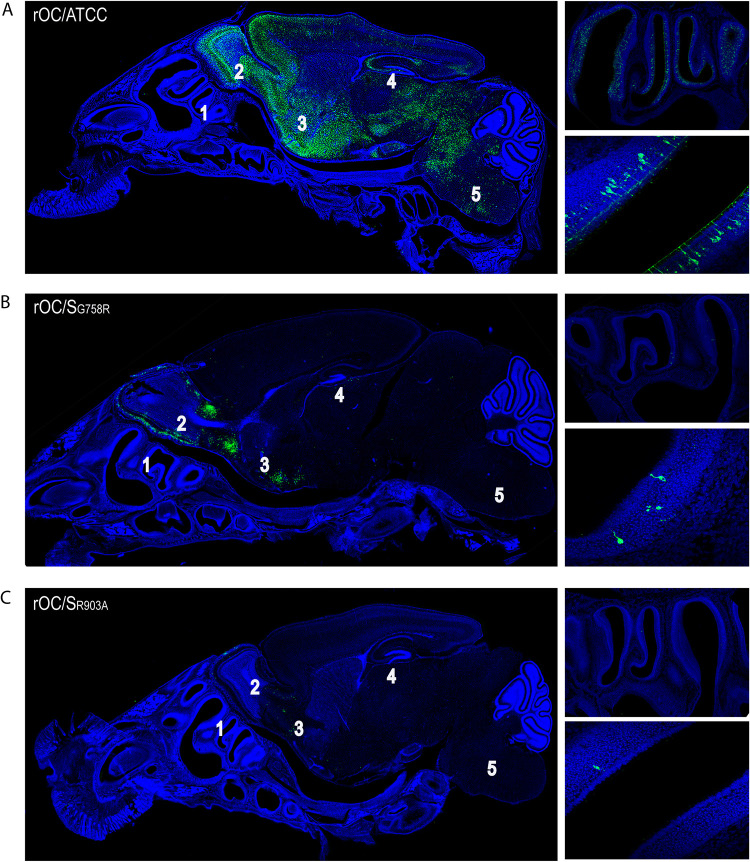
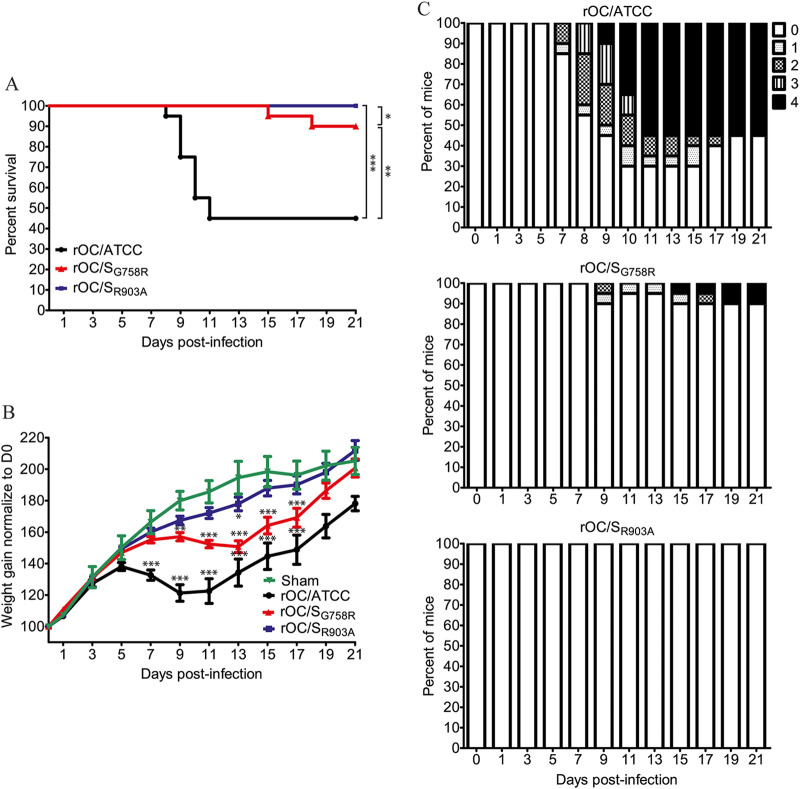
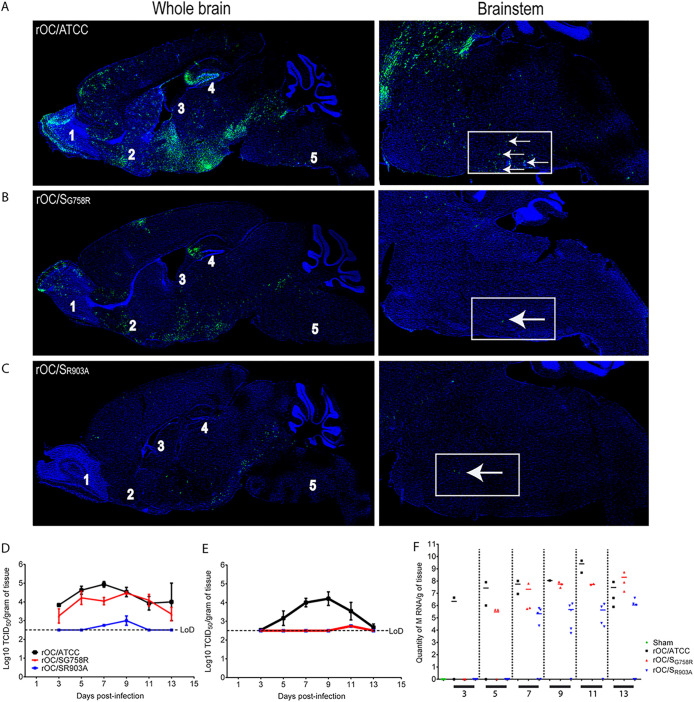
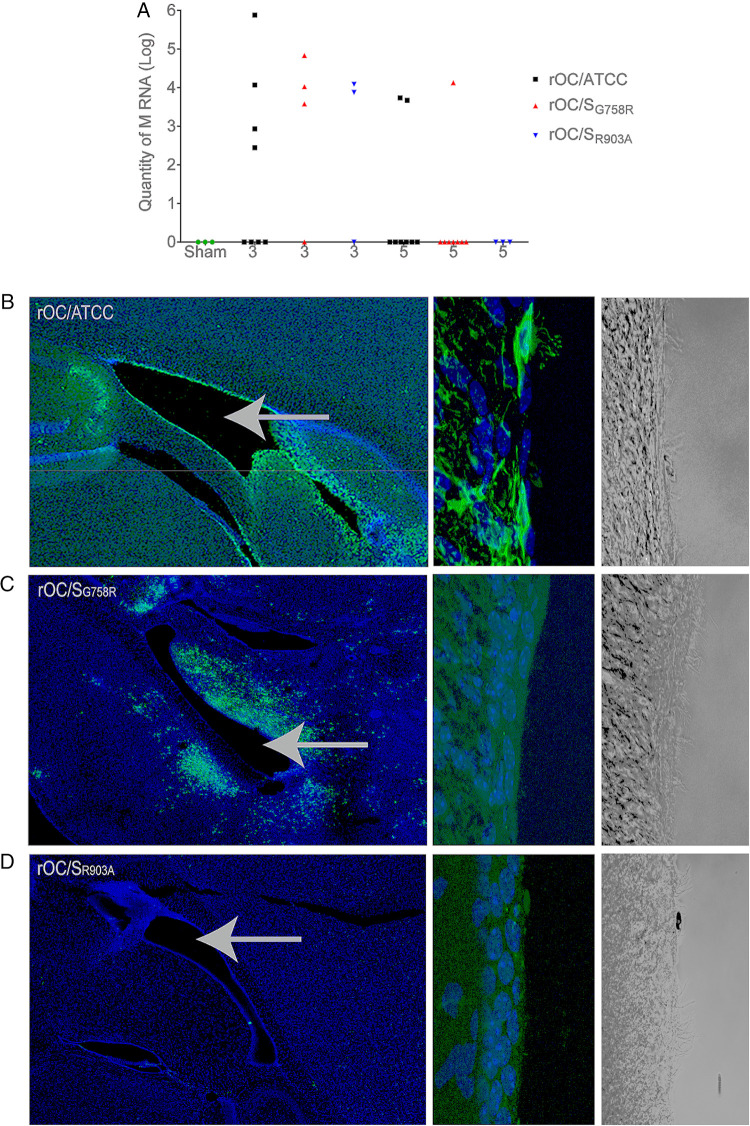
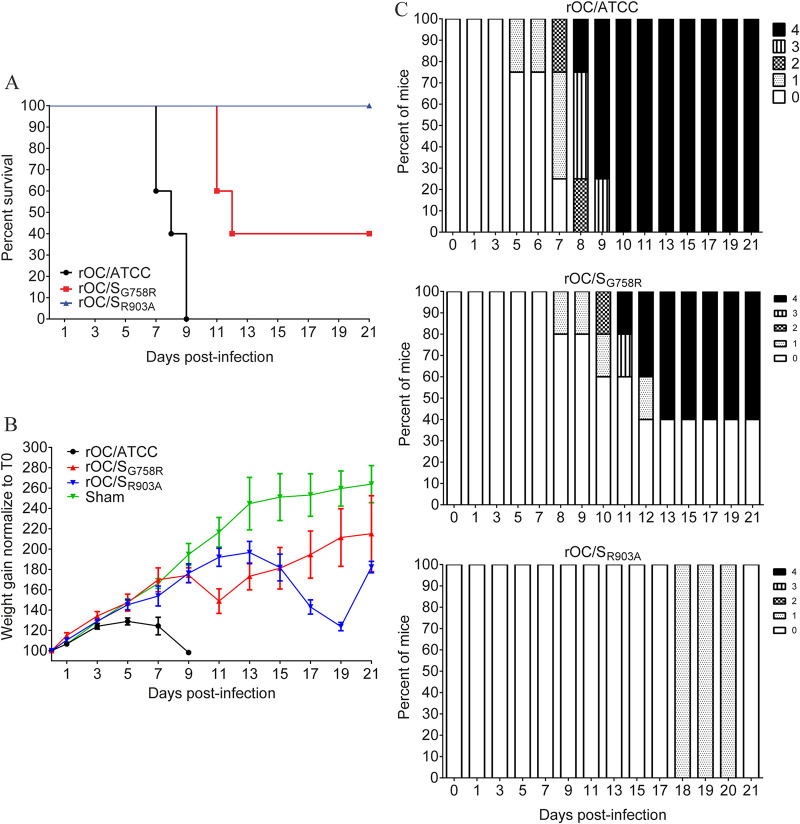
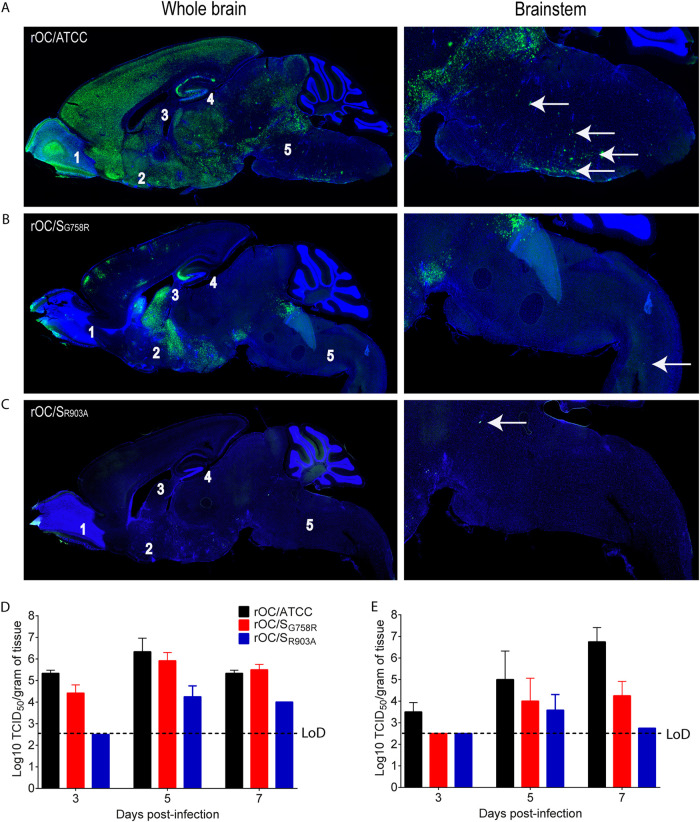
Human coronaviruses (HCoV) are respiratory pathogens which have been known since the 1960's. In December 2019, a new betacoronavirus, SARS-CoV-2, was reported and is responsible for one of the biggest pandemics of the last two centuries. Similar to the HCoV-OC43 strain, available evidence suggests SARS-CoV-2 neuroinvasion associated with potential neurological disorders. Coronavirus infection of the central nervous system (CNS) is largely controlled by a viral factor, the spike glycoprotein (S) and a host factor, innate immunity. However, the interaction between these two factors remains elusive. Proteolytic cleavage of the S protein can occur at the interface between receptor binding (S1) and fusion (S2) domains (S1/S2), as well as in a position adjacent to a fusion peptide within S2 (S2'). Herein, using HCoV-OC43 as a surrogate for SARS-CoV-2, we report that both S protein sites are involved in neurovirulence and are required for optimal CNS infection. Whereas efficient cleavage at S1/S2 is associated with decreased virulence, the potentially cleavable putative S2' site is essential for efficient viral infection. Furthermore, type 1 interferon (IFN 1)-related innate immunity also plays an important role in the control of viral spread towards the spinal cord, by preventing infection of ependymal cells. Our results underline the link between the differential S cleavage and IFN 1 in the prevention of viral spread, to control the severity of infection and pathology in both immunocompetent and immunodeficient mice. Taken together, these results point towards two potential therapeutic anti-viral targets: cleavage of the S protein in conjunction with efficient IFN 1-related innate immunity to prevent or at least reduce neuroinvasion, neural spread, and potential associated neurovirulence of human coronaviruses.Human coronaviruses (HCoV) are recognized respiratory pathogens. The emergence of the novel pathogenic member of this family in December 2019 (SARS-CoV-2, which causes COVID-19) poses a global health emergency. As with other coronaviruses reported previously, invasion of the human central nervous system (CNS), associated with diverse neurological disorders, was suggested for SARS-CoV-2. Herein, using the related HCoV-OC43 strain, we show that the viral spike protein constitutes a major neurovirulence factor and that type 1 interferon (IFN 1), in conjunction with cleavage of S protein by host proteases, represent important host factors that participate in the control of CNS infection.To our knowledge, this is the first demonstration of a direct link between cleavage of the S protein, innate immunity and neurovirulence. Understanding mechanisms of viral infection and spread in neuronal cells is essential to better design therapeutic strategies, and to prevent infection by human coronaviruses such as SARS-CoV-2 in human CNS especially in the vulnerable populations such as the elderly and immune-compromised individuals.
人类冠状病毒(HCoV)是自20世纪60年代以来就为人所知的呼吸道病原体。2019年12月,一种新的β冠状病毒——严重急性呼吸综合征冠状病毒2(SARS-CoV-2)被报告,它引发了近两个世纪以来最大的一次大流行。与HCoV-OC43毒株相似,现有证据表明SARS-CoV-2存在神经侵袭现象,并与潜在的神经系统疾病有关。冠状病毒对中枢神经系统(CNS)的感染在很大程度上受病毒因子刺突糖蛋白(S)和宿主因子固有免疫的控制。然而,这两个因子之间的相互作用仍不清楚。S蛋白的蛋白水解切割可发生在受体结合(S1)和融合(S2)结构域之间的界面(S1/S2),以及S2内与融合肽相邻的位置(S2')。在此,我们以HCoV-OC43作为SARS-CoV-2的替代物,报告这两个S蛋白位点均与神经毒力有关,且是中枢神经系统最佳感染所必需的。虽然S1/S2处的有效切割与毒力降低有关,但潜在可切割的假定S2'位点对于有效的病毒感染至关重要。此外,1型干扰素(IFN 1)相关的固有免疫在控制病毒向脊髓扩散方面也起着重要作用,它可防止室管膜细胞感染。我们的结果强调了S蛋白不同切割与IFN 1在预防病毒扩散方面的联系,以控制免疫健全和免疫缺陷小鼠的感染严重程度和病理状况。综上所述,这些结果指向两个潜在的抗病毒治疗靶点:切割S蛋白并结合有效的IFN 1相关固有免疫,以预防或至少减少人类冠状病毒的神经侵袭、神经扩散及潜在相关神经毒力。人类冠状病毒(HCoV)是公认的呼吸道病原体。2019年12月该病毒家族新的致病成员(导致COVID-19的SARS-CoV-2)的出现构成了全球卫生紧急事件。与之前报道的其他冠状病毒一样,SARS-CoV-2也被认为会侵袭人类中枢神经系统(CNS),并伴有多种神经系统疾病。在此,我们使用相关的HCoV-OC43毒株表明,病毒刺突蛋白是一种主要的神经毒力因子,1型干扰素(IFN 1)与宿主蛋白酶对S蛋白的切割一起,是参与控制中枢神经系统感染的重要宿主因子。据我们所知,这是首次证明S蛋白切割、固有免疫和神经毒力之间存在直接联系。了解病毒在神经元细胞中的感染和传播机制对于更好地设计治疗策略以及预防人类冠状病毒(如SARS-CoV-2)在人类中枢神经系统尤其是老年人和免疫功能低下个体等易感人群中的感染至关重要。